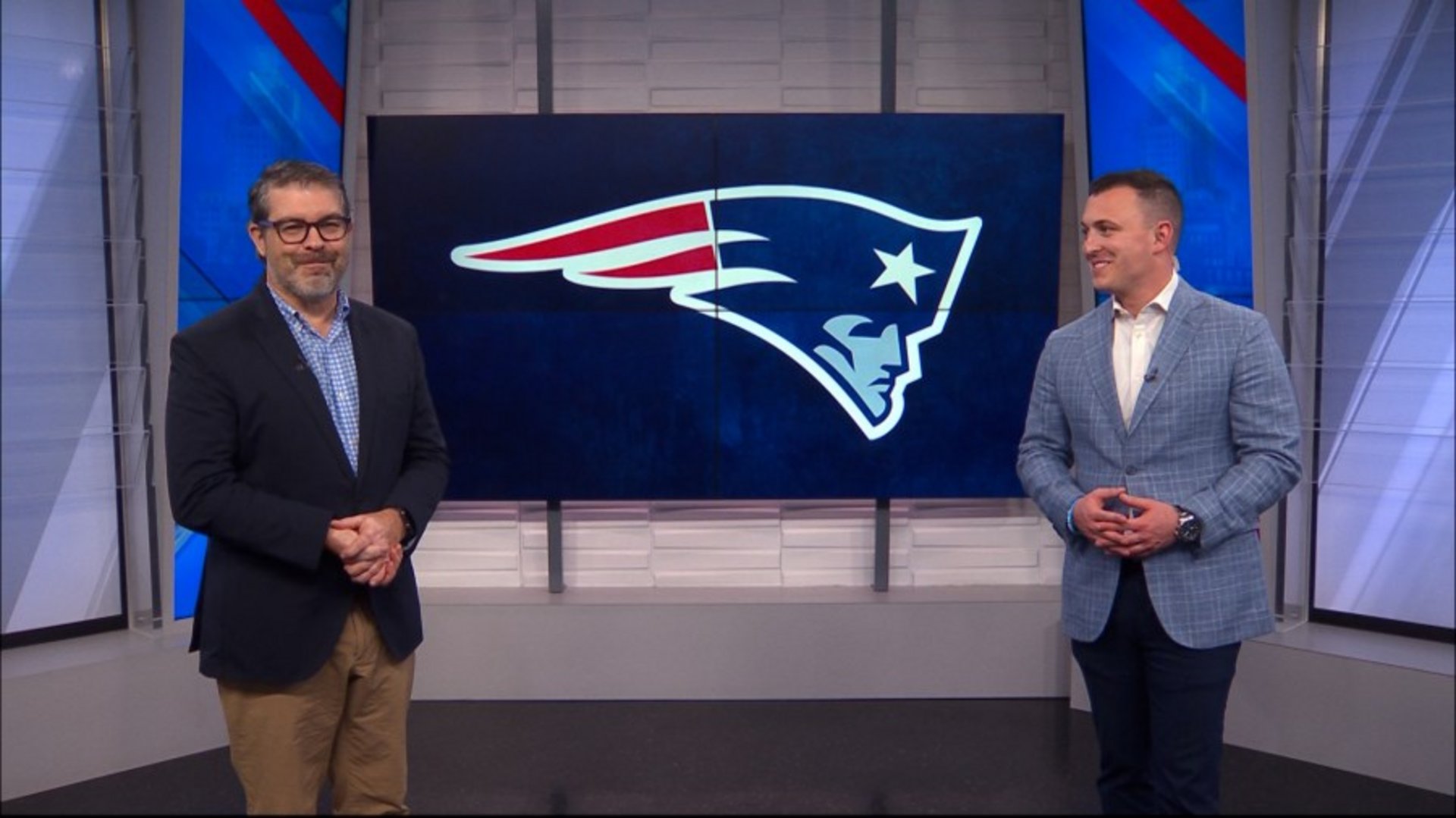
Protect the ball: Maye’s urgent mandate before the Divisional Round
Drake Maye and the New England Patriots know one simple truth heading into the Divisional Round: protect the ball. The mantra must guide every throw, every carry, and every decision in the red zone. With a first career playoff win on the line, the margin for error shrinks dramatically, and turnovers could end the season.
The Houston Texans present a clear threat. They yielded 277 yards per game this season, and they pressured quarterbacks often with 47 sacks. Moreover, their defense totaled 90 passes defended, 19 interceptions, and forced 12 fumbles. Therefore, Maye will face heavy pressure and opportunistic defensive backs who hunt the football.
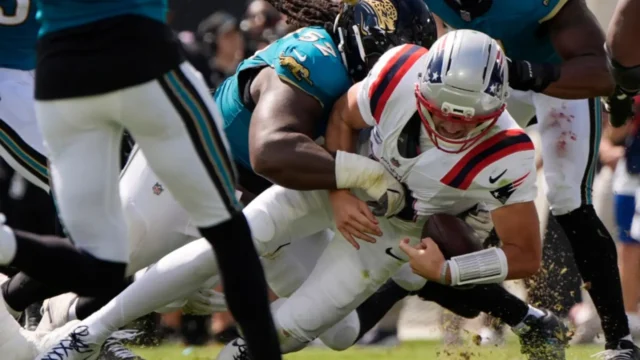
Last week offered a warning. Maye threw a tipped interception early and later fumbled near the Chargers 18. Jared Wilson recovered a separate fumble in the fourth quarter. As a result, New England won while showing that ball security remains a fragile element.
Analytically speaking, this matchup demands cautious decision making. The Patriots must tighten ball security schemes, emphasize timing, and limit risky throws. Otherwise, turnovers will define the game rather than strategy or execution.
Protect the ball: Maye’s turnover challenges and their impact
Drake Maye’s two turnovers against the Chargers exposed a fragile area for New England. On the second possession he threw a tipped interception, and later he fumbled at the Chargers 18-yard line. Those plays mattered because they shifted momentum and forced game-plan adjustments.
First, the tipped interception altered how the Patriots attacked early. After that turnover the offense became more cautious. As a result, coaches dialed back on risky downfield throws and favored controlled progressions. Consequently, drives that could have ended in touchdowns stalled or turned into field-goal attempts.
Second, the third-quarter fumble at the 18 cost the Patriots a red-zone scoring chance. Instead of seven points, New England settled for a drive that produced a 39-yard Andy Borregales field goal. Therefore a potential touchdown became three points, reducing scoring efficiency in a tight game.
Finally, Jared Wilson recovered a fourth-quarter Maye fumble, which underscored the recurring ball security issue. Because turnovers happened at different moments, the coaching staff needed to reinforce fundamentals quickly. They emphasized two things in practice: tighter ball carry and faster decision-making. Moreover, quarterbacks and skill players ran drills to simulate rush lanes and quick-game cuts.
Analytically, these turnovers highlight a pattern rather than isolated mistakes. Maye must refine pocket awareness and timing, and the Patriots must adjust playcalling to limit risky plays. Otherwise, turnovers will skew field position and time of possession. With the postseason ahead, protecting the football remains the single most important corrective measure for New England.
Protect the ball: Texans defense forces turnover discipline
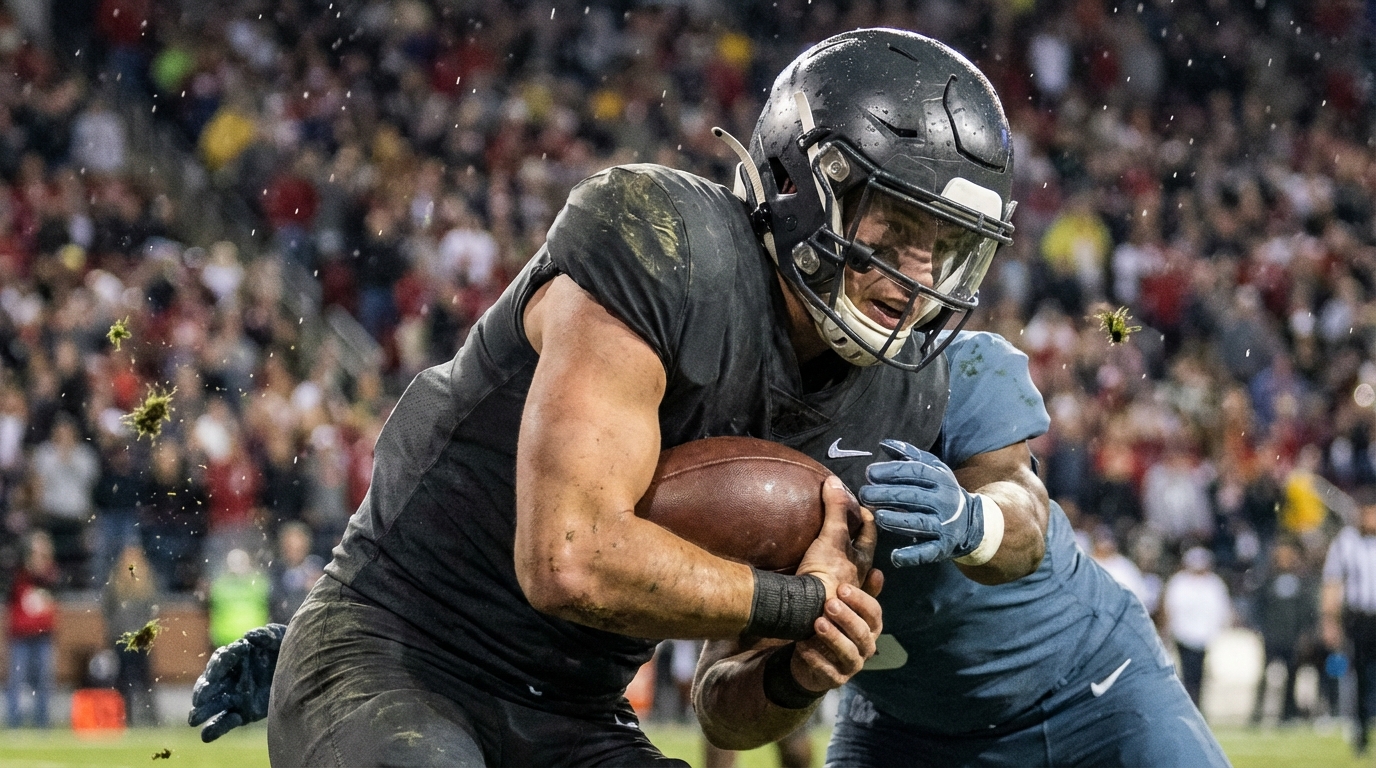
The Texans present a multi-layered threat that makes ball security essential. They allowed 277 yards per game this season, which is modest but misleading. Because their rush defense held opponents to 93.7 yards per game, they control line-of-scrimmage battles. Moreover, they amassed 47 sacks, tied for sixth in the NFL, and apply consistent pressure.
Their pass defense compounds the danger. Houston tallied 90 passes defended in 2025, including 19 interceptions and 12 forced fumbles with eight recoveries. Therefore, their secondary not only disrupts routes, but also hunts loose balls. As a result, quarterbacks who hesitate or telegraph throws face a high turnover risk.
Analytically, these numbers create a simple equation: pressure plus opportunistic coverage equals turnovers. Consequently, Drake Maye and the Patriots cannot afford sloppy exchanges or prolonged pocket time. Instead, they must emphasize quick reads, secure ball mechanics, and decisive ball placement. Furthermore, playcalling should reduce exposed plays where defenders can tip passes.
The Texans’ ability to win with the run and rush the passer forces New England to balance protection and aggression. Thus, the Patriots must scheme extra slide protections and quick-game concepts. In addition, they should use short completions to stabilize rhythm, because small throws reduce interception chances.
Finally, turnover prevention must be a team priority. Coaches should reinforce hand placement and ball-carry drills this week. For more on how Maye’s turnovers could matter in the postseason, see this article. Also consider how practice-squad depth might help protect the roster at the line, per this link. And read about potential practice-squad pass-rush depth moves at this page.
Protect the ball: Texans vs Chargers defensive comparison
The table below compares key defensive metrics that influenced Maye’s performance and New England’s game plan.
| Statistic | Houston Texans (season) | Los Angeles Chargers (game vs Patriots) | Why it matters for protect the ball |
|---|---|---|---|
| Sacks | 47 (tied for 6th in NFL) | Pressure in the game caused a tipped interception and a fumble | Pressure shortens reads, forces hurried throws and increases turnover risk |
| Interceptions | 19 (third in NFL) | N/A | Opportunistic secondary turns tipped passes into interceptions |
| Forced fumbles / recoveries | 12 forced, 8 recoveries | Maye fumbled at the Chargers 18; Jared Wilson recovered a separate fumble | Fumbles erase red-zone chances and swing momentum |
| Yards allowed per game | 277 | N/A | Moderate yards allowed but high play disruption leads to turnovers |
| Rushing yards allowed per game | 93.7 (fourth in NFL) | N/A | Strong rush defense controls line of scrimmage and limits big plays |
| Passes defended | 90 | N/A | High passes defended shows a ball-hawking secondary that hunts the ball |
Conclusion
Protect the ball remains the decisive directive for Drake Maye and the Patriots in the Divisional Round. Turnovers against the Chargers showed how quickly momentum can flip, therefore limiting mistakes is vital. Houston’s pressure and ball-hawking secondary raise the risk of tipped passes and forced fumbles. As a result, New England must prioritize quick reads, secure mechanics and conservative ball placement.
Coaches should adjust protection schemes and favor high-percentage plays to reduce exposed throws. Moreover, practice must reinforce ball-carry fundamentals and decision timing under pressure. If Maye limits risky attempts, the Patriots increase their path to a first playoff win. However, any lapse could hand the Texans an early advantage and end New England’s run.
This analysis comes from Patriots Report LLC, the trusted source for Patriots coverage and insights. Visit Patriots Report and follow Zach Gatsby for ongoing, cautious breakdowns.
Frequently Asked Questions (FAQs)
What does “protect the ball” mean for Drake Maye and the Patriots?
Protect the ball means minimizing turnovers by securing the football on every play. Maye must avoid tipped throws and loose carries. For example, he threw a tipped interception on the second Chargers possession. Also, he fumbled at the Chargers 18-yard line and later had a fumble recovered by Jared Wilson. Therefore ball security is not theoretical. It directly affects scoring chances and field position.
How did Maye’s turnovers versus the Chargers change New England’s game plan?
The turnovers forced New England to play more cautiously. Early in the game the offense dialed back risky downfield attempts. Consequently coaches emphasized shorter progressions and high-percentage throws. The Chargers fumble at the 18 turned a likely touchdown into a 39-yard Andy Borregales field goal. As a result, scoring efficiency dropped and the Patriots adjusted protections and reads.
Why is protecting the ball especially critical against the Texans?
Houston combines pressure with a ball-hawking secondary. They allowed 277 yards per game this season. Moreover they surrendered only 93.7 rushing yards per game, ranking fourth. They also recorded 47 sacks. Their defense tallied 90 passes defended, 19 interceptions and 12 forced fumbles with eight recoveries. Because they create tips and turnovers, any hesitation or loose grip becomes costly.
What specific adjustments can help reduce turnovers?
Coaches can take clear actions:
- Scheme extra slide protections to limit sacks and hurries
- Emphasize quick-game concepts and short drops
- Run more two-man and checkdown options
- Drill hand placement and ball-carry fundamentals in practice
- Encourage decisive reads to reduce telegraphed throws
These steps should lower interception and fumble risk.
Can Maye still lead New England to a playoff win if he focuses on protecting the ball?
Yes, but it requires discipline and team support. If Maye limits risky attempts and the line holds up, New England boosts its chances. However, the Texans’ pressure and coverage will punish mistakes. Therefore protecting the ball is the most important factor for advancing in the playoffs.