Patriots draft analysis: deep-dive into grades, player fit, and roster implications
Patriots draft analysis begins with a simple question: did New England improve the roster’s long term outlook or merely shift draft capital around? This introduction sets a cautious, analytical tone. I will weigh grades, evaluate player fit, and map roster consequences. Because the Patriots traded up in the first two rounds, this review focuses on value, positional need, and developmental timelines.
Expect a clear, evidence driven look at the class. However, this piece avoids hype and instead highlights realistic outcomes and risks. We consider edge rushers, offensive line depth, and tight end development. We will also flag gaps at linebacker, safety, and interior offensive guard.
What this deep dive covers
- Draft grades explained and their context for long term value
- Player fit versus scheme, including tackle arm length and blocking traits
- Roster implications for starters, backups, and the practice squad
- How draft capital moves shaped the board and future picks
- Risk areas like UDFA depth, injury history, and limited starter snaps
Readers who follow Patriots draft strategy, draft capital management, and roster construction will find detailed, actionable analysis. Therefore, this article favors steady judgment over sensational takes.
Patriots draft analysis: player grades and fit
This section grades individual picks and examines schematic fit. Because roster construction matters more than headlines, we focus on realistic roles. Below are graded takes on key selections and near picks. However, grading trades context matters when judging value.
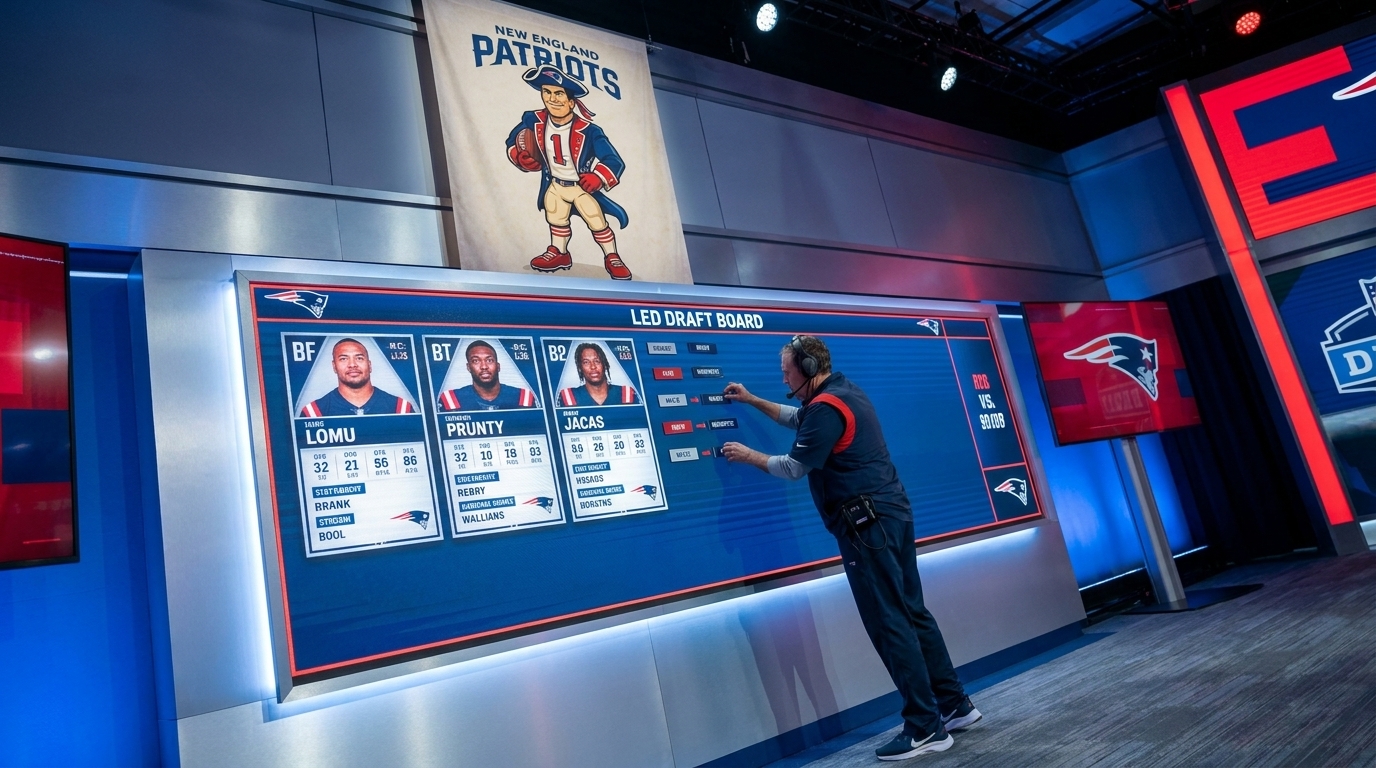
Caleb Lomu — tackle projection and grading
- Size and measurables: 6’6″, 313 pounds, 33 3/8″ arm length
- PFF context: pass blocking grades above 75.0, showing consistent pocket work
- Role projection: long term left or right tackle solution, developmental starter
- Contribution note: could stabilize tackle play as Morgan Moses ages at 35
Karon Prunty — cornerback value
- PFF grade: 86.8 overall in his final season
- Draft board context: unranked on PFF Big Board despite high grade
- Role projection: boundary corner with immediate special teams value
- Fit note: could start in nickel after learning Patriots cover concepts
Gabe Jacas — edge upside
- Production: 11 sacks last season, proven pass rusher at the college level
- Role projection: situational third down pass rusher early, expanded role later
- Fit note: could help address pressure issues, given Patriots were 21st in pressure rate
Eli Raridon — tight end depth
- Frame and skillset: 6’6″ frame, blocks well, TE2 projection
- Role projection: developmental inline blocker and H back
- Risk note: not guaranteed TE1 because of limited route polish
Dametrious Crownover — interior tackle/guard
- Size and reach: 6’7″, 319 pounds, 35″ arms
- Pass blocking grade: 58.4 in 2025 across 428 pass block snaps
- Role projection: swing tackle or depth interior piece while he improves technique
Obiazor — linebacker reliability
- Snap volume: 817, 727, 728 snaps across 2023 to 2025 seasons
- Run-defense and tackling: 75.9 run-defense, 82.3 tackling grade
- Role projection: high-effort off-ball linebacker, potential early starter in sub packages
The Lomu oddity and strategic implications
Selecting Caleb Lomu at No. 28 felt odd because the Patriots used a high pick on Will Campbell in 2025. Therefore, the move reads like insurance. Moreover, it suggests the front office doubts Campbell’s long-term ceiling. Consequently, the team hedged against tackle dysfunction while protecting future roster flexibility. In short, the Lomu pick prioritizes tackle security and development over addressing immediate backup depth at linebacker, safety, or interior guard. That tradeoff will shape roster moves and coaching timelines going forward.
| Player | Position | PFF grade | Physical attributes | Projected roster impact |
|---|---|---|---|---|
| Caleb Lomu | Offensive tackle | Pass-blocking >75.0 (PFF) | 6’6″, 313 lb, 33 3/8″ arm length | Long-term tackle solution; developmental starter; insurance against Will Campbell; could stabilize the line |
| Gabe Jacas | Edge rusher | N/A — 11 sacks in final season | Height/weight not listed here | Situational pass rusher early; upside as third-down specialist; could boost pressure rate |
| Eli Raridon | Tight end | N/A | 6’6″ frame; weight not listed | TE2 with strong blocking; H-back possibilities; not guaranteed TE1 |
| Dametrious Crownover | Tackle/guard | 58.4 pass-blocking (2025) | 6’7″, 319 lb, 35″ arms | Swing tackle or interior depth; needs technique work before starting |
Roster implications and depth challenges post-draft
The Patriots traded up in rounds one and two. As a result, they spent draft capital to chase perceived starters. However, that choice affects depth across the roster. Below we unpack the tradeoffs and the roster risks the team now faces.
Trades and draft capital
- New England packaged 4th round picks and a 6th rounder to move up. Therefore, the front office signaled urgency to land specific players.
- As a result, flexibility in mid rounds shrank. Consequently, the team lost later developmental shots.
- For more on how Caleb Lomu impacts the tackle room see Caleb Lomu’s Impact.
Positional gaps that remain
- Linebacker depth: The team did not add a clear backup plan. Thus, injuries could force younger players into big roles.
- Safety depth: No veteran cover pieces were added. As a result, scheme versatility may suffer late in the season.
- Interior guard depth: The Patriots left guard depth thin. Consequently, they risk short-term interior breakdowns if injuries occur.
Rookie approach and development timeline
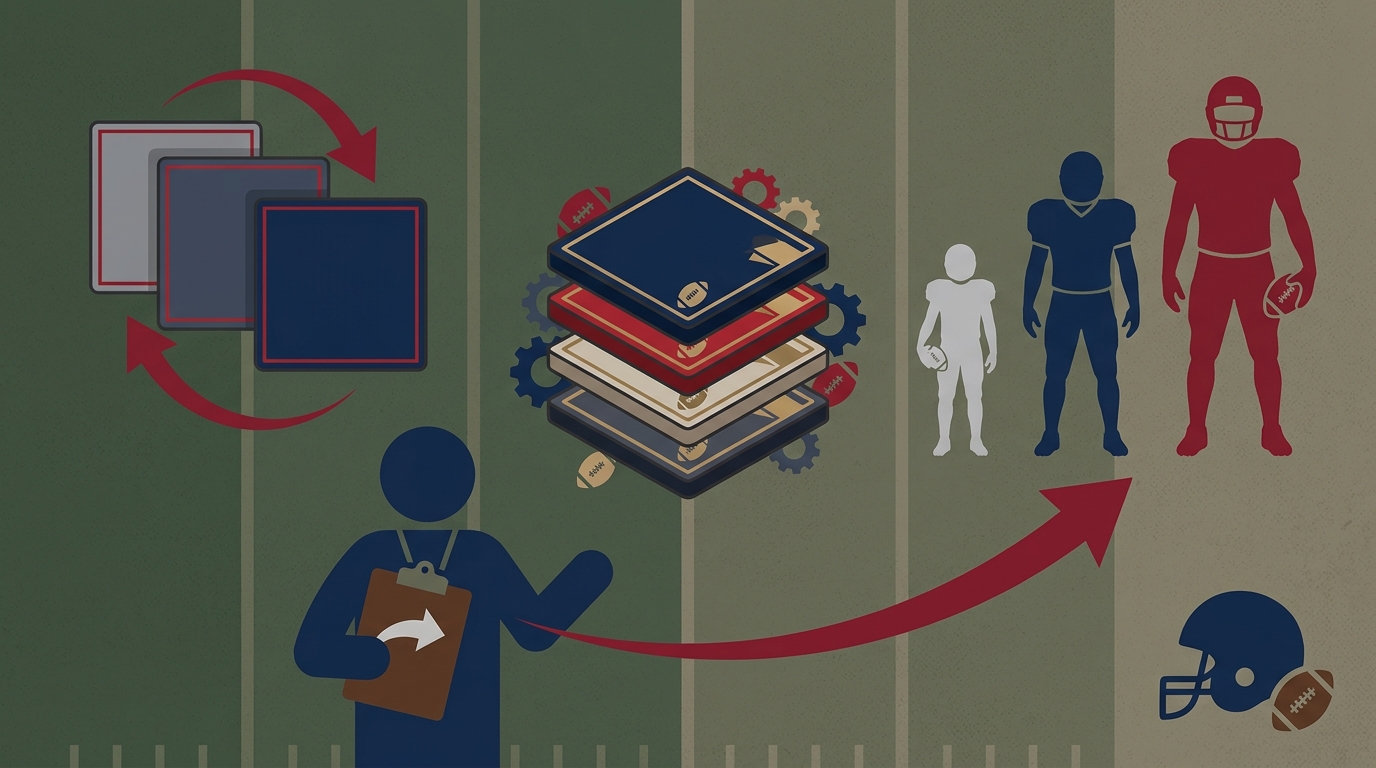
- The Patriots explicitly favor a sit, learn, and develop model for top picks. Therefore, the rookies do not need to start to succeed.
- This strategy helps long term player value. However, it also means immediate contributors are not guaranteed.
- For context on who could start from the 2026 class see 2026 Draft Class Insight.
UDFA class and scouting concerns
- The UDFA crop this year looks weaker than last year’s. In 2025, the Patriots kept multiple UDFAs on the roster.
- This time, three seventh round picks mirrored players they might have signed as UDFAs. Therefore, special teams and depth returns look thin.
- As a result, the team may invest in veteran free agents or allocate camp reps differently.
Roster math and short term choices
- The Patriots currently list 87 players under contract. In addition, Lorenz Metz counts as an IPP roster exemption.
- That leaves four open spots for camp invites and minor additions.
- Thus, the team faces a tight window to add depth before the season.
Immediate decisions to monitor
- Will the Patriots pursue veteran depth at linebacker and guard? If so, expect moves before training camp.
- Will rookies like Lomu and Jacas play early, or will they sit and develop? The coaching staff will decide case by case.
In sum, the draft reinforced tackle security and pass rush upside. However, it left key backups thin. Therefore, the front office must address depth. Otherwise, injuries could expose the team late in the year.
Conclusion
The Patriots draft analysis yields a cautious, measured verdict. New England prioritized tackle security and pass rush upside. The team traded up in rounds one and two to land targeted players. However, that approach spent mid round capital. It left backup gaps at linebacker, safety, and interior guard.
Key takeaways
- Trades mattered. The team gave up 4th and 6th round capital to move up.
- Caleb Lomu offers tackle insurance and long term upside. Yet the pick reads like a hedge against Will Campbell’s uncertainty.
- Gabe Jacas brings immediate pass rush upside as a situational weapon. He has room to grow.
- The UDFA class and late round choices look weaker than last year. Therefore, special teams and depth could be thin.
- Roster math is tight. The Patriots list 87 players under contract plus Lorenz Metz as an IPP exemption. That leaves four open roster spots.
- Rookie plan remains conservative. Expect the team to sit rookies, develop them, and add them slowly.
In short, the draft buffered long term risk. However, it left short term depth concerns that merit attention. Patriots Report LLC will monitor roster moves and development closely. Source Patriots Report LLC. Website patriotsreport.com and Twitter/X @ZachGatsby.
Frequently Asked Questions (FAQs)
What did the trades up in rounds one and two accomplish?
The trades secured targeted players the front office valued. However, they cost mid round capital. Therefore, New England gained perceived starters but lost some later developmental flexibility.
Which draftees best fit the Patriots scheme?
Caleb Lomu fits as a developmental tackle with pro-level pass blocking. Gabe Jacas projects as a situational edge rusher. Together, they address tackle security and pass rush needs.
Are there roster depth concerns after the draft?
Yes. The team did not add clear backups at linebacker, safety, or guard. Consequently, injuries could force early reliance on unproven depth.
How does this UDFA class compare to last year’s?
This year’s UDFA group looks weaker than last year’s crop. As a result, special teams and late depth may be thinner than the team prefers.
What are the long term implications of this draft strategy?
The strategy favors development and tackle security. However, it also requires short term roster moves to shore up backups and preserve season resilience.