Tom Brady neutrality ahead of Super Bowl LX has become one of the offseason’s most provocative talking points. Fans and media now parse every remark from the legendary quarterback because his words influence team narratives. Whether you feel pride, stung by perceived distance, or comfortably indifferent, the reaction has felt electric across New England.
He told reporters he did not have a dog in the fight, and that line reverberated. As a result, fan polls and opinion pieces have amplified every subtle tilt. Boston.com readers split between disappointment, understanding, and indifference, according to a recent poll.
For Patriots fans, the moment reads like a test of loyalty and legacy. However, sportswriters and commentators shape the narrative by framing neutrality as either maturity or betrayal. Therefore, this debate matters beyond headlines because it affects how history will remember both Brady and the current Patriots. In this piece, we observe the fan-driven currents that turn a simple comment into a story. We will weigh the polls, quotes, and community reaction to find nuance.
Tom Brady neutrality ahead of Super Bowl LX
Tom Brady stunned some fans when he told the Let’s Go! podcast, “I don’t have a dog in the fight in this one.” He said, “May the best team win.” He added that the Patriots are in a new chapter and praised the Mike Vrabel regime. His neutral posture toward the Patriots Seahawks matchup then became a hot talking point.
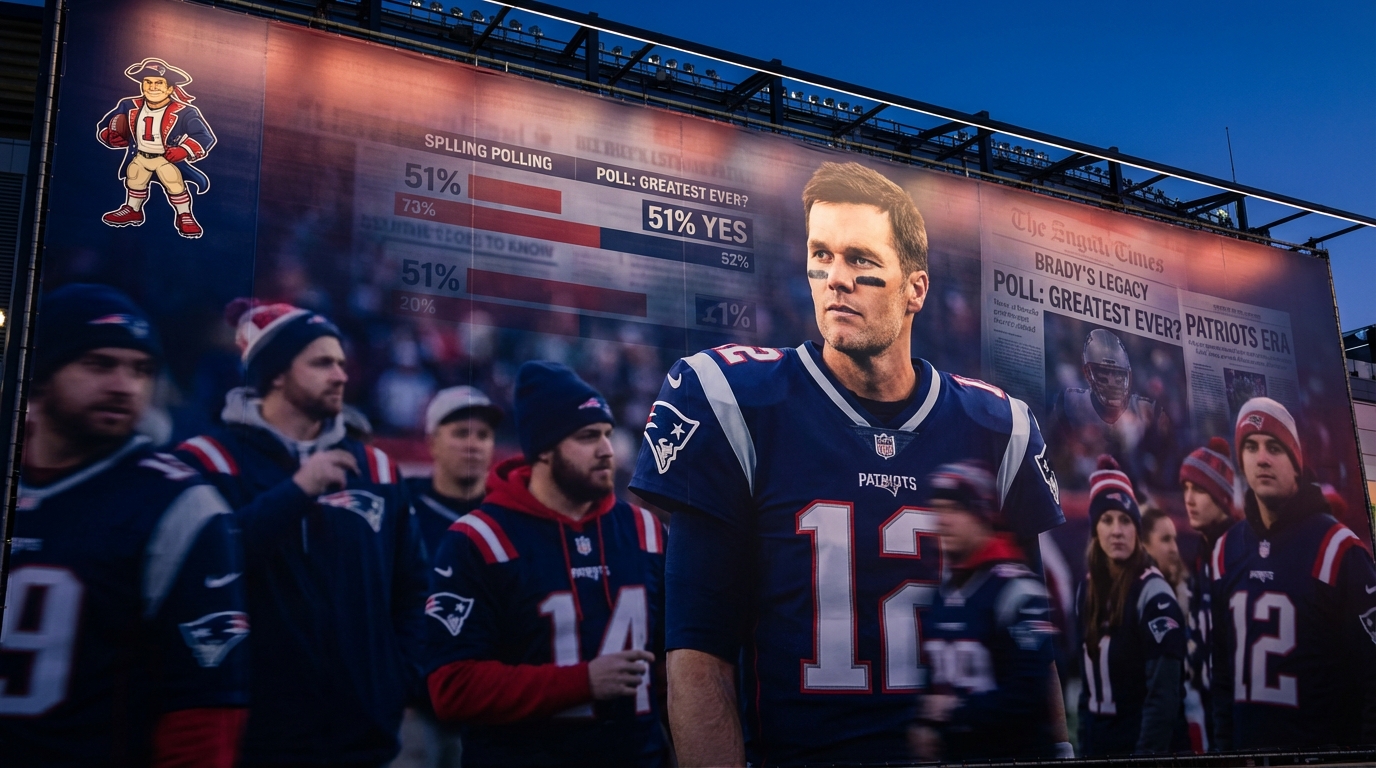
A Boston.com readers poll of nearly 700 respondents reflected that heat. The poll showed three tied reactions: disappointment, understanding, and indifference. Therefore, fan sentiment now sits at a crossroads, because legacy and media roles collide for a figure of Brady’s stature.
Fan sentiment falls into clear types
- Disappointment — Some longtime Patriots supporters felt betrayed, and they wanted warmer words for a club he helped build.
- Understanding — Others accepted Brady’s broadcasting role and argued that neutrality fits a new career phase.
- Indifference — A third group shrugged, and they focused on the current Patriots team rather than past stars.
These reactions matter because writers and opinion pieces then amplify each tone. For example, critics and former teammates have joined the conversation, and the debate shapes whether neutrality reads as professionalism or distance. Also, many fans said this moment will test long term loyalty. For more reaction and a former teammate’s take, see Vince Wilfork calls out Tom Brady.
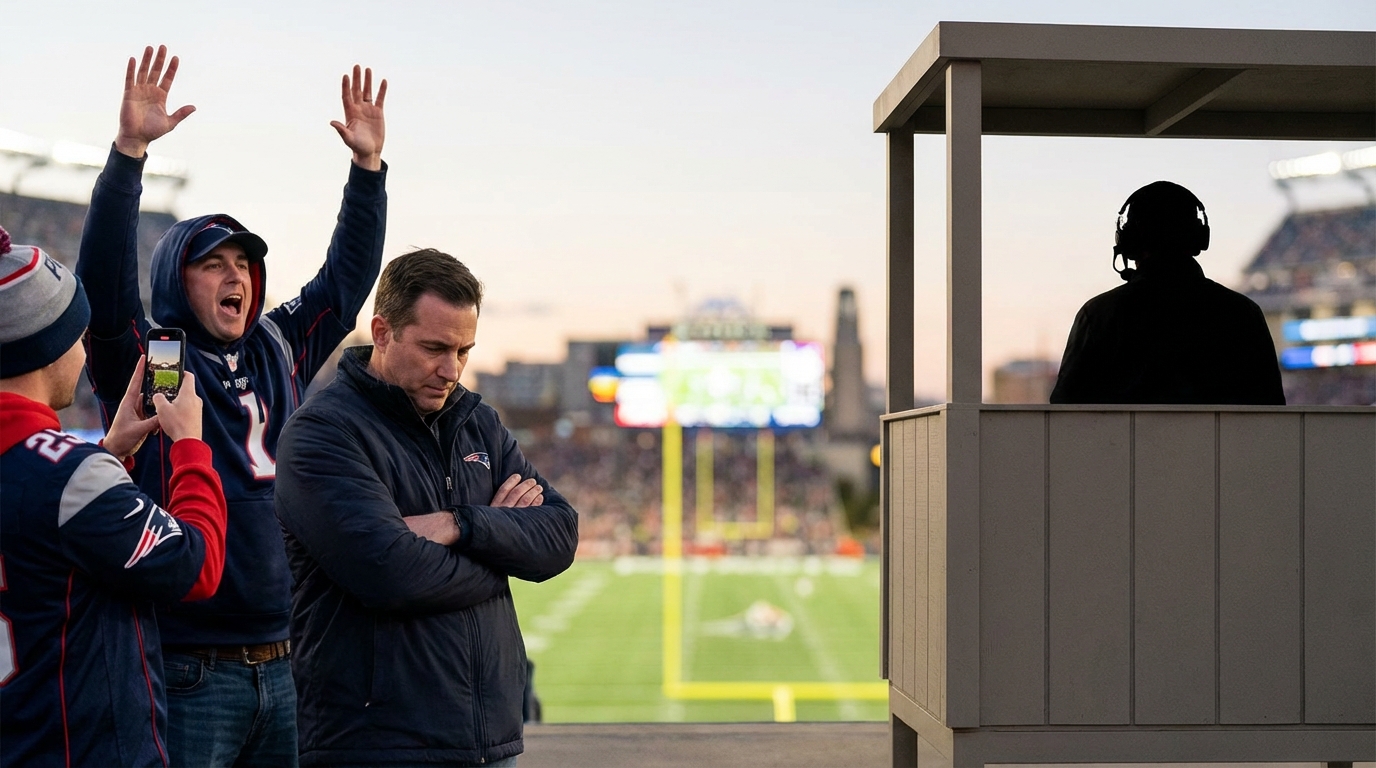
Fan sentiment comparison: Tom Brady neutrality ahead of Super Bowl LX
| Sentiment | Description | Representative quotes | Possible reasons |
|---|---|---|---|
| Disappointment | Longtime Patriots fans who felt betrayed. They expected warmer words for the franchise and its legacy under Mike Vrabel. | “Tom prob should be speaking a little warmer toward the fan base that supports him no matter what for 20+ years.” “His biggest fans are New Englanders. This was a slap in the face to his biggest fans.” | Loyalty expectations, emotional investment, statue and legacy moments, desire for public gratitude |
| Understanding | Fans who accept neutrality as part of Brady’s new broadcasting role. They view objectivity as professional and appropriate. | “Brady is in a new career with broadcasting the games. While always remembering the past, … they become more neutral in their thoughts on teams.” | Career change, journalistic norms, brand-building, respect for both teams |
| Indifference | Supporters who shrugged and focused on the current Patriots roster rather than past stars. They prioritized the present team. | “Doesn’t change the happiness he brought to me for 20 years.” | Desire to move forward, apathy toward off-field comments, focus on team performance |
Tom Brady neutrality ahead of Super Bowl LX
Tom Brady’s neutral line landed with a thud for some fans, and it sparked intense coverage. He said he had “no dog in the fight,” and that short phrase became a hinge for dozens of columns. As a result, writers probed whether a broadcaster’s distance signals professionalism or a break with the past. Many readers then read those pieces through the lens of loyalty and legacy.
How media and opinion pieces shape the debate
Sports media and commentators move fast. Joe Buck and other broadcast figures frame comments for national audiences, and their tone matters because it colors perception. Local writers amplify the emotional response, and former players often add heat. For instance, Vince Wilfork’s reaction added a former teammate’s voice to the mix, which pushed the story into opinion pages and social feeds. Also, podcasters and columnists ask whether neutrality serves brand building or betrays a fan base.
Brady’s transition matters too because it is public and deliberate. “Brady is in a new career with broadcasting the games. While always remembering the past, when they jump into the sportscasting role they become more neutral in their thoughts on teams,” some fans argued. Therefore, neutrality can protect credibility for TV roles. However, it can also unsettle fans who expect public gratitude from a franchise icon.
Media framing then shapes long term legacy. Because the press often foregrounds conflict, neutral remarks can become fuel for narratives. Consequently, the debate over Tom Brady neutrality ahead of Super Bowl LX reveals more about media storytelling than about a single sentence.
Tom Brady neutrality ahead of Super Bowl LX revealed split loyalties and lively media debate. For many fans, a single line—”I don’t have a dog in the fight”—felt like a test of legacy and gratitude. However, other supporters understood the shift to broadcasting and accepted objectivity as professional. As a result, opinion pieces and former teammates amplified each reaction, shaping public memory.
The Boston.com poll of nearly 700 readers showed disappointment, understanding, and indifference tied. Therefore, the moment shows how fan polls and commentary can turn a neutral remark into a larger narrative. Ultimately, neutrality may protect Brady’s brand in broadcasting, but it will also complicate how fans recall his Patriots tenure.
Reflect on this: sports fandom evolves as media roles change. Consequently, fans should weigh both emotion and context when judging icons. This article is published by Patriots Report LLC. Follow on Twitter @ZachGatsby.
Frequently Asked Questions (FAQs)
What exactly did Tom Brady say about the Patriots Seahawks matchup?
On the Let’s Go! podcast Brady said “I don’t have a dog in the fight in this one.” He added, “May the best team win.” This neutral line sparked wide reaction. Many called it the heart of the Tom Brady neutrality ahead of Super Bowl LX debate.
Why did Patriots fans respond so strongly?
Fans reacted because Brady is a franchise icon. The Boston.com readers poll of nearly 700 respondents showed disappointment, understanding, and indifference tied. Therefore, emotion and history shaped responses.
Is a neutral stance normal for broadcasters?
Yes. “Brady is in a new career with broadcasting the games. While always remembering the past, when they jump into the sportscasting role they become more neutral in their thoughts on teams,” many observers noted. As a result, viewers often expect objectivity from TV roles.
Does neutrality damage Brady’s legacy in New England?
It can complicate perceptions, but it does not erase achievements. However, some fans feel stung. Others accept the change and focus on the present Patriots team.
How should fans and media approach this moment?
Consider context and emotion. Also weigh career shifts and brand building. Consequently, measured discussion helps preserve both fandom and fair coverage.