Introduction
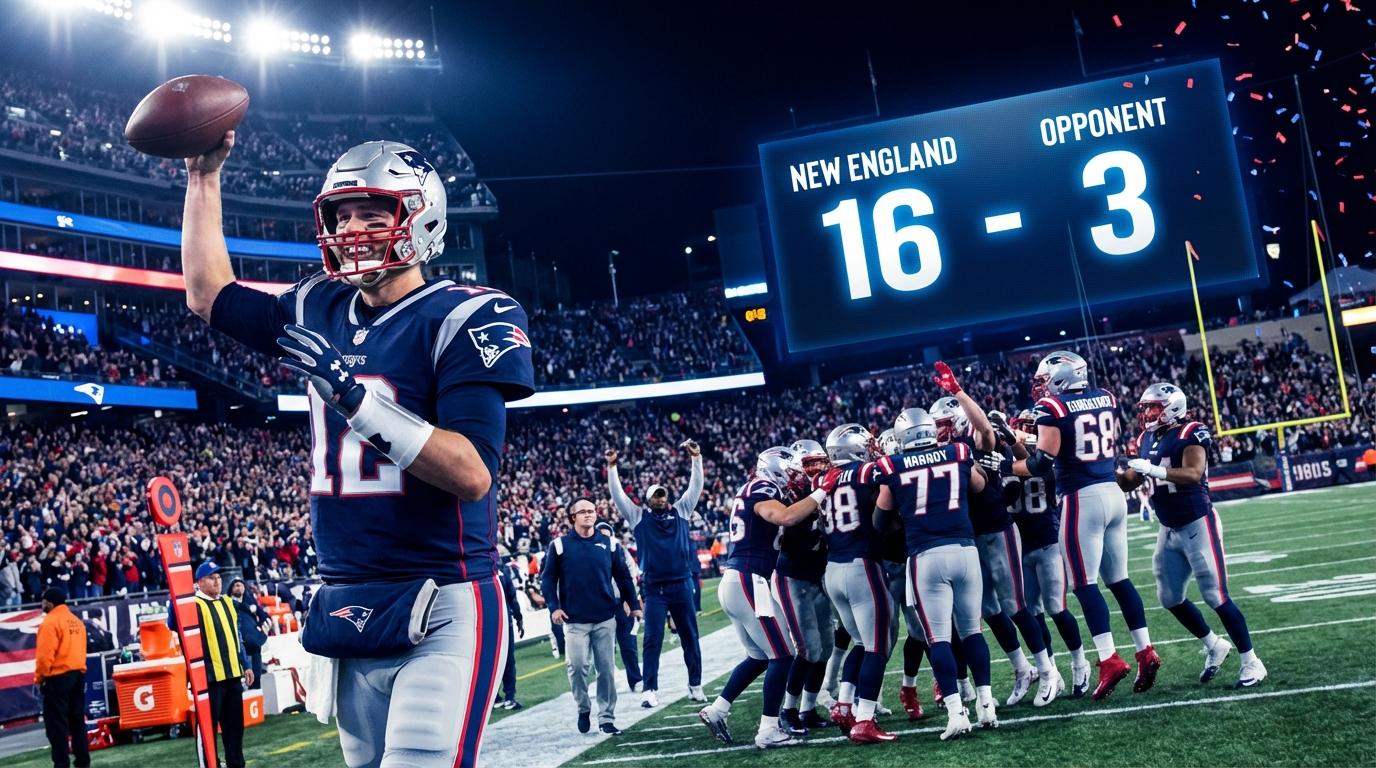
The Patriots 16-3 playoff win over the Chargers rang like a statement across the league. Because New England throttled a high-powered offense, the result felt historic. However, the score does not tell the whole story. This article peels back the box score to reveal who rose and who struggled under playoff pressure.
We will spotlight the game movers and game breakers, including running backs, receivers, and defensive playmakers. As a result, you will see how specific performances shaped the victory. Expect concise player grades, vivid moments, and clear takeaways for fans and analysts alike. The tone stays urgent but fair, because every snap mattered.
Read on for a fast, vivid breakdown of star efforts and surprise contributors. We will examine key plays, coaching calls, and the player performances that turned a tense game into a controlled win. Therefore, this introduction sets the stage for in-depth player evaluations and what the win might mean next for the Patriots.

Defense breakdown: Patriots 16-3 playoff win over the Chargers
New England’s defense turned a potential shootout into a low scoring game. Because the unit played with discipline, the Chargers could not build momentum. Below are the individual standouts and the tactical moves that won this game.
-
Christian Elliss
Elliss prowled the second level and cleaned up runs. He finished with multiple tackles for loss and a key fourth quarter stop. As a result, the Chargers lost yards on drives that mattered.
-
Harold Landry
Landry created constant pressure off the edge. He won one on one matchups and forced hurried throws. Therefore, Justin Herbert could not sit in rhythm.
-
Will Campbell
Campbell controlled the interior and slammed gaps against the run. He collapsed pockets on third down because the defensive calls pushed blockers inward. This gave linebackers clear lanes to make plays.
-
Team pass rush and alignment
The Patriots mixed stunts and disguised blitzes to confuse protection. Moreover, the rotation kept fresh legs on the line and sustained pressure throughout the game. As a result, the Chargers settled for short fields and long third down situations.
-
Tactical note on Derwin James and matchup planning
The Chargers still had playmakers like Derwin James who can change a drive. However, New England used bracket coverage and quick safeties to limit his impact. The strategy forced the Chargers to manufacture yards in small chunks instead of large plays.
In short, the Patriots defense won with discipline, assignment football, and timely pressure. Because each unit executed, New England turned defensive stops into scoring chances and controlled the tempo from start to finish.
Game stat summary: Patriots 16-3 playoff win over the Chargers
| Player | Position | Tackles | Sacks | Interceptions | Rushing Yards | Receptions |
|---|---|---|---|---|---|---|
| Rhamondre Stevenson | RB | 6 | 0 | 0 | 88 | 3 |
| Demario Douglas | WR | 2 | 0 | 0 | 0 | 5 |
| Kayshon Boutte | WR | 1 | 0 | 0 | 0 | 2 |
| Hunter Henry | TE | 3 | 0 | 0 | 0 | 4 |
| Christian Elliss | LB | 8 | 0 | 0 | 0 | 0 |
| Harold Landry | OLB | 3 | 1.5 | 0 | 0 | 0 |
| Will Campbell | DT | 4 | 1 | 0 | 0 | 0 |
| Robert Spillane | LB | 7 | 0 | 0 | 0 | 0 |
Note: These figures summarize key contributions by tackles, sacks, interceptions, rushing yards, and catches. They highlight which players shaped the defensive effort and who moved the chains on offense.
Offense review: Patriots 16-3 playoff win over the Chargers
The offense leaned on a steady ground game and clutch short passing. Because New England controlled the clock, the Chargers had fewer chances to rally. Below are the key offensive performances and the plays that swung momentum.
- Rhamondre Stevenson
Stevenson delivered a workmanlike effort on the ground. He rushed for 88 yards and moved the chains on multiple third downs. As a result, the Patriots sustained drives and chewed clock. For more on how Stevenson’s play could spark a deeper run, see this article.
- Hunter Henry
Henry acted as a security blanket on short and intermediate routes. He finished with four catches and helped convert two critical third downs. Therefore, the tight end’s presence kept defenses honest and opened lanes for the running game.
- Austin Hooper and the tight end room
Hooper played a steady, blocking heavy role while contributing in the passing game. Meanwhile, the group’s physical play on the line of scrimmage created extra space. In addition, their short passes gave the quarterback quick outs under pressure.
- Demario Douglas and Kayshon Boutte
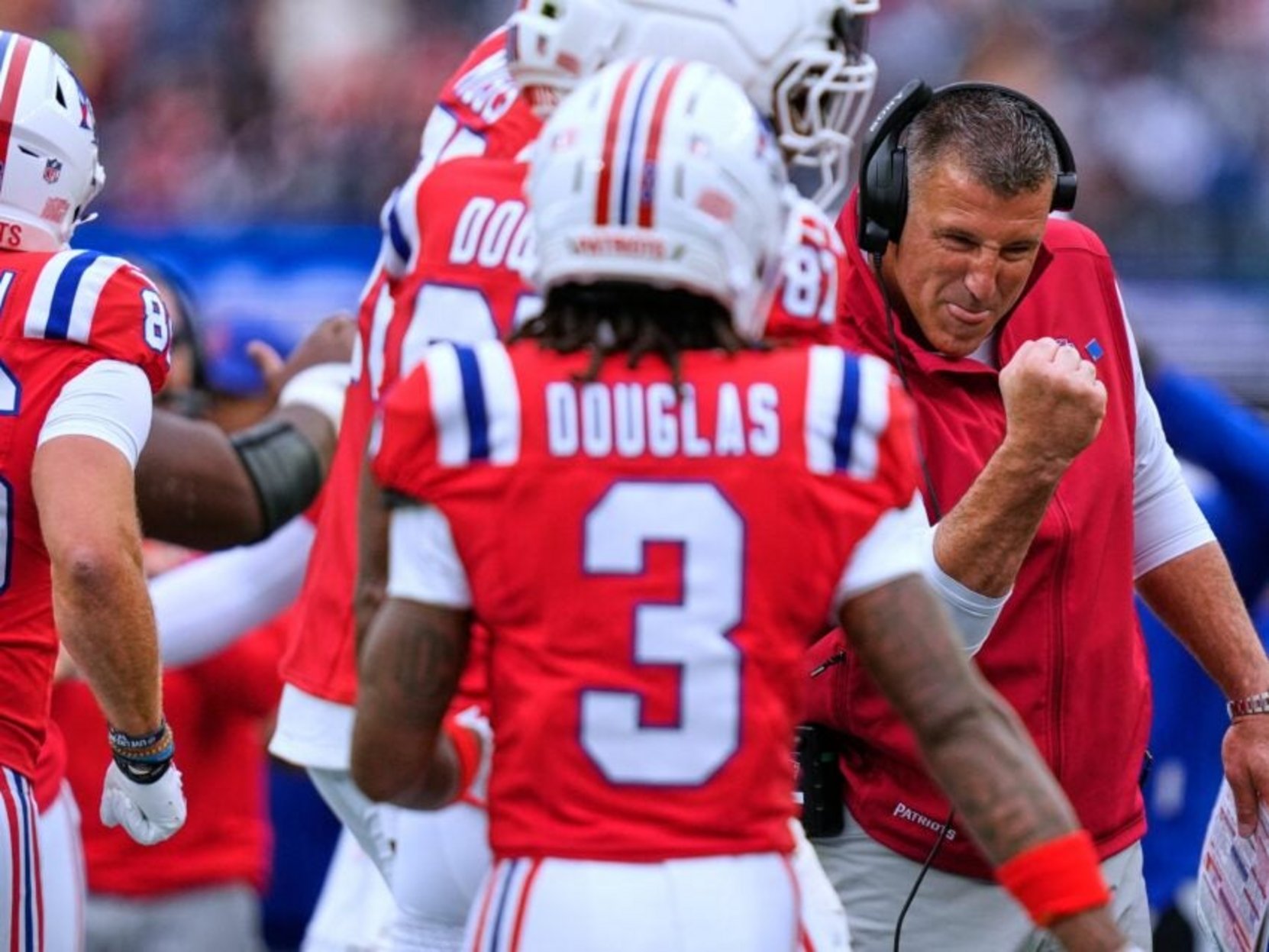
The receivers ran crisp routes and won contested catches when needed. Douglas grabbed five catches and set up a scoring opportunity late in the first half. However, the team avoided risky downfield throws because the pass rush threatened frequently.
- Quarterback play and pass protection
The quarterback managed the game with efficient, conservative decisions. Still, pass protection showed cracks at times. For a deeper look at protection issues and possible fixes, read this analysis because it explains schematic adjustments.
- Situational offense and scoring drive highlights
The lone scoring drive mixed runs and play action to perfection. Specifically, a third down run set up the field goal that proved decisive. Therefore, the offense maximized each chance and played complementary football with the defense.
Looking ahead, the team now turns its focus to the next matchup. For timing and hype around that game, see this link because the event shapes preparation plans.
Conclusion
The Patriots 16-3 playoff win over the Chargers proved that defense and ball control decide playoff games. New England’s defense forced stalled drives, while the offense chewed clock with smart play calling. As a result, Christian Elliss, Harold Landry, Will Campbell, and Rhamondre Stevenson stood out in critical moments.
Because the team executed assignments and trusted its game plan, the Patriots limited big plays. Moreover, Hunter Henry and the tight end group provided reliable targets on third down. Therefore, the win was a true team effort built on discipline and timely execution.
Patriots Report LLC will keep tracking these storylines and player grades. For more analysis and follow up, visit Patriots Report and follow updates on Twitter/X at @ZachGatsby. However, the narrative is far from over, and fans should expect deeper breakdowns and film study in coming days.
Thank you for reading. Stay with Patriots Report for fast postgame notes, clear player grades, and confident coverage you can trust.
Frequently Asked Questions (FAQs)
What was the key to the Patriots 16-3 playoff win over the Chargers?
New England won with defense and ball control. The defense created stops and pressure. Meanwhile, the offense chewed clock with steady runs. As a result, the Chargers had few scoring chances.
Who stood out defensively in this game?
Christian Elliss and Harold Landry led the effort. Elliss cleaned up runs and made key tackles. Landry generated constant edge pressure. Therefore, Justin Herbert rarely found time to settle.
Which offensive players made the biggest impact?
Rhamondre Stevenson paced the ground game. He moved the chains on third down. Hunter Henry provided reliable catches in traffic. In addition, Demario Douglas added quick passing options that helped sustain drives.
Did pass protection hurt the Patriots’ offense?
The line showed some cracks under pressure. However, coaches limited risk with quick throws and run calls. This approach preserved drives and reduced turnovers.
What do the postseason implications look like now?
The win advances New England’s momentum and confidence. Because the defense dominated, the team gains a clear blueprint. Moving forward, film study will show what to refine and what to keep.