Mike Vrabel press conference and Patriots OTAs (May 27, 2026): Early takeaways
Mike Vrabel press conference and Patriots OTAs (May 27, 2026) offered the first serious glimpse into New England’s spring work. In the session, Vrabel stressed development and roster evaluation, and he tempered expectations about full attendance. Because OTAs are voluntary, the team focused on teaching, tempo and situational reps rather than full contact.
Why these OTAs matter
The spring period shapes initial roles for veterans and newcomers. With 44 new players in spring football, the staff must judge technique, fit and coachability quickly. Therefore, even limited reps matter a great deal for depth charts and early chemistry.
What Vrabel emphasized
Vrabel made clear that this is a passing camp with helmets only and tempo work. He and the staff highlighted versatility in linemen and the development of Caleb Lomu. However, he also acknowledged absences and personal choices, which means patience matters.
This introduction sets a cautious but hopeful tone. As a result, fans should expect steady progress rather than instant answers. Stay tuned for deeper analysis in the sections that follow.
Mike Vrabel press conference and Patriots OTAs (May 27, 2026)
OTAs are voluntary, and Mike Vrabel reminded reporters of that fact. He said, “The spring, you guys know, is voluntary. There’s a small mini camp that is mandatory.” Therefore, absences at this stage do not automatically signal trouble. However, missing veterans still shape early impressions and practice reps.
Vrabel also cautioned, “So there won’t be 100% participation or attendance at practice.” As a result, coaches will protect long-term health and focus teaching reps on available players. He added he would not detail everyone’s whereabouts, noting, “I’m not going to get into specifics about everybody’s whereabouts.”
Key impacts by player or position
- Carlton Davis — Veteran cornerback. Impact: Limits veteran coverage reps and leadership in the secondary. Because he mentors younger corners, his absence slows evaluation of depth and communication on zone calls.
- Kayshon Boutte — Slot and depth receiver. Impact: Reduces reps for route timing with quarterbacks. Therefore, younger receivers gain extra snaps, which speeds their learning curve.
- Mack Hollins — Boundary receiver and special teams help. Impact: Fewer contested catch reps and reduced veteran presence on special teams. As a result, opportunities open for younger returners.
- Christian Gonzalez — Top corner with fifth-year option picked up. Impact: Missing practice time hurts on-field chemistry with safeties, although the team still showed confidence in him.
- Gabe Jacas — Interior lineman prospect. Impact: Limits hands-on evaluation in pass rush and run fits; coaching staff must rely on past tape.
- Harold Landry — Edge rusher and veteran leader. Impact: Reduces pass rush install work and leadership in front-seven drills, so younger pass rushers receive more reps.
- Kyle Dixon — Depth linebacker/off-ball role. Impact: Fewer special teams and linebacker group reps; staff will monitor his availability before mandatory mini camp.
In short, these absences matter more for evaluation than for roster destiny. The staff called this a “passing camp” with helmets only, and they will use tempo work to assess fit. Therefore, fans should view these missing names with cautious optimism, because training camp will provide fuller answers.
| Player Name | Participation Status | Position | Notes on Impact or Development |
|---|---|---|---|
| Carlton Davis | Absent | Cornerback | Limits veteran coverage reps and leadership in the secondary. Slows evaluation of zone communication. |
| Kayshon Boutte | Absent | Wide Receiver | Reduces slot and timing reps with quarterbacks. Opens snaps for younger receivers to learn. |
| Mack Hollins | Absent | Wide Receiver | Fewer contested catch drills and special teams reps. Creates opportunity for depth players. |
| Christian Gonzalez | Absent | Cornerback | Fifth year option picked up. Absence limits chemistry work with safeties, though confidence remains high. |
| Gabe Jacas | Absent | Interior Defensive Line | Less hands on evaluation of run fits and pass rush. Coaches rely more on tape. |
| Harold Landry | Absent | Edge Rusher | Reduces veteran pass rush presence and leadership in front seven. Young rushers gain reps. |
| Kyle Dixon | Absent | Linebacker | Fewer special teams and linebacker group reps. Staff will monitor before mandatory mini camp. |
| Caleb Lomu | Expected to play | Offensive Line | Described as coachable and versatile. Competing at right guard and building trust with staff. |
| 44 New Players | Participating | Multiple positions | Large influx for spring football. Staff uses these reps to assess fit and coachability. |
| Demetrius Crownover | Not specified | Defensive Line | Young depth piece to watch in pass rush work and rotational snaps. |
| Behren Morton | Not specified | Quarterback | Development focus in passing camp. Opportunity in early reps and install work. |
| Leonard Taylor | Not specified | Defensive Tackle | Depth evaluation continues. Coaches will track technique in helmet only work. |
| Josh Farmer | Not specified | Running Back | Competing for special teams and depth carries. Early reps help define role. |
| Pop Douglas | Not specified | Offensive Line | Versatility in interior positions is a plus. Coaches will test different tempos. |
| Stefon Diggs | Not specified | Wide Receiver | Veteran route timing and leadership remain important even if status is unclear in early OTAs. |
| Rhamondre Stevenson | Not specified | Running Back | Key part of short yardage and run game plans. Presence matters for scheme timing. |
The Patriots’ Practice Strategies
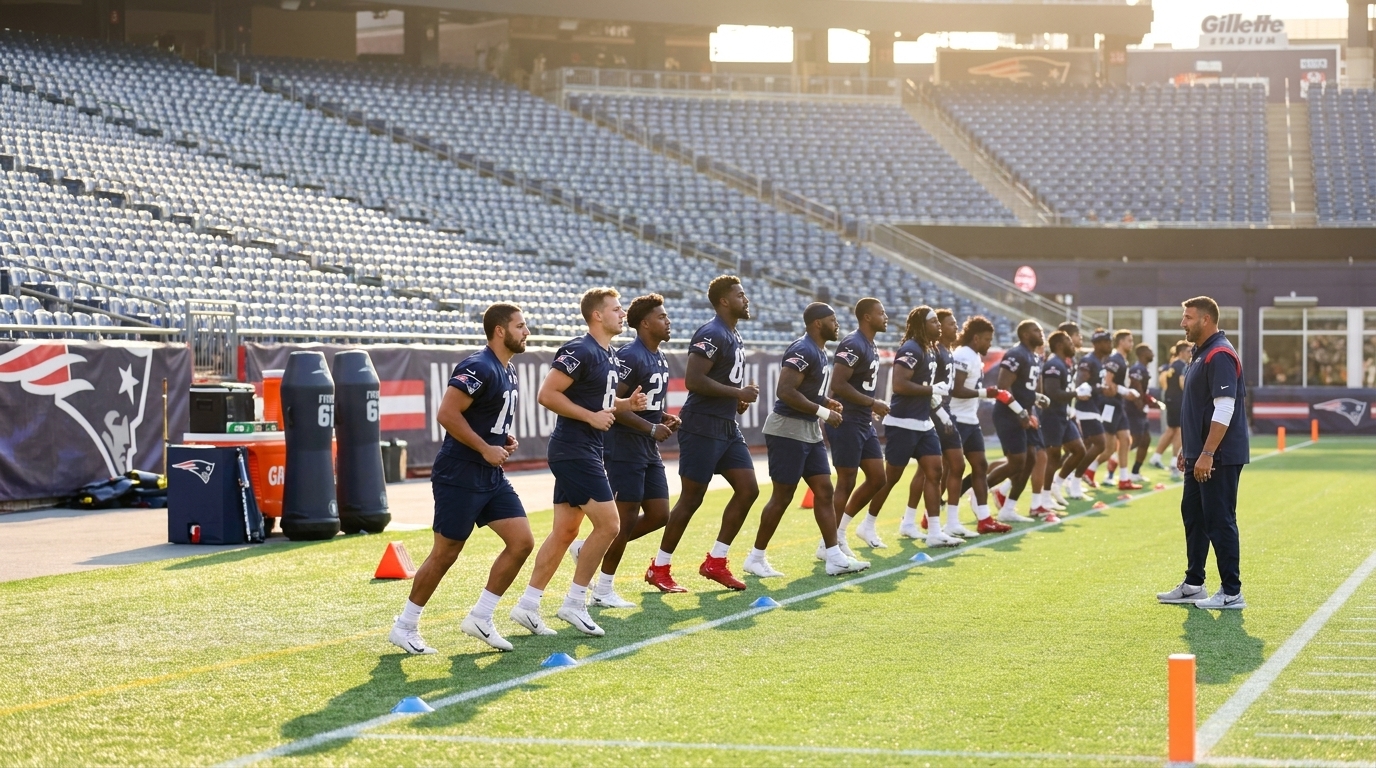
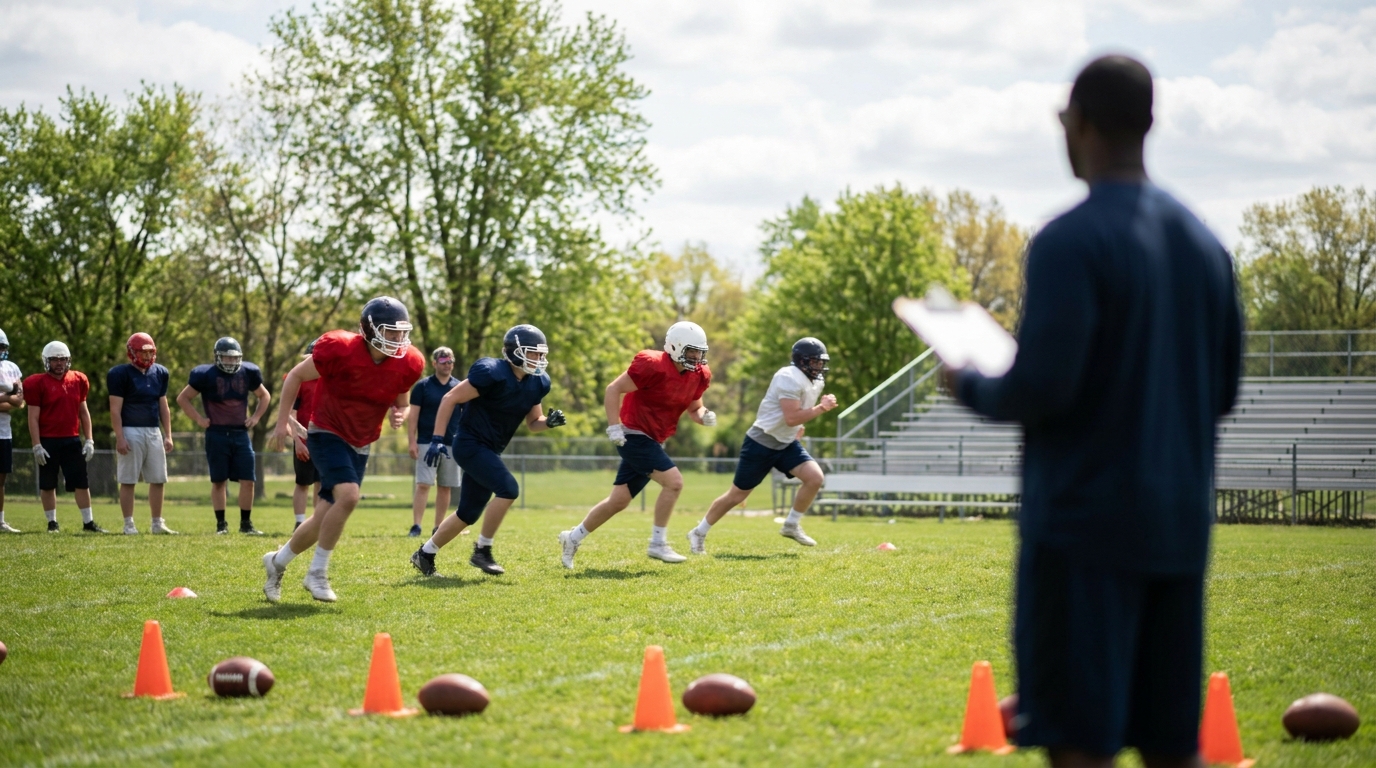
The Patriots are using varied practice tempos to prepare for a complex season. Vrabel called the spring work a clear “passing camp.” Therefore, coaches focus on timing, route installs, and quick decision drills in helmets only. Because OTAs limit contact, the staff can teach without full pads.
Quick Takeaways
- Mix of installation work and high intensity situational reps to simulate game tempo while guarding player health and limiting contact.
- Travel and scheduling hurdles such as the Seattle opener, Munich trip, and short turnaround Thursday games force deliberate recovery planning.
- Helmets only format emphasizes technique, reads, and route timing while giving young players more reps to show coachability.
Vrabel emphasized the need to vary work rates. He said, “We’re going to need to have different tempos of practice throughout the season.” The team will mix high intensity sessions with light jogs for recovery. This approach protects players while it still tests situational readiness.
The helmets only format lets coaches stress technique and reads. Vrabel reminded reporters, “When big dudes run and hit people, you can make an impact on the game.” Early spring work prioritizes installation and evaluation over physical wear, which helps younger players learn faster and preserves veterans for harder contact later.
Schedule Challenges
Schedule challenges force deliberate tempo choices. Key issues include:
- Seattle opener with heat and a tough early test
- Munich games that require travel and recovery planning
- Two short turnaround Thursday games later in the year
- Long breaks of 13 days between some matchups that affect rhythm
Taken together, the plan balances teaching, conditioning and rest. Expect steady progress not instant answers.
Mike Vrabel press conference and Patriots OTAs (May 27, 2026) made the team’s spring priorities clear. Vrabel stressed teaching, tempo and evaluation during a helmets-only, passing camp. Because OTAs are voluntary, notable absences affect evaluation more than roster fate. The staff will rely on reps and tape to judge fit and coachability.
With 44 new players, coaches balance development and depth evaluation each practice. Vrabel said the team will vary tempos through the season to manage workload. Schedule challenges — Seattle opener, Munich games and Thursday turnarounds — complicate planning. Therefore, conditioning, recovery plans and situational reps take on greater importance.
In short, expect steady progress instead of instant answers as preseason unfolds. Patriots Report LLC will follow these threads with detailed practice reports and analysis. Follow ongoing coverage at patriotsreport.com and on Twitter @ZachGatsby for updates. We will break down absences, playing time battles, and depth chart movement. As a result, fans should remain patient but hopeful about the team’s direction.
Frequently Asked Questions (FAQs)
Are OTAs mandatory for Patriots players?
No. OTAs are voluntary, and Vrabel reminded reporters of that fact. However, a small mini camp is mandatory. Therefore, full attendance varies early in spring work.
Do absences at OTAs mean a player will miss the season?
Not usually. Absences often reflect personal decisions or rest. Vrabel said, “So there won’t be 100% participation or attendance at practice.” As a result, coaches use tape and later reps to judge readiness.
What does the influx of 44 new players mean for evaluation?
It speeds competition and testing for roster spots. Coaches can spot coachability and fit quickly. Because there are many newcomers, younger players get more reps and chances.
Why is the spring described as a passing camp with helmets only?
The format emphasizes technique, route timing, and reads. It reduces contact while teaching installs. Therefore, staff protect players while focusing on fundamentals.
How will schedule challenges shape practice tempo and preparation?
The Seattle opener, Munich trip, and Thursday games force careful planning. Vrabel noted the need for different tempos during the season. Consequently, the team will balance high intensity with recovery and situational work.