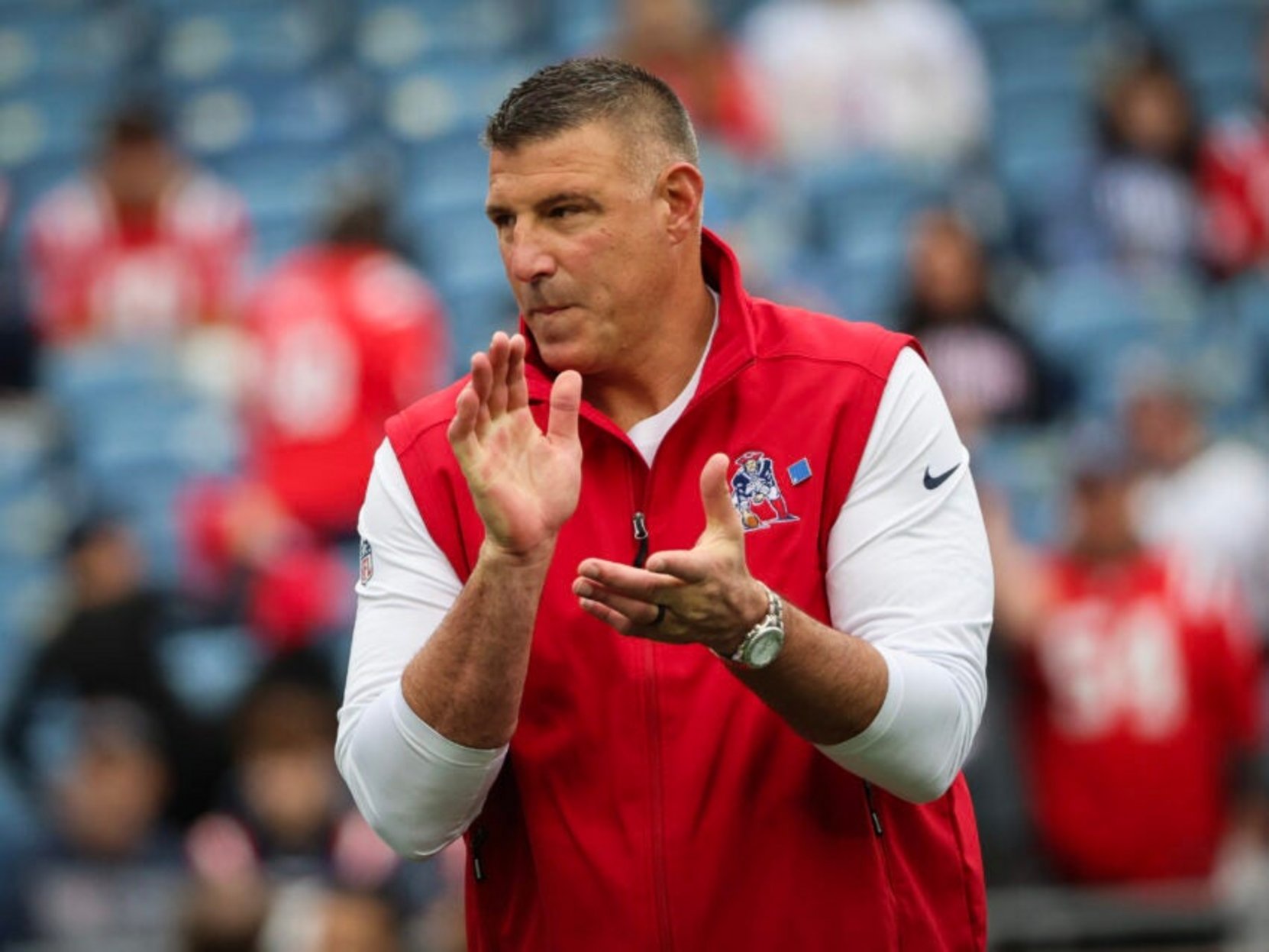
Mike Vrabel’s 2001 Patriots blueprint is built around a simple idea: a team can look very different at the end of a season than it did at the beginning. Before New England’s 45-17 win over the Raiders on Sunday, Oct. 11, 2026, Vrabel shared that perspective with former teammate Tedy Bruschi at Gillette Stadium.
Boston.com reported that Bruschi, now an ESPN analyst, visited Vrabel’s office for an interview before the game. The coach pointed to the 2001 Patriots’ uneven start and later improvement as a model for the 2026 team, which began the season 1-2. He framed the comparison as an aspiration for the current group—not a guarantee that it will repeat the franchise’s championship result.
Mike Vrabel’s 2001 Patriots blueprint centers on growth
Vrabel’s reference was to a season he experienced as a player. The 2001 Patriots started 5-5, then won nine games after Thanksgiving and went on to capture the franchise’s first Super Bowl championship.
“Again, I think that’s the blueprint for where we want to be,” Vrabel told Bruschi, according to Boston.com. “We know that there’s not much history in sports while we’re playing. There’s history when we’re done playing. This is our own journey that we’re trying to create with this football team, but I remind them that team was 5-5 and won nine games after Thanksgiving.”
That distinction is central to Vrabel’s message. He invoked a past team’s ability to improve, while also emphasizing that the current Patriots are creating their own season rather than inheriting the 2001 team’s outcome.
What Vrabel remembers about the 2001 Patriots’ turnaround
The 2001 Patriots did not begin the season as a finished product. Boston.com’s report notes that the team was 5-5 before its late-season run. Vrabel recalled the difference between the group at the start and the one that finished the year.
“How we continued to improve—I will always remember that,” Vrabel said. “We were an improved football team. We were a much different football team at the end of the year than we were at the beginning.”
Bruschi also brought up the adversity the team faced during that season. He said the 2001 Patriots battled back from 0-2 and added, with uncertainty, “I think it was 1-3,” before describing the team as having dug itself out of holes. That recollection should remain qualified: the source presents Bruschi’s early-season record comment as uncertain.
The season’s historical significance is clear: New England ultimately won its first Super Bowl. But Vrabel’s comments focused on the process that preceded that achievement—continued improvement and a team that developed over time—not on treating the title as a repeatable forecast.
How the 2026 Patriots fit the comparison so far
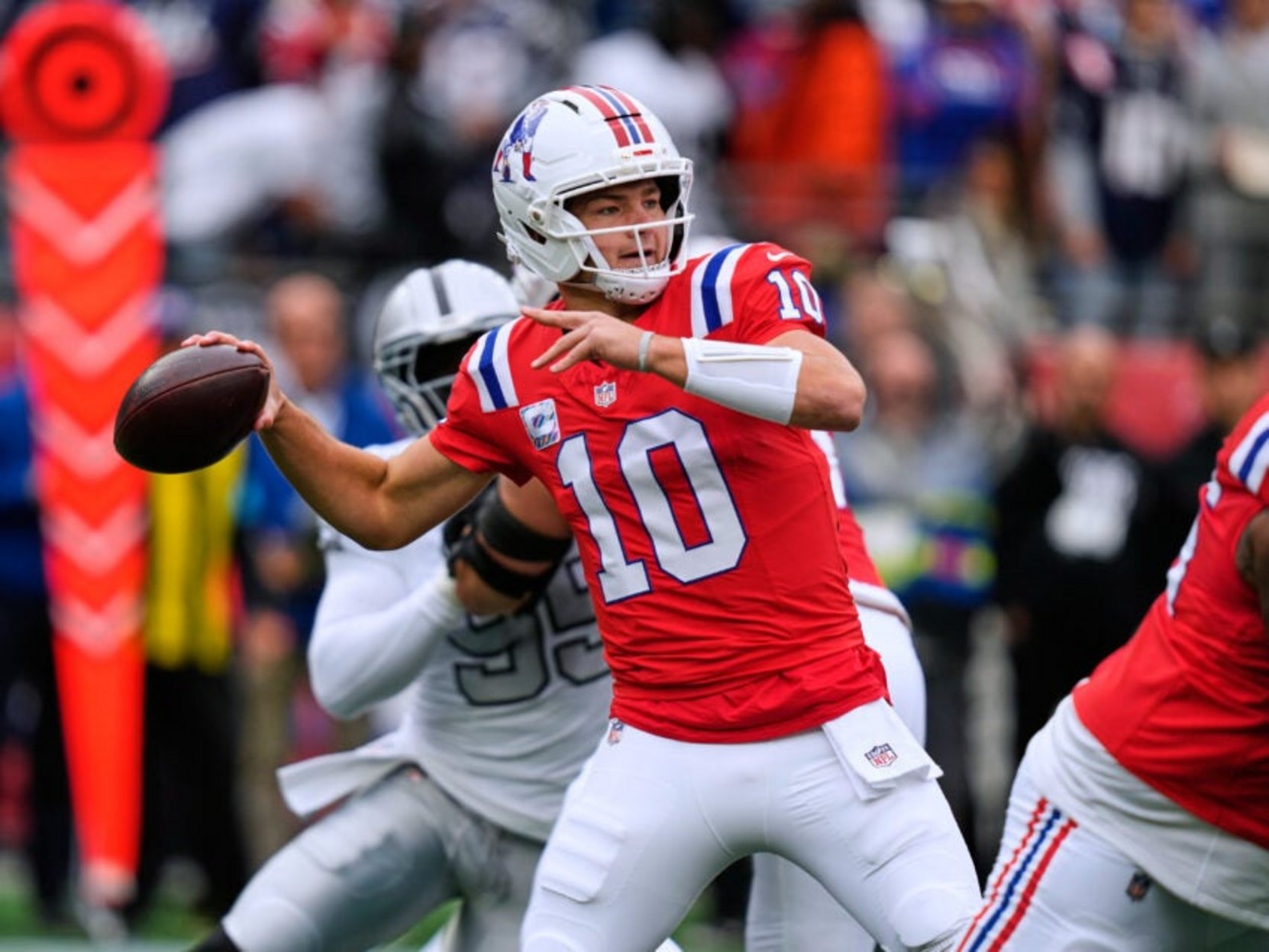
Boston.com reported that the 2026 Patriots opened 1-2 after a blowout loss to Jacksonville. The team then beat the rival Bills and followed with a 45-17 victory over the Raiders, a result that gave the club a strong performance to build on.
That sequence gives Vrabel’s historical reference immediate relevance, but one win cannot establish that the 2026 team is following the same path as the 2001 group. The comparison is about the possibility of progress after a difficult start, not proof of a season-long turnaround.
Vrabel told Bruschi that he wanted players to recognize what they were capable of and take responsibility for getting the team back into the race. “I think it’s a lot of just saying, ‘This is what you’re capable of doing, and that you are the answer,’” he said, according to Boston.com.
He also cautioned against treating a recent result as a solution in itself. “We talked a lot about everyone trying to be the answer and the reason why we were going to get back in the race and that’s got to continue,” Vrabel said. “Last week is not going to help us today. I think we’re excited.”
What the blueprint means—and what it does not promise
Vrabel’s message is an appeal to keep improving, not a declaration that New England is destined to duplicate the 2001 Patriots. That team’s 5-5 start, late-season wins and championship are established history; the 2026 Patriots’ final outcome remains unknown.
“I think that’s the blueprint for what we want to be,” Vrabel said. The point is the standard of development across a season: the team at the end should be better than the team at the beginning. The Raiders win is one result in that effort, not confirmation that the historical comparison will come true.
For Patriots fans, the exchange offers a window into how Vrabel is framing the season after an uneven opening. His reference to his own 2001 experience gives the team a familiar example of growth, while his comments make clear that the 2026 group still has to build its own identity and sustain its progress.
This report is based on Boston.com’s coverage of Mike Vrabel’s interview with Tedy Bruschi.