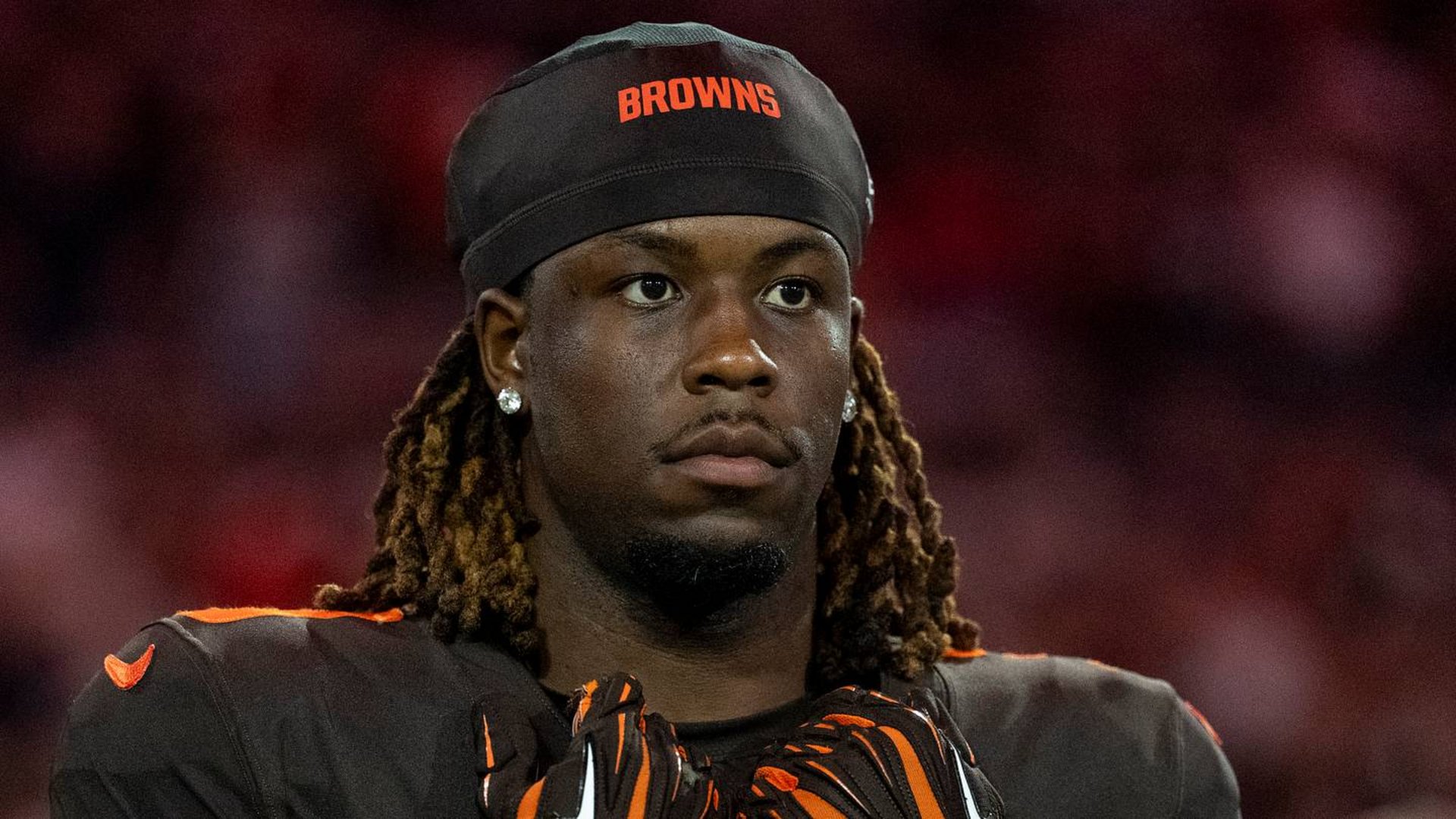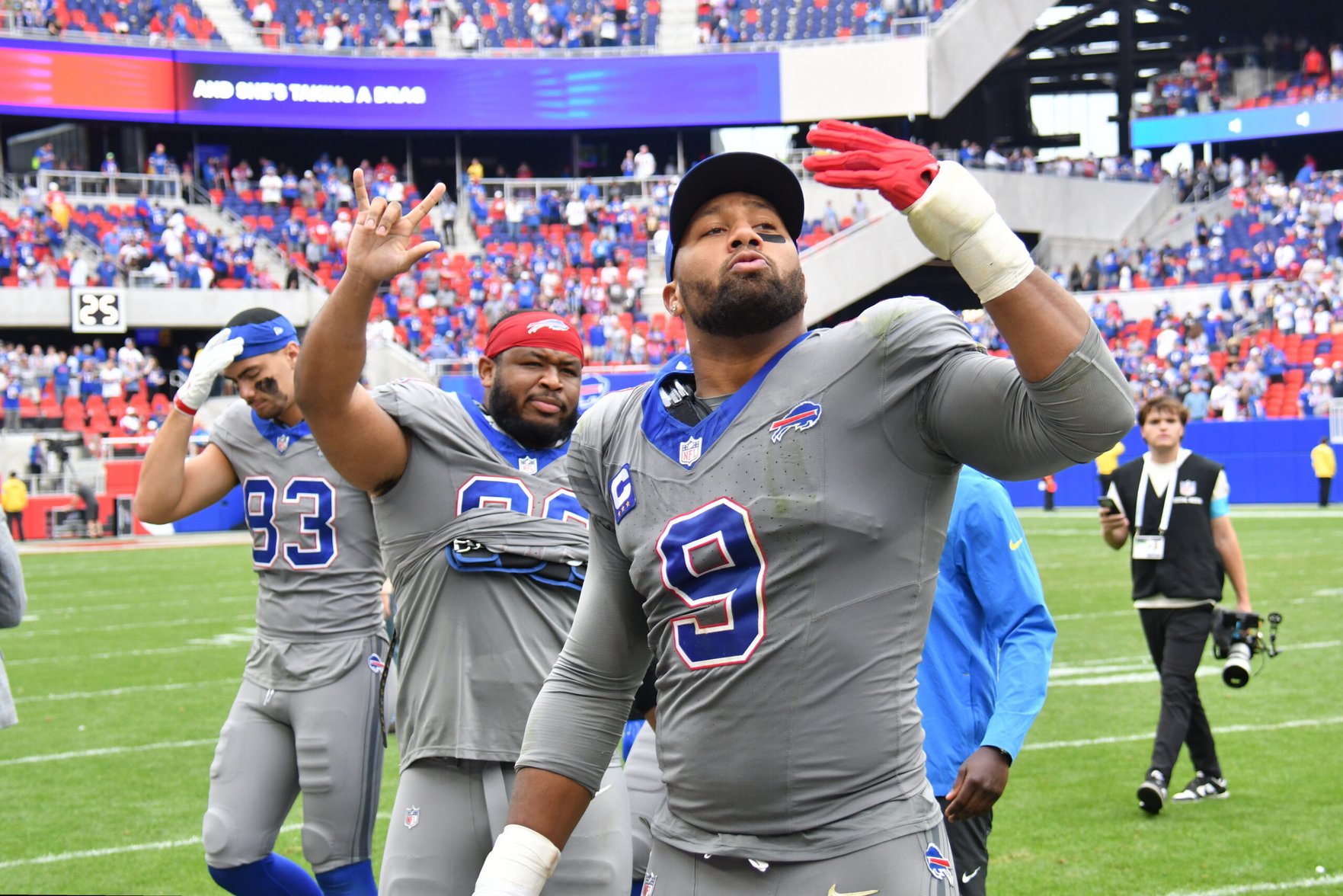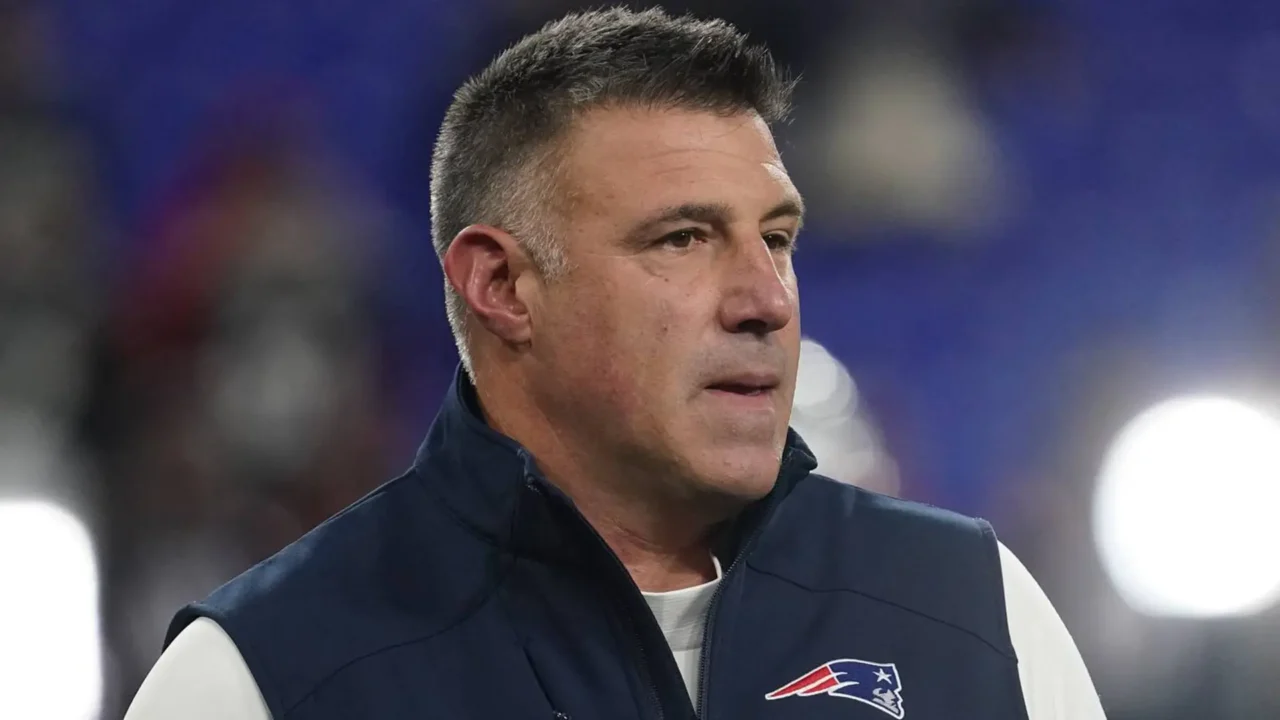
Mike Vrabel initial 2026 roster moves reported by Sara Marshall at Musketfire show a deliberate, youth-first direction for the New England Patriots that could be either a breakthrough or an early-season liability. The early takeaway: Vrabel is prioritizing youth, favoring less-proven players and a recent trade-acquisition over some established camp veterans — a strategy the Musketfire piece frames as high-reward but potentially risky.
Musketfire’s reporting lists several surprise cuts and a notable trade-driven roster spot; those choices matter because the Patriots open the season against the Seahawks and early-season inexperience can be exposed quickly. Below is a compact summary of the confirmed holds and cuts, followed by analysis of positional implications, how this contrasts with the club’s previous construction, and checkpoints to watch before Week 1.
What Mike Vrabel initial 2026 roster looks like
Why Vrabel appears to be prioritizing youth — and the immediate risks
The Musketfire story repeatedly frames the staff’s approach as prioritizing youth, using roster moves that favor developmental upside over veteran continuity. That is visible in the running back room, where a trade-acquired player slides into RB3 ahead of veterans who had more snaps this offseason, and in the defensive backfield where unsigned youth filled multiple slots.
The upside is straightforward: younger players are cheaper, controllable under contract and may fit a coach’s long-term scheme better than stopgap veterans. Young talent can also scale quickly if the staff’s evaluation is correct, creating roster flexibility in future windows.
The immediate risk is equally material. Inexperience can create issues in pass protection, situational football, and late-game decision-making. Against a physical, veteran opponent — or in the chaos of Week 1 — that thin margin for error can translate to blown coverages or missed assignments that cost drives and points. Musketfire warns that early-season struggles would not be surprising under this blueprint.
On the ground game, the decision to list TreVeyon Henderson behind Rhamondre Stevenson and keep Corey Kliner as a trade-backed RB3 without on-field snaps highlights the tension: the staff is choosing potential and scheme fit over proven camp production, a calculated gamble that could pay off or leave them short-handed if injuries occur.
How Vrabel’s roster-building choices differ from the dynasty era
Musketfire characterizes the offseason and initial cuts as a blunt break from the previous era. The language used — that Vrabel effectively “cleared house” of many remaining dynasty-era players — signals an intentional cultural and roster reset rather than an incremental rebuild.
That break matters because previous Patriots teams leaned on long-tenured veterans to provide in-game leadership and act as stabilizers when schemes required quick in-game adjustments. With fewer such figures on the active roster, younger players will have more responsibility earlier in their careers, and coaching staff must replace veteran mentorship with structure and communication.
Strategically, the move suggests Vrabel and his staff prefer to accelerate their imprint on the roster and tolerate short-term growing pains in pursuit of longer-term upside. Musketfire frames this as a conscious philosophical shift rather than a simple personnel turnover.
Timeline: what to watch before Week 1 vs. Seahawks
Musketfire cautions that the initial 53 may not be the group that lines up Week 1. Between now and kickoff, prioritize three checkpoints: injury reports and medical updates that could force changes, potential veteran signings to plug evident holes, and practice-squad promotions or waiver-wire claims that address specific depth issues.
Specifically, monitor the health of the front seven and the secondary on final practice reports; those units are most likely to reveal whether the youth-first approach holds under game-speed stress. Also watch for veteran additions that could arrive as short-term insurance if early practices or preseason tape raise concerns.
Coach messaging will matter for context and expectation-setting. For up-to-date coach comments and roster thinking, see the Mike Vrabel press conference recap and subsequent availability notes.
Bottom line
The Musketfire piece by Sara Marshall presents the Mike Vrabel initial 2026 roster as an explicit bet on youth — a choice that could produce long-term rewards if developmental projections are correct, or produce avoidable early-season losses if inexperience is exposed. Musketfire frames the outcome as speculative, noting the approach “could prove genius or a big mistake.”
Patriots fans should treat this as a transitional moment: on-field results and front-office responses between now and Week 1 will tell whether this roster posture is the start of a new sustainable identity or a plan that requires midseason veteran reinforcement. For the reporting that informed this analysis, see the Musketfire story by Sara Marshall: Mike Vrabel sends a can’t-miss message with Patriots’ initial 2026 roster (Musketfire).
Source: Musketfire (Sara Marshall).