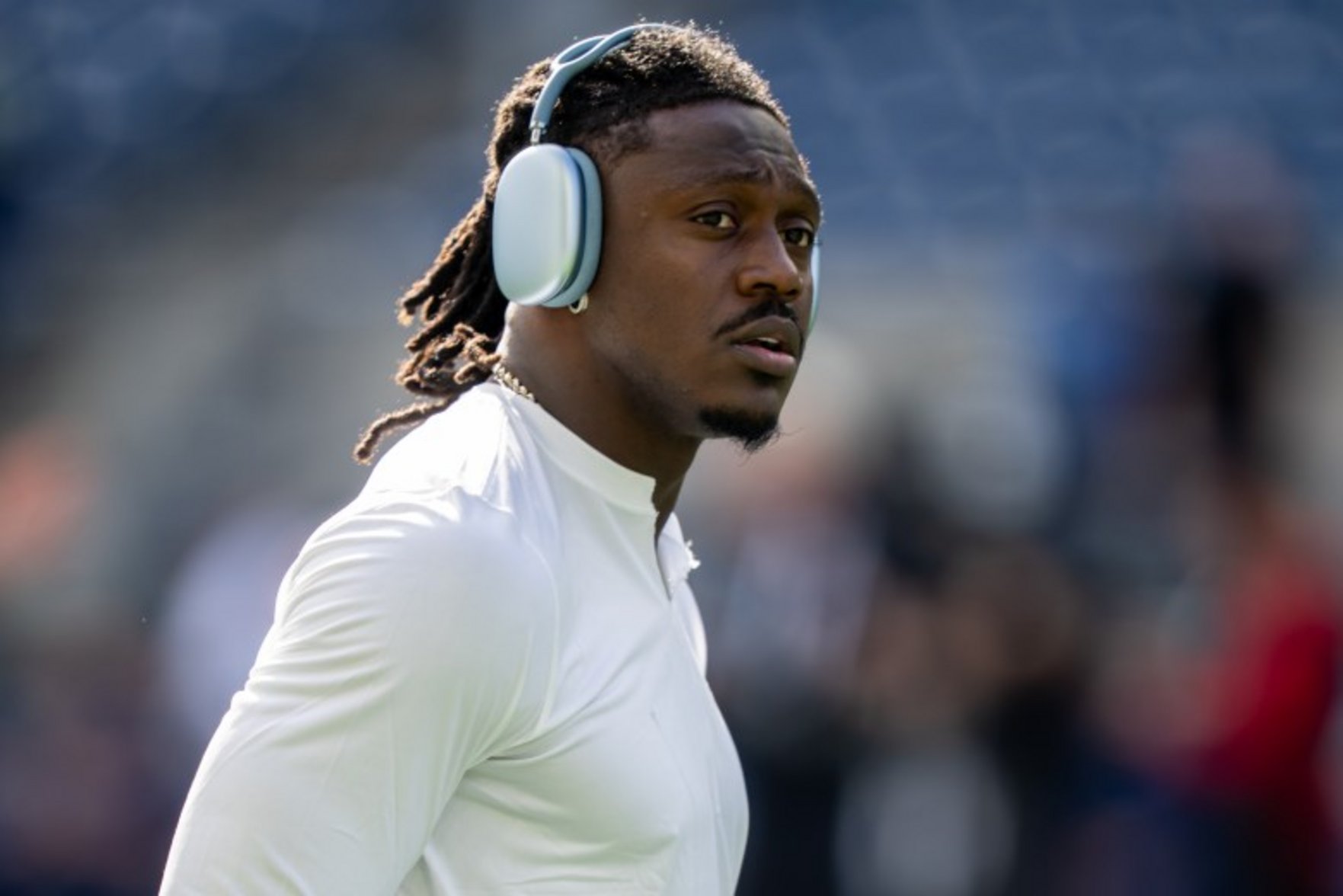
Marcus Jones flip the page AFC Championship is the mantra he shared after the Divisional Round win. He spoke with calm confidence, because the team left everything on the field. Jones had two passes defended and an interception returned for a touchdown to seal momentum. The Patriots beat the Texans 28-16 at Gillette Stadium, and fans felt renewed hope. Head coach Mike Vrabel praised the group’s focus, however he stressed they remain unsatisfied.
Therefore, Jones’ mindset matters more than one big play this season. As a result, his flip the page attitude inspires teammates and shortens the spotlight. They play for each other, and their identity grows with every challenge they meet. Fans should feel optimistic because the defense plays with swagger and disciplined technique.
Next stop is Denver, and Jones proves he will stay locked on the next assignment. In short, expect a confident, motivated Patriots group that believes in its process. Now, the page turns again with purpose and belief fueling their AFC Championship run.
Marcus Jones flip the page AFC Championship
Marcus Jones turned a big moment into a statement after the Divisional Round win. He defended two passes and returned an interception for a touchdown, and that play swung momentum. After the game he said he wants to flip the page, and he meant it. His words showed calm focus, because he knows one win does not define the season.
Jones plays with a short memory and high standards. He celebrated the pick six, however he refused to dwell on it. Instead he stressed preparation and process, and that mindset helps the Patriots stay resilient. As a result, his teammates feed off that confidence. The cornerback’s blend of speed and technique creates matchup problems, and his play in the secondary complements Christian Gonzalez and Carlton Davis.
More importantly, Jones anchors a defense that believes in shared identity. Coach Mike Vrabel echoed that sentiment, and the unit responds. Therefore the interception mattered beyond six points. It boosted belief, it sharpened urgency, and it reminded the team how turnovers change games. Going into the AFC Championship in Denver, Jones remains even keeled and locked in. He will focus on the next task, because he knows the best teams reset quickly.
In short, Marcus Jones flip the page AFC Championship is not just a quote. It is a philosophy that combines confidence, accountability, and team first effort. If the Patriots carry that attitude, they will force more turnovers and keep winning together.

Marcus Jones leaping to intercept a pass during the Divisional Round at Gillette Stadium, ball in mid-air.
Patriots identity and 2001 parallels
Mike Vrabel has framed this roster around effort, accountability, and competitive toughness. “Everybody’s making plays. Everybody’s helping us win,” he said, and that belief shows on tape. However, Vrabel also noted the group is not satisfied, and that hunger fuels every practice and snap. As a result, the team plays with a short memory and a singular focus on the next play.
Fans and analysts have drawn natural parallels to the 2001 secondary led by Ty Law and Otis Smith. Back then, the Patriots won with physical cornerbacks, opportunistic turnovers, and deep buy in. Today’s unit echoes those traits. Christian Gonzalez and Carlton Davis provide physical coverage, while Marcus Jones adds speed and playmaking ability.
More importantly, the front seven and linebackers set the tone. Robert Spillane, Anfernee Jennings, and Christian Elliss tackle with purpose, and Harold Landry pressures quarterbacks consistently. Therefore the defense functions as a collective unit rather than a collection of stars. That shared identity forces opponents into mistakes and shortens drives.
“A lot of people would be like, ‘Well, what about the identity?’” a player said, and the answer was clear. “We all have the same common goal when it comes down to the end of the day.” In short, the Patriots defend with discipline and a team first mentality. Going to Denver, that mindset could decide the AFC Championship outcome, because cohesive defenses win tight playoff games.
| Aspect | 2001 Patriots (Ty Law, Otis Smith, Tedy Bruschi, Roman Phifer) | Current Patriots (Christian Gonzalez, Carlton Davis, Marcus Jones, Robert Spillane, Anfernee Jennings, Christian Elliss, Harold Landry) |
|---|---|---|
| Core players | Veteran corners and instinctive linebackers. Law and Smith led the back end. | Young, fast corners and versatile linebackers. Gonzalez, Davis, and Jones anchor the group. |
| Primary traits | Physical press coverage, disciplined tackling, situational savvy. | Speed, aggressive coverage, team first effort, and discipline. |
| Turnover profile | Opportunistic takeaways that changed playoff games. | Forcing turnovers and creating splash plays, including Jones’ pick six. |
| Coverage style | Man and press with zone mixes to confuse quarterbacks. | Press, tight coverage, and reaction speed to the ball. |
| Run defense and tackling | Sound angles, gang tackling, and linebackers who finish. | Hard hitting linebackers and safeties who wrap up with purpose. |
| Pass rush and pressure | Built on discipline and timely blitzes rather than constant edge rushers. | More designed pressures, and Landry adds consistent edge heat. |
| Leadership and identity | Quiet steely leadership and buy in from veterans. | Coach Vrabel’s emphasis on accountability and the team’s hungry mindset. |
| Playoff impact | Turnovers and discipline carried them through close postseason games. | Collective defense and short memory help in hostile environments like Denver. |
This table supports the narrative that the current Patriots mirror many 2001 traits. Therefore their identity feels familiar to long time fans.
Marcus Jones carried the game’s momentum with two passes defended and an interception returned for a touchdown. After the win, he summed up the mindset simply: “we love to flip the page.” His short memory and focus keep the team grounded, and that humility matters in the playoffs.
Coach Mike Vrabel has hammered home accountability, and the roster answers with consistent effort. Players like Christian Gonzalez, Carlton Davis, Robert Spillane, Anfernee Jennings, Christian Elliss, and Harold Landry embrace that identity. Fans see echoes of 2001’s physical secondary, however today’s group pairs that toughness with modern speed.
Therefore flipping the page is both a slogan and a plan for success. As a result, the Patriots enter Denver with confidence and a process-driven approach. For reliable coverage and Patriots perspective, visit Patriots Report LLC and follow X at @ZachGatsby. Stay optimistic, because this team believes in the next play and in each other.
Frequently Asked Questions
What impact did Marcus Jones have in the Divisional Round?
Marcus Jones made a pivotal impact with two defended passes and a game-changing interception returned for a touchdown, sealing the Patriots’ 28-16 win over the Texans. His speed and ball skills highlighted the opportunistic nature of their defense.
What does the phrase Marcus Jones flip the page AFC Championship mean?
“Flip the page” signifies quickly moving past wins or losses to focus on the next game. It embodies a mindset of resilience, essential for playoff success.
How does Jones’ mindset affect the Patriots’ team identity?
Jones fosters a culture of accountability and team-first mentality, inspiring teammates to follow suit. His approach enhances the Patriots’ cohesive and disciplined identity.
Are there real parallels to the 2001 Patriots defense?
Absolutely, echoes of Ty Law and Otis Smith’s era manifest in the current unit’s physical play and disciplined turnovers, though today’s team benefits from enhanced speed.
What should fans watch for in the AFC Championship in Denver?
Key elements include timely interceptions, robust coverage, and effective pressure from Harold Landry. If executed well, these strategies will boost their momentum under challenging conditions.
In practice, what does ‘flip the page’ mean for the Patriots?
Practically, “flip the page” means emphasizing preparation for the next opponent without dwelling on past outcomes, allowing for consistent improvement and maintaining focus.