Drake Maye vs Cover 6 defense: How coverage schemes could shape Super Bowl LX
Drake Maye vs Cover 6 defense is the matchup that could tilt Super Bowl LX. Coverage schemes define passing lanes and read progression. Therefore, they directly affect Maye’s decision making and completion percentage. Analysts noted his 72 percent regular season completion rate fell sharply in the playoffs. In addition, Cover Six conceals two deep safeties and a quarter quarter half structure that pressures timing. Because of that, Maye faces more check downs and rerouted routes than usual.
This analysis breaks down how teams can use Cover Six to limit his strengths. We will examine film patterns, passer efficiency, and rushing options that Maye can use to counter it. Meanwhile, we will assess Seattle and New England tendencies for Super Bowl planning. As a result, readers should get a clear tactical map of where Maye thrives and where he struggles. The goal is cautious, tactical insight that frames the stakes for the big game.
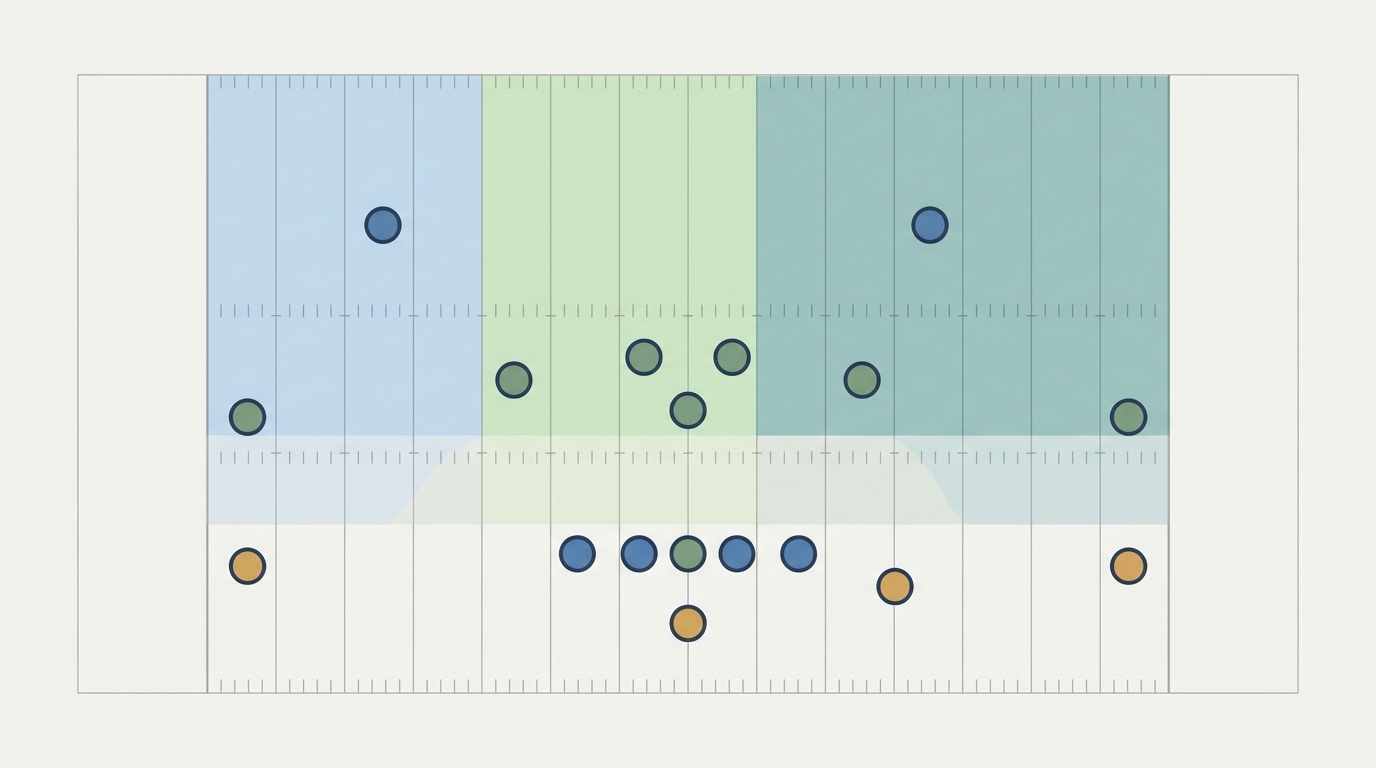
Drake Maye vs Cover 6 defense: How and why he struggles
Drake Maye vs Cover 6 defense shows clear trouble spots for the young quarterback. Because Cover 6 divides the deep field with two safeties and quarter quarter half zones, it forces quarterbacks to read layered coverage. Analysts flagged a sharp efficiency drop. Maye’s completion percentage fell from 72 percent in the regular season to 55.8 percent in the playoffs, which underscores the impact of tougher zone looks.
Greg Bedard cited film study and named Cover 6 as a specific problem, noting Maye tends to “pitter patter” with his feet and hold the ball longer, which hurts timing against mixed zones. For more on that breakdown see this analysis.
Real game examples reinforce the trend. The Buffalo Bills deployed Cover 6 on roughly half their snaps in Week 15, and that game forced Maye into more check downs and designed runs; the Bills usage and game context are detailed here. Meanwhile, Maye relied on his legs to offset coverage, including 43 rushing yards and two rushing touchdowns on four carries in that matchup.
Key tactical pain points
- Timing windows shrink because two deep defenders remove single-high safeties.
- Crossers and intermediate dig routes meet rotated underneath zones and linebackers.
- Late route reroutes and bunch motion disguise post and seam reads.
- Pressure compounds reads because Maye holds the ball and loses rhythm.
Seattle’s defense uses Cover 6 frequently, which matters for Super Bowl planning. See the team context at this resource. As a result, game planning must attack the middle and force single coverage. Therefore Maye’s ability to process mixed zones will decide whether Cover 6 becomes a decisive edge.
| Coverage Scheme | Completion Percentage (Observed) | Passer Rating (Observed) | Rushing Yards (Observed) | Notable facts and context |
|---|---|---|---|---|
| Cover 6 (quarter quarter half) | Noted drop versus season norm; playoffs completion fell to 55.8 percent from a 72 percent regular season baseline | Specific per-coverage passer rating not publicly broken out; film shows lower efficiency in mixed-zone looks | Week 15 example: Maye rushed 43 yards and scored two rushing touchdowns on four carries; team rushing total surged that game | Bills used Cover 6 on about 50 percent of snaps in Week 15, up from roughly 12 percent earlier in the season; Greg Bedard called Cover 6 a clear problem for Maye |
| Vic Fangio style mixed zone | Varied; mixed zones compress intermediate windows and often lower completion rates compared with single-high looks | No exact per-scheme passer rating available; film and scouting notes show tighter windows and more contested throws | Maye used designed runs and check downs more often versus heavy mixed-zone looks in the postseason | Described as quarter quarter half variants with two deep safeties; pressure and weather amplified issues in playoff games, including Denver blizzard |
| Man coverage and press | Generally closer to Maye’s regular-season numbers when he sees clear single-high reads; season average completion 72 percent | Passer rating trends upward with quick reads and rhythm; per-scheme splits not published here | Less reliance on designed quarterback runs versus man coverage | Patriots faced top-five defenses such as Chargers, Texans and Broncos in the playoffs; those matchups tested Maye’s timing and release |
| Single-high zone (Cover 1/2 shells) | Tends to yield better timing windows and higher completion against quick-route concepts | Passer rating typically improves when reads stay clean and pocket time short | Rushing yards often lower because reads favor passing; scramble opportunities still present | Attacking the middle and creating single coverage reduces Cover 6’s effectiveness |
Notes
- Data limitations: exact per-coverage completion and passer rating splits are seldom publicly released. Therefore, this table combines verified facts, observable film trends, and contextual game stats.
- Related keywords and themes include Drake Maye, Cover 6, quarter-quarter-half, Bills Week 15, passer efficiency, completion percentage, rushing yards, and playoff environment.
Drake Maye vs Cover 6 defense: Seahawks defense tendencies and Fangio influence
Seattle’s defense runs Cover 6 often, which matters for Maye’s reads. Because they split the deep field with two safeties, intermediate timing windows tighten. Vic Fangio style principles mean mixed zones and pattern-reading linebackers. As a result, receivers find fewer clean seams than against single-high shells. Seattle also disguises rotations with late movement, so Maye must trust pre snap clues and quick progression.
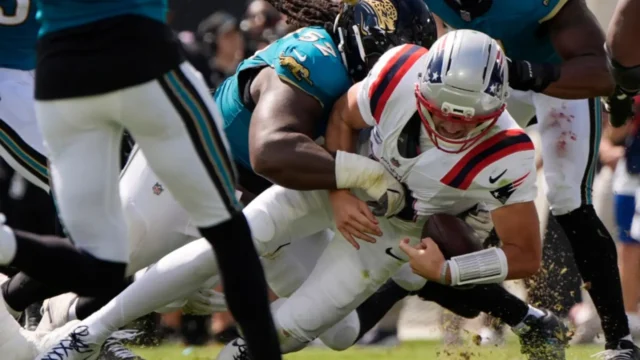
Line play and pressure shape how effective Cover 6 becomes. When rushers win quickly, Maye holds the ball and throws into traffic. Therefore, pass rush frequency and alignment force him into shorter throws and check downs. Meanwhile, Seahawks personnel excel at disguising single high versus quarter half looks. Consequently, their tendency to mix man and zone can mask coverage until the ball is snapped.
Drake Maye vs Cover 6 defense: Pats vs Seattle Super Bowl tactical plan
New England should attack the middle and create single coverage windows. For example, heavy bunch formations and late motion can stress the quarter quarter half balance. Short quick passing concepts will punish rotated linebackers and create yards after catch. In addition, designed quarterback runs and RPOs can exploit the two deep safeties and open seams.
Maye’s decision speed becomes a decisive factor. If he processes layered coverage quicker, he regains passer efficiency. However, if he delays and pitter patters in the pocket, Cover 6 will funnel him to check downs. Therefore, game plans must prioritize clocked releases, tempo, and schematic mismatches.
Tactical checklist for Super Bowl LX
- Force single-high looks with motion and personnel groupings.
- Use quick game and inside breaking routes to attack the middle.
- Leverage quarterback runs and read-option counters to pull linebackers.
- Practice snap-to-release timing against mixed-rotation drills.
If Maye executes these adjustments, Cover 6 loses its sting. Otherwise, Seattle’s coverage scheme could decide the championship.
Conclusion: Drake Maye vs Cover 6 defense — why it matters
Drake Maye vs Cover 6 defense has emerged as a pivotal matchup for Super Bowl LX. Maye’s completion rate fell from 72 percent in the regular season to 55.8 percent in the playoffs. Bills Week 15 proved instructive, as Buffalo used Cover 6 on roughly 50 percent of snaps. Greg Bedard and film study flagged Maye’s timing and pocket tendencies as issues against mixed zones.
Tactically, Seattle’s frequent use of Cover 6 and Fangio style rotations force quicker reads. Therefore, New England must create single-high windows with motion and personnel. Quick passes, inside breaks, and designed quarterback runs will help. However, if Maye delays, Cover 6 can funnel drives to check downs and shorter gains.
In sum, Cover 6 could decide the game. For ongoing coverage and deeper film breakdowns, follow Patriots Report LLC. Visit here and Twitter for updates.
FAQ: Drake Maye vs Cover 6 defense
What is Cover 6 defense?
Cover 6 splits the deep field with two safeties. It combines quarter quarter half zones. As a result, defenders mix zone responsibilities and hide coverage until the snap. This tactic compresses intermediate windows and forces layered reads.
Why does Cover 6 challenge Drake Maye?
Maye struggles when timing windows tighten. Greg Bedard noted his tendency to hold the ball longer. Therefore, mixed zones and rotated underneath coverage disrupt his rhythm. In addition, pressure amplifies the problem and leads to more check downs.
How did Bills Week 15 show this matchup in practice?
The Bills used Cover 6 on about half their snaps in Week 15. Consequently, Maye threw into tighter windows and relied more on designed runs. He ran for 43 yards and scored two rushing touchdowns on four carries. The game highlighted how Cover 6 can force shorter passing plays.
How could Cover 6 affect Super Bowl performance?
Seattle uses Cover 6 frequently, which raises stakes for the championship. If Maye processes coverage slowly, completion percentage will drop. However, quick reads and tempo can blunt the defense. Ultimately, decision speed will determine the impact.
What tactics can limit Cover 6’s effectiveness?
Use motion and bunch formations to create single-high looks. Run quick inside-breaking routes and RPOs to attack the middle. Also, mix designed quarterback runs to pull linebackers. These adjustments should restore timing and passer efficiency.