A.J. Brown trade buzz has morphed into a steady drumbeat of speculation across NFL circles, and locker-room takes are only stoking the flames. Insider whispers, radio takes, and former players’ locker-room comments fuel the rumor stream. Former Patriot Jason McCourty added fuel recently, suggesting the move feels inevitable. Because the Eagles can push Brown’s cap hit past June first, the timing seems deliberate. Therefore, teams and fans alike are parsing every signal and quote for hints. As a result, the chatter carries potential consequences for both New England and Philadelphia.
New England would gain a proven top-tier receiver for Drake Maye to target. Meanwhile, the Eagles could free cap space and retool around new personnel. However, the story remains rooted in rumor until a formal trade appears. Still, the locker-room takes and former champ hot takes have shifted the narrative.
Brown posted 78 receptions, seven touchdowns, and 1,003 receiving yards last season. Because of that production, his arrival would instantly alter New England’s passing game. However, motive and logistics still matter to any final deal’s shape. Read on for the inside perspective, timeline, and what this means for both clubs.

A.J. Brown trade buzz: 2025 performance snapshot
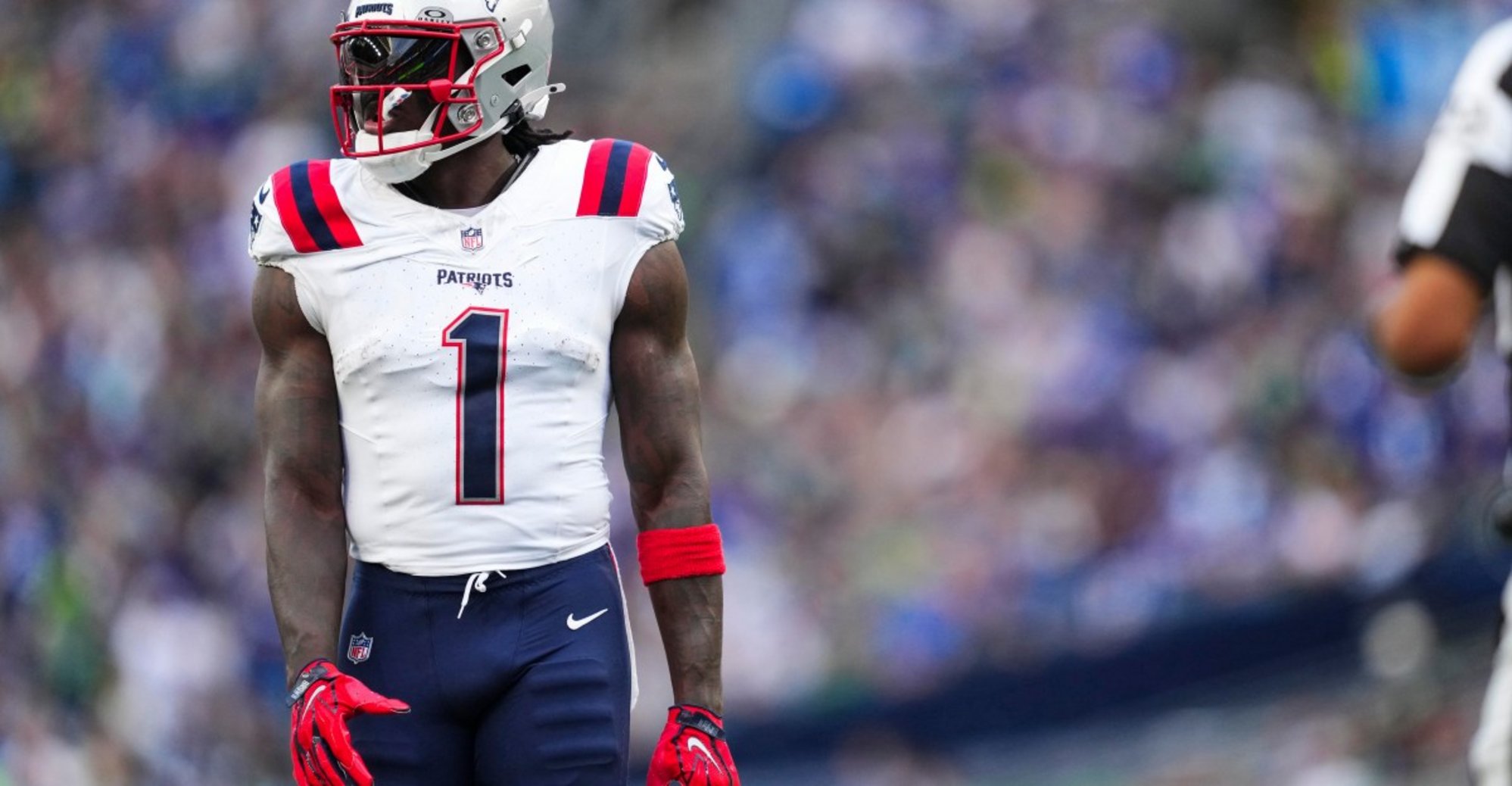
A.J. Brown finished 2025 as one of the NFL’s most reliable playmakers. In 15 games, he recorded 78 receptions, seven touchdowns, and 1,003 receiving yards. Those numbers show consistent volume and high-end production. Because he stayed healthy for the bulk of the season, teams view him as a true No. 1 receiving option. As a result, his on-field value drives much of the rumor and the reported willingness of contenders to make a move.
Why the June 1 cap hit matters
The contract math explains much of the maneuvering. The Philadelphia Eagles appear set to keep Brown until on or after June 1. By doing that, the team can use the June 1 cap hit rule to spread his dead money over two seasons. Therefore, the Eagles reduce short-term cap pain and create roster flexibility. However, that move also signals intent to structure a trade after the date. The June 1 cap hit and cap hit spread concept matters to buyers and sellers alike.
Key performance and contract takeaways
- 78 receptions in 15 games shows consistent target share and route-running reliability.
- 1,003 receiving yards means Brown averaged just over 66 yards per game.
- Seven touchdowns underline his scoring impact in the red zone and deep plays.
- The June 1 cap hit approach lets the Eagles amortize dead money across two seasons.
- As a result, a post-June 1 trade becomes financially cleaner for the acquiring team.
Context from reporting
Insider chatter and media reports generated the initial drumbeat. For context, outlets such as Up & Adams and CBS Sports explored the cap timing and trade mechanics. Additionally, Patriots Report has examined how this could reshape New England’s offseason plans. Review our deeper trade coverage here and this primer on the broader rumor thread here.
What it means for the Patriots and Eagles
If the deal happens after June 1, the Patriots would pick up an elite downfield threat while managing cap consequences. Meanwhile, the Eagles gain the ability to retool and allocate resources elsewhere. Ultimately, the cap hit spread and June 1 strategy keep options open. Still, the situation remains rumor driven until both clubs confirm details.
| Source | Sentiment | Key points |
|---|---|---|
| Jason McCourty (former Patriot) | Positive | “Almost a done deal”; sense of inevitability; echoes insider chorus |
| CBS Sports | Neutral | Breaks down June 1 cap hit mechanics; emphasizes uncertainty and process |
| Up & Adams | Neutral | Locker-room reaction and local reporting; highlights chatter and player perspectives |
| Patriots Report | Positive | Explores Patriots’ motivation and roster impact; suggests trade could reshape offseason |
| Anonymous locker-room sources | Positive/Speculative | Internal chatter favors move; creates drumbeat and momentum |
A.J. Brown trade buzz: fit for Drake Maye and the New England Patriots
If A.J. Brown joins the New England Patriots, Drake Maye would gain a true No. 1 target. Brown’s contested-catch ability and separation speed create a reliable focal point. As a result, Maye could lock onto a top option on early downs. This would reduce rookie reads and limit forced throws.
How Brown changes the offense
Brown would expand the Patriots’ vertical threat and intermediate timing game. Therefore, play-action and boot-leg concepts become higher reward. Defenses would need to respect Brown on the outside, which opens lanes for tight ends and crossing concepts. Meanwhile, opposing secondaries would have fewer single-high safety cheats.
Practical roster effects
- Single coverage advantage: Brown forces favorable matchups for Maye.
- Route tree depth: He stretches zones and clears underneath space.
- Third down reliability: Brown’s contested catches improve conversion rates.
- Scheme flexibility: Patriots can run more two-receiver sets while mixing tight ends.
- Pressure alleviation: Because Brown commands attention, Maye faces less immediate pass-rush focus.
Insider perspective and coaching context
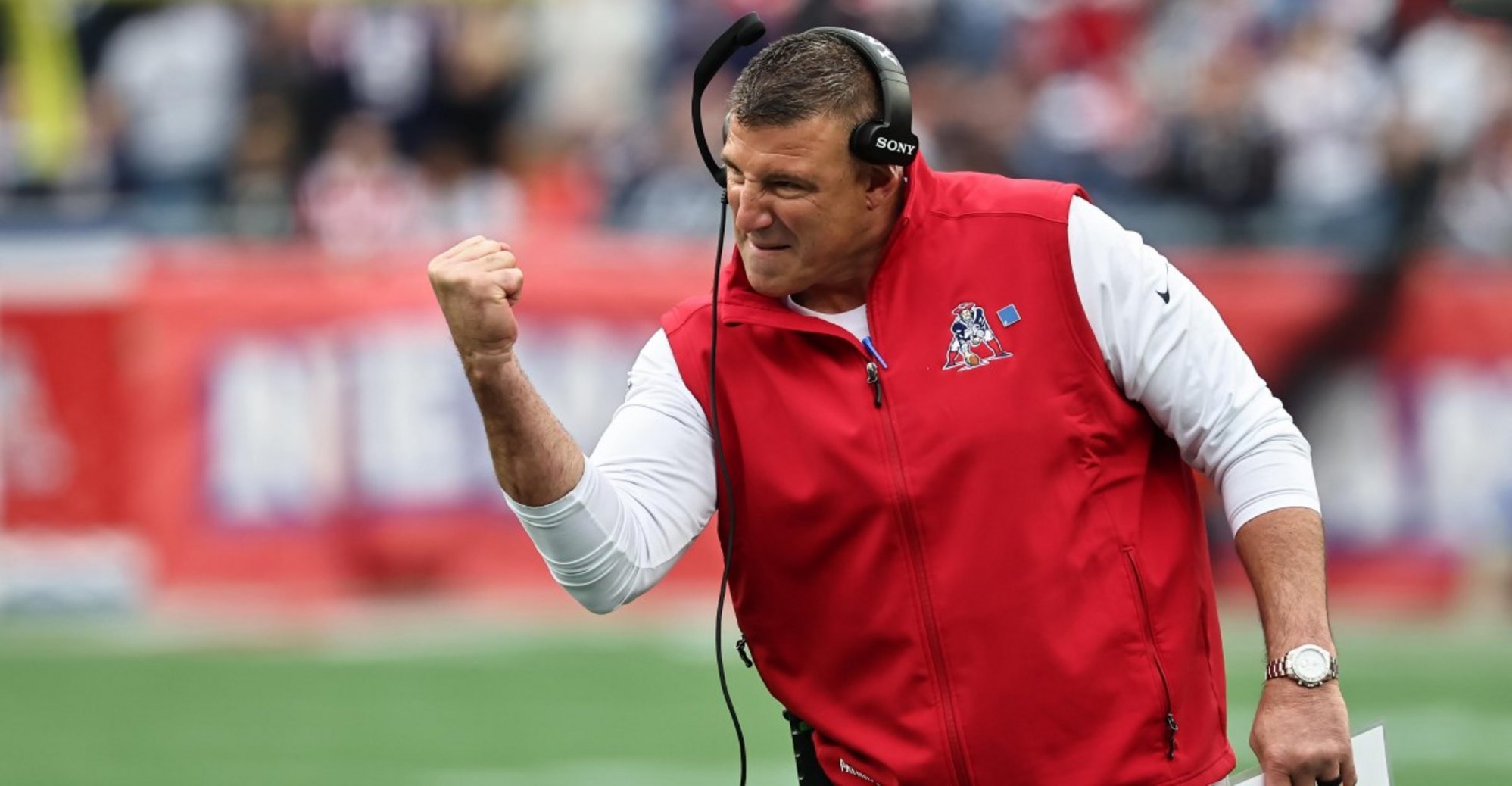
Jason McCourty’s locker-room take captured the sense of inevitability. As one insider said, “All the people that are on the inside … continue to echo the same sentiment that it’s almost a done deal that [Brown’s] going to be a New England Patriot.” However, coaches like Mike Vrabel would still weigh roster balance and cap implications. Therefore, staff-level buy-in matters just as much as the on-field fit. Still, the chatter shows a clear belief that Brown would provide an immediate upgrade.
Bottom line
Ultimately, Brown as a No. 1 target would accelerate Drake Maye’s development. The New England Patriots would gain a proven playmaker and schematic flexibility. Still, cap work and roster adjustments decide whether the buzz becomes reality.
The A.J. Brown trade buzz has evolved from whispers to a loud locker-room drumbeat. Because insiders and former players have voiced confidence, the chatter now carries weight. As a result, both the New England Patriots and the Philadelphia Eagles face meaningful choices. The Patriots would gain a proven No. 1 target for Drake Maye. Meanwhile, the Eagles would gain cap flexibility through the June 1 cap hit and cap hit spread strategy.
The insider perspective matters because it shapes expectations. Jason McCourty’s foreboding comment captured the sense of inevitability. However, coaching staffs and front offices still control the final decisions. Therefore, cap math, roster balance, and player willingness will determine the outcome. Still, the optimism inside New England points to a potential leap for the offense.
For readers tracking developments, Patriots Report LLC will continue coverage. Check ongoing updates at Patriots Report and follow the team on Twitter at @ZachGatsby. Patriots Report will monitor cap moves, locker-room takes, and any confirmation. Ultimately, the A.J. Brown trade buzz could become one of the defining offseason stories for both clubs. Follow along to see how the rumor resolves.
Frequently Asked Questions (FAQs)
What is the timeline for the A.J. Brown trade buzz?
The Eagles have said they will not finalize a move until on or after June 1. By waiting, they use the June 1 cap hit rule to spread dead money across two seasons. Therefore many reports expect a trade after that date. However, nothing is official until both teams confirm. Local beat writers often break news first. Fans should temper expectations.
How does the June 1 cap hit affect contract math?
The June 1 designation allows teams to amortize dead money. As a result sellers reduce short-term cap pressure. Buyers gain clearer year-to-year cap flexibility. Still the acquiring team may face future cap commitments. Cap analysts will parse the exact savings once numbers emerge.
What would this trade mean for team dynamics?
Brown would become a true No. 1 target and immediate playmaker. Drake Maye would gain a reliable downfield threat. As a result the Patriots could open the vertical game and run more play-action. Meanwhile the Eagles would gain space to retool. It could shorten Maye’s learning curve and change game plans.
How reliable are locker-room takes and insider reports?
Insider notes can highlight trends but they sometimes overstate certainty. Jason McCourty’s comment added fuel to the drumbeat. However insiders do not equal official confirmation. Therefore treat locker-room takes as useful signals, not final proof.
What should fans watch next?
Watch June 1 developments and any team statements. Monitor cap moves and official league transaction logs. Also follow trusted beat reporters for verification. Ultimately the rumor ends with a public announcement. Expect detailed roster breakdowns and cap analysis as the story evolves. Stay patient; trades often involve last-minute paperwork. Trust official filings and team statements first.