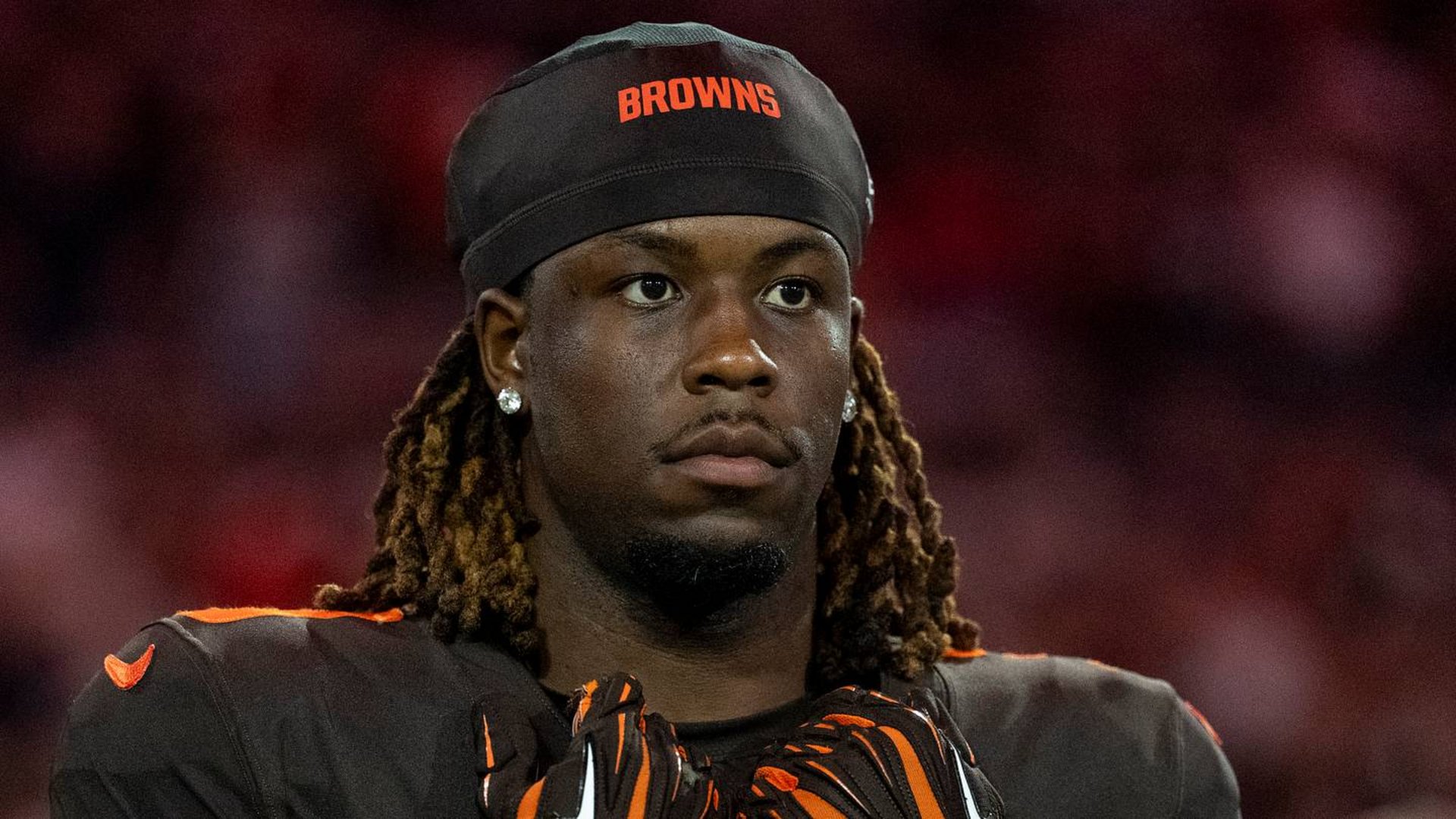
The Dallas Cowboys released 25-year-old cornerback Alex Austin on Oct. 17, according to Musket Fire. The move puts the New England Patriots’ cornerback depth in focus, but does not indicate team interest in Austin.
Graham Wilker of Musket Fire argued that the Patriots should look elsewhere rather than pursue a reunion. That recommendation is Wilker’s analysis, not an announced New England personnel decision.
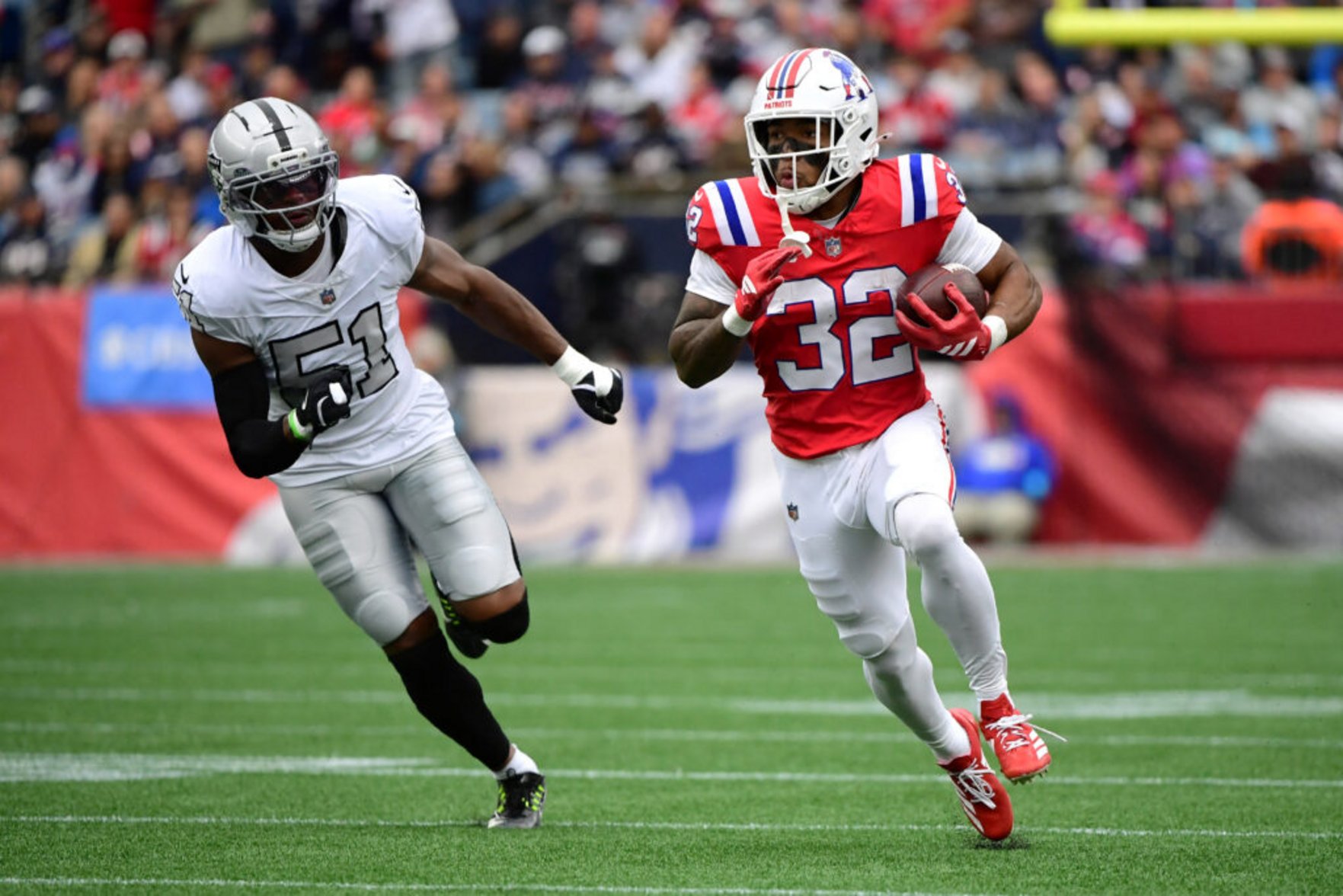
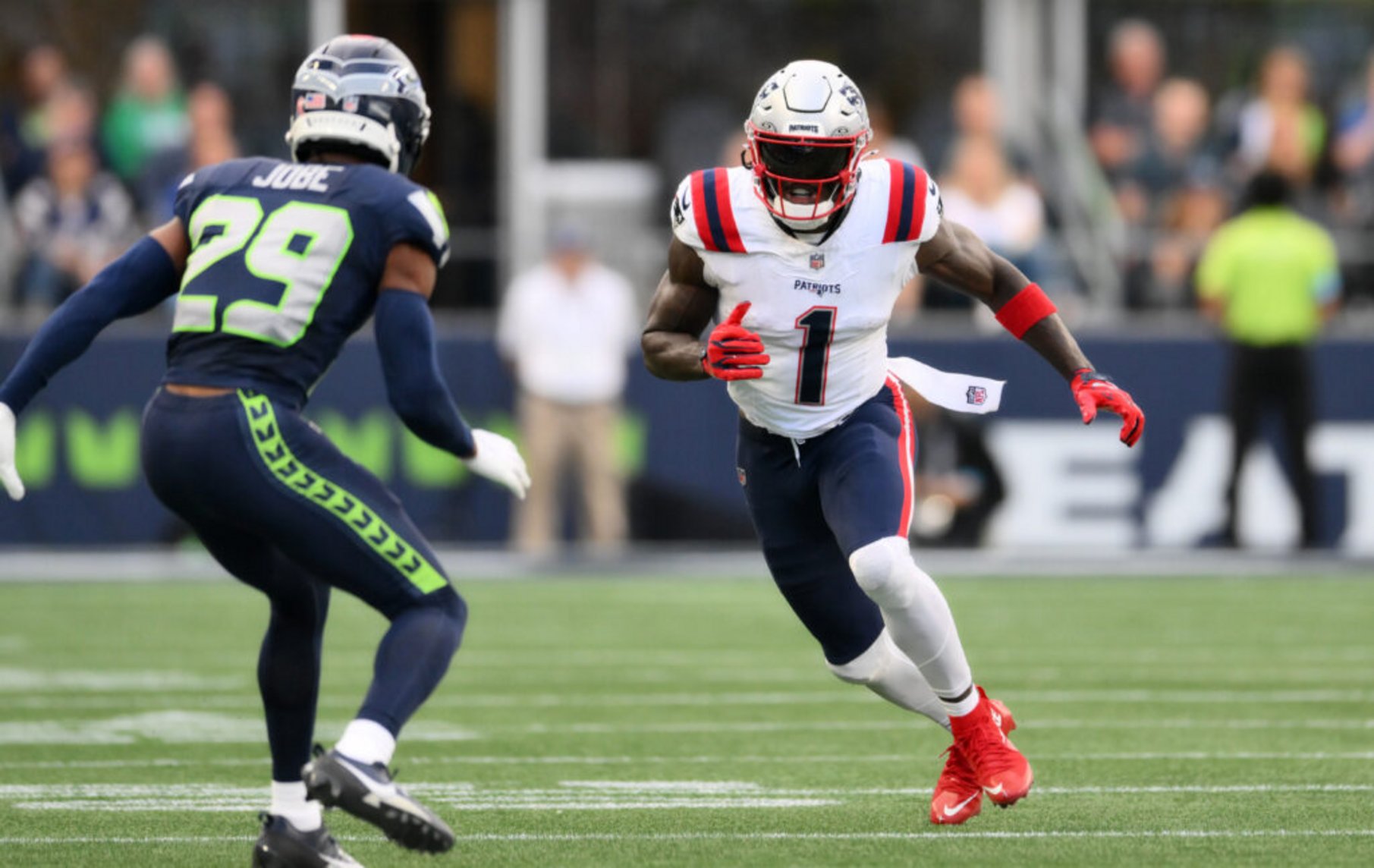
Wilker connected the discussion to the Patriots’ recent matchup with the Las Vegas Raiders, when, he wrote, Christian Gonzalez and Carlton Davis were unavailable. The matchup-specific roster context highlights a depth concern without establishing that Austin is a solution.
New England was short on available cornerbacks
Wilker wrote that Marcus Jones, Charles Woods and Kindle Vildor were the available rostered cornerbacks for the Raiders matchup. New England also elevated safety Elliott Davison for additional secondary depth, according to Wilker.
The absences left the Patriots with fewer cornerback options for that game. Wilker’s account describes a particular matchup, not a permanent depth-chart order or a broader assessment of the group’s availability.
Gonzalez and Davis were not the only cornerbacks affected by the situation. Wilker wrote that rookies Karon Prunty and Channing Canada also missed the Raiders game, leaving New England down four cornerbacks, including both starters. Prunty and Canada’s absences also created a special-teams issue because both had been expected to contribute in that phase.
The Patriots’ next matchup against the New York Jets was expected to provide some relief, but the group still carried injury designations. Davis and Prunty were ruled out, Canada was listed as questionable, and Jones and Woods were limited in practice during the week, according to Wilker.
New England also had rookie cornerback Al’zillion Hamilton on the practice squad. Wilker wrote that Hamilton had seen significant preseason action with the Los Angeles Rams before being released at the end of August, but he signed with the Patriots on the Wednesday before the Raiders game and was not ready to play. A promotion could become necessary if the available group shrinks further.
Alex Austin’s Patriots tenure
Austin spent nearly three seasons with New England, Wilker wrote. A former Buffalo Bills draft pick, Austin joined Houston before arriving with Bill Belichick’s 2024 Patriots team. He recorded his first and only career interception as a rookie against Buffalo, the club that drafted him.
In his second season, Austin played nine games and spent nearly two months on injured reserve, Wilker reported. His role in his third season was primarily on special teams; Wilker wrote that Austin logged 157 special-teams snaps and made five tackles.
Wilker also cited a 78.6 grade from Pro Football Focus for Austin. Those figures describe his special-teams contribution, but they do not establish that he could address a defensive need at cornerback.
Austin did receive defensive work early in that third season, but Wilker wrote that his defensive action was limited to the first four weeks. During that span, he averaged 36 defensive snaps per game, allowed a 76.9 percent completion rate and gave up 158 receiving yards. Those numbers are central to the distinction between his value on special teams and his fit as a coverage option.
Why Wilker is against a reunion
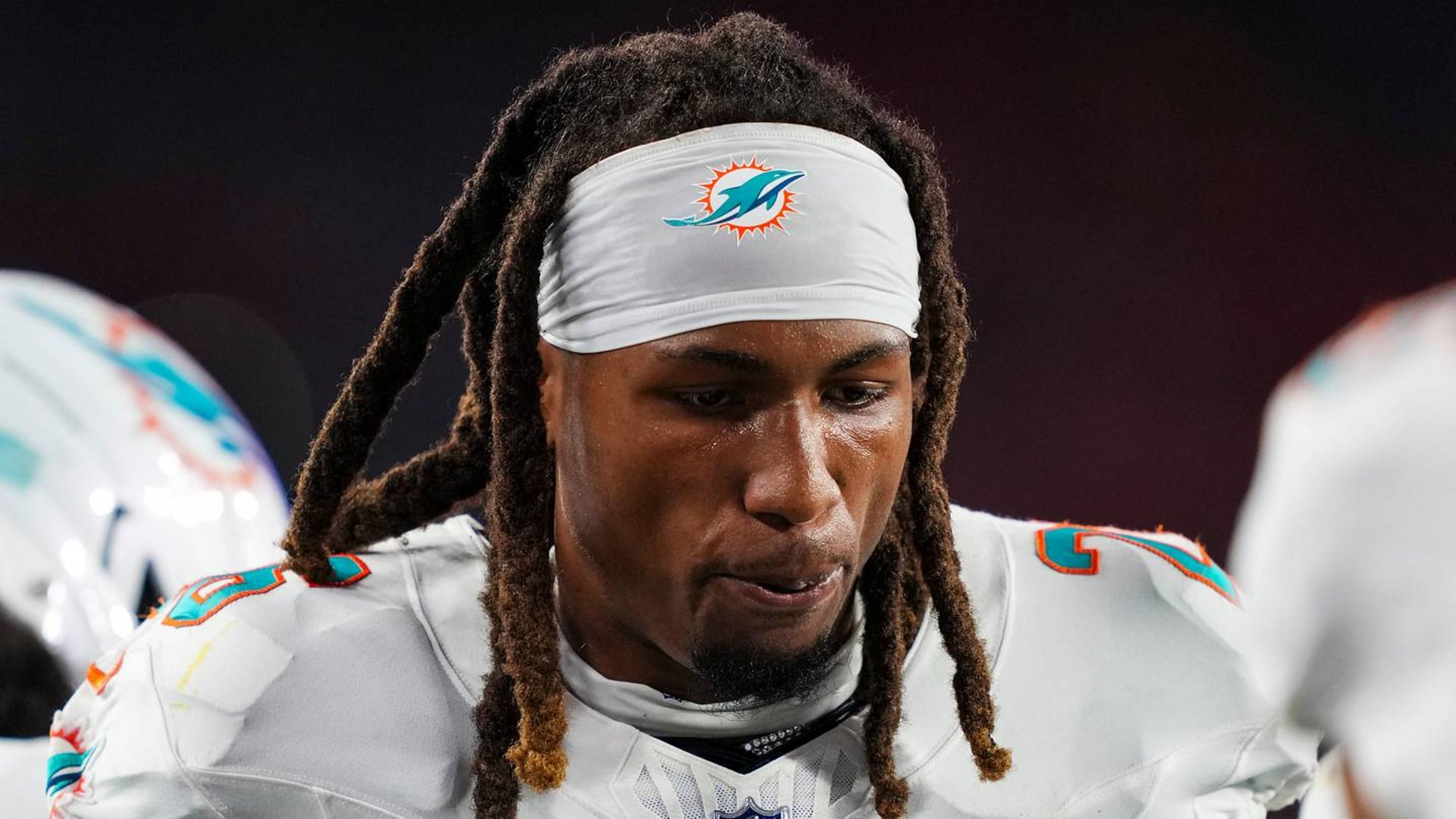
Wilker wrote that New England could have retained Austin as a restricted free agent but did not. Austin signed with the Miami Dolphins after leaving the Patriots, then joined the Cowboys’ practice squad after failing to make Miami’s roster, according to Wilker.
That history informs Wilker’s argument: New England had an opportunity to keep Austin and chose not to. Wilker’s conclusion is that the Patriots should consider other cornerback options, rather than bring Austin back because of his familiarity with the organization or his special-teams work.
Wilker also noted that Austin did not capitalize on opportunities created by injuries in New England’s secondary. Gonzalez began the season on injured reserve, and after Austin later missed time, Woods took over the CB4 role, according to Wilker.
The distinction matters. Austin’s contributions on special teams are separate from the question of whether he can provide the defensive coverage New England may need when cornerbacks are unavailable. Wilker’s recommendation is an opinion about fit, not a reported Patriots decision.
Wilker compared Austin’s recent team history with the defensive performance of the clubs he joined. Miami entered the discussion at 0-5 but ranked 15th in the league in pass defense, while Dallas ranked 21st, according to Wilker. Austin did not remain on either roster, which Wilker used as another reason to favor different options.
What the release means for the Patriots
Wilker’s account of the Raiders matchup illustrates how the cornerback group can be stretched when Gonzalez and Davis are unavailable. Austin’s release gives New England another name to consider in the broader market, but it does not establish that the team is pursuing him.
The roster question is whether the Patriots have enough dependable cornerback depth when established players cannot play. Austin’s special-teams production alone does not answer that defensive question. Wilker’s view is that New England should look elsewhere, while the Cowboys’ release remains a separate transaction.
Wilker identified former top-five pick Jeff Okudah as one possible practice-squad addition and veteran Darnay Holmes as another potential option. He wrote that Okudah could add length to a secondary that struggled against Raiders tight end Brock Bowers, while Holmes was with Atlanta’s practice squad.
Any potential addition would be a roster decision for the Patriots, not an automatic consequence of Austin becoming available. The team’s broader NFL free agency and cap situation provides context for evaluating options, but no Austin signing or reunion is established by the release.
Wilker’s final assessment was that Austin still has a place in the NFL, but New England’s decision to let him leave in the spring points away from a return. His lack of a defensive snap after Week 4 of the previous season further supports Wilker’s view that the Patriots should seek a cornerback with a more direct defensive role.