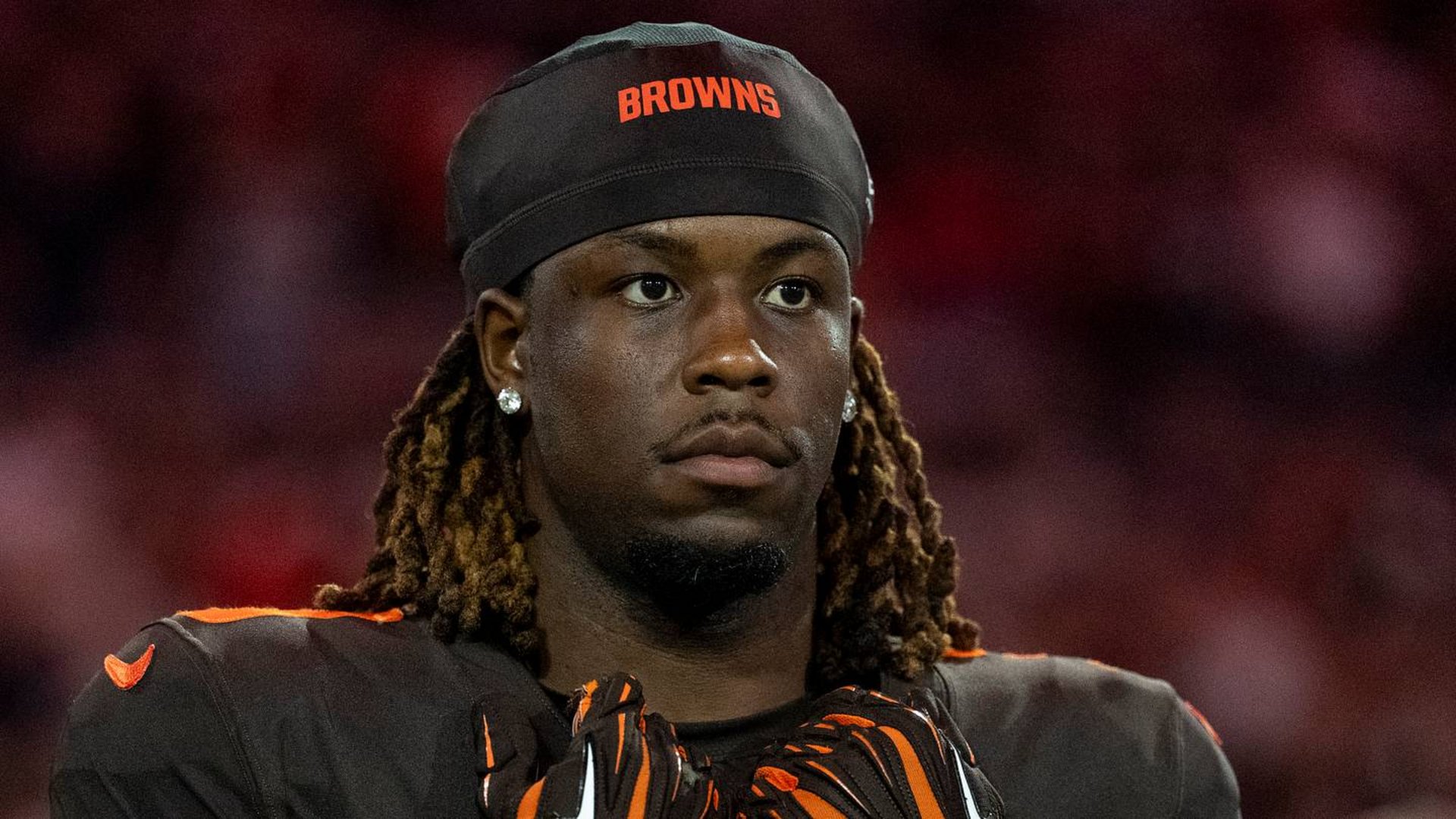
Ernesto Cova of Musket Fire argued on Oct. 16 that the New England Patriots should pass on a potential Jerry Jeudy trade. Musket Fire’s argument centers on a reported $17.5 million commitment, Jeudy’s age and New England’s receiver options.
Cova summarized his position with the phrase, “Thanks, but no thanks.” His article discussed a possible trade involving Jeudy and the Cleveland Browns rather than an announced transaction involving either team.
The argument gives the Patriots a roster-building question to consider: Should New England pursue another established wide receiver, or evaluate the options already expected to become available? Cova’s answer was direct: “The Patriots should want no part of trading for Jerry Jeudy.”
Why the Jerry Jeudy Patriots Trade Idea Is Being Discussed
Musket Fire identified Jeudy as a potential trade candidate in the context of his situation with Cleveland. Cova argued that New England should avoid making Jeudy the next major addition to its passing game, even as his analysis addressed the Patriots’ need to assess their wide receiver group.
Cova framed the Jerry Jeudy Patriots trade discussion as an evaluation of fit and cost. His conclusion was not that New England should complete a specific deal, but that the Patriots should decline the opportunity described in his analysis. That distinction matters because a columnist’s recommendation is different from a completed NFL transaction.
For New England, the proposed decision would involve committing resources to Jeudy while other players remain part of the team’s receiver evaluation. Musket Fire’s argument therefore focuses on whether the potential addition would improve the group enough to justify the financial commitment cited by Cova.
The Patriots Have Other Receiver Reinforcements Coming
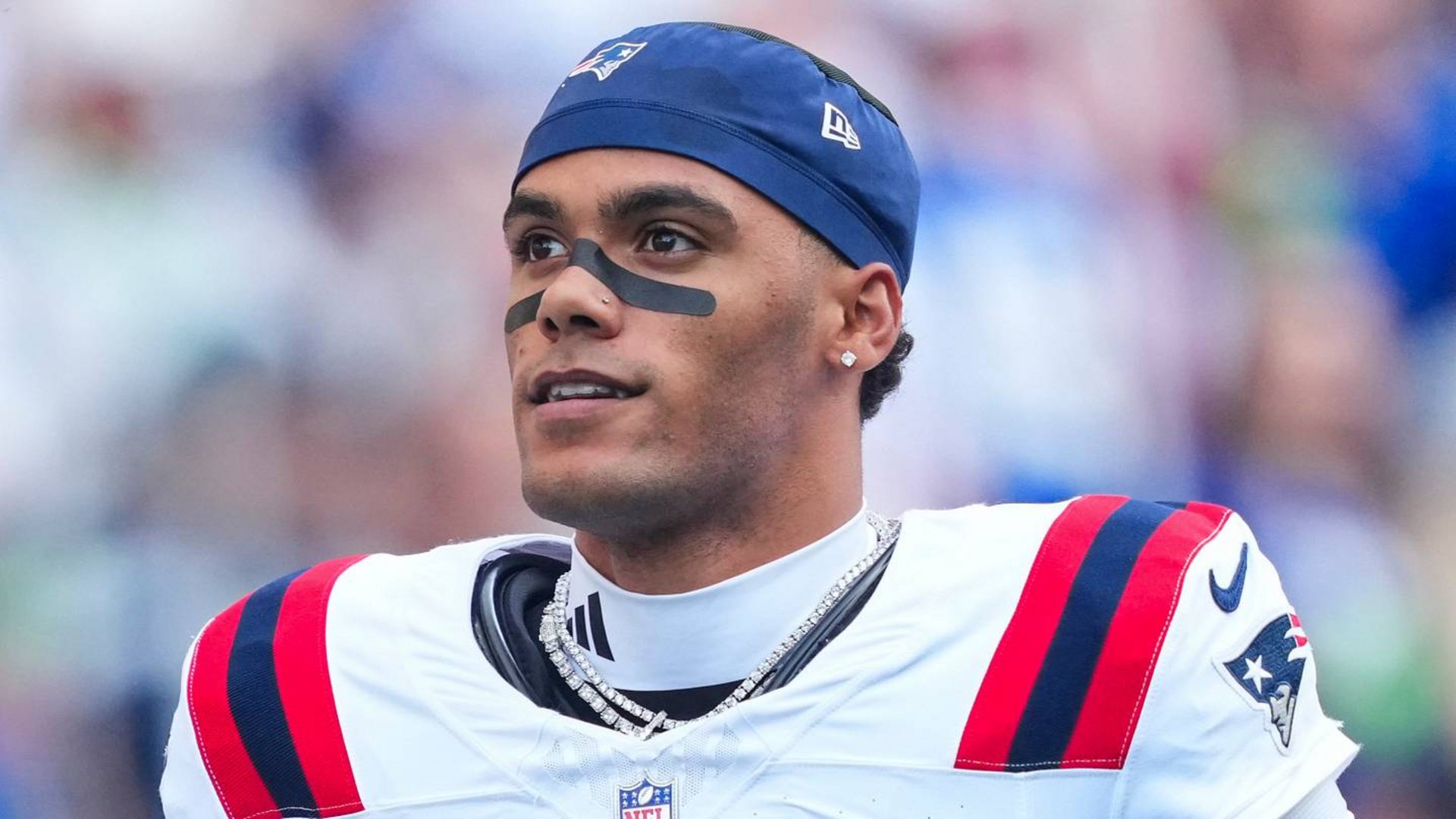
Musket Fire said the Patriots opened A.J. Brown‘s 21-day practice window after Brown missed most of the season with an ankle injury. The procedural move gives Brown an opportunity to work toward a return, but it does not establish a guaranteed role or production level.
Musket Fire also said Mack Hollins can return after a stint on injured reserve. Cova used the potential availability of Brown and Hollins as part of his argument that New England could gain additional receiver options without immediately pursuing Jeudy.
Those developments do not resolve every question about the Patriots’ wide receivers. They do, however, give New England more players to evaluate before making a major commitment to another outside addition. Cova’s position depends in part on the idea that the team should first see what its existing options can provide.
Drake Maye’s Recent Receiver Distribution Matters
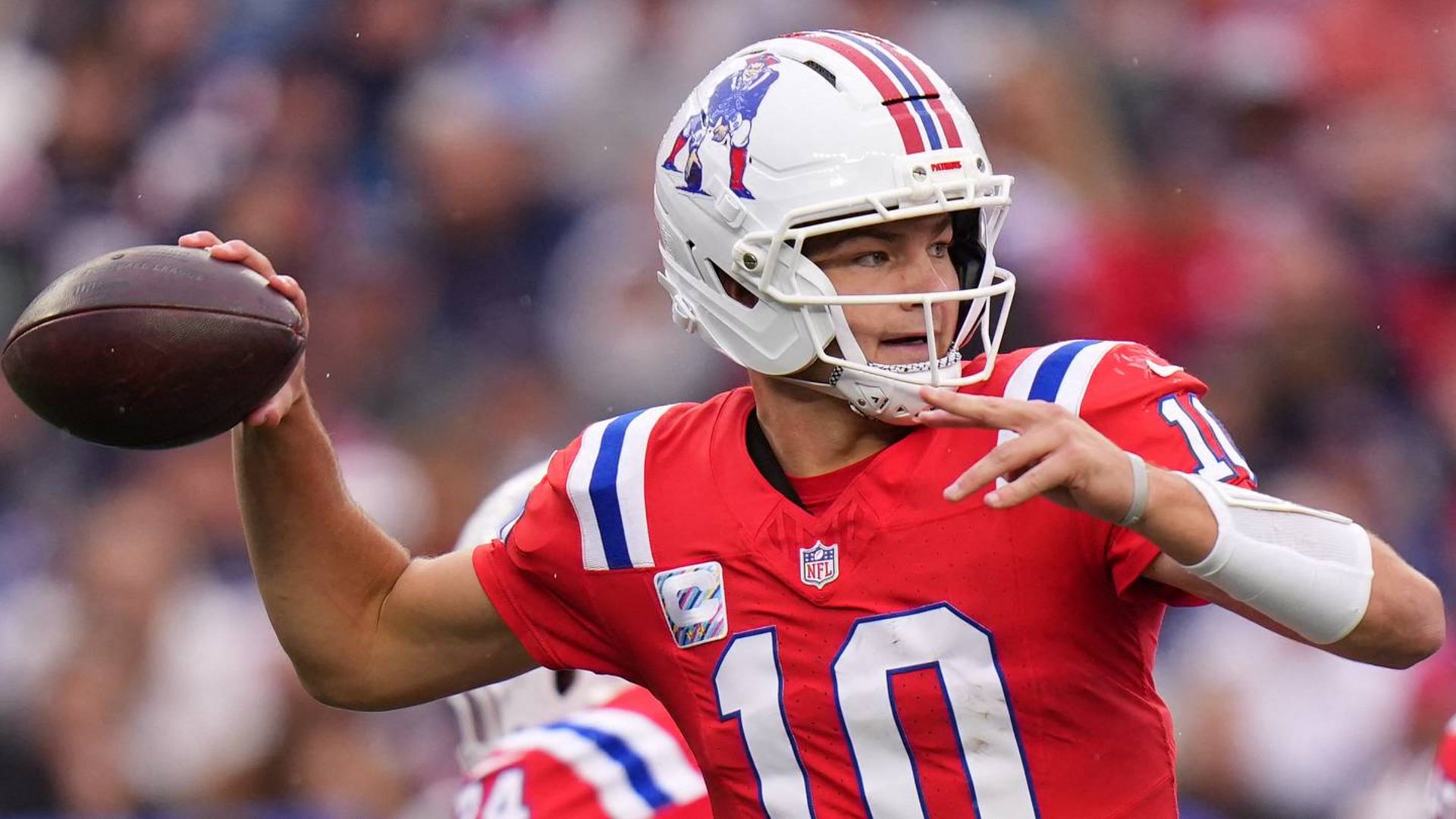
The case against a Jerry Jeudy Patriots trade also relies on a game highlighted by Musket Fire. The outlet stated that Drake Maye completed passes to nine different receivers in that contest.
Musket Fire added that five Patriots receivers recorded at least 40 yards in the same game. Those numbers point to a broad distribution of opportunities rather than an offense relying on one receiver for its production.
The figures do not establish that New England has solved its receiver needs, and Cova’s argument does not treat one game as a permanent answer. They do support his view that the Patriots can continue evaluating the passing game before deciding whether a player such as Jeudy is necessary.
That distribution also matters to the broader development around Maye. New England’s Drake Maye Growth Year Three depends on the quarterback having dependable options, while the game cited by Musket Fire showed production spread across the receiving group.
What a Jerry Jeudy Trade Would Cost the Patriots
Musket Fire stated that $17.5 million remains on Jeudy’s contract. Cova presented that figure as a reason for the Patriots to approach a potential acquisition cautiously.
Musket Fire also stated that Jeudy is 27 years old. Cova weighed that age against the financial commitment and argued that New England should not assume the possible upside is enough to justify the move.
The analysis keeps the financial question separate from any estimate of trade compensation. Cova’s argument concerns the commitment attached to Jeudy and whether the Patriots should accept it, not a reported package of draft picks or players.
Musket Fire’s discussion also included criticism of Jeudy’s past performance and concerns about his fit. Those points belong to Cova’s opinion and should not be presented as established facts about Jeudy. The source-grounded considerations are the contract figure, the player’s age and the Patriots’ receiver options.
The Patriots’ Decision Is Still a Hypothetical
Musket Fire’s Ernesto Cova recommended that New England pass on a potential Jerry Jeudy trade. His conclusion was that the Patriots should evaluate their current receiver options and possible internal reinforcements before taking on the commitment associated with Jeudy.
The practical consequence for New England is a preference for evaluation over speculation. Brown’s practice-window activation, Hollins’ possible return after injured reserve and Maye’s distribution to nine receivers are the roster factors Cova used to support his position.
For now, the Jerry Jeudy Patriots trade remains a hypothetical discussed by Musket Fire. Cova’s “Thanks, but no thanks” conclusion is an opinion about how New England should approach the possibility, not an official Patriots or Browns transaction.