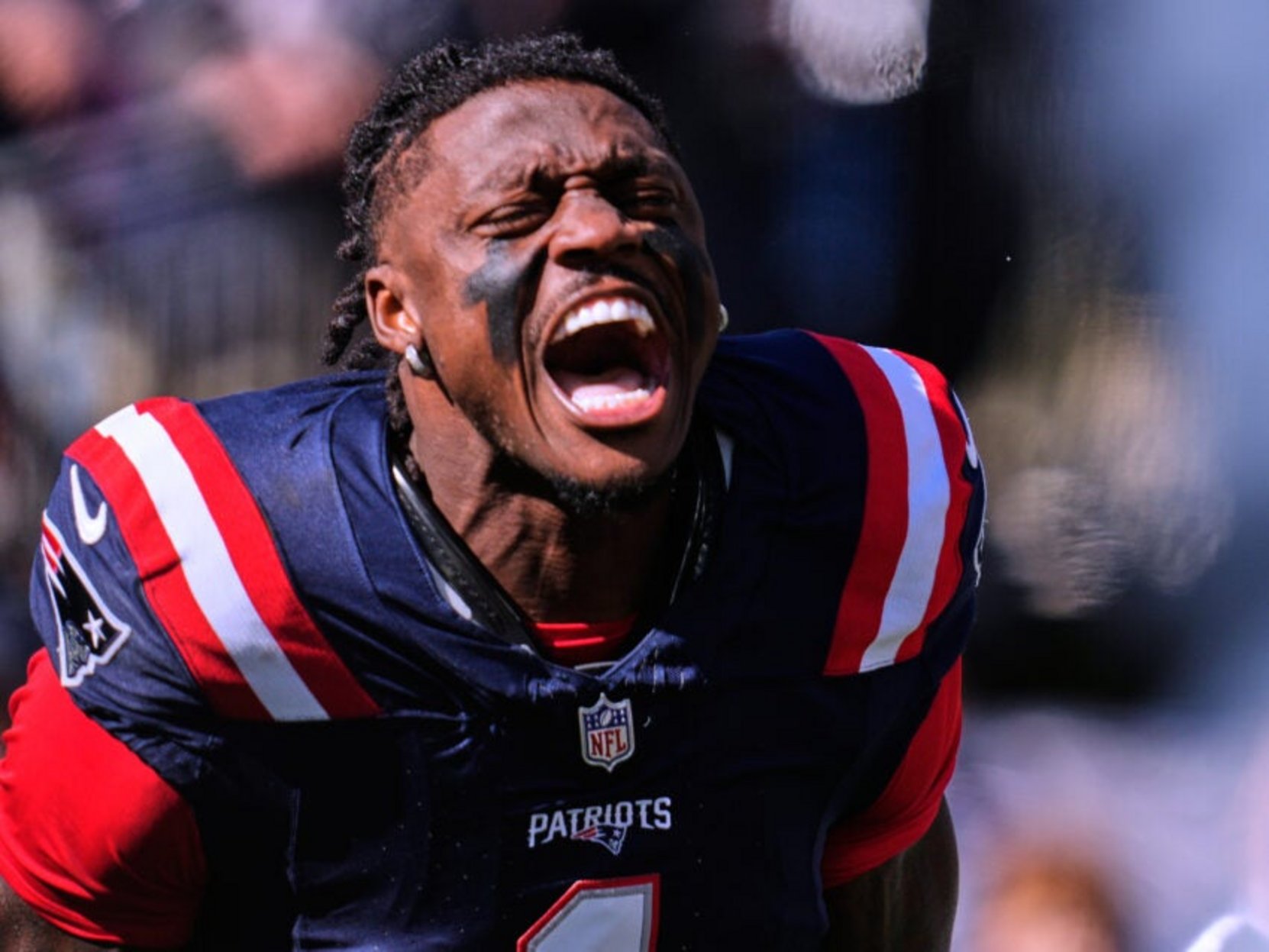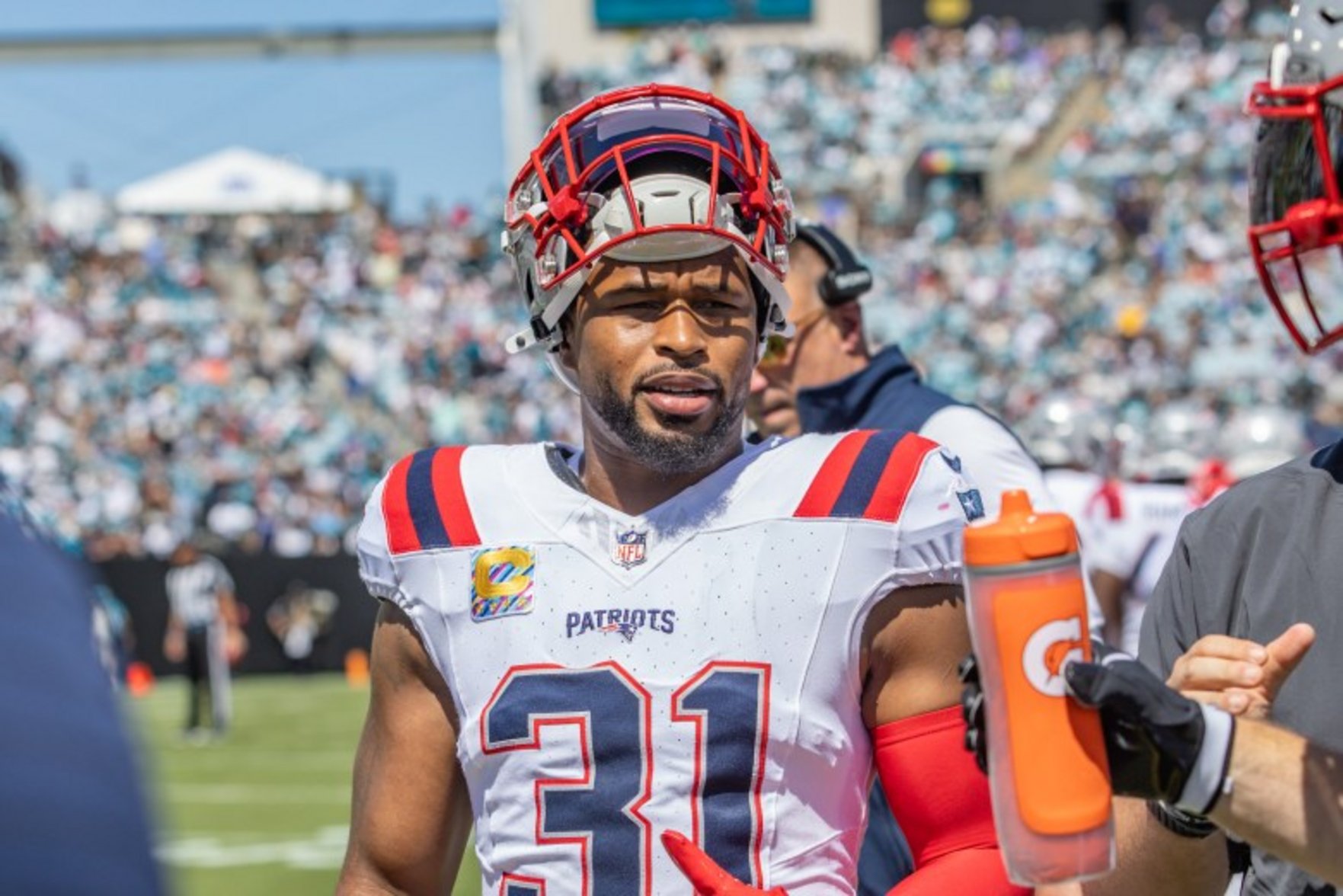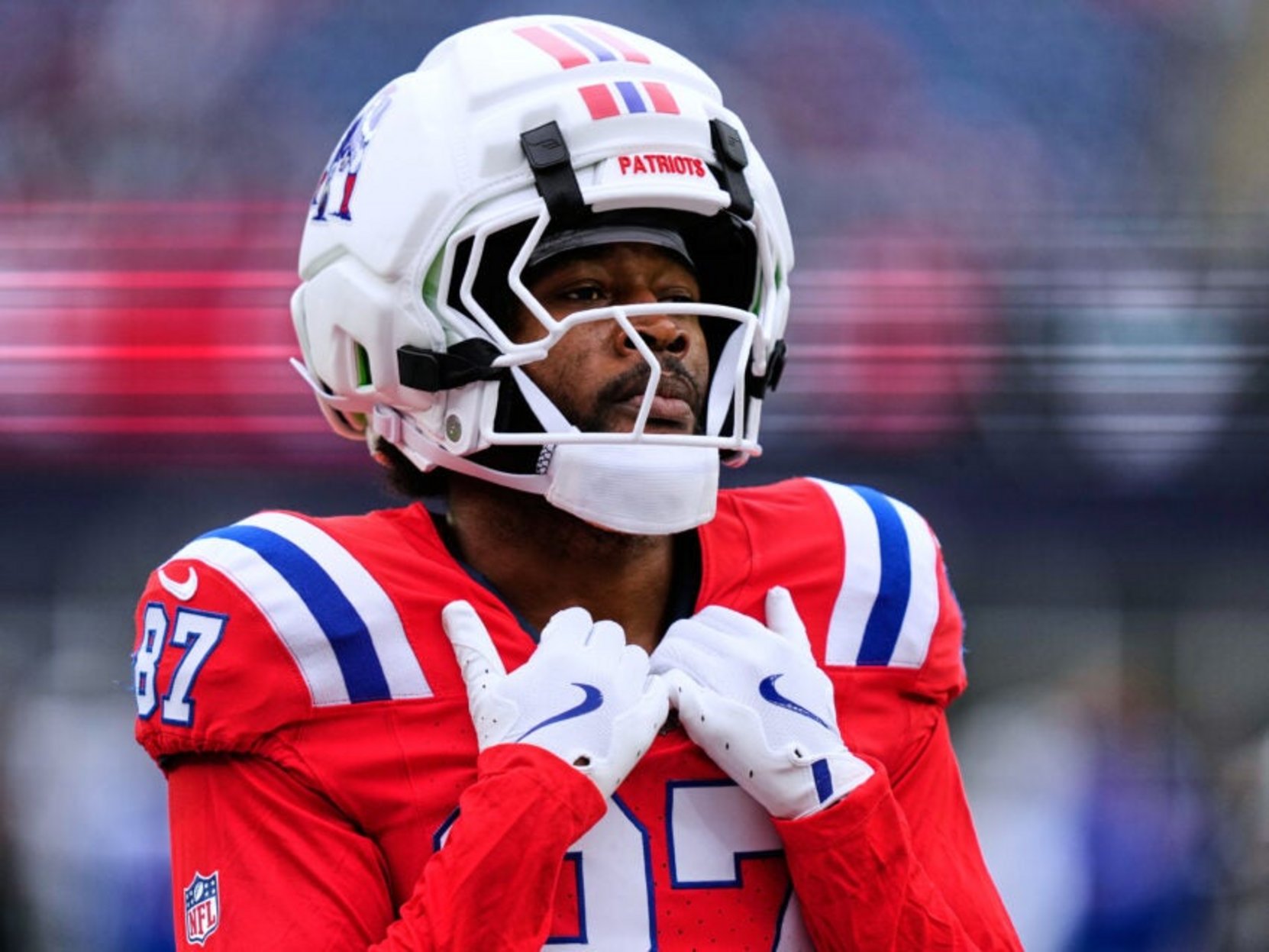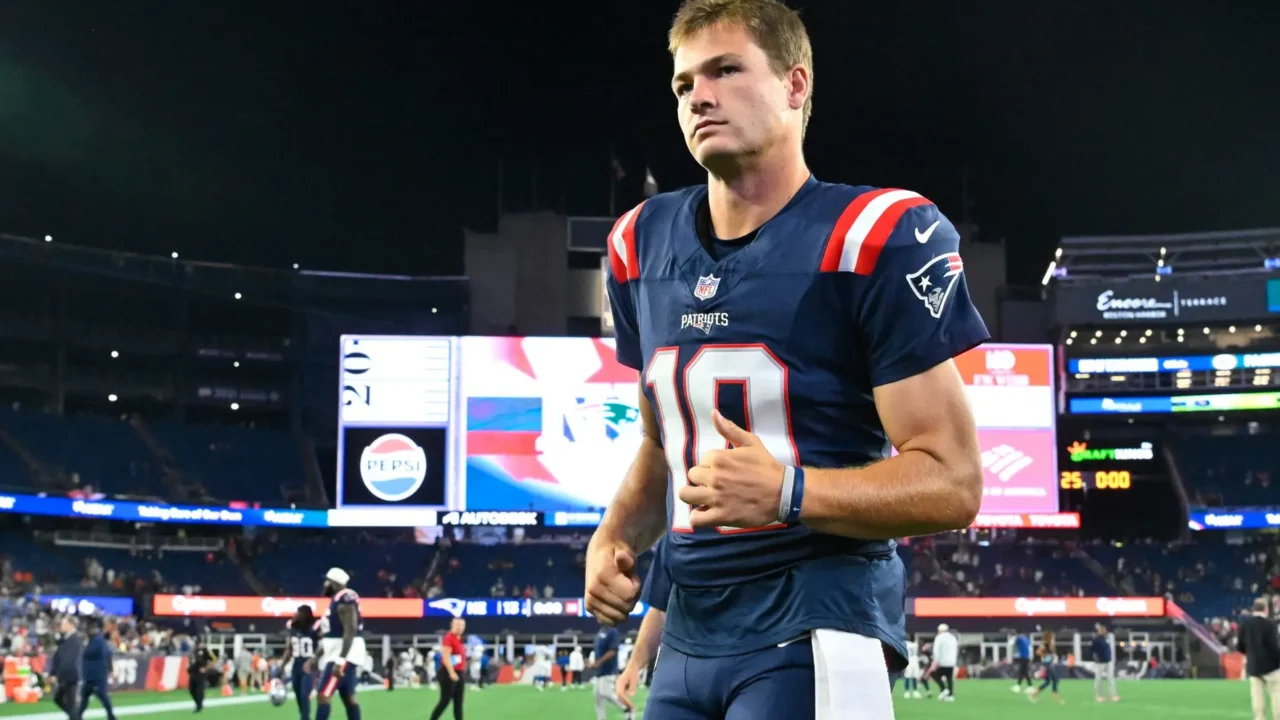
In Part 1 of a two-part Patriots season preview on the All-32 podcast, Mike Giardi joined host Andrew Callahan to explain why the Patriots offense could — in the episode hosts’ view — rise into the league’s upper echelon. The argument centers on schematic fit for Drake Maye, play-design tweaks that prioritize timing and spacing, and supporting pieces that could turn efficiency projections upward if the elements align.
“The way they build the offense around what Drake can do changes the whole projection for this group.” — Mike Giardi, All-32 podcast
Patriots offense — why the All-32 hosts think it can be No. 1
The hosts framed a conditional case: if coaching priorities shift toward cleaner timing concepts, the run game remains credible, and target distribution stays efficient, the Patriots offense could be substantially better than 2025. That framing is a projection from the podcast — not a confirmation — and the hosts repeatedly labeled these forward-looking points as podcast opinions.
Giardi and Callahan listed concrete levers that could lift offensive metrics: clear structure for reads, an emphasis on intermediate timing routes to improve completion rate, fewer high-variance scramble plays by the QB, and a run game that forces defenses to respect play-action.
“You shrink windows, you improve completion rate, and suddenly third down is a different problem for opponents.” — Andrew Callahan, All-32 podcast
How Drake Maye fits into the scheme
The episode positions Drake Maye as the linchpin of the projection. The hosts said Maye’s skill profile fits a cleaner, quicker read-based approach: timing throws, intermediate concepts, and play-action work rather than a primary reliance on extending plays with his legs. That design, the podcast argued, should reduce volatility and raise baseline efficiency on third downs and explosive play frequency.
Rather than promise a stylistic overhaul, the hosts described incremental changes in play-calling and personnel usage that would let Maye operate within lower-risk reads early in the season while still opening burst plays downfield.
Run game, play design and what boosts efficiency
A credible rushing attack came up repeatedly. The hosts credited the Patriots’ run game — and specifically Rhamondre Stevenson — as central to creating play-action opportunities and better spacing for underneath and intermediate routes. When run concepts demand defensive attention, timing throws become more effective and yards-per-play can rise without forcing high-variance completions.
Giardi described play-calling tweaks that favor rhythm and structure: more schematic shot plays off a strong run look, and an emphasis on route combinations that produce easier reads for Maye. The expected result, per the episode, is fewer negative plays and better conversion rates in key situations.
Under-the-radar players the episode highlights
The hosts spent a segment on depth and role players who can swing matchups without headline stats. Instead of fringe names, the episode cited players who can create matchup problems inside a structured offense: Romeo Doubs, DeMario “Pop” Douglas and tight end Hunter Henry. The point was less individual star-turns and more role clarity: versatile, dependable pieces that sustain drives and create stress for defenses.
“You want those little role guys to be the ones saving drives and creating stress on defenses.” — Mike Giardi, All-32 podcast
Giardi noted that dependable veterans and ascending youngsters who can run discrete route trees keep defensive coordinators guessing and preserve offensive tempo when injuries or rotation needs arise.
A.J. Brown — why the hosts predict a big year (with caution)
The hosts closed the episode with an optimistic projection for A.J. Brown, but repeatedly flagged the prediction as speculative. Their scenario: Brown’s physicality and contested-catch ability pair well with Maye’s arm and the envisioned playbook, producing above-average efficiency and chunk plays. The podcast framed that as a possible outcome, not a guarantee.
Hosts emphasized factors that could limit upside — health, target share, defensive game-planning — and urged readers to treat the enthusiasm as the show’s opinion rather than an assured outcome.
Episode notes, sponsorship and how to listen
The episode is available via CLNS Media. The hosts disclosed a sponsorship with PrizePicks during the show; any PrizePicks promotion on the episode is sponsorship content identified by the hosts. For the original CLNS Media post and episode details, see the source link in the attribution block below.
For coach-side context on organizational outlook and staff comments referenced in the discussion, see the Mike Vrabel Press Conference 6 9 coverage. For how opponent scheming could respond to the Patriots’ projected approach, recent reporting on christian gonzalez helps explain matchup dynamics.
What to watch next
This is Part 1 of a two-part preview; the follow-up should clarify depth-chart snaps and preseason indicators. Early-season verification points the hosts recommended tracking: completion rate and third-down conversion in preseason and early regular-season games, the balance between designed runs and play-action passing, red-zone touchdown rate, and explosive-plays-per-game (20+ yards).
If the Patriots hit those marks while sustaining health and efficient target distribution, the podcast’s projection that the team could be among the league’s best offenses would gain empirical support. If not, the hosts’ take remains an optimistic scenario rooted in schematic fit and role clarity.
Source attribution
This article summarizes Part 1 of the Patriots season preview on the All-32 podcast (CLNS Media) featuring Mike Giardi and Andrew Callahan. Source: CLNS Media — Why Patriots could have the NFL’s Top Ranked Offense. The episode includes a disclosed PrizePicks sponsorship. Predictive language in this article reflects the hosts’ opinions on the episode and should be treated as projections, not confirmed outcomes.
Part 1 of a two-part All-32 Patriots preview. For the full episode, visit CLNS Media (link above).