Patriots trade AJ Brown: If AJ Brown arrives, who becomes expendable? Kayshon Boutte and roster ripple effects
Patriots trade AJ Brown chatter has picked up this offseason. If New England actually acquires A.J. Brown, the receiver depth chart shifts immediately. However, any move of that magnitude would carry heavy draft capital and roster consequences.
This piece takes a cautious, speculative view of how the signing could play out. It focuses on Kayshon Boutte, Eliot Wolf’s decision calculus, and the wider receiving corps. Because Boutte is in the final year of his rookie contract, his future feels especially fragile.
Key issues to watch
- Draft capital needs: A Brown trade likely costs high picks and young assets.
- Boutte’s availability: He reportedly skipped offseason work, raising trade and extension questions.
- Contract timing: Boutte enters his final rookie year; extensions may be unlikely now.
- Potential demand: He might request a trade if his role shrinks.
- Value recovery: The Patriots would likely trade Boutte rather than lose him for nothing.
- Roster ripple effects: More snaps for Romeo Doubs, Kyle Williams, and changes at the X receiver spot.
Therefore, the team faces a stark choice about roster balance and future cap planning. As a result, this article explores who could become expendable if Brown arrives.
Impact of Patriots trade AJ Brown on Receiving Corps and Kayshon Boutte
Patriots trade AJ Brown would instantly reshape the depth chart and snap distribution among New England receivers. Because A.J. Brown profiles as a true X threat, his arrival would crowd the same roster spots occupied by Romeo Doubs, Kyle Williams, and Kayshon Boutte.
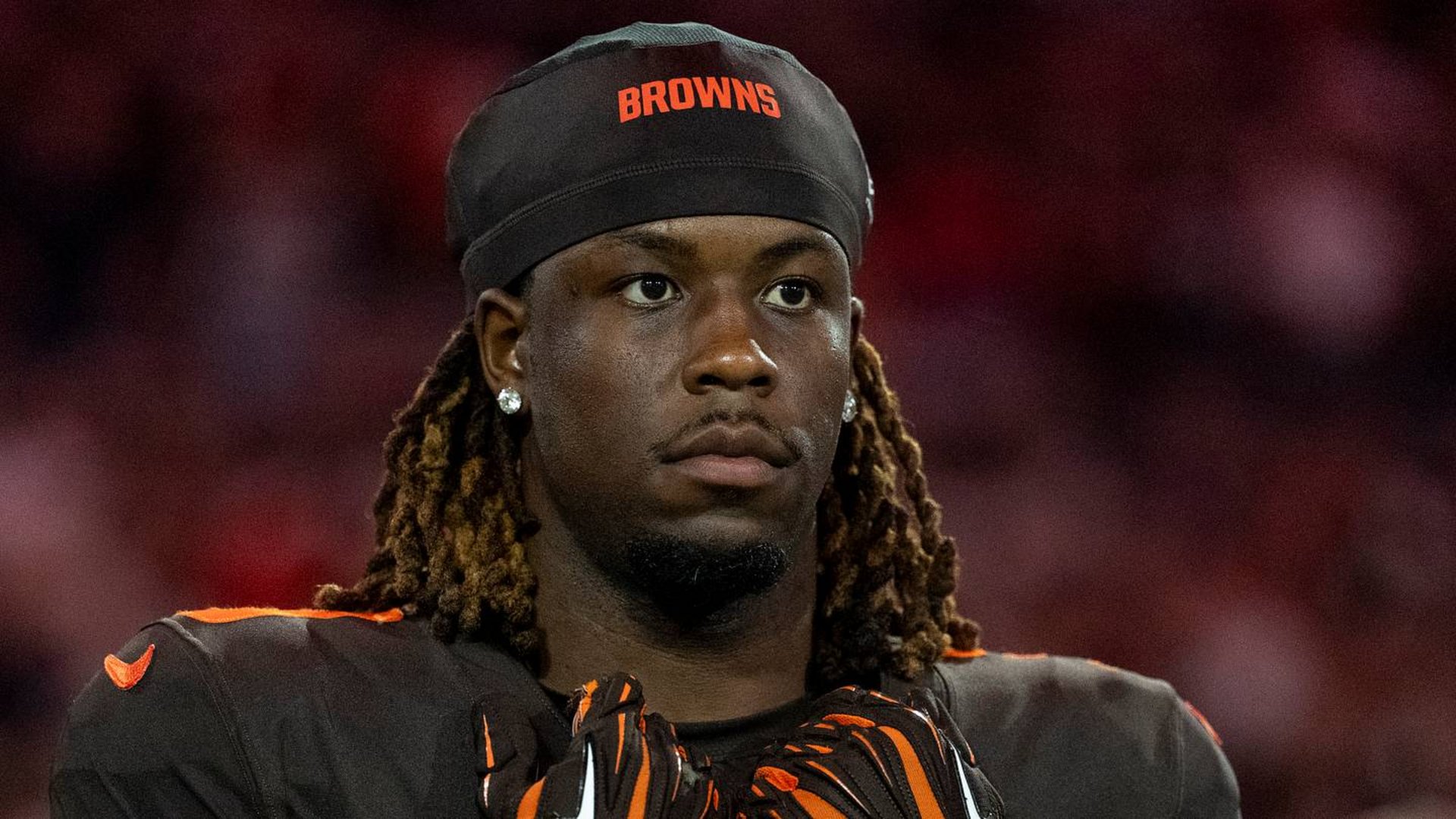
Boutte’s current situation feels precarious. He is in the final year of his rookie contract, and extension talks appear unlikely to gain traction while trade chatter heats up. Reportedly, Boutte missed offseason work, and that absence feeds speculation that he may prefer playing time elsewhere. As Tom Curran noted, Boutte “has done everything he possibly could as a sixth-round pick for a few years. His numbers are down because he doesn’t get the ball enough. So, he’s not going to have a huge bounty as an X receiver when he does get to become a free agent. So, I wouldn’t blame him if he’s saying, ‘You know what? It was fun and everything, but it’d be better for my career if I were to play someplace else.'”
Strategic impacts on the receiver room
- Playing time compression: Brown would soak targets at the X, reducing targets for Doubs and Williams.
- Role redefinition: Doubs might shift to more boundary snaps, while Williams becomes a situational option.
- Boutte’s trade leverage: Because he is on a final rookie year, New England may prefer trading him now.
- Asset management: The front office must weigh draft capital spent on Brown against the value they can recoup by trading Boutte.
Roster and value considerations
If the Patriots keep Boutte, his role likely shrinks. Therefore, he could push for a trade to secure a larger role. Conversely, Eliot Wolf could move Boutte to recover value rather than lose him in free agency. As a result, the Patriots face a short-term boost in star power but a longer-term calculus about youth, depth, and cap flexibility.

Patriots trade AJ Brown remains the headline for the offseason. If New England completes a deal, the receiving room would shift almost immediately. However, the roster ripple effects would touch snaps, contract moves, and trade decisions. Therefore, the table below compares current roles and likely futures for Kayshon Boutte, Romeo Doubs, Kyle Williams, and A.J. Brown. It also highlights related keywords such as draft capital, rookie contract, extension, and trade rumors.
Table: Patriots trade AJ Brown implications for Kayshon Boutte, Romeo Doubs, Kyle Williams and A.J. Brown — contract status, role, and potential future (draft capital, rookie contract, extension, trade rumors)
| Player | Contract status | Role in team (pre-trade) | Role if Patriots trade AJ Brown (post-trade) | Potential future |
|---|---|---|---|---|
| Kayshon Boutte | Final year of rookie contract; extension talks uncertain | Rotational receiver; depth option who earned snaps as a sixth-round pick | Role likely reduced; fewer targets and fewer snaps as a boundary/X option | Trade likely if he seeks playing time; team may move him to recoup value rather than lose him in free agency |
| Romeo Doubs | Recent addition; on his current contract with Patriots | Competing for X snaps; boundary and slot rotation | May shift to more boundary or slot snaps; still part of rotation but fewer primary X targets | Stay as rotational starter or see role tweaked; could increase slot value |
| Kyle Williams | Under team contract as veteran depth | Situational X and rotation snaps | Remains situational; could see more short-yardage and red zone snaps | Likely retained as a role player; value in specific packages |
| A.J. Brown | Veteran target in a potential trade; would arrive via trade requiring draft capital | N/A with Patriots today; elite X receiver where he plays | Immediate primary X target and top receiving option | Joins as top target; trade costs draft picks and affects long-term asset management |
Notes: This table summarizes likely scenarios based on trade rumors and roster context. As a result, the Patriots must balance short-term star power against development, contract timing, and draft capital.
Draft capital and strategy behind Patriots trade AJ Brown
Patriots trade AJ Brown would almost certainly cost multiple high draft picks. Because Brown is a bona fide top-tier receiver, teams usually demand at least a first-round pick and additional mid-round assets. Therefore, the Patriots must weigh the immediate roster upgrade against future roster building.
Trading for Brown impacts short-term production and long-term flexibility. As a result, the front office must consider draft capital, salary commitments, and how rookie contracts like Kayshon Boutte’s fit into the new picture. Boutte is on the final year of his rookie deal, so the calculus for keeping or moving him changes quickly.
What draft capital might look like
- Likely haul: A first-round pick plus a second or third-rounder, or equivalent picks and players.
- Additional costs: Possible salary-floor swaps or sweeteners to match contract value.
- Opportunity cost: Lost picks limit reloading and depth additions in future drafts.
Strategic considerations for roster management
- Rookie contracts matter: Young players on cheap deals provide team control and cap relief. Therefore, losing those contracts hurts depth.
- Value recovery: If Boutte pushes for a trade, moving him retrieves draft picks or young talent. Conversely, keeping him risks losing him in free agency for nothing.
- Timing is crucial: Moving Boutte now yields a return while his cost is low. As a result, the team can convert a crowded depth chart into future assets.
Why trading Boutte could be favorable
If Boutte demands a bigger role, trading him protects the roster. It also preserves draft capital spent on Brown by turning redundancy into value. In short, trading Boutte can offset the long-term cost of acquiring elite talent while keeping the offense balanced.
CONCLUSION
Patriots trade A.J. Brown speculation captures a high stakes moment for New England. The reported interest in A.J. Brown would add elite talent. However, it would also compress opportunities for existing receivers. Therefore, the ripple effects deserve cautious attention.
Kayshon Boutte stands at the center of that ripple. He is in the final year of his rookie contract and has reportedly missed offseason work. As a result, his role could shrink if Brown arrives. If Boutte demands more playing time, a trade becomes a plausible outcome. Trading him would allow the Patriots to recoup value instead of losing him in free agency.
This scenario highlights the business side of the NFL. Teams balance immediate upgrades against draft capital and young player control. Conversely, players weigh role and career trajectory. The Patriots must decide if short term star power outweighs long term flexibility.
Patriots Report LLC will continue following these developments. For ongoing coverage and analysis visit Patriots Report or follow us on Twitter at Zach Gatsby’s Twitter. We will provide cautious, evidence based reporting on Patriots trade rumors and roster moves.
Frequently Asked Questions (FAQs)
How likely is a Patriots trade AJ Brown?
The trade remains speculative but plausible. Reports indicate New England would surrender hefty draft capital for A.J. Brown. Because acquiring Brown would cost at least a first-round pick plus additional assets, the front office must weigh immediate upgrade against future flexibility. Expect active dialogue between teams, but no definitive outcome until deals are reported.
What happens to Kayshon Boutte if Brown arrives?
Boutte would face reduced snaps and targets. He is on the final year of his rookie contract and reportedly missed offseason work. As Tom Curran observed, Boutte produced despite limited opportunities. Therefore he might request a trade to secure playing time. The Patriots could prefer trading him to recoup value rather than risk losing him in free agency.
How would Romeo Doubs and Kyle Williams be affected?
Doubs would likely shift toward boundary or slot reps, while Williams would remain a situational option. Brown would command primary X snaps and targets, compressing the rotation. Coaches could preserve depth by adjusting packages, emphasizing Williams in red zone and short-yardage roles, and deploying Doubs where matchups favor him.
What draft capital will the Patriots likely surrender?
Expect at least a first-round pick plus a second or third-round pick or equivalent. Teams rarely trade elite receivers without substantial return. Therefore the opportunity cost includes fewer future picks for development and depth, which the front office must factor into roster planning.
Why trade Boutte instead of keeping him until free agency?
Trading Boutte converts depth redundancy into immediate assets. Because he could depart for nothing after his rookie year, moving him now secures draft capital or young players. This preserves long-term roster flexibility and offsets some cost of acquiring an elite target. Updates will follow soon.