Patriots decision to pass on reunion with fan-favorite: Why supporters are divided
The Patriots decision to pass on reunion with fan-favorite Matthew Judon has provoked a sharp divide among supporters. Fans reacted quickly, and many praised Judon’s past impact on opposing quarterbacks. However, other supporters cautioned that nostalgia should not override roster strategy and salary considerations. At the time of Miami’s release, New England faced injuries along the defensive line. Those gaps made the potential signing more relevant. Yet the Patriots instead leaned on younger options and depth pieces, and therefore some observers see the move as defensible.
In this analysis, I evaluate why fan emotions clashed with front office priorities. I summarize Judon’s recent path, including his short stint on the Bills’ practice squad and a season finale elevation where he recorded no tackles. Then I break down how scheme fit, playoff readiness, cap logic, and talent development shaped the decision. As a result, readers will get a clear view of why the choice split the fanbase. I also outline what it means for New England’s pass rush going forward.

Fan reactions and the split in the stands
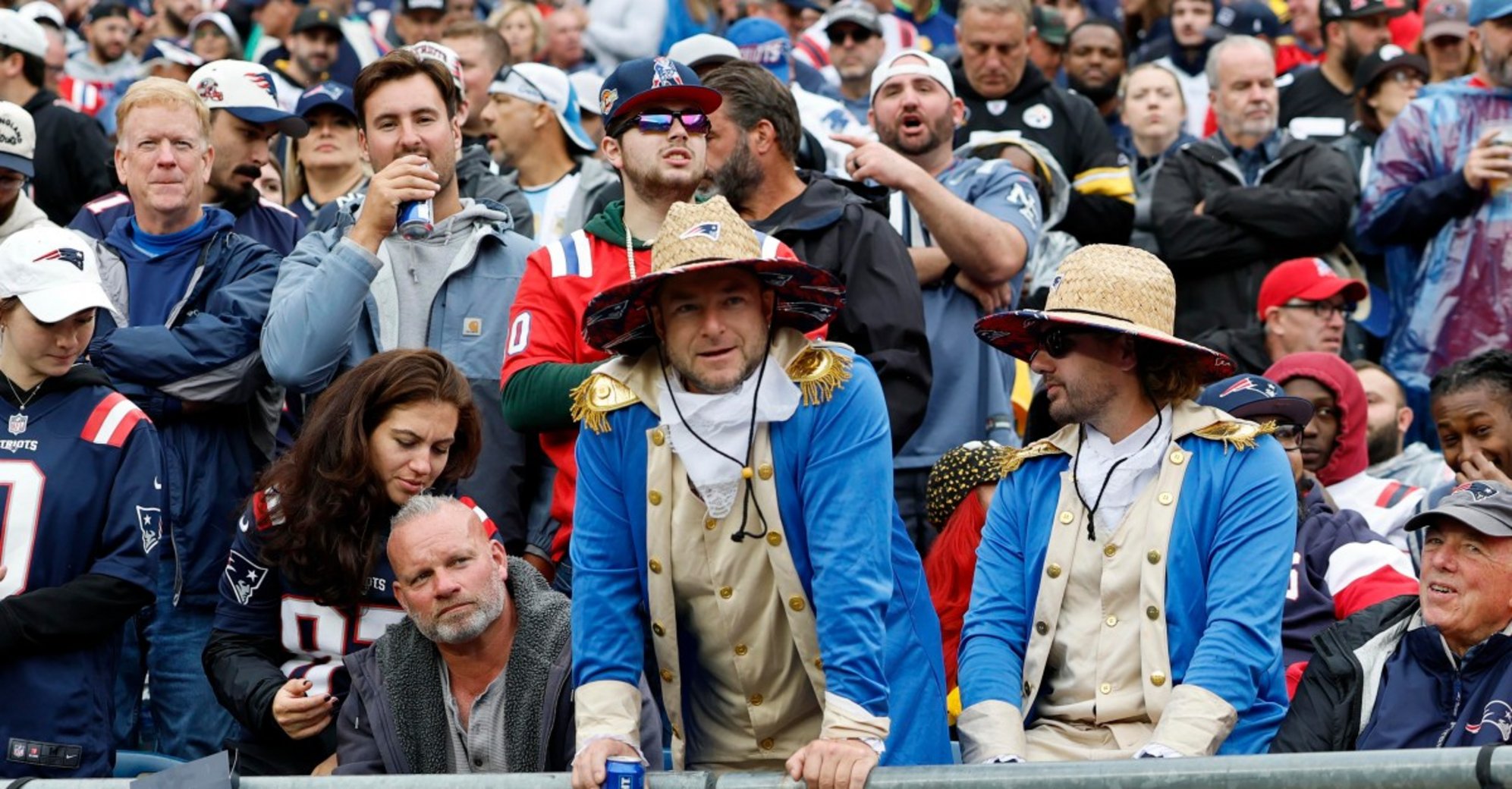
Fans reacted strongly after the Patriots decision to pass on reunion with fan-favorite Matthew Judon. Some posted hopeful messages, and others expressed frustration. Emotion drove calls for an immediate signing. However, reasoned fans reminded others of roster context and long term plans. At the time, the Patriots dealt with injuries to their defensive line. Judon had a brief Bills practice squad stint and earned a 53-man elevation for the Jets game. Yet he recorded no tackles in that appearance, which tempered expectations.
Emotional perspective
- Nostalgia: supporters recalled Judon’s past hurry-up pressures.
- Immediate impact hopes: many believed he could boost playoff pass rush.
- Identity: Judon represented an identity some fans wanted back.
Rational perspective
- Roster chemistry and scheme fit mattered more than name recognition.
- Cap and contract considerations limited midseason signings.
- Younger players like K’Lavon Chaisson and Anfernee Jennings offered development upside.
Therefore, the divide reflects short term desire versus long term planning. As a result, some supporters view the decision as a missed opportunity. Others see prudence and depth preservation. Looking ahead to the 2026 offseason, debates will continue about whether the Patriots should revisit a reunion or pursue a different pass rusher.
Defensive line comparison
Below is a side by side comparison of key defensive line and edge players. It clarifies roles after the Pats passed on the reunion and the related signing debate. Fans and evaluators can see depth heading into the 2026 offseason.
| Player | Role | 2025 performance and notes | Injury status | Playoff impact potential |
|---|---|---|---|---|
| Matthew Judon | Veteran edge rusher, pass rush specialist | Brief Bills practice squad stint; elevated for Jets and recorded no tackles | Recently released by Miami; available but limited recent snaps | Short term depth boost if signed, but immediate impact uncertain |
| K’Lavon Chaisson | Young edge with developmental upside | Rotational snaps and flashes of pressure on quarterbacks | Managed workload; no major injury reports | Developmental upside as a rotational playoff rusher |
| Anfernee Jennings | Versatile linebacker edge hybrid | Consistent situational work and strong effort | Generally healthy through the season | Reliable rotational role and special teams value in playoffs |
| Elijah Ponder | Interior defensive line depth option | Spot snaps and rotational interior play | Managed minor injuries while staying available | Provides interior rotation and run down in postseason |
| Harold Landry | Veteran outside rusher and leader | Primary outside rush role with veteran savvy | Injury history affects availability and snap ceiling | High upside if healthy, but availability is a concern |
This table makes clear how depth and health shaped the decision. Therefore, signing Judon would have addressed immediate emotion, but may not have solved long term needs.
Evaluating the Patriots strategic rationale
The Patriots decision to pass on reunion with fan-favorite Matthew Judon rested on several pragmatic factors. First, Judon’s recent track shows limited game influence. He moved from Miami to the Bills practice squad. Then the Patriots elevated him for their season finale against the Jets. Yet he recorded no tackles in that game. Therefore, evaluators asked whether a midseason signing would deliver a meaningful playoff boost.
Second, New England faced actual injury pressure along the defensive line. Because starters missed snaps, the roster required rotation and depth. However, the team already relied on younger edges and interior options. Players such as K’Lavon Chaisson and Anfernee Jennings provided situational pass rush. Elijah Ponder and other interior pieces filled run defense slots. As a result, the staff judged internal depth salvageable for the short term.
Third, scheme fit and snap availability mattered. Judon offers veteran pass rush skill. Yet scheme alignment and a limited recent snap count raised questions about immediate effectiveness. Moreover, adding a veteran midseason can disrupt chemistry. The Patriots appeared to weigh that risk against potential reward.
Fourth, cap and postseason positioning shaped the call. With the 2024 season playoffs approaching, the team balanced short term need with long term planning. Signing a veteran affects salary and roster flexibility. Therefore, the front office favored preserving options for the postseason and for the 2026 offseason.
In sum, the choice reflects caution rather than neglect. Fans saw a chance for a reunion and signing. However, personnel evidence, recent performance, and depth considerations offer a clear strategic rationale for passing. This rationale helps explain why supporters remain divided.
Conclusion
The Patriots decision to pass on reunion with fan-favorite Matthew Judon reflects careful roster management. Fans hoped for an immediate signing, and understandably so. However, the front office prioritized depth, scheme fit, and postseason flexibility. Judon’s recent limited snaps and the team’s internal rotation reduced the urgency for a veteran addition.
Therefore, the call favors prudence over a short term emotional fix. The Patriots preserved cap room and roster spots for playoff needs and the 2026 offseason. As a result, the team keeps development paths open for players like K’Lavon Chaisson and Anfernee Jennings, while relying on interior options for run defense.
Overall, the decision looks cautious yet optimistic. Patriots Report LLC will keep tracking moves and analysis. Visit Patriots Report for more coverage, and follow @ZachGatsby on Twitter/X for updates and commentary.
Frequently Asked Questions (FAQs)
What did the Patriots decide about a reunion with Matthew Judon?
The Patriots decided to pass on a reunion for now. Judon moved from Miami to the Bills practice squad, and New England briefly elevated him for the season finale against the Jets. He recorded no tackles in that appearance, so the front office judged a midseason signing unlikely to deliver an immediate boost. Therefore they relied on internal depth instead.
Why are fans divided over the signing decision?
Fans split between emotion and analysis. Some wanted a reunion because Judon represents proven pass rush ability and identity. However others worried that nostalgia should not override scheme fit, cap logic, and recent performance. As a result, debates mixed hope with disappointment.
Would Judon have improved the Patriots playoff chances?
Possibly, but that outcome was not guaranteed. Judon brings veteran pressure skills, yet he lacked recent snaps and produced little in his Jets elevation. Because chemistry and scheme matter, the team weighed disruption risk against potential reward. In short, he could help if healthy and integrated quickly, but doubts remained.
Who will absorb Judon’s potential snaps for now?
Younger edges and interior pieces will fill gaps. K’Lavon Chaisson and Anfernee Jennings offer rotational pass rush upside, and Elijah Ponder provides interior depth. Harold Landry remains a veteran option when healthy. Therefore the staff prioritized development and available depth for playoff rotation.
Will New England revisit a reunion in the 2026 offseason?
Yes, the 2026 offseason remains an option. The front office preserved roster flexibility and cap room, which supports future exploration. If Judon or a similar veteran fits scheme and price, the team can act then. Fans should expect renewed discussion during offseason planning.