The Patriots 2026 schedule looks like a logistical nightmare from the moment you study it, with brutal travel swings, compact short weeks, and a clustering of elite opponents that threatens to sap depth and focus. This tangled slate forces coaching staff and coordinators to juggle practice windows, recovery plans, and game-planning timelines, and because those constraints compress preparation time, execution can suffer on both sides of the ball. Coaches must weigh risk versus reward in roster moves and in-game strategy, therefore the schedule will shape decisions on load management, snap counts, and even trade priorities like the A.J. Brown conversation raised in recent mailbags.
Moreover, analysts Doug Kyed and Michael Hurley dissect these complications on Pats Chat, and the stakes climb when travel logistics, plane upgrades, and back-to-back coast trips affect conditioning and turnover margins. Read on for an analytical breakdown that links calendar quirks to likely performance swings, and learn how the Patriots can turn a punishing 2026 slate into strategic advantage.
Why the Patriots 2026 schedule is a logistical nightmare
Doug Kyed and Michael Hurley have repeatedly called the Patriots 2026 schedule a logistical nightmare, and their analysis lays out why the slate strains every operational and tactical layer. First, the travel map features multiple coast-to-coast swings. As a result, players face time zone shifts that disrupt sleep and recovery. Second, the slate stacks short weeks and primetime games. Therefore, practice windows shrink and game planning becomes more compressed. Third, elite opponents cluster in several stretches, which compounds physical tolls and mental fatigue.
Those realities force staff to choose between immediate gain and long term health. For example, coaches may limit snap counts to manage injuries. However, reduced snaps can blunt in-game chemistry. Moreover, roster moves become more tactical because the schedule narrows margin for error. On Pats Chat, Kyed and Hurley connect those constraints to broader decisions like trade urgency and free agent priorities.
How the Patriots 2026 schedule impacts performance and strategy
- Condensed preparation time leads to simpler game plans, therefore opponents with strong schemes gain an edge.
- Travel swings increase fatigue, and thus injury risk rises during clusters of away games.
- Limited byes and back-to-back tough matchups force load management strategies, including rotating starters.
- Weather and surface changes across regions impact recovery and practice plans.
- High-profile trade talk, including what price is too much for A.J. Brown?, becomes tied to schedule pressure rather than pure talent need.
Because Kyed and Hurley highlight practical examples, coaches will likely adapt several predictable tactics. They may micro-manage snap counts for veteran players. They may also prioritize depth over star power in some positions. Additionally, special teams emphasis grows when offenses look less polished after quick turnarounds. Therefore, turnover margins and field position become focal metrics.
Finally, operational logistics play a surprisingly large role. Plane upgrades and charter scheduling alter sleep routines, and training staff must coordinate recovery modalities more precisely. Moreover, the front office faces tradeoffs in roster construction because the calendar shapes injury exposure. As a result, the Patriots’ 2026 slate demands both creative strategy and disciplined execution if the team hopes to avoid a season defined by schedules instead of wins.
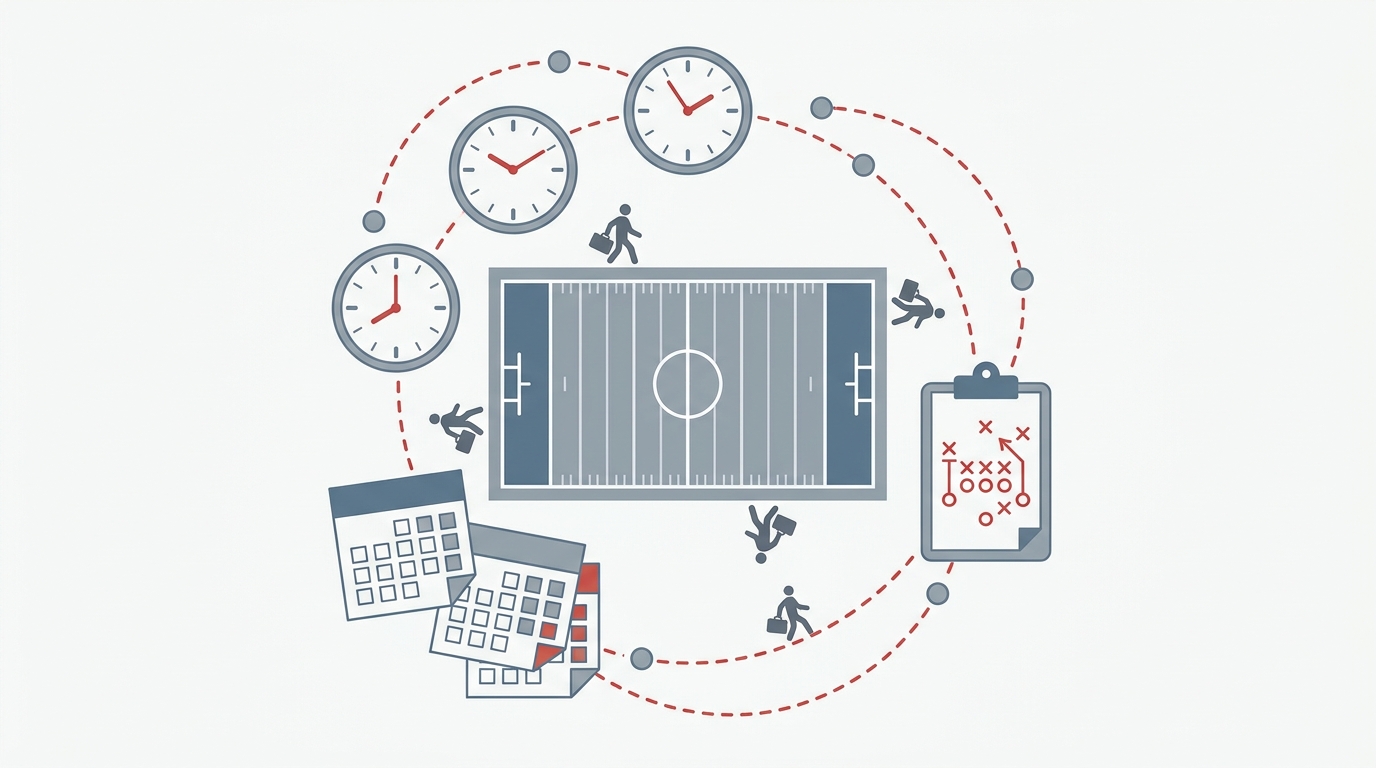
Patriots 2026 schedule: Opponent complexity table
Below is a comparative table that highlights travel, back-to-back clusters, and scheduling complexity. The table uses relative distance tiers to avoid precise claims. Therefore readers can see why analysts call this slate a logistical nightmare.
| Opponent | Travel distance category | Back-to-back cluster | Scheduling complexity | Why it matters |
|---|---|---|---|---|
| Buffalo Bills | Short (under 500 miles) | No | High | Divisional rivalry demands physical prep and quick recovery |
| New York Jets | Short (under 500 miles) | No | Medium | Close travel, but matchup specifics force tactical shifts |
| Miami Dolphins | Medium (500 to 1500 miles) | Yes | High | Time zone shift and humidity complicate recovery |
| Kansas City Chiefs | Medium (500 to 1500 miles) | No | High | Long plane time plus elite opponent raises prep needs |
| San Francisco 49ers | Long (over 1500 miles) | Yes | Very High | Coast-to-coast swing and primetime pressure strain depth |
| Seattle Seahawks | Long (over 1500 miles) | No | High | Pacific Northwest travel adds fatigue late in season |
| Dallas Cowboys | Long (over 1500 miles) | No | Medium | Big market primetime plus travel can tighten practice windows |
| Baltimore Ravens | Short (under 500 miles) | No | Medium | Physical matchup with short travel increases injury risk |
| Tennessee Titans | Medium (500 to 1500 miles) | Yes | Medium | Consecutive away games create recovery and planning hurdles |
Key takeaways for the Patriots 2026 schedule
- Multiple long trips create cumulative travel debt, therefore fatigue grows over the season.
- Clustered stretches with back-to-back challenges force load management and roster rotation.
- Because elite opponents appear in tight windows, game plans must simplify to remain effective.
- Moreover, operational moves like charter timing and plane upgrades become competitive edges.
On air, Doug Kyed and Michael Hurley argue these calendar quirks drive decisions. They note trade conversations and mailbag topics, including what price is too much for A.J. Brown?, often tie back to schedule pressure.
Strategic implications for Mike Vrabel and the Patriots
Mike Vrabel faces a calendar that forces tradeoffs in preparation, recovery, and in-game decision making. Because the Patriots travel heavily, practice time will shrink. Therefore coaches must prioritize what to rehearse each week. Vrabel will likely favor fundamental drills and situational reps over installing complex new packages.
Preparation changes will be practical and fast. For example, coaches may simplify the game plan during short weeks. As a result, playbooks could emphasize base formations and quick reads. Vrabel has stressed situational focus in past seasons, and that emphasis fits this slate. He told reporters that the team must “manage the grind,” and that mindset will shape weekly schedules and practice intensity.
Player recovery will also alter personnel choices. Travel and time zone shifts increase fatigue. Consequently training staff will push proactive recovery protocols, and Vrabel must balance rest with needed reps. Veteran starters may see capped snap counts, and younger players will get expanded roles. Moreover depth evaluation will become a strategic priority during preseason and early games.
Game strategy will reflect calendar realities:
- Short weeks will favor quick-strike offense because it reduces play complexity and reduces mental load.
- Against elite opponents clustered together, Vrabel may lean on conservative game scripts early, and then open playcalling later.
- Special teams and field position will gain emphasis because turnovers and short-fields matter more under fatigue.
Because these changes affect win probability, front office moves will align with schedule concerns. For instance, urgency in trade talks may rise if injuries pile up, and debates like “what price is too much for A.J. Brown?” will include calendar context. Finally, Vrabel’s leadership style matters. If he communicates clear priorities and rotates responsibility well, the Patriots can mitigate the schedule’s strain. However failure to adapt could magnify late-season collapse risks.
Summarizing the Patriots 2026 schedule, the calendar creates travel strain, compact short weeks, and clustered elite opponents that raise injury risk and strategic strain. Therefore coaches face continuous tradeoffs between preparation and recovery. As a result, game planning will often favor simplicity over complexity.
Fans and analysts should watch the calendar as closely as personnel moves. Moreover understanding logistical pressure clarifies why front office urgency rises during the season. It also explains trade debates including what price is too much for A.J. Brown? Analysts gain context beyond box scores.
For more insider coverage and updates, visit Patriots Report LLC and follow their reporting on Twitter at @ZachGatsby. Patriots Report LLC offers deeper pieces on plane upgrades, travel logistics, and roster strategy. Finally, staying informed turns schedule anxiety into meaningful discussion about team strategy and outcomes.
Stay tuned throughout the season for analysis, injury updates, and scheduling breakdowns. For direct updates follow @ZachGatsby and visit https://patriotsreport.com for deeper articles. These resources give fans the insider scoop they need.
Frequently Asked Questions (FAQs)
What makes the Patriots 2026 schedule a logistical nightmare?
Because it mixes coast-to-coast trips, short weeks, and tight stretches of elite opponents. Travel and compressed prep create cumulative fatigue. Coaches face constant tradeoffs in practice, recovery, and game planning.
How does heavy travel affect player performance and recovery?
Time zone shifts disrupt sleep and recovery cycles. As a result, injury risk rises and practice intensity often falls. Training staff must deploy proactive recovery protocols and monitor workloads closely.
Will the schedule force tactical changes during games?
Yes. Coaches will simplify playbooks on short weeks and favor quick reads. Moreover special teams and field position gain value when offenses run limited scripts.
Could the schedule increase urgency in trades and roster moves?
Absolutely. When injuries pile up, front offices act faster. Therefore trade talks and signings will include calendar context as well as pure talent need.
What should fans watch for during the season?
Watch snap counts, rotation patterns, and recovery reports. Also track back-to-back tough stretches. Those windows will likely shape win totals and playoff positioning.