Patriots 2026 mock draft scenarios could be the turning point that turns New England’s defense from reliable to terrifying by 2026. Because the front office holds multiple late-round assets and tradeability, the team can target impact defenders and depth across the secondary and line. As a result, an aggressive draft plan could shrink opponents’ windows and force more turnovers.
This piece takes an analytical and optimistic view. First, we outline realistic trade moves and value picks that address edge rush, interior pass rush, and safety depth. Then, we explore how specific prospects fit the Patriots’ scheme. For example, adding a disruptive defensive tackle and a rangy slot corner could improve gap control and coverage versatility. However, the more likely path mixes premium day one talent with smart day three sleepers.
Read on to see mock scenarios built from realistic roster needs, scouting profiles, and draft-market dynamics. We will show how targeted selections and small trades could deliver a 2026 defense that pressures quarterbacks, shuts down the run, and creates game-changing plays. Therefore, optimism meets evidence in the sections that follow.
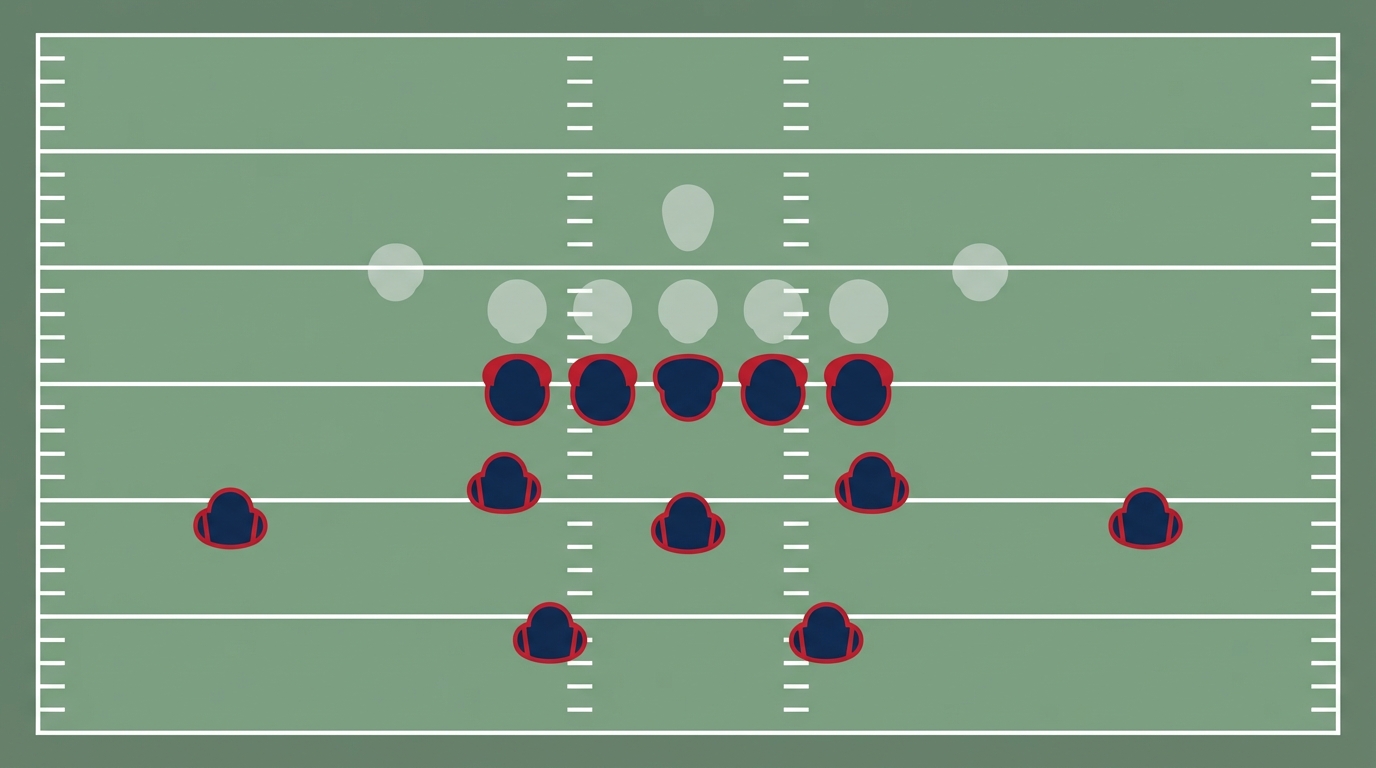
Patriots 2026 mock draft: Key defensive players and trade scenarios to watch
Below are the defensive prospects and trade scenarios most likely to reshape New England’s defense by 2026. The analysis focuses on fit, upside, and realistic draft movement. Because the Patriots need both impact starters and depth, each name below matters for different reasons.
- Quinyon Mitchell — First round talent and First-Team All-Pro. He already changed how teams value long, twitchy corners. Therefore, Mitchell represents the premium blueprint for a shutdown boundary corner. Although he is not a realistic 2026 target, his success raises the market for similar prospects.
- McNeil-Warren — Projected top-40 pick and an athletic slot or boundary option. He fits New England’s coverage scheme because he shows fast processing and strong recovery skills. As a result, trading up into the late first or early second could be justified.
- D’Angelo Ponds — A Patriots and Vrabel type because of tenacity and special teams upside. Ponds is listed at 5-foot-9, which will scare some teams. However, he plays bigger than his size and could slide into day two. In this simulation he fell to pick 94, which made him an excellent value selection.
- Perkins — High-upside edge rusher with 26 tackles for loss and 13 sacks in his early career. Yet he has been away from the field for 19 months, so medical and rust concerns exist. Still, if the staff buys his rehab report, Perkins could supply late-first or early-day-three pass rush upside.
- Robinson and interior options — Robinson posted eight sacks and an elite pass-rush grade. Therefore, a late-round flyer on a disruptive interior rusher could add immediate pressure. Coach Vrabel historically drafts defensive linemen when he has many picks, so depth here matters.
- Safety and secondary depth — Dell Pettus is the only backup safety listed on the roster, and Jaylinn Hawkins is a pending free agent. Because of that thinness, targeting a Day 2 safety or versatile defensive back becomes essential. The Patriots may prioritize coverage versatility over raw size because they value scheme fit.
Trade scenarios to watch
- Trade with Kansas City (move into pick 74) — New England trades pick 94 plus 2027 fourth and fifth rounders. This move buys the Patriots a chance at premium day-two talent. As a result, they could secure a top boundary corner or a high-upside pass rusher early on day two.
- Trade with Tennessee (consolidate to pick 101) — New England bundles picks 125, 168, and 190 to get pick 101. This move concentrates mid-round capital into a single higher pick. Therefore, the Pats can target prospects like Ponds or a developmental safety without sacrificing volume.
- Maxx Crosby chatter and free agent pivots — Crosby trade rumors may change New England’s plan dramatically. If the front office pursues an established pass rusher, they may use fewer early picks on edge talent. For context, see this exploration of those rumors: this article and this look at Crosby trade scenarios: this article.
Because the Patriots also need to fix the run defense, expect them to balance interior beef with perimeter speed. For deeper run-fit analysis, see this related mock: this related mock.
Taken together, these names and trades show a clear pathway. With smart wheeling and dealing, New England can add starters and depth. Therefore, the Patriots could field a more aggressive, turnover-hunting defense by 2026.
| Player | Position | College | Draft projection | Notable stats or attributes | Potential impact on Patriots defense |
|---|---|---|---|---|---|
| Quinyon Mitchell | Cornerback | Toledo Rockets | 2024 1st round; First-Team All-Pro | Long, twitchy boundary cover man; shutdown traits | Provides blueprint for a true boundary shutdown corner and raises market value for similar prospects |
| McNeil-Warren | Cornerback / Nickel | N/A | Projected top-40 pick | Athletic with quick processing and recovery speed | Can step into slot or boundary roles and potentially start early in the rotation |
| D’Angelo Ponds | Cornerback | James Madison | Day 2 candidate (simulation: fell to pick 94) | Listed at 5-foot-9; plays bigger; special teams value | Immediate depth, special teams producer, fits Vrabel mold for competitive slot/zone assignments |
| Perkins | Edge Rusher | N/A | High-upside pick; medical/availability concerns | 26 tackles for loss and 13 sacks in early career; 19 months since last game | Boom-or-bust pass-rush upside if medicals check out; could add late-first or developmental depth |
| Robinson | Defensive Tackle / Interior Rusher | N/A | Day 3 / late-round flyer | 8 sacks this year; 84.7 PFF pass-rush grade; 9.1% pressure rate | Disruptive interior presence that improves gap control and inside pressure |
| Tucker | Edge Rusher | Western Michigan | Day 2-3 prospect | 14 sacks in college; 18.3% missed tackle rate | High pass-rush production but needs tackling polish; fits situational pass-rush and rotational roles |
Draft projection notes: Each prospect is chosen for their ability to address specific weaknesses in the Patriots’ defense. McNeil-Warren and Ponds enhance coverage versatility, while Robinson and Perkins offer valuable pass-rush depth and interior disruption. These selections are crafted to bolster both immediate depth and long-term defensive efficacy.
Trade scenarios and defensive depth insights
Trades could reshape New England’s draft board and defensive outlook. Because coach Vrabel has historically drafted defensive linemen when he holds many picks, the front office will value flexibility. Therefore, packaging mid and late picks lets the Patriots chase premium day two talent or proven veterans.
The Kansas City trade centers on moving up from pick 94 into pick 74. New England trades pick 94 plus 2027 fourth and fifth rounders to Kansas City for pick 74. As a result, the Patriots could target a high-end boundary corner or an impact interior rusher. This move buys quality over quantity and helps secure a starter rather than a developmental lottery ticket.
The Tennessee trade consolidates three lower picks into pick 101. New England trades picks 125, 168, and 190 to Tennessee for pick 101. Therefore, the team concentrates mid-round capital into a single meaningful selection. In this simulation, Ponds fell to pick 94, and the move to 101 would still allow the Pats to grab similar day two value.
Depth realities force action now. Dell Pettus remains the only backup safety on the roster, and Jaylinn Hawkins is a free agent at season end. Because of that thinness, adding a Day 2 safety or versatile defensive back is urgent. Meanwhile, interior pressure and edge depth also need attention, given Morgan Moses’ age and gaps up front.
Quote driven decisions matter. “Ponds may sneak his way in the second round, but in this simulation, he falls to 94,” which explains why moving up makes sense. Additionally, acquiring a player like Robinson on day three could add inside disruption. Perkins offers upside, but his 19 month absence raises medical concerns.
Potential benefits of trade moves
- Secure a near-immediate starter at a key need spot, rather than drafting developmental depth
- Add a proven day two talent who impacts both run defense and coverage versatility
- Consolidate picks to target scheme fits favored by Vrabel and the coaching staff
- Preserve the ability to take a late-round flier on a high-upside interior rusher like Robinson
In summary, smart trades balance immediate needs with long-term depth. Therefore, a mix of moving up and keeping mid-round volume gives New England the best chance to field a terrifying defense by 2026.
Patriots 2026 mock draft scenarios show a clear path to a scarier defense. By adding day-two starters and late-round disruptors, New England can improve pass rush and secondary depth. As a result, opponents will face more pressure and fewer open windows.
Analytically, the plan balances interior beef with perimeter speed. For example, targeting a high-upside interior rusher and a versatile defensive back fixes run gaps and coverage holes. However, medical and size concerns remain for some prospects. Therefore, smart trades and scheme fits become vital.
Follow Patriots Report LLC for ongoing mock draft updates and analysis. Visit Patriots Report for full coverage, and follow us on Twitter at @ZachGatsby for quick takes. Stay optimistic and watch how targeted picks could turn the Patriots’ defense into a real nightmare by 2026.
Frequently Asked Questions (FAQs)
What is the goal of the Patriots 2026 mock draft in this piece?
The goal is to show realistic ways New England can add starters and depth. We analyze trade paths, scheme fit, and prospect traits. Therefore, readers see how targeted picks could improve pass rush and secondary play.
Could trades with Kansas City or Tennessee change the Patriots draft outcome?
Yes. Moving up to pick 74 buys Day 2 talent. Consolidating to pick 101 concentrates mid-round capital. As a result, the Pats can secure a near-ready starter instead of several developmental players.
Which prospects give the biggest defensive boost?
McNeil-Warren and Ponds offer coverage versatility. Robinson and Perkins add inside and edge pressure. Quinyon Mitchell is referenced as a market benchmark for elite corner play.
Do size or medical issues affect these targets?
Absolutely. Ponds is listed at 5-foot-9, and Perkins missed 19 months. Therefore, teams will weigh medical reports and on-field tape before drafting.
How soon will draftees impact the defense?
Some will help immediately on special teams. Others may start in year two. However, smart coaching and schematic fit speed development.