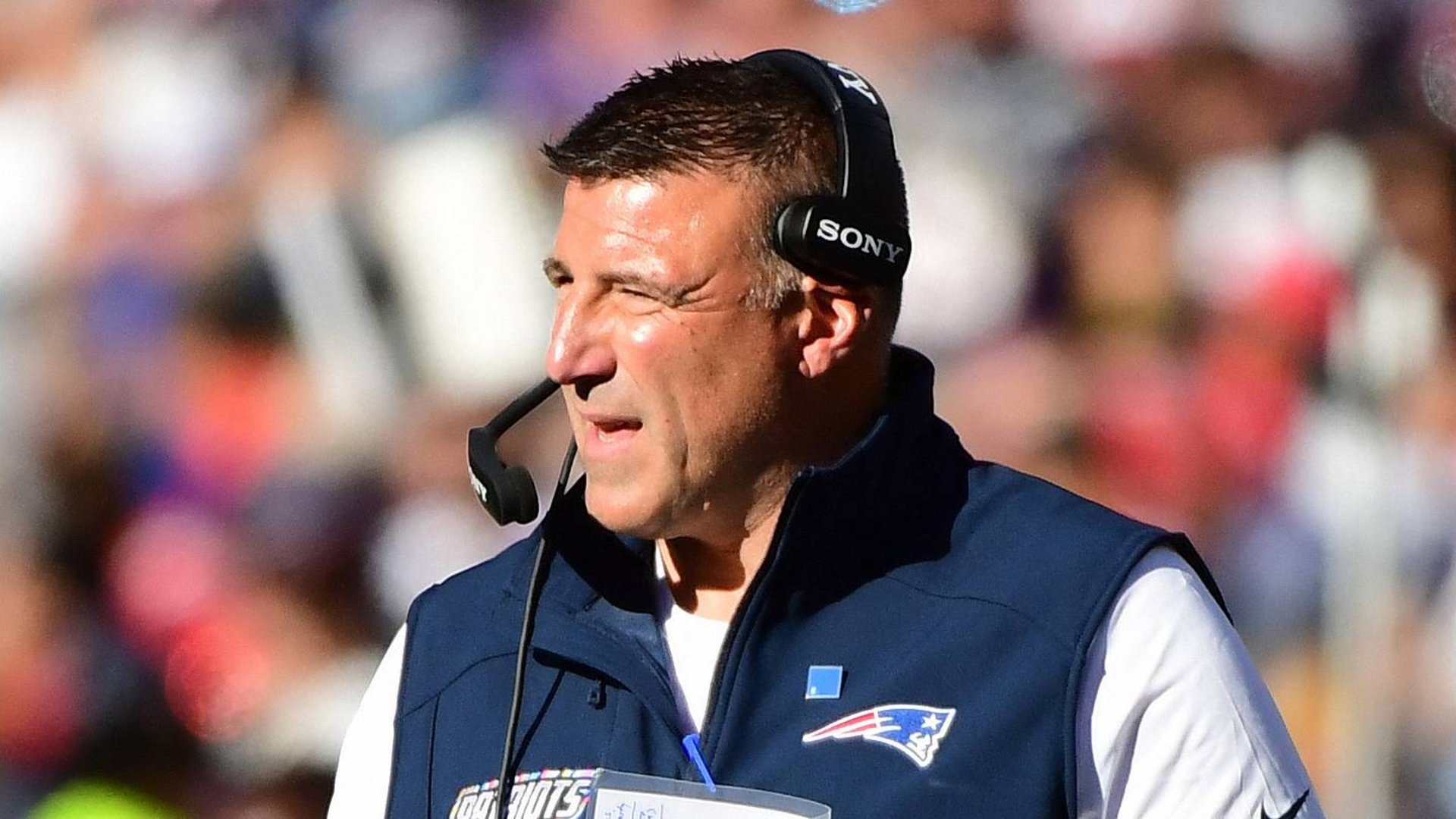
Josh McDaniels came under immediate scrutiny after the Patriots’ Week 1 rematch with the Seahawks, where a conservative early-game approach and a heavy first-down run rate failed to move the offense. The debate over whether McDaniels is “on the hot seat” is a framing device for examining how playcalling choices directly affected New England’s performance and what the coaching staff must fix heading into Week 2.
The concerns center on a clear pattern: a preference to run on early downs, even when those attempts produced little, and an apparent reluctance to pivot to an aggressive passing plan despite defensive vulnerabilities in Seattle. Reported metrics and game context suggest the playcalling, not just execution, deserves scrutiny. Source reporting and quotes below are attributed to musketfire.com and reporter Sara Marshall.
Game snapshot: offense by the numbers
The most cited figures from the postgame coverage: McDaniels called runs on first down at roughly 60% of snaps, and the ground game struggled to gain separation before contact. Musketfire’s report quotes a social-media post from Chad Graff that put the Patriots’ rushing mark at 0.07 yards rushing before contact. That figure is presented here as an attributed tweet and is explicitly flagged as unverified — it should be cross-checked against independent play-by-play tracking or analytics providers before being treated as a definitive metric.
The Patriots averaged 0.07 yards rushing before contact. (No team last season was lower than .5) — Chad Graff (@ChadGraff)
The musketfire piece also noted Seattle was missing multiple safeties, a factor that would normally invite earlier aggressive passing. Instead, the Patriots leaned into the run, and those early calls frequently met a prepared Seahawks defensive front (source: musketfire.com, Sara Marshall).
Why Josh McDaniels’ playcalling is under scrutiny
The core critique is situational: when first-down runs are generating poor results, continuing to prioritize them compounds negative tendencies. Calling the run on first down around 60% of the time put the offense into predictable down-and-distance sequences, limiting opportunities to attack Seattle’s weakened secondary.
That predictability pressured both play design and the quarterback. Musketfire described Drake Maye as “not on his game” Wednesday night and argued McDaniels shared responsibility for limiting chances to throw earlier and downfield. The pattern suggested a reluctance to pivot aggressively when the run failed, rather than a single poorly executed series.
Context matters: establishing a run early is conventional, particularly with a back like Rhamondre Stevenson. But the source’s reporting alleges the early-run plan was not working against Seattle’s defensive front and should have been abandoned sooner in favor of quicker passing concepts that stress the secondary.
Small wins amid the collapse
Musketfire’s coverage is not all negative. The offensive line drew praise for largely holding its own despite the overall dysfunction. The report also highlighted rookies who made an impact and singled out interior defensive addition Dre’Mont Jones as a positive presence on the defensive front.
These bright spots matter: a mostly solid O-line gives McDaniels a clearer pathway to correct course by opening up quicker passing lanes and more nuanced protection. Rookies stepping up provides schematic flexibility, and effective play from Jones can help the defense keep games within reach while the offense searches for answers (musketfire.com).
Week 2: the Steelers test and implications
With the Pittsburgh Steelers on the docket next, the Patriots’ offensive staff faces an early checkpoint. Musketfire framed the matchup as a bounce-back opportunity and suggested McDaniels will need demonstrable adjustment if the run game again stalls.
Language about a “hot seat” should be treated as opinion and a media framing device rather than an assertion of imminent organizational action. Still, narratives tighten quickly: a repeat of heavy first-down runs with little gain against a stout Pittsburgh front would intensify questioning about McDaniels’ fit with a quarterback like Drake Maye and the personnel on this roster.
Practically speaking, Week 2 offers a clear test: can the playcalling become less predictable and allow Maye to leverage his arm earlier? Or will early-run insistence again limit explosive plays and lead to another offensive shortfall? The answers will shape both short-term game plans and longer-term debates about offensive direction.
Bottom line and sourcing notes
Takeaways: musketfire.com (Sara Marshall) argues McDaniels’ playcalling — particularly a high first-down run rate and a failure to pivot when the run failed — was a primary driver of the Patriots’ offensive struggles in Week 1. That critique is grounded in observable play patterns and team performance, but some numerical claims — most notably the 0.07 yards rushing before contact figure credited to Chad Graff — require independent verification before being reported as definitive analytics.
Recommended verification steps: cross-check the 0.07 yards-before-contact figure against play-by-play tracking and trusted analytics providers such as Next Gen Stats, Pro Football Focus (PFF), or the NFL’s official play-by-play data. Until corroborated, treat the Chad Graff figure as an attributed social-media observation included in the musketfire story rather than a settled metric.
Source: Sara Marshall, musketfire.com — full story: Josh McDaniels might be in the hot seat already after Patriots’ season opener.
Note: This analysis links play-by-play tendencies reported by musketfire with practical coaching implications. Opinions about job security or firings are beyond the scope of verified reporting and are presented here only as media narratives that could follow from continued offensive struggles.