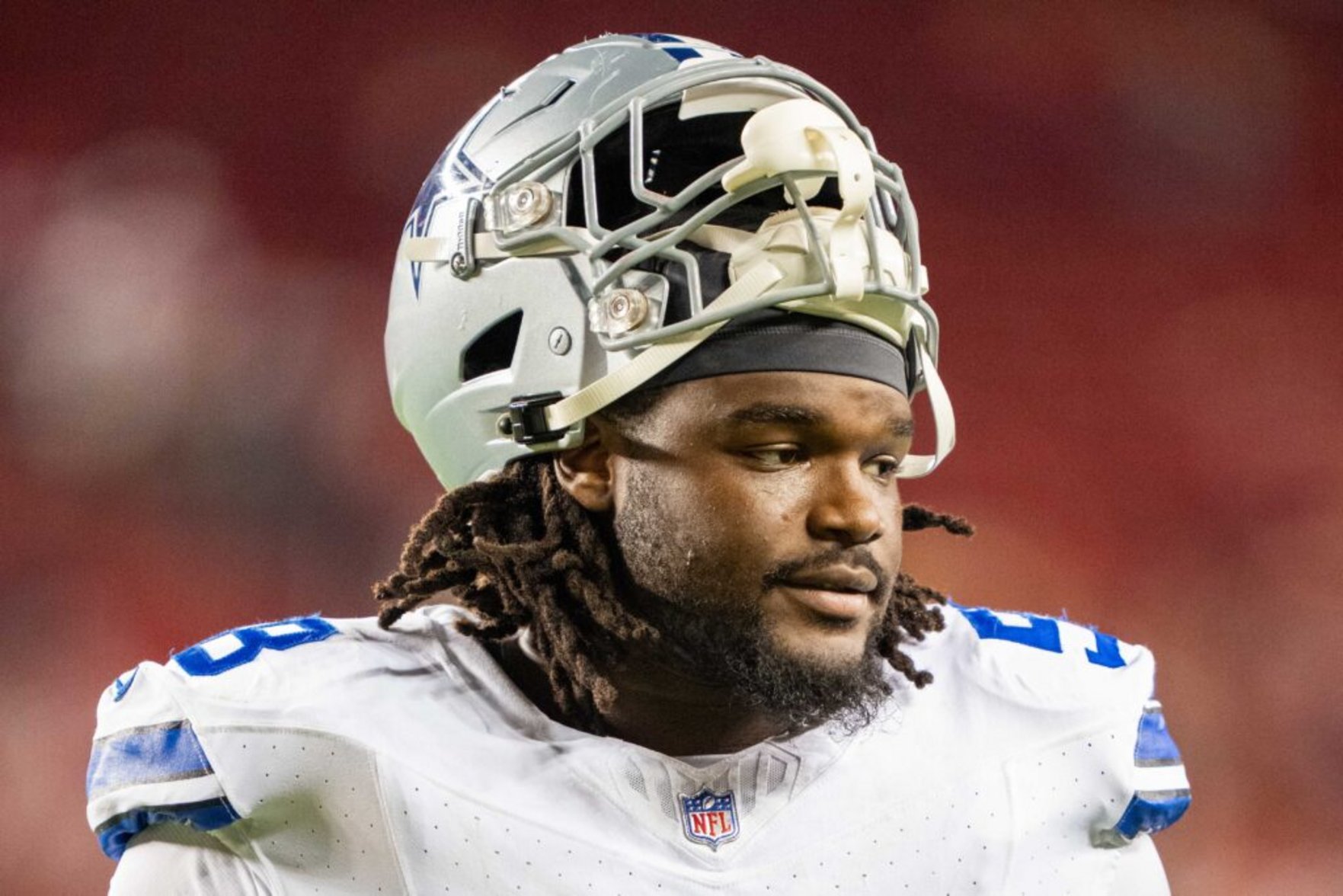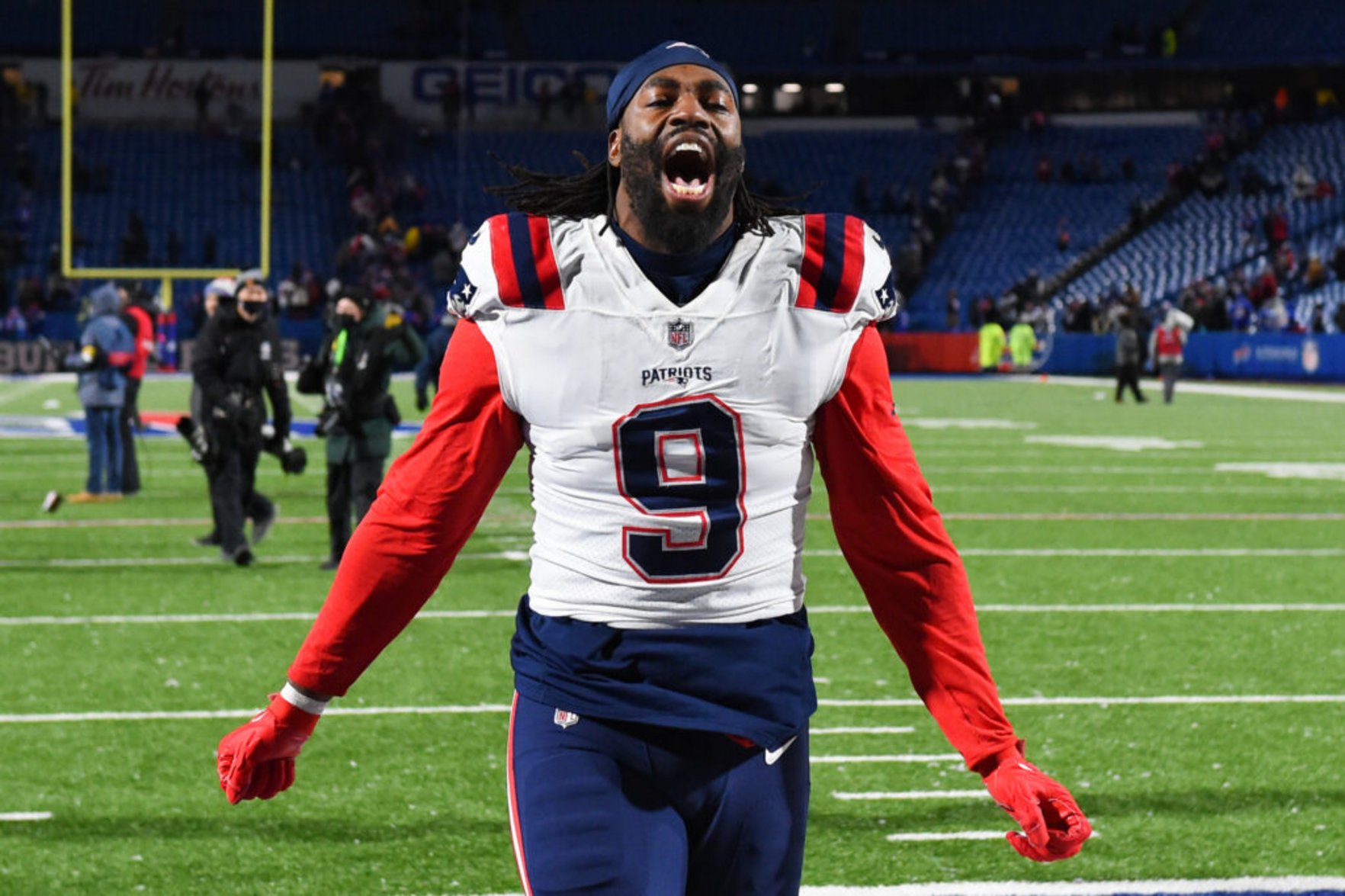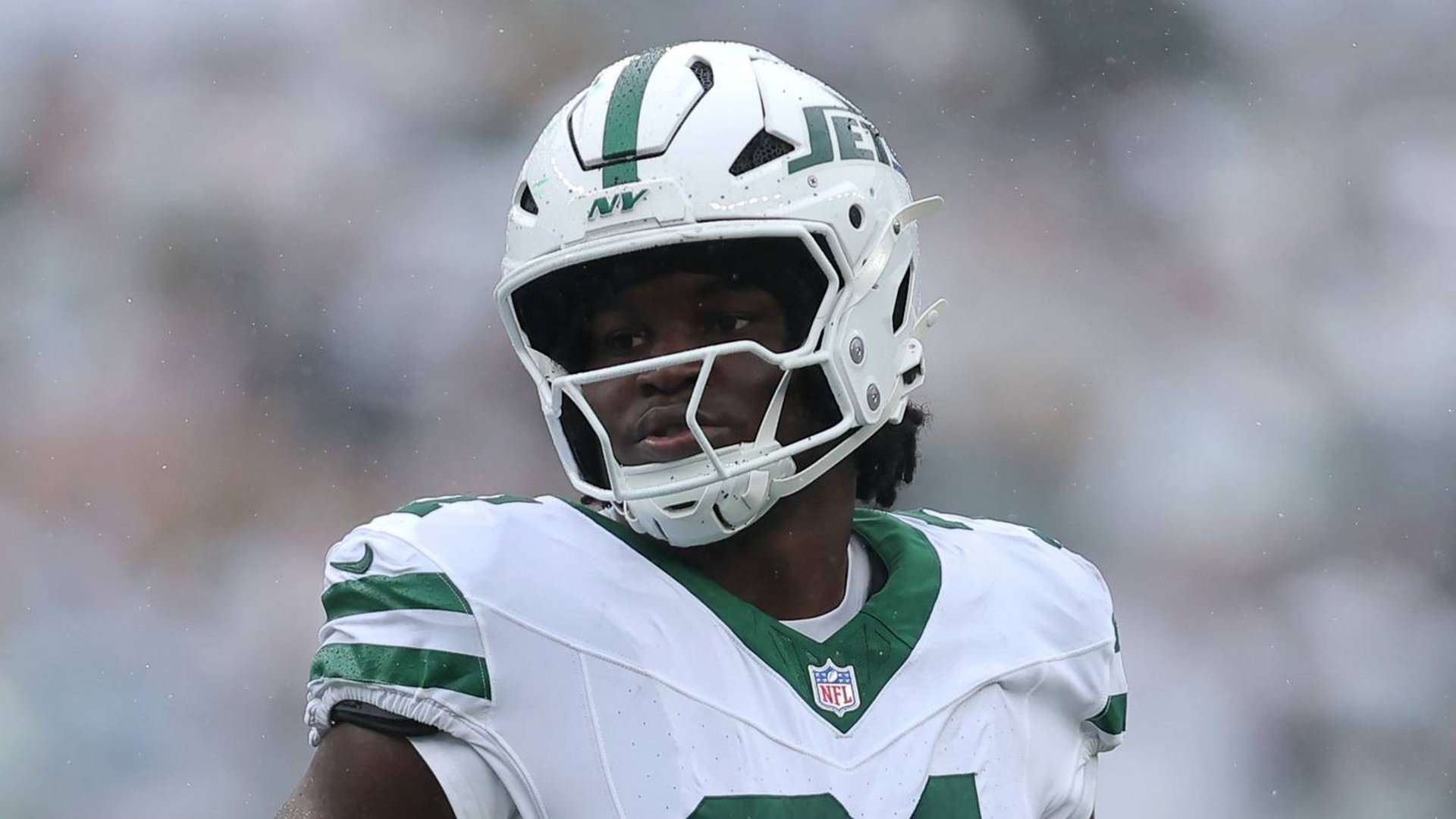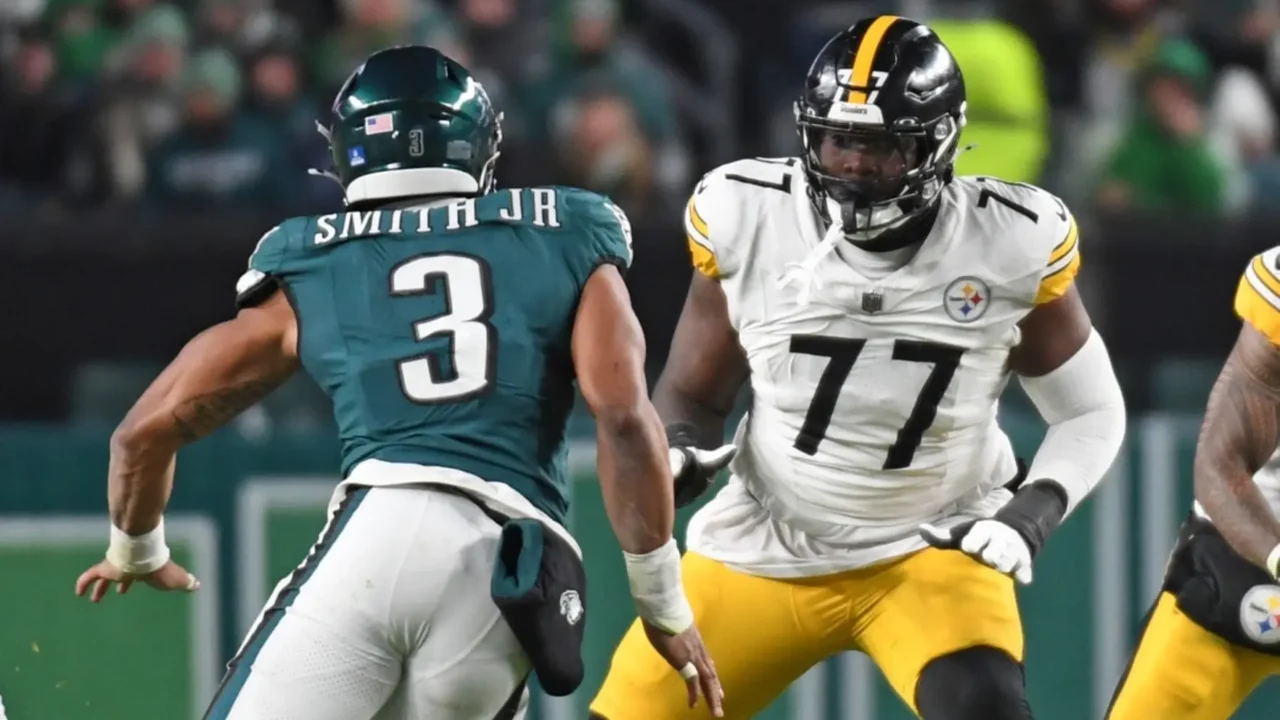
Logan Ulrich of NFLTradeRumors.co cataloged a busy August: there were 22 preseason trades around the league. Ulrich assigned a grade to each swap and identified a market tilted toward low-cost, high-upside deals — the type of moves that quietly reshape depth charts more than headline rosters.
Below is a concise breakdown: a three-point quick take, a compact table of the highest-impact swaps with Ulrich’s grades, a short winners-and-losers synthesis and a closing note on what those grades should mean to front offices and fans.
Preseason trades: three fast takeaways
- Volume: There were 22 preseason trades, one more than last year — a steady flow but no single blockbuster on the scale of earlier Micah Parsons deals.
- Market tone: Most moves followed a “low-risk, potential-reward” pattern — what Ulrich describes as the “five pennies for a nickel” style of swaps where futures and late picks trade for depth pieces.
- Process over panic: Many clubs used these trades to convert low-probability roster bets (UDFA/futures deals or bubble players) into draft capital or usable depth.
Table: Top 8 trades and Logan Ulrich’s grades
Notable winners and losers, per Logan Ulrich
Ulrich calls several clear wins and misfires across the 22 trades. Teams that turned low-cost roster bets into draft value — like the Rams flipping an undrafted tight end for a pick or the Packers converting a futures QB into a draft asset — pop as tidy process wins.
On the flip side, Ulrich flags some deals as speculative losses if the acquired player fails to stick: for example, the Cardinals giving up future capital for a veteran tight end drew a D+ because the payback is uncertain. Similarly, moves that appeared to remedy position depth quickly (interior OL and tackle swings) were graded conservatively because their payoff depends on coaching and scheme fit.
What the grades mean for roster building
Ulrich’s grades should be read as opinionated snapshots from the NFLTradeRumors.co piece — not final judgments. A grade like B signals a reasonable cost-to-upside ratio; a lower grade often reflects an unfavorable balance of present value versus future capital. Many of these trades are inherently speculative: a UDFA or late-round acquisition could become a starter, but more often they provide short-term depth or practice-squad competition.
Front offices use low-cost trades to manage roster risk. Turning a camp bubble player into a future sixth or seventh-rounder is often process-minded asset management. Conversely, trading meaningful mid-round capital for a short-term plug is riskier and thus graded more harshly by Ulrich.
Patriots perspective: relevance for New England roster planning
For the New England Patriots, this market underscores two takeaways for roster planners: late-round and futures capital remain useful currency to shore up depth, and swing tackle/OL depth trades (like the team’s own acquisition of Walter Rouse noted in Ulrich’s roundup) illustrate how clubs value plug-and-play backups ahead of the regular season.
These moves are prototypes for how a team with mid-level depth concerns might prioritize versatile backups over high-risk big-ticket swaps. For Patriots fans watching roster construction at Gillette Stadium, the lesson is that incremental moves can compound into meaningful depth advantages by midseason — though Ulrich cautions that uncertainty remains high with most of these players.
Source notes and how we used NFLTradeRumors.co
This recap is grounded in Logan Ulrich’s original piece at NFLTradeRumors.co, which listed and graded each of the 22 preseason trades. Grades and forward-looking claims in this article are presented as Ulrich’s opinions and speculative projections. Third-party metrics cited by the source (for example, PFF evaluations referenced by Ulrich) are treated as interpretive rather than definitive.
Read the original roundup by Logan Ulrich for the full trade-by-trade commentary: NFLTradeRumors.co — Grading All 22 Preseason Trades.
Source: Logan Ulrich / NFLTradeRumors.co (link above). Patriots Report adapted and summarized the grades and takeaways for our readers; all grades shown are credited to Ulrich.