Drake Maye under pressure and running ability: Unleashing his most dangerous traits in 2026 schemes
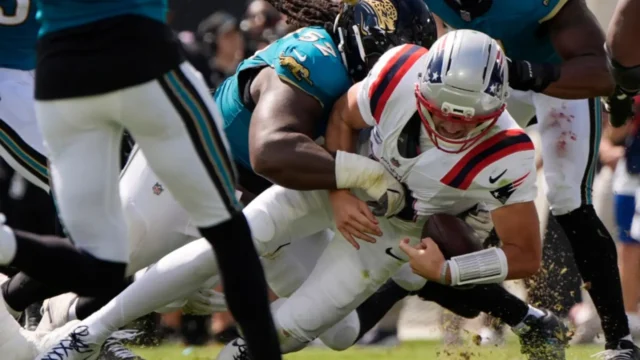
Drake Maye under pressure and running ability define his biggest advantage when games grow chaotic. Imagine a quarterback who averages 8.9 yards per attempt under duress. He still completes throws at a 72 percent clip. However, opponents sacked him frequently and tested his limits. Still, his elusiveness and programmed quarterback runs can unlock explosive gains.
This piece argues for schemes that liberate Maye’s mobility in 2026 offense. Therefore, we propose more designed runs, quick passes and deception plays to counter pressure. Because he thrives when defenders overcommit, creative play design becomes vital. As a result, the Patriots can turn a mobile quarterback into a championship engine.
We will examine his 8.9 yards per attempt under pressure and why that matters. Then we break down plays that exploit the Seahawks 38.1 percent pressure rate. Finally, we lay out practical play calls. Alignment tweaks will let Maye run when it matters.
Drake Maye under pressure and running ability: Pressure-era production
Drake Maye averaged 8.9 yards per pass attempt when defenders reached him, according to NextGenStats. This figure tops the NextGenStats era and signals elite play under duress. However, he absorbed heavy contact, taking 47 sacks in the regular season and 15 more across three playoff games. Still, Maye completed 72 percent of his throws while escaping chaos. As one observer put it, “It’s a mistake that only Maye’s elusiveness in escaping pressure and uncanny passing accuracy have ameliorated.”
Maye ranked as a different tier when the pocket broke. Therefore, pressure did not reduce his explosiveness. Instead, it often created higher-value throws and big-yard scrambles. For context, NextGenStats lists his pressured efficiency at NextGenStats.
Drake Maye under pressure and running ability: Mobility as a schematic weapon
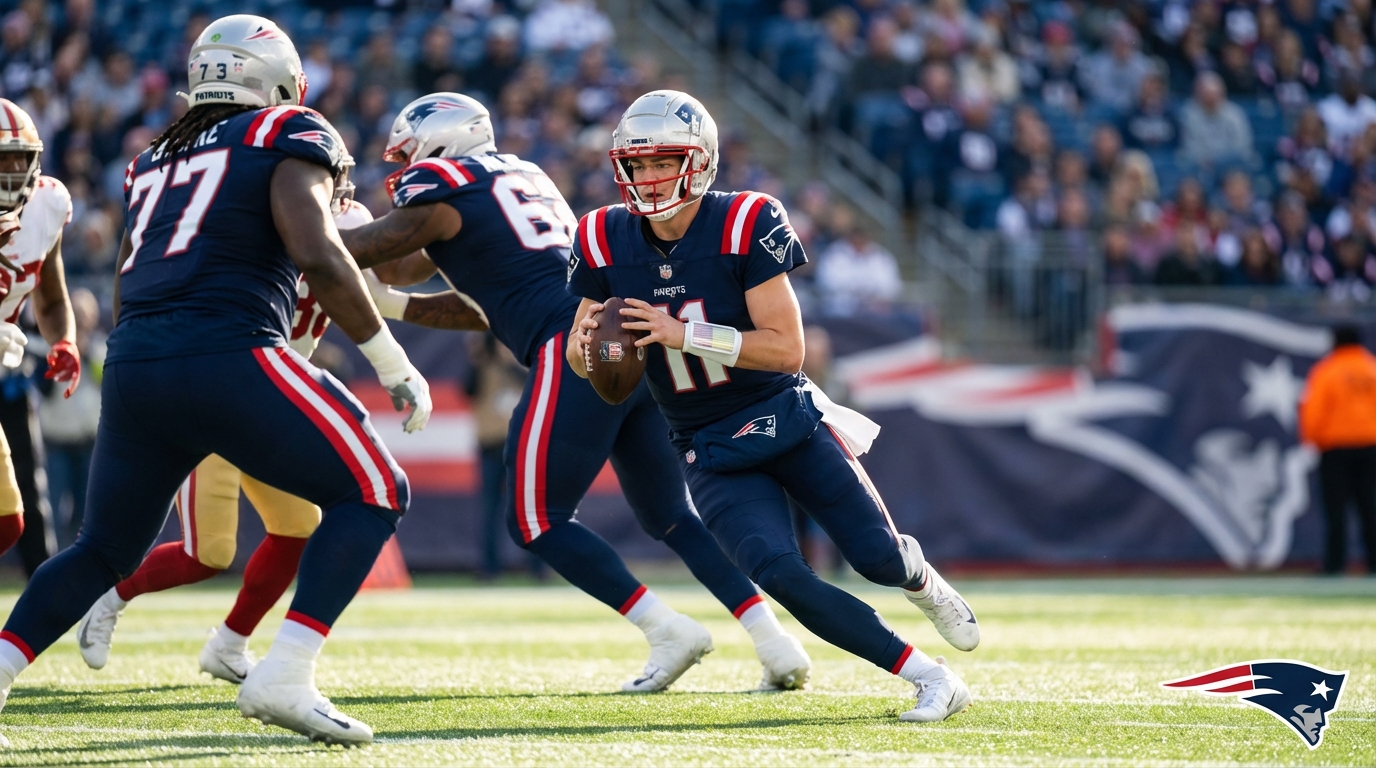
Maye’s running ability lets coaches convert pressure into advantage. Because he can extend plays, designed quarterback runs become valuable. Programmed QB draws, RPO reads, and bootlegs exploit overcommitting pass rushers. As a result, Zone-read and trap concepts raise expected points per play when used properly.
Translate his traits into 2026 schemes by mixing quick game elements and controlled mobility. Use quick hitches and bubble screens to punish blitzes. Then add misdirection runs and sprint-outs to widen seams. For more on his 2025 delivery under stress, see PatriotsReport analysis.
Practical priorities for playcalling include:
- Prioritize short rhythm passes and cleansed reads to limit sack risk
- Script QB runs in early downs to change defensive keys
- Use play-action and bootlegs to widen containment and create lanes
Finally, his traits solved matchup problems against the Seahawks pass rush. For a deeper breakdown versus Seattle, read PatriotsReport analysis. Don’t sell his mobility short because it can mask other concerns and drive championship-caliber offense.
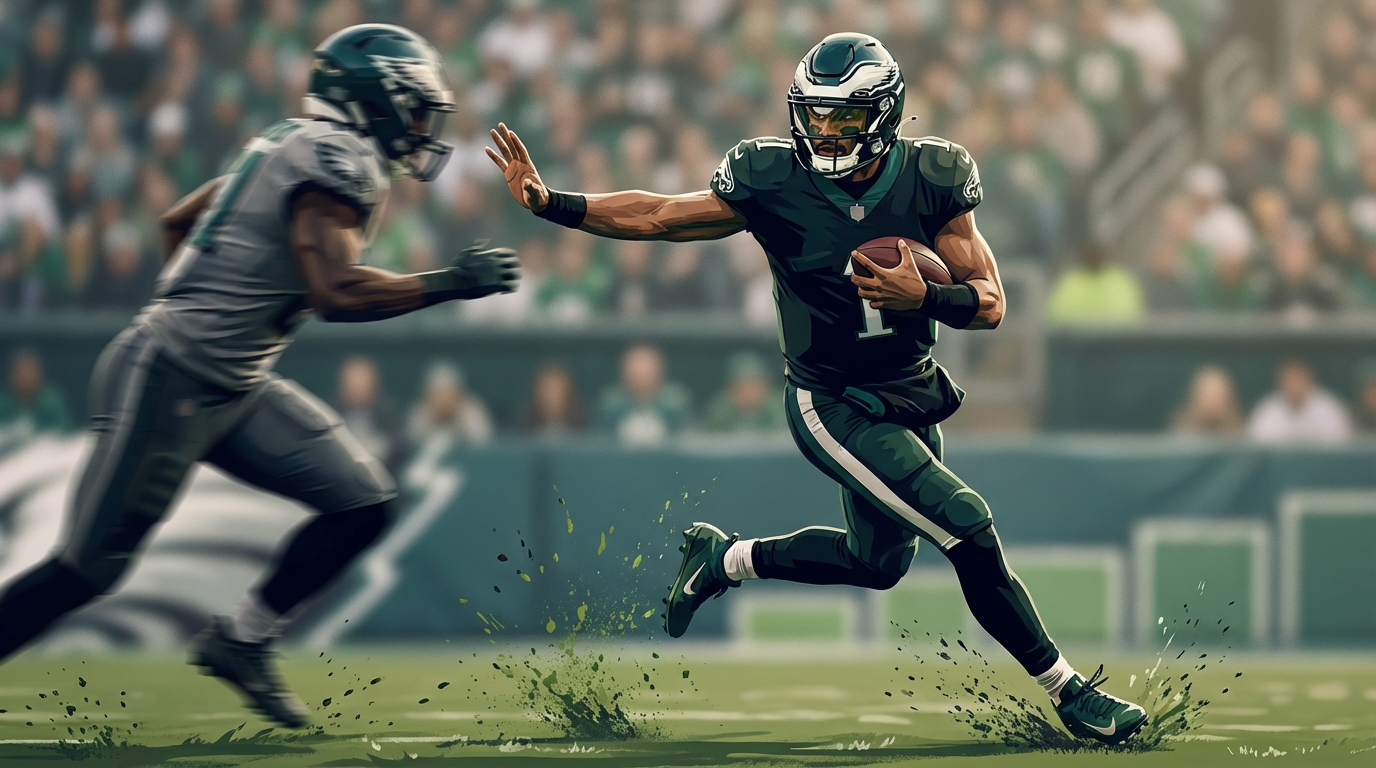
Drake Maye under pressure and running ability versus NFL averages
| Metric | Drake Maye (2025 incl playoffs) | NFL Average (starting quarterbacks) |
|---|---|---|
| Yards per pass attempt under pressure | 8.9 | 4.8 |
| Completion rate (overall) | 72% | 62% |
| Regular season sacks taken | 47 | 28 |
| Playoff sacks in three games | 15 | 5 |
| Pressure-era efficiency rank (NextGenStats era) | 1st | Median |
Therefore, Maye stands out in pressured production and escape value. Because his yards per attempt under pressure nearly double the league mark, defenses face unique dilemmas. However, his high sack totals show the need for protective design and programmed runs. As a result, the data supports more QB runs and quick-touch concepts in 2026 schemes.
For deeper tactical context, see this PatriotsReport piece.
Drake Maye under pressure and running ability: Built-in schematic advantages
Drake Maye’s combination of pressure production and mobility flips standard defensive calculations. Because he averages 8.9 yards per pass attempt under pressure, defenders pay a steep price when they collapse the pocket. As a result, blitzes that would normally win snaps create open running lanes and high-value throws.
His 72 percent completion rate shows accuracy despite chaos. However, teams still sacked him often, 47 times in the regular season. That number stresses the need for schematic protection and creative play design.
Drake Maye under pressure and running ability: Play calls and priorities
Start by scripting programmed quarterback runs early. These plays change defensive keys and force linebackers to honor the run. Because he is a mobile quarterback, misdirection reads and RPOs gain added leverage.
Mix quick game concepts with bootlegs and play-action. Then add designed sprint-outs to widen containment. As a result, Maye can convert pressure into positive yards without risking the shoulder.
Use deception plays sparingly but decisively. “The attribute that could prove detrimental to the Seahawks may very well be the young quarterback’s running ability,” the analysis argued. Therefore, disguise the run with screens and delayed handoffs.
Balance risk with reward by protecting the quarterback on obvious long-yardage downs. If the Patriots embrace Maye’s mobility, the payoff could be historic. “If the Patriots’ coaching staff can adapt to his arm issue and maximize his running ability with more programmed runs, the dividends could bring a seventh Lombardi Trophy to Foxborough.” Finally, Mike Vrabel’s roster rebuild sets the stage.
Drake Maye’s ability to produce under pressure and his running ability are not nice extras. They are core drivers of a championship plan. Because he averaged 8.9 yards per pass attempt under pressure and completed 72 percent of his throws, the Patriots have a rare weapon. However, he also enters 2026 with an injury context to watch. “Drake Maye’s injury is an issue. His running is the answer to the problem if the Patriots use it as a tool and not just in an emergency.” Therefore, using programmed quarterback runs and controlled mobility reduces strain on his arm and boosts scoring chances.
Strategically, mix short rhythm passes with scheduled QB runs. Then add deception plays and play-action to widen lanes. As a result, New England can protect Maye and also force defenses to choose wrong keys. If coaches embrace this, the upside is real — a path toward another Lombardi Trophy.
For more analysis, follow Patriots Report LLC at Twitter @ZachGatsby.
Frequently Asked Questions (FAQs)
What separates Drake Maye under pressure and running ability from other quarterbacks?
Maye produces at an elite level when rushed. He averaged 8.9 yards per pass attempt under pressure and completed 72 percent of his throws. Because he combines accuracy with escape skills, pressure often creates big plays instead of failures.
How do his sack totals affect scheme decisions?
High sack counts matter. Maye took 47 sacks in the regular season and 15 in three playoff games. Therefore, coaches must add protection and quick-game elements while still unlocking his mobility.
Does Maye’s injury change how the Patriots should use his running ability?
Yes. His shoulder and arm durability are factors to monitor. However, using programmed quarterback runs and controlled mobility offsets strain on his arm and keeps him productive.
What specific plays should the Patriots prioritize in 2026?
Start with scripted QB runs, RPOs, and quick-hitting reads. Then add bootlegs, play-action, and deception plays to widen lanes. As a result, defenses must respect both the run and pass.
Can this approach realistically push New England toward a Lombardi Trophy?
It can. “If the Patriots’ coaching staff can adapt to his arm issue and maximize his running ability with more programmed runs, the dividends could bring a seventh Lombardi Trophy to Foxborough.” In short, the scheme fits Maye’s traits and raises championship upside.