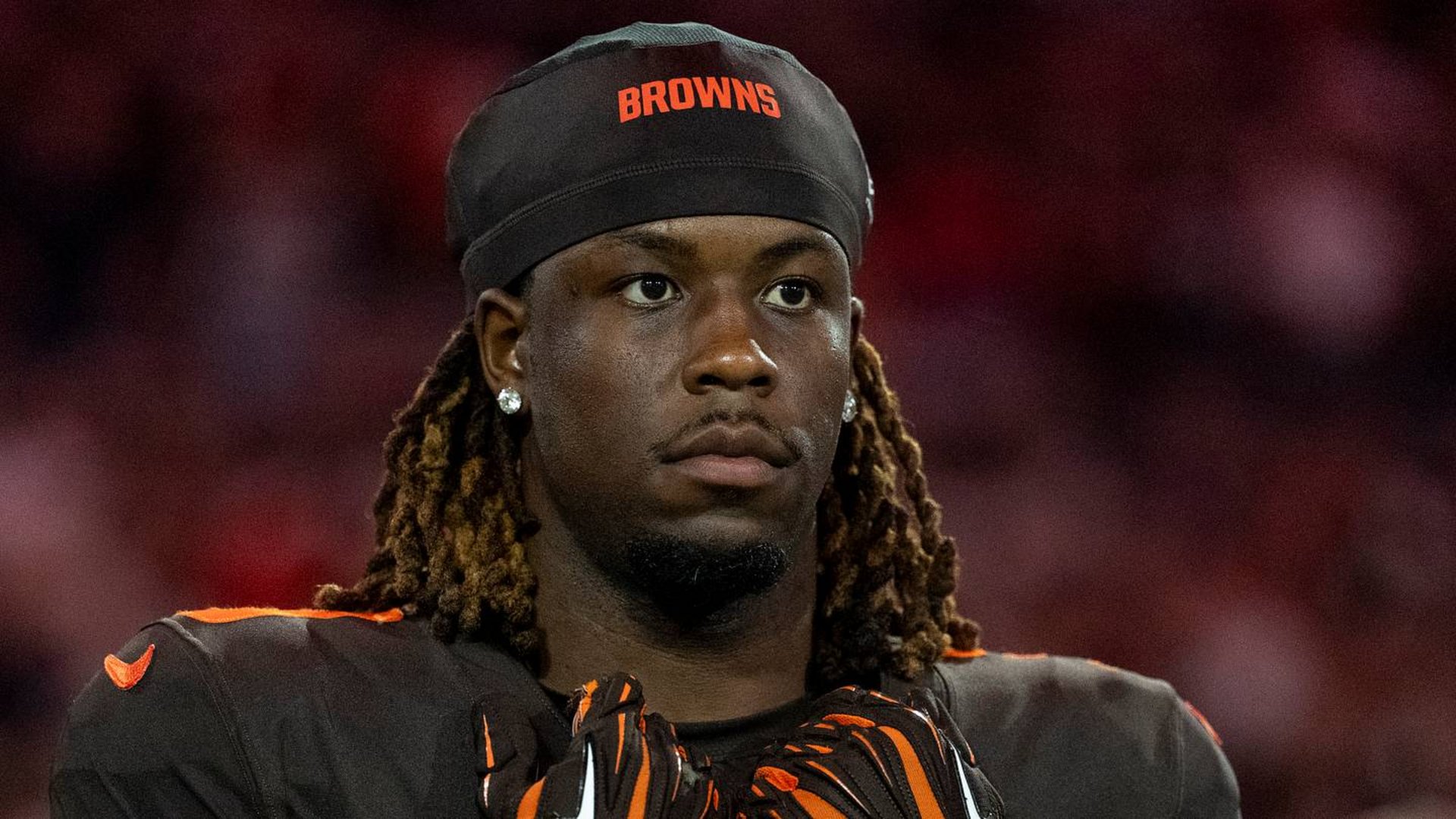
Christian Gonzalez extension: A pivotal offseason choice for the Patriots
Christian Gonzalez extension will dominate New England’s offseason conversations. The young corner enters his third NFL year and becomes eligible for a major deal. Because the Patriots will pick up his fifth-year option by May first, they control his near future. However, the choice to extend or trade him could reshape the roster.
Gonzalez plays as the clear No. one corner with high upside and postseason attention. Also, projections suggest a new contract could reach roughly one hundred twenty million dollars. Teams around the league value lockdown corners, and the Patriots hold leverage. As a result, they could lock him up long term or flip him for premium draft capital.
Strategically, this decision affects edge and secondary spending across the depth chart. For example, paying Gonzalez impacts extensions for Jaylinn Hawkins and K’Lavon Chaisson. Meanwhile, trading him might net two first round picks to accelerate roster rebuilding. Optimistically, the Patriots can win either way, because smart structure or smart trading can rebuild quickly. Stay tuned as this high-stakes offseason unfolds.

Christian Gonzalez extension: Sign or Sell
The Patriots face a binary decision that will shape their roster for years. Because they will pick up Gonzalez’s fifth year option by May 1, they control his near future. Therefore, the team can buy more evaluation time or begin serious contract talks.
Key implications if the Patriots sign Gonzalez
- Cost and structure matter. A projected $120 million deal would make him one of the highest paid Patriots. However, smart structuring can protect the cap in early years.
- Secondary stability improves. As the No. one corner, Gonzalez locks down matchups. Consequently, the team can prioritize pass rush or linebacker upgrades instead.
- Domino effect on extensions. Jaylinn Hawkins and K’Lavon Chaisson both need deals soon. For more on Hawkins, see this article.
Key implications if the Patriots trade Gonzalez
- Instant draft capital arrives. A trade could fetch two first-round picks and accelerate a rebuild. Also, the team gains flexibility to spend elsewhere.
- Short-term coverage gap appears. Losing the No. one corner forces internal promotion or a draft investment.
- Salary cap relief may be tempered. Yet, draft picks cost far less than a $120 million contract.
Comparative context and cap math
- Milton Williams earns about $26 million per year, while Christian Barmore signed a deal worth up to $92 million. Harold Landry and Carlton Davis set other market references.
- Gonzalez’s postseason targets and coverage numbers show he matters on critical downs. For official player info, visit this page.
Strategically, the Patriots can win either way. Signing secures a young lockdown corner. Trading frees premium capital to rebuild the roster quickly. For background on Gonzalez’s playoff debut injury and context, see this article.
Contract comparison: Christian Gonzalez extension in context
Below is a quick look at top Patriots defensive contracts. It shows projected totals and yearly averages side by side.
| Player | Deal length | Total deal value | Yearly average (AAV) | Notes |
|---|---|---|---|---|
| Christian Gonzalez (projected) | 5 years (projected) | $120,000,000 (projected) | $24,000,000 | Projection based on market estimates. |
| Milton Williams | Not disclosed | Not disclosed | $26,000,000 | Current AAV reported. |
| Christian Barmore | 4 years | $92,000,000 (up to) | $23,000,000 | Signed pre-2024 season. |
| Harold Landry | Not disclosed | $43,500,000 | Not disclosed | Reported deal value this offseason. |
| Carlton Davis | Not disclosed | Up to $60,000,000 | Not disclosed | Market reference for veteran cornerbacks. |
Key takeaways
- If signed at roughly $120 million, Gonzalez would rank among the team’s highest paid defenders.
- However, Gonzalez’s AAV would sit near Christian Barmore and below Milton Williams.
- Therefore, signing him requires careful cap structure to protect early years.
- Alternatively, trading Gonzalez would free salary space and provide draft capital.
Christian Gonzalez extension: Postseason performance and trade chatter
Christian Gonzalez finished the postseason with 21 targets, 7 receptions allowed, 58 yards, 0 touchdowns, a 42.4 passer rating, and minus 22.4 opponent EPA. These numbers show clear impact. Because he faced pressure on every route, opponents tested him often. However, quarterbacks posted poor efficiency when targeting him.
That performance raises Gonzalez’s trade value. He was the most targeted defender in these playoffs. As a result, teams now know he can handle heavy workload. Meanwhile, his low completion rate and negative EPA suggest he prevents big plays. Therefore, contenders might offer premium compensation for his services.
Speculation centers on a possible trade for two first round picks. If the Patriots accept that haul, they accelerate a rebuild with top draft capital. Conversely, signing Gonzalez secures a young lockdown corner long term. Both paths provide upside. Also, his fifth year option gives New England leverage during negotiations.
What this means for the Patriots
- Trade for picks: Immediate draft capital to address multiple needs quickly. Short term coverage hole to manage. Greater salary cap flexibility for other extensions.
- Sign to extension: Retain No. one corner and continuity in the secondary. Projected near one hundred twenty million dollar deal requires careful cap structure. Limits spending on other free agents without creative finance.
Optimistically, the Patriots can profit either way. They can lock down an elite corner or use market value to restock the roster.
In short, Christian Gonzalez’s offseason decision ranks among the most consequential choices for the Patriots.
Because New England controls his fifth year option, they can either buy evaluation time or begin serious extension talks. If they sign him to a deal near $120,000,000, the team secures a true No. one corner and long term secondary stability. However, that commitment would demand careful cap structure and could push other extensions later into the offseason. Conversely, trading Gonzalez for two first round picks would deliver instant draft capital and roster flexibility. As a result, the Patriots could address multiple needs quickly while preserving cap room.
Strategically, both options offer upside. Signing preserves continuity and elite coverage. Trading accelerates a rebuild with premium draft assets. Therefore, this is not a lose-lose scenario. Optimistically, New England’s front office has the leverage to choose the best path.
For ongoing analysis and breaking updates, follow Patriots Report LLC at Patriots Report LLC and on Twitter @ZachGatsby. Stay tuned as this pivotal offseason story unfolds.
Frequently Asked Questions (FAQs)
What is the timeline for a Christian Gonzalez extension?
The Patriots control his fifth-year option and must decide by May 1. Therefore, they can extend him or wait to evaluate more tape. Signing locks him long term and gives roster certainty.
How would a $120 million extension affect the roster?
A deal near $120 million would place him among the team’s highest-paid defenders. However, smart contract structure can limit early cap hits. Consequently, other extensions like Jaylinn Hawkins and K’Lavon Chaisson may shift.
Could New England trade Gonzalez instead?
Yes. Rumors suggest he could fetch two first-round picks. That would accelerate a rebuild and free salary room, but it would create a short-term coverage hole.
How did his postseason performance impact trade value?
He was targeted 21 times and allowed 7 catches for 58 yards. As a result, his 42.4 passer rating and minus 22.4 EPA boosted his market value.
What should fans watch for next?
Monitor May 1 roster moves, contract reports, and trade rumors. Also follow Patriots Report for ongoing updates.
What are the potential cap implications of a $120M extension for the Patriots?
A $120 million extension for Gonzalez would require significant cap management. Early-year structuring of bonuses and incentives can minimize initial cap hits. However, such a contract could strain budget allocations for other key positions unless meticulously planned, potentially affecting extensions or re-signings of current players.