Bill Belichick Hall of Fame snub: Breaking reactions and context
Bill Belichick Hall of Fame snub shocks the football world and sparks immediate uproar. Reports confirm he was not named to the Pro Football Hall of Fame this year. That outcome feels unusual given his record and long resume. Belichick has eight total Super Bowl wins as a coach, a rare feat. Six came with the New England Patriots and two with the New York Giants. Moreover, he reached this status while shaping defensive and game plan innovation.
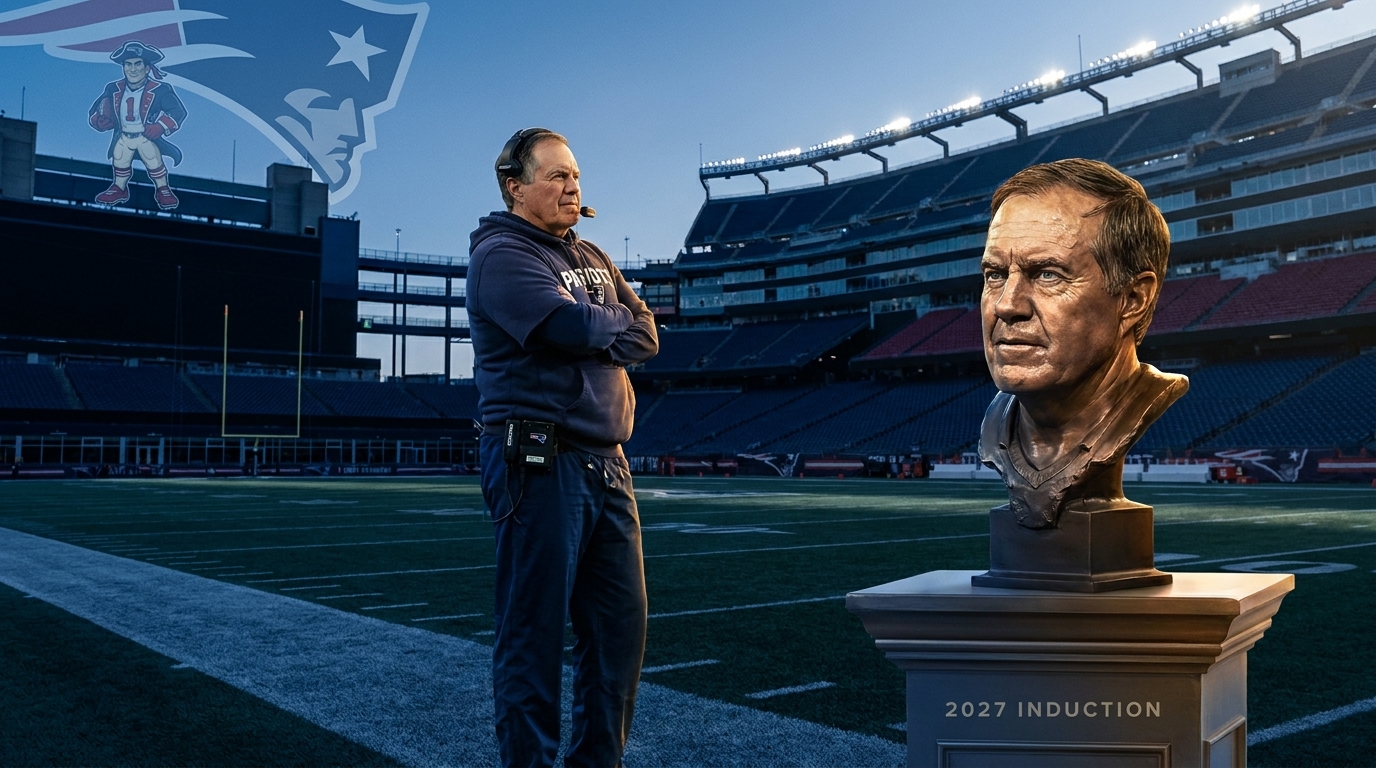
Therefore many veterans, analysts, and fans reacted with disbelief and criticism. Tom Brady called him incredible, and Robert Kraft urged unanimous recognition. However, the Hall voters left Canton without naming him this cycle. Belichick will remain eligible and will be considered again in 2027. For now the reaction is raw, urgent, and full of questions. Expect debates about voters, criteria, and possible Hall procedures to intensify. Because this decision conflicts with many metrics, it will not fade quietly. This report compiles immediate reactions and outlines the implications for Canton. Stay tuned as new details and quotes emerge in real time.
Bill Belichick Hall of Fame snub: Reactions from Kraft, Brady and Belichick
The Bill Belichick Hall of Fame snub produced swift, blunt reactions from the sport’s biggest voices. Immediately, Patriots owner Robert Kraft condemned the outcome and called for unanimous recognition. Tom Brady expressed disbelief and praised Belichick’s coaching acumen. Meanwhile Belichick himself offered a terse response and pointed to the voters. These reactions sharpen the controversy and raise urgent questions about Canton standards and voter criteria.
Key figures and their quotes
- Robert Kraft said: “He is the greatest coach of all time and he unequivocally deserves to be a unanimous first-ballot Pro Football Hall of Famer.”
- Tom Brady said: “He’s incredible, there’s no coach I’d rather play for. If I’m picking one coach to go out there and win a Super Bowl, give me one season, I’m taking Bill Belichick.”
- Bill Belichick said: “You’d have to ask the voters. I didn’t have a say in it.”
Voting facts and immediate implications
The Hall did not name Belichick this cycle because he failed to reach 40 of 50 committee votes. However, the exact vote breakdown remains private, so critics argue for transparency. As a result, the snub fuels debate about first-ballot expectations, legacy measurements, and possible Hall reforms. Moreover, this episode ties into broader conversations about Hall of Fame snubs and institutional change, as explored here: Patriots Report on Hall of Fame Snubs.
For context on the vote and fallout read deeper takes at PatriotsReport: Bill Belichick Hall of Fame Vote and PatriotsReport: Hall of Fame Controversy. Finally, note the official Pro Football Hall of Fame site for induction rules: Pro Football Hall of Fame. Belichick remains eligible and will be considered again in 2027.

| Achievement | Description | Voting Outcome |
|---|---|---|
| Super Bowls as coach | Eight total Super Bowls coaching: six as head coach with New England Patriots; two as defensive coordinator with New York Giants | Not elected this year; failed to reach 40 of 50 committee votes; detailed vote breakdown private |
| Hall of Fame eligibility | First year of eligibility completed; remains eligible for future ballots | Not inducted in first year; will be up for induction again in 2027 |
| Current coaching position | Head coach at the University of North Carolina | N/A for voting; active coaching role keeps him in public view |
| Legacy and career impact | Long record of championships and defensive influence across teams | Snub raises questions about Canton standards, voter criteria, and calls for transparency |
| Public reactions | Statements from Robert Kraft, Tom Brady and Belichick pointing to controversy | Immediate backlash and debate about first-ballot expectations and Hall reforms |
Broader implications: Bill Belichick Hall of Fame snub and the ripple effects
Voting transparency and credibility
The Bill Belichick Hall of Fame snub puts a spotlight on Hall voting transparency. Voters kept the exact tally private, and Belichick failed to reach 40 of 50 committee votes. As a result critics demand clearer rules and published results. Moreover the secrecy fuels suspicion about criteria and outside influences.
Impact on future ballots and 2027
Belichick stays eligible and will be considered again in 2027. However narratives often shift between ballots, and momentum matters. Therefore insiders expect intense lobbying and renewed media scrutiny next cycle. If voters change course, the Hall may face pressure to explain the reversal.
Fans and insiders react
Fans erupted on social media, and high profile voices pushed back hard. Robert Kraft called Belichick the greatest coach and urged unanimous recognition. Tom Brady defended Belichick’s coaching record and impact. Belichick himself said, “You’d have to ask the voters. I didn’t have a say in it.”
Comparison to other voting controversies
Commentators compared this result to Oscars style unpredictability. One critic said, “You may as well go try out for the Oscars,” to stress how subjective votes can be. Consequently debates will focus on whether popularity, politics, or performance drive outcomes.
Key short-term consequences
- Calls for public vote counts and clearer induction criteria
- Potential policy reviews by the Hall of Fame committee
- Intensified media campaigns for Belichick ahead of 2027
Ultimately this snub raises systemic questions about legacy medicine and how the NFL honors its greatest figures.
CONCLUSION
Bill Belichick’s coaching legacy stands clear despite the Hall of Fame snub. He won eight Super Bowls as a coach, six with the New England Patriots and two with the New York Giants. Moreover, his influence reshaped defensive strategy across generations of players and coaches. Although Canton passed on him this cycle, his record remains decisive and historically significant. Fans, players, and owners voiced immediate disbelief and mobilized for change. Robert Kraft and Tom Brady publicly defended Belichick’s body of work and urged recognition.
Therefore conversations about voting rules and transparency will persist in the weeks ahead. Patriots Report LLC will track developments and follow the 2027 ballot closely. Visit Patriots Report and follow @ZachGatsby on Twitter/X for ongoing updates and reaction. Ultimately Belichick’s legacy will be judged by history, not a single vote. Meanwhile his coaching at the University of North Carolina shows he remains active and relevant in the sport. The snub raises larger questions about institutional criteria and fairness in sports honors. As a result fans expect clearer standards and open vote counts. We will continue reporting with interviews, reaction pieces, and analysis. Stay tuned for updates and in-depth coverage ahead of 2027.
Frequently Asked Questions (FAQs)
What happened with the Bill Belichick Hall of Fame snub?
The Pro Football Hall of Fame selection committee did not name Bill Belichick this year. He failed to reach the 40 of 50 votes threshold. However the Hall has not published the exact vote breakdown. As a result the decision prompted immediate backlash from fans and insiders.
Why did Belichick miss election despite his record?
Voters weigh many factors, and committees sometimes defer on first ballots. Belichick’s eight Super Bowls as a coach and long resume remain clear. Yet political dynamics, perceptions, and ballot competition can affect results. Therefore some voters held back, and critics now call for transparency.
Is Belichick still eligible for the Hall of Fame?
Yes. He remains eligible and will be considered again in 2027. Meanwhile advocates plan renewed media and public campaigns. As a result momentum could shift on a future ballot.
What are the implications for the Patriots and Belichick’s legacy?
The snub sparks debate but does not erase his achievements. Fans and team figures like Robert Kraft and Tom Brady defended his legacy. Moreover the episode may intensify calls for clearer induction criteria and public vote counts.
Could the Hall change its voting rules or transparency practices?
Possibly. The controversy increases pressure for reform. Some analysts compare voting unpredictability to other award systems. Therefore expect discussions about publishing tallies and tightening standards ahead of future inductions.