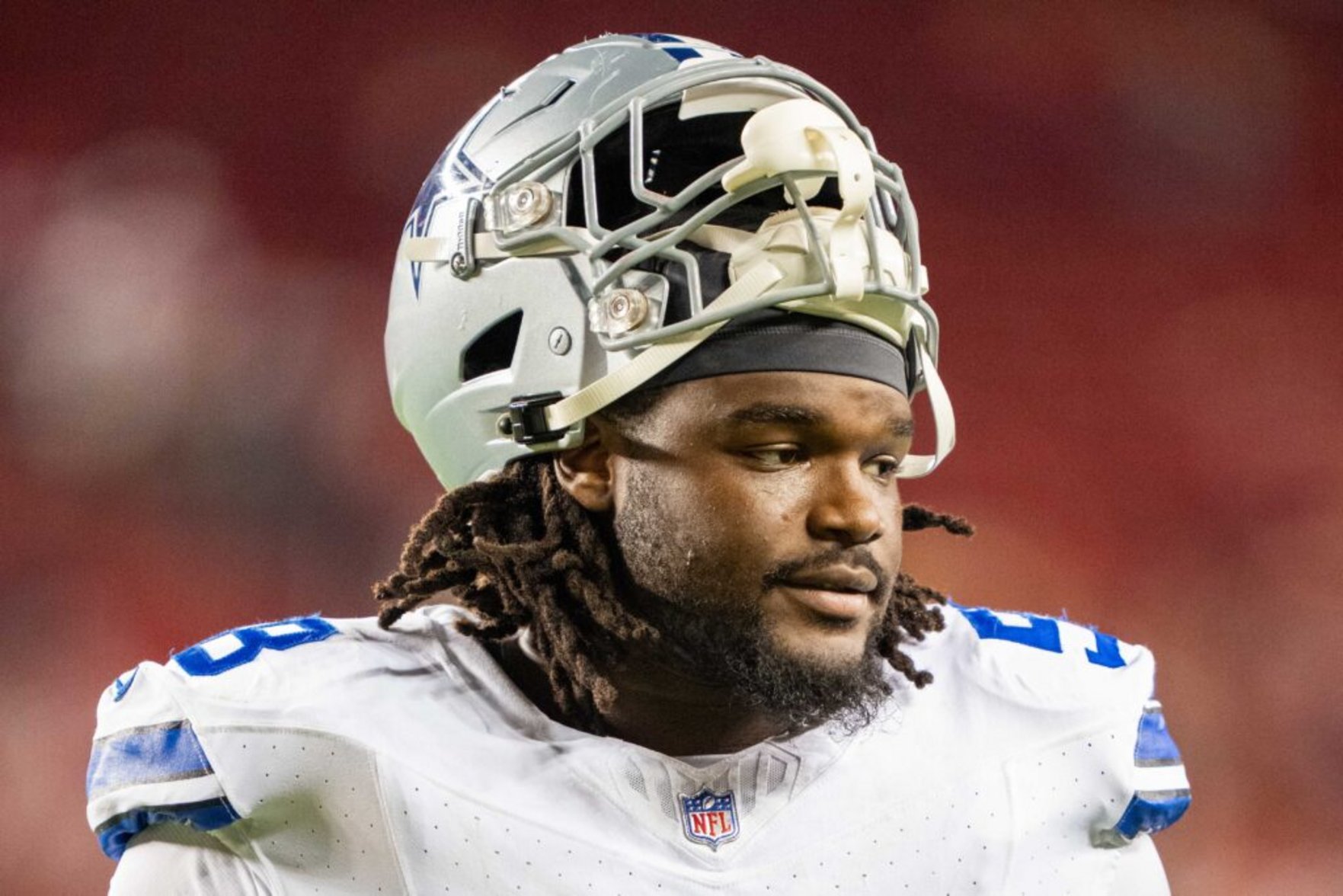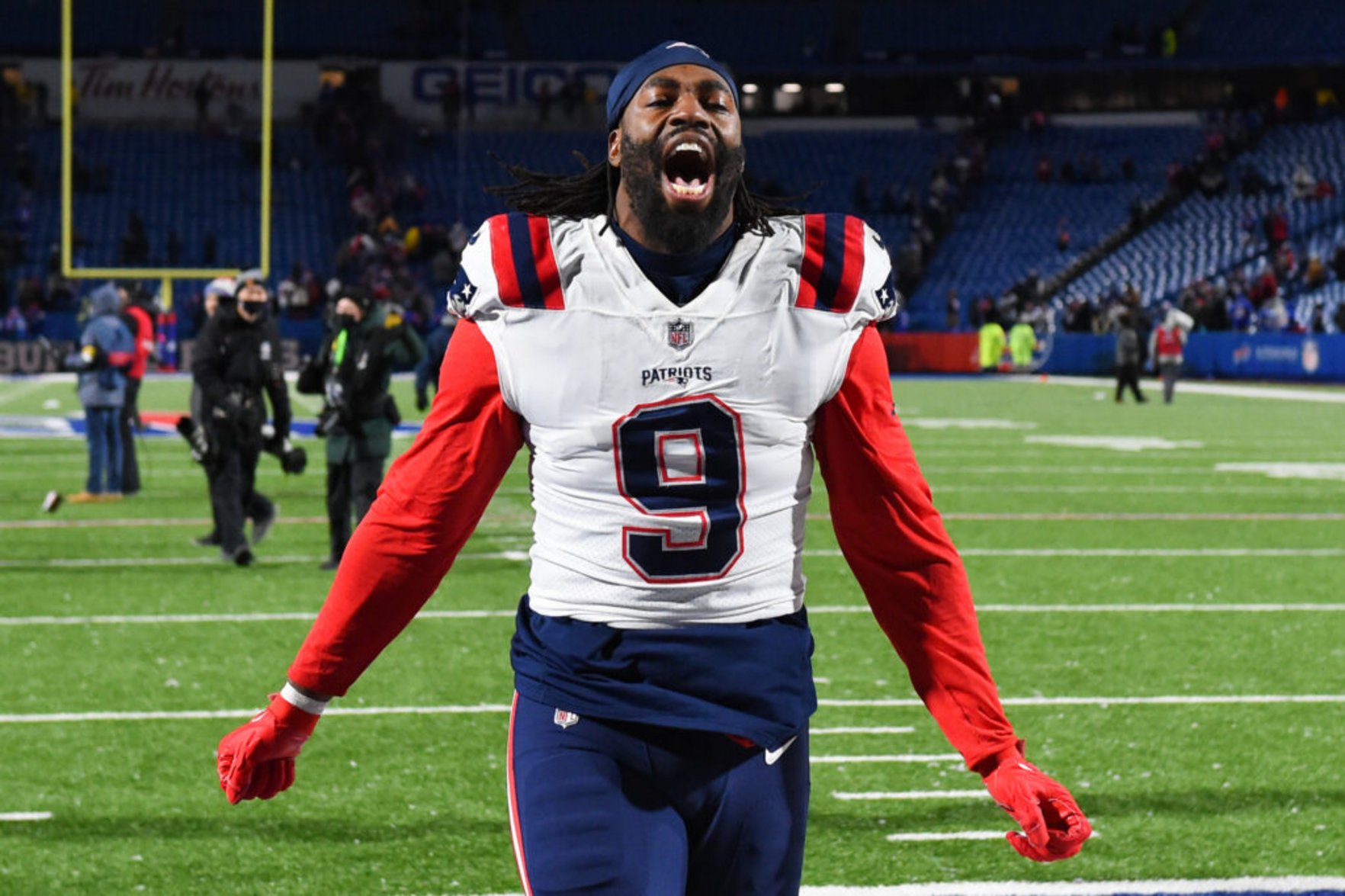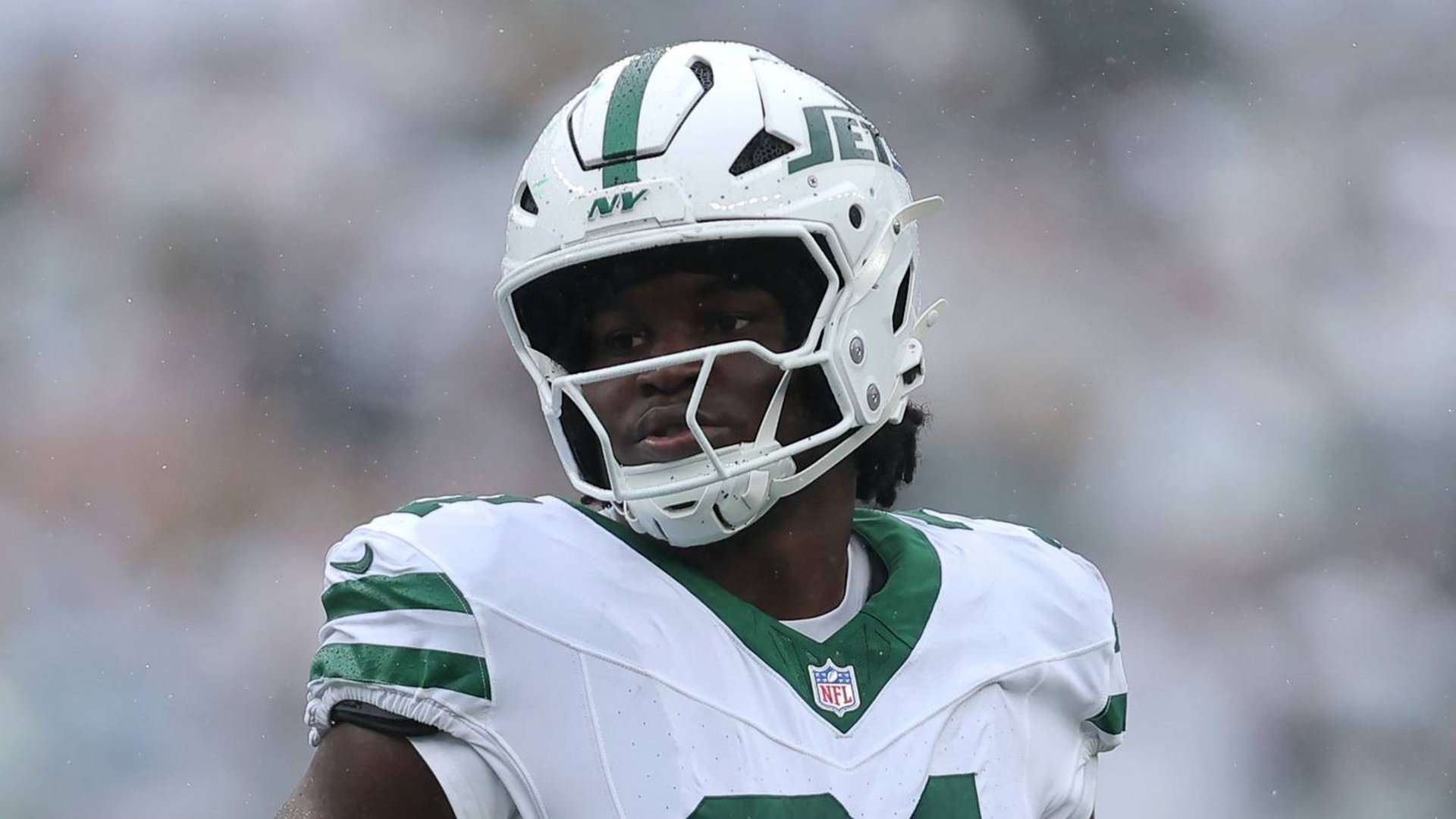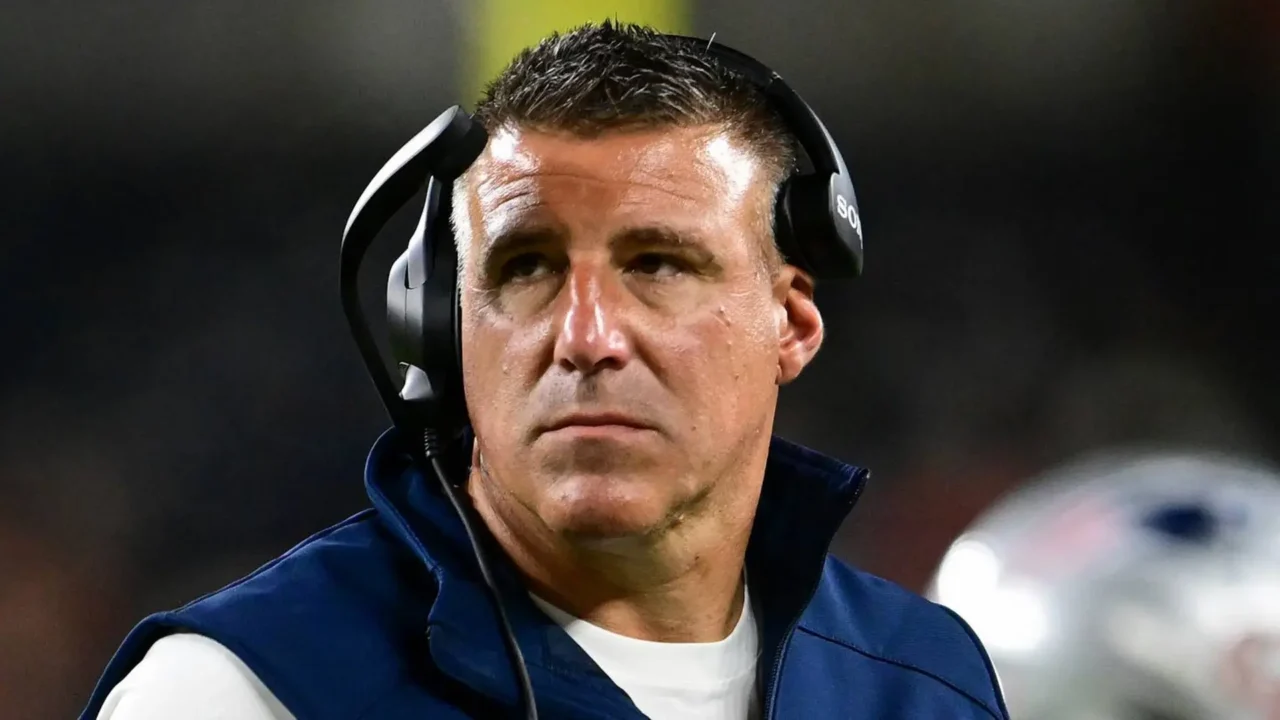
Mike Vrabel preseason gamble frames a simple but consequential question: by sitting the starters and most primary backups for all three exhibition contests, has the Patriots’ coaching staff lowered injury risk at the cost of increased early-season “rust” and exposed depth concerns for the Sept. 9 opener at Seattle? The decision relied heavily on joint practices with the Indianapolis Colts and Philadelphia Eagles instead of live preseason snaps, and it carries clear trade-offs that matter most in a hostile road environment.
Mike Vrabel preseason gamble — what the team did
According to reporting at musketfire.com, New England’s starters and most primary backups did not play in any of the three preseason games. The team substituted joint practices — including sessions with Indianapolis and Philadelphia — for live, in-season-style reps.
The rationale is familiar: fewer snaps for starters reduce injury risk and allow staff to focus practices on installation and evaluation. The consequence is less in-game exposure to timing, crowd noise, and opponent-driven adjustments that only reveal themselves in live competition. Given Week 1 is an away game in Seattle, that trade-off is what proponents call a calculated risk and critics call the “Mike Vrabel preseason gamble.”
Vrabel’s explanation and direct quotes
Vrabel himself acknowledged the uncertainty when discussing the approach with reporters. As quoted via musketfire.com and attributed to Boston.com, he said, “There could be rust, there could be rain or shine, I’m not really sure,” and added, “Let’s be real: Nothing that we do in the preseason’s going to prepare us for the first game in Seattle. Whether it’s the crowd noise in Cleveland or you know… we’ll have to be really ready to go out there in that environment.”
For readers wanting full context on tone and follow-up, see the internal transcript and coverage here: Mike Vrabel Press Conference 6 9. That press-conference coverage helps confirm Vrabel’s line of thinking: he accepts some uncertainty while emphasizing the limits of preseason work.
Where “rust” and depth issues might show up in Week 1
Labeling outcomes as possibilities, not certainties, is important. Based on the reported facts, the most probable early-game trouble spots are pre-snap communication, rotational continuity and special-teams execution. Seattle’s crowd and travel make those risk factors more acute.
Offensive line: Without live reps, timing on combos and communication against stunts can be affected. Early signs of rust there include false-start penalties, delay-of-game hiccups, and missed assignments on early run/pass exchanges — problems that compound on third down and in hurry-up situations.
Secondary and nickel packages: Players who practiced joint sessions but lacked preseason snaps may hesitate on route recognition and timing between coverage calls. That can show up as blown coverages on intermediate routes and red-zone confusion where tight quarters demand split-second decisions.
Special teams: Preseason reps are where coverage units practice real-game lane discipline and tackling at full speed. Expect missed tackles, lane breakdowns, or poor blocking assignments to be immediate barometers of whether the decision blunted preparation.
Depth rotations overall: The source highlights depth concerns; if backups are thrust into larger roles early, look for increased fatigue late in halves and more matchup vulnerability if a starter is dinged. In short, the gamble shifts some risk from starters’ health to team-wide in-game cohesion.
Practical watch-list for Sept. 9 in Seattle
Here are clear, measurable items to track during the opener to assess whether the preseason strategy paid off or created issues:
- Starter snap counts in the opening two series — limited or conservative usage could indicate coaching caution or early rust.
- First- and second-down penalties (false starts, delay-of-game, illegal shifts) — high early penalty volume points to timing problems.
- Third-down conversion rate and third-down defensive stops — early success or failure here will reveal communication and situational readiness.
- Red-zone defensive coverage and offensive red-zone timing — miscommunications are magnified in tight spaces and often decide early momentum.
- Special-teams execution on punts and kickoffs — any lane discipline or tackling breakdowns are immediate and tangible signs of insufficient live reps.
- Backup rotation patterns — how quickly and cleanly backups settle in when called upon will show true roster depth under pressure.
Sources, context and uncertainty
This article is grounded in reporting from musketfire.com, which documented that starters and most primary backups sat through the preseason and cited Boston.com for direct coach quotes. Those are the verified facts used here.
All analysis about specific failure modes (“rust” showing up in the OL, secondary, or special teams) is explicitly speculative and presented as opinion. The facts — who played and what Vrabel said — are verifiable via the links above. Any claim that the preseason decision will definitively cause a loss is conjecture and should be treated accordingly.
Open questions to monitor before kickoff: the staff’s planned early snap allocation for starters, whether pregame noise-management drills translate to clean in-game communication, and whether special-teams execution remains reliable under live pressure. Answers to those questions by the end of Sept. 9 will determine whether the Mike Vrabel preseason gamble was vindicated or creates early headaches.
Source attribution: primary reporting from musketfire.com with Boston.com cited for coach quotes. See the musketfire piece here: musketfire.com, and the Boston.com citation referenced in that story.