Mike Vrabel Press Conference 6 9 figures into how the Patriots are framing roster construction, and a new report from Sara Marshall at musketfire.com says opponents took notice of the Patriots receiving corps. Per Marshall’s piece, Indianapolis Colts players and staff left joint practices in Foxborough impressed by New England’s group of pass catchers — a reaction relayed in the article via NFL insider Albert Breer.
This article summarizes Marshall’s reporting and flags practice-based impressions as such: the Colts’ comments are presented in the original story as limited, practice-sample observations rather than a definitive league ranking.
What the report says
The musketfire.com story by Sara Marshall relays comments from Colts personnel after joint practices in Foxborough. The core claim—attributed in the piece to Colts people via Albert Breer—is that opposing staff were “blown away by the skill” in New England’s receiver room and told Breer they felt the group was “near the top of the league.” Marshall frames those lines as impressions formed in joint-practice settings.
The reporting ties those impressions to recent Patriots roster moves and positions the receiving room as a reason opponents might now view New England differently heading into 2026. Readers should note the original piece treats the assessment as an impression from a small, practice-based sample.
Who is in the Patriots receiving corps now
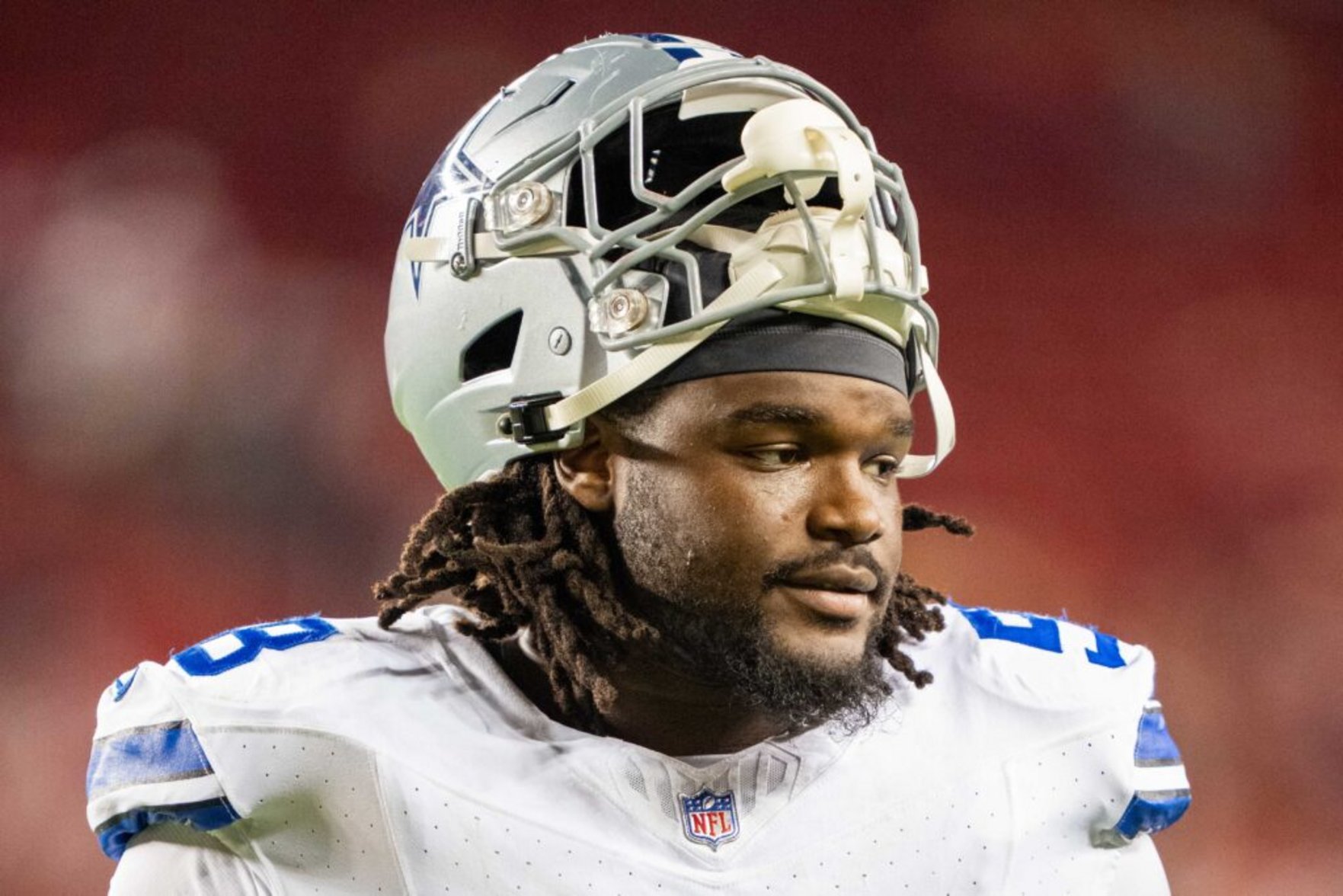
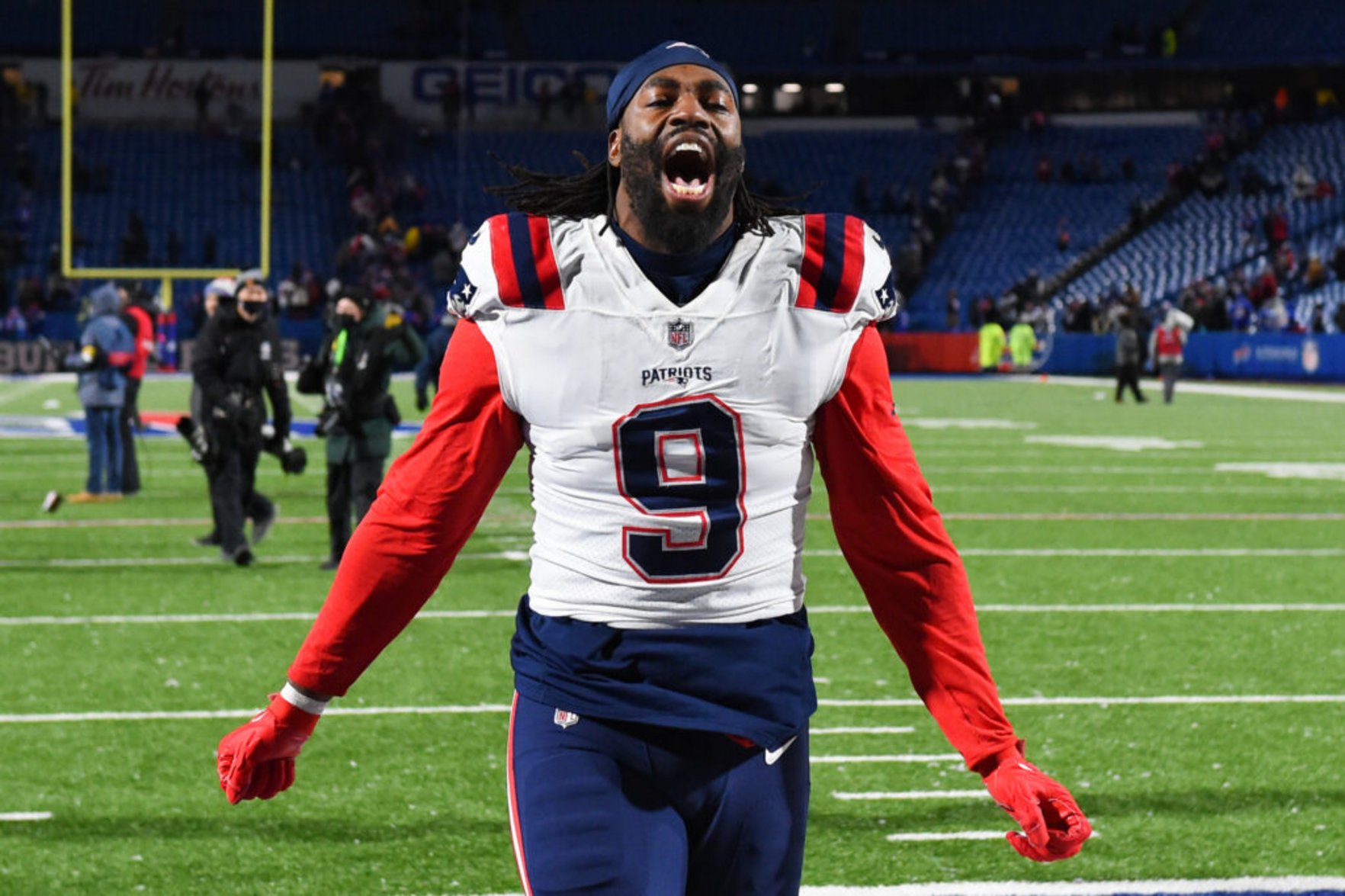
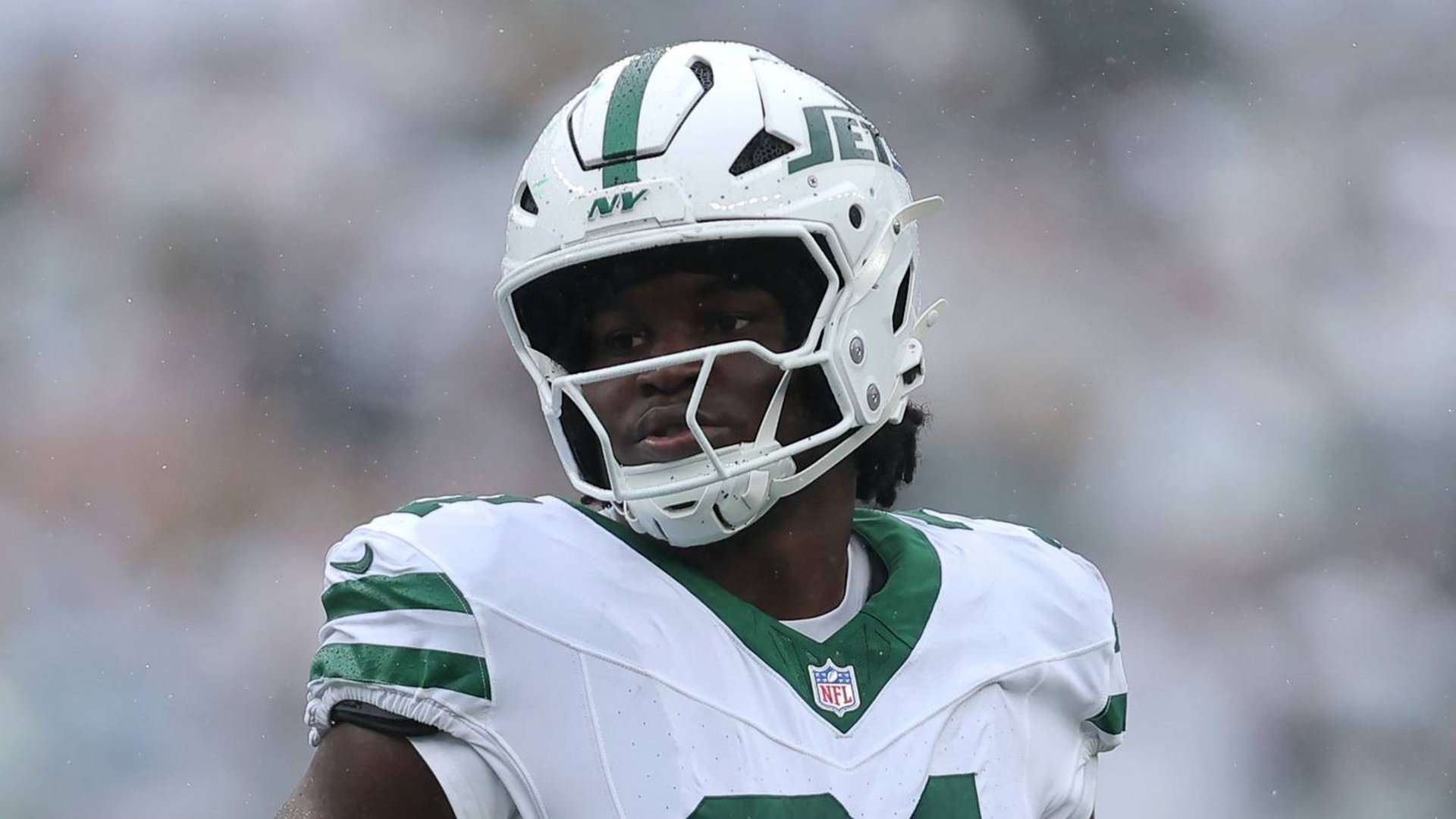
Marshall’s article lists specific receivers by name. The players explicitly mentioned in the write-up (per the article) are:
- Stefon Diggs
- A.J. Brown
- Romeo Doubs
- Kayshon Boutte
- DeMario “Pop” Douglas
- Mack Hollins
Because Marshall is reporting impressions and moves as described to her sources, this itemization follows her phrasing: transaction status and room membership are noted below as “per the article.” Readers should verify official roster status with team transaction logs and league sources before treating any item here as the current, official depth chart.
Why Colts’ impressions matter — and their limits
Opponent scouting impressions from joint practices carry value because they come from teams preparing directly for an opponent; they can reveal scheme execution, matchups and physical traits that aren’t obvious on tape alone. That said, joint practices are a limited environment and come with important caveats.
“So it’s interesting, I talked to Colts people after, and they were blown away by the skill. If you think about where they were two years ago in that department, I don’t know that there were very many teams that were worse. I had Indianapolis Colts people saying to me, ‘Their skill, they’re near the top of the league with that group now.'” — Albert Breer, as quoted and relayed in musketfire.com
Marshall presents Breer’s wording as relaying Colts people’s impressions. Treat that quote as an attributed opinion formed in a controlled practice setting, not as a comprehensive or statistically backed league ranking. Key limitations:
- Joint practices are often scripted, with controlled reps and limited contact.
- Small sample size: impressions from one or a few opposing staff/players do not equal league consensus.
- Practice performance doesn’t always translate to regular-season outcomes; health, play-calling, and game-speed factors remain decisive.
What this could mean for New England’s 2026 outlook
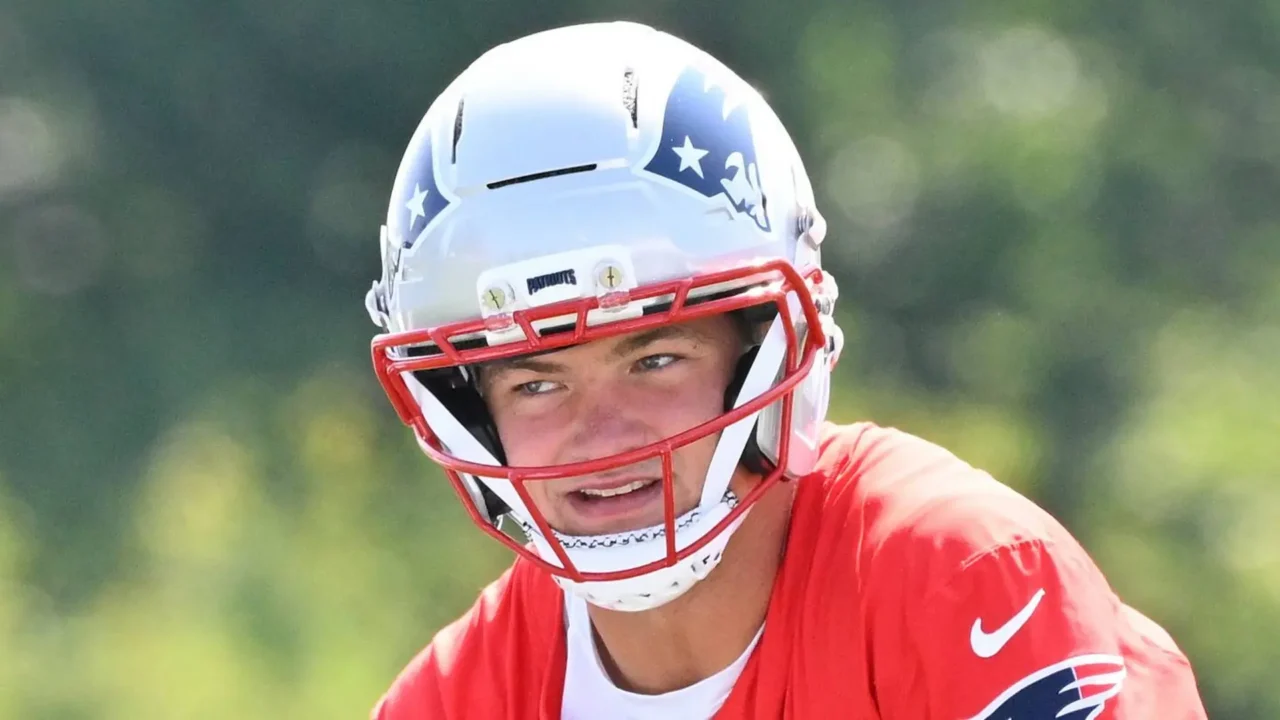
The musketfire piece links an improved receiving room to New England’s offensive outlook and names Drake Maye as the quarterback who could benefit from more pass-catching talent. The article also uses the phrase “MVP-caliber” when describing Maye’s prior play — that descriptor is presented in Marshall’s reporting as an attributed claim and should not be read here as an official award or independently verified metric.
If the receiving-room impressions hold up through preseason and regular-season play, the Patriots could have more flexibility in passing concepts and scheming, which in turn could improve scoring opportunities and third-down efficiency. The article also warns that defensive issues and broader roster factors will ultimately shape how far the team can rise in 2026.
What to watch next
To confirm whether practice impressions predict regular-season performance, follow these verification steps:
- Check official team transaction logs for confirmations of signings, releases and trades mentioned in the article.
- Monitor preseason game reps and snap distributions to see how the receivers perform in live competition.
- Look for follow-up comments from coaches, including Mike Vrabel, and opponents after further joint practices or preseason contests.
- Track reporting from trusted beat writers and insiders for updates on health, depth-chart moves and play-design usage.
For organizational context on coaching and roster direction, see the linked Mike Vrabel Press Conference 6 9.
Source attribution and read next
This analysis is grounded in reporting by Sara Marshall at musketfire.com. Where the article quotes or relays Colts people and Albert Breer, those lines are presented here as attributed impressions from joint-practice settings. Readers should treat practice praise as conditional and wait for official confirmations and preseason/regular-season evidence before treating the assessment as predictive.
Read next: the Mike Vrabel Press Conference 6 9 for team leadership context referenced by the musketfire piece.