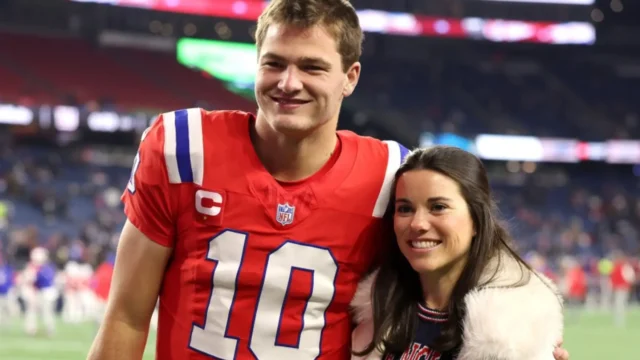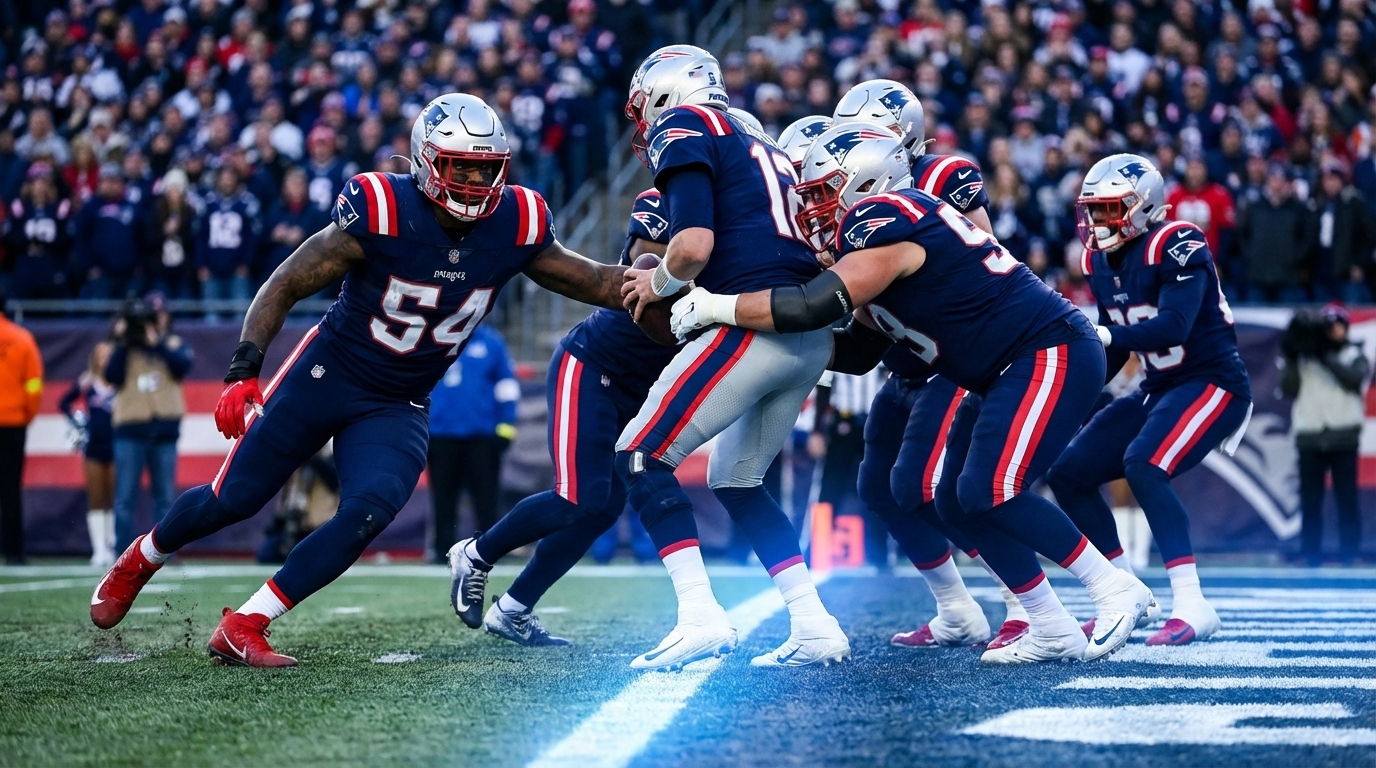
With a commanding regular season record of 13-3, the New England Patriots appear poised for a formidable playoff run. Their offense, led by MVP front-runner Drake Maye, has been exceptional, particularly in red zone scenarios. Over the last three weeks, they have a touchdown conversion rate of 73 percent, ranking them seventh league-wide. However, as the team turns its focus to the playoffs, a key area of concern emerges — the Patriots’ red zone defense.
While they excel offensively, their red zone defense has been lackluster, allowing scores on 70.3 percent of opponents’ trips. This troubling statistic highlights a significant vulnerability that could threaten their Super Bowl ambitions. Analytical scrutiny of this red zone defense will be crucial. The Patriots must resolve these defensive weaknesses if they hope to capitalize on their successful season and make a deep playoff run. As Wild Card Weekend approaches, the pressure mounts on the Patriots to tighten their defensive strategies and thwart their opponents’ scoring opportunities.
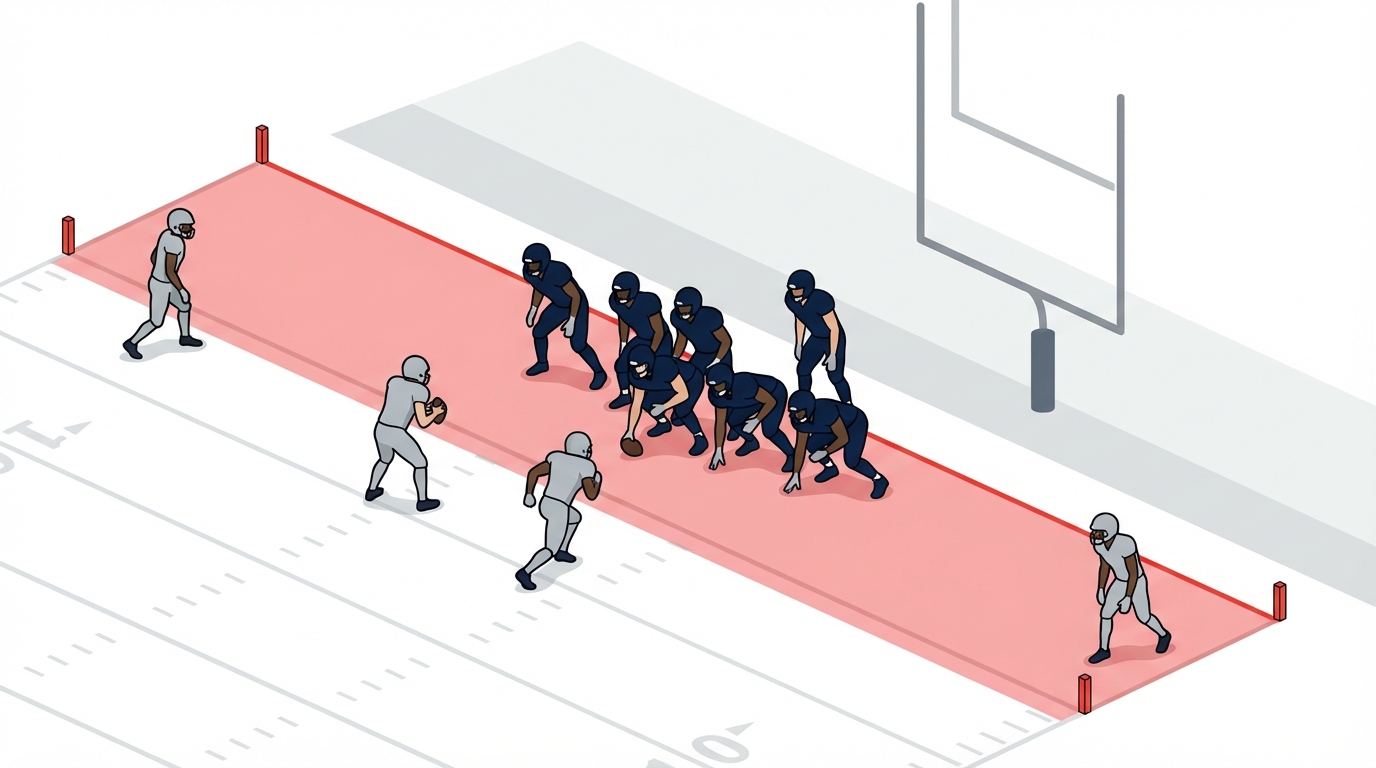
Patriots red zone defense recent performance
The Patriots’ red zone defense has slipped into a glaring weakness. They rank dead-last in red zone defense, allowing scores on 70.3 percent of opponents’ trips entering Week 18. This metric paints a clear picture. Over the last few weeks they have surrendered seven red-zone scores on nine trips against the Bills and Ravens. For example, in Week 15 versus Buffalo they gave up five consecutive touchdown drives. Those drives exposed both schematic flaws and personnel limitations.
Why the slide matters
Because opponents score so efficiently, New England faces a steeper path in tight games. Their offense has covered some of the damage, because it has produced a 73 percent red-zone touchdown rate recently. However, defense cannot rely on that level of offensive production every week. Injuries matter here. Milton Williams and Robert Spillane missed time, and that reduced depth has shown. Fortunately, Harold Landry Jr. and Khyiris Tonga are expected back in January, which could improve the interior pass rush and coverage clarity.
Context and evidence
The Week 17 loss and Week 15 collapse underline the trend. The Patriots lost 42-10 to the Jets, a game in which the defense failed to slow drives and pressure the quarterback (see the Week 17 report card for game context). Meanwhile, offensive balance helped in other games, as detailed in this piece on Hunter Henry and Drake Maye. Analysts are watching whether personnel returns and schematic adjustments can reduce that 70.3 percent scoring rate before the playoffs. For more on matchup implications and player usage, see this breakdown of Efton Chism’s recent impact.
| Category | Red Zone Offense | Patriots red zone defense | Impact on Games |
|---|---|---|---|
| Scoring Efficiency % | 73 percent touchdown conversion over the last three weeks; ranked seventh | Opponents score on 70.3 percent of trips; dead last | Offense offsets some defensive failures; however, this balance is fragile |
| Recent Red Zone Trips | Consistent touchdown scoring in recent games | Seven red zone scores allowed on nine trips vs Buffalo and Baltimore | Opponents exploit the weakness, increasing points per trip |
| Touchdowns Allowed or Scored | High touchdown rate when inside the 20 | Multiple touchdowns allowed, including five straight drives in Week 15 vs Buffalo | Produces quick scoring swings and forces the offense to respond |
| Turnovers Forced During Red Zone Plays | Takeaways helped secure bounce back wins | Few red zone takeaways; three total takeaways in wins over Ravens and Jets | Limited red zone turnovers reduce the defense’s chance to stop scoring runs |
Key defensive injuries to Milton Williams and Robert Spillane forced younger players into prominent roles, leading to missed tackles, blown gap assignments, and a slower pass rush that opponents exploited in the red zone.
The expected January returns of Harold Landry Jr. and Khyiris Tonga would restore edge pressure and interior gap integrity — Landry’s rush shortens quarterback decision time and disrupts quick red zone throws while Tonga’s inside strength helps plug running lanes and prevent goal line push-offs, collectively reducing touchdown conversions.
Ultimately, health and coaching adjustments will determine whether New England can lower opponent red zone scoring and improve its playoff outlook.
The Patriots enter the playoffs with one clear red zone problem. Their Patriots red zone defense has allowed scores at an alarming clip. Because opponents convert 70.3 percent of red zone trips, close games tilt away from New England. Therefore, that weakness poses a real risk to their postseason ambitions.
Still, the roster can improve. Harold Landry Jr and Khyiris Tonga are expected back in January, and that should help. However, returns alone will not fix schematic gaps and communication issues. Coaches must adjust situational calls, and players must execute under pressure.
Because the offense carries the team, New England still has a path forward. Yet the margin for error is small, and games against elite opponents will test that defense. For deeper analysis and ongoing updates, visit Patriots Report LLC and follow on Twitter/X @ZachGatsby. Ultimately, cautious optimism fits best; health, adjustments, and execution will decide how far the Patriots go.
Frequently Asked Questions (FAQs)
What does red zone defense mean?
Red zone defense refers to how a team defends inside the opponent twenty yard line. It measures stops, turnovers and forced field goals. Because space is compressed, coverage and rush execution matter more. Strong red zone defense reduces opponent touchdown percentage and wins close games.
Why do the Patriots struggle in the red zone?
The Patriots struggle in the red zone because they allow scores on seventy point three percent of opponent trips. Injuries and communication breakdowns contributed. For instance they gave up seven red zone scores on nine trips versus Buffalo and Baltimore. Therefore schematic and personnel issues are under scrutiny.
How do defensive injuries affect red zone play?
Missing players like Milton Williams and Robert Spillane weakened run support and linebacker play. As a result coverage rotated and assignments broke down more often. Meanwhile the expected returns of Harold Landry Jr and Khyiris Tonga in January should restore edge rush and interior strength. That improves red zone toughness.
How does this weakness affect playoff chances?
The weakness makes close playoff games riskier because opponents convert inside twenty more often. Even with a thirteen and three record the margin for error narrows. However the offense can cover some defensive lapses, but facing top teams with efficient red zone offense will expose the weakness.
What can realistically improve the Patriots red zone defense?
Improvement requires personnel returns, coaching adjustments and clearer situational substitutions. Landry and Tonga help the pass rush and interior trench. Therefore coaches must simplify red zone calls and prioritize turnovers. With health and better play communication the Patriots can reduce that seventy point three percent scoring rate.