Vrabel emphasizes family support on and off the field, and he has made it central to his locker room leadership. He speaks softly but acts loudly when teammates face crises. As a result, players know he values them as people first.
That stance gained attention during the recent Vikings controversy. Kwesi Adofo-Mensah was fired this offseason. Reports say he missed training camp meetings and practices while on paternity leave, and he worked remotely in 2023. However, this debate over off and on field priorities contrasts with another team’s personal tragedy involving Jahlani Tavai. Tavai and his wife suffered the loss of their child, and his wife was placed in a medically induced coma.
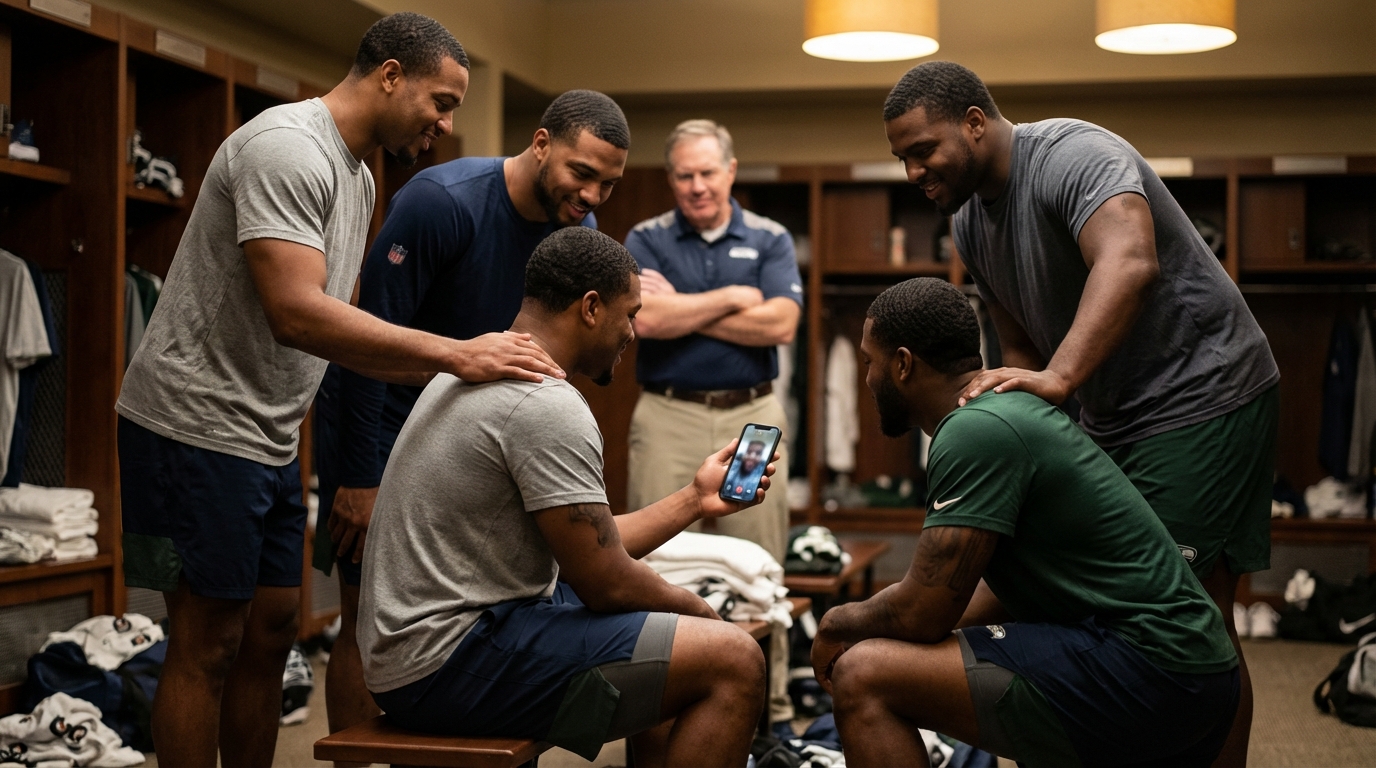
Vrabel showed a different kind of response. He FaceTimed the locker room to support Tavai during his family’s ordeal. Since returning, Tavai has played in more than 70 percent of defensive snaps.
Throughout his first year with the Patriots, Vrabel stresses that the people they love come first. Therefore, he blends on field preparation with personal care. This introduction explores how family support, locker room unity, and leadership shaped team culture amid controversy.
Vrabel emphasizes family support on and off the field
Mike Vrabel has made family a central part of his coaching identity. He says, “We do this to provide for our family. So outside of winning, let’s be honest, that’s why we do this.” Therefore, he builds locker room culture around real people, not just positions.
Vrabel’s approach pairs hard work with human care. He asks players to embrace preparation. However, he also insists that what matters at home matters at the facility. As a result, teammates feel safe bringing personal struggles into the open.
Key practices Vrabel uses to show support
- Open communication and family-first language to normalize personal priorities
- Visible gestures of care, such as FaceTime sessions with teammates facing crises
- Flexible responses in times of need, balanced with professional expectations
- Celebrating family moments and protecting player privacy when required
These practices took on sharper meaning this season. For example, Vrabel led a locker-room FaceTime with Jahlani Tavai while Tavai and his wife endured a tragic loss. Tavai’s wife was placed in a medically induced coma after losing their child. In spite of the grief, Tavai returned and played more than 70 percent of defensive snaps. This story shows how personal support can coexist with competitive commitment.
Vrabel has repeated his priorities since joining the Patriots. He often says, “I enjoy meeting their families, and I enjoy meeting the people that they care about.” Because of that line, teammates know their lives outside football matter. The message reinforces locker room unity and mental resilience.
Why this matters amid wider debate
- The Vikings controversy over Kwesi Adofo-Mensah highlights a broader conversation about paternity leave and remote work in football
- However, Vrabel’s model offers a contrast by centering empathy and steady presence
- Therefore, team culture can respond to personal crisis without sacrificing performance
In short, Vrabel blends accountability with compassion. He expects effort on the field. Yet, he makes clear that family comes first off the field. That balance shapes a more human locker room and a more resilient team.
Leadership and family support: Vikings vs Patriots
| Aspect | Kwesi Adofo-Mensah (Vikings) | Mike Vrabel (Patriots) |
|---|---|---|
| Philosophy | Emphasizes professional availability and traditional presence. Reports tie his paternity choices to questions about commitment. | Centers family and player relationships. He says, “We do this to provide for our family.” He meets players’ families and values personal life. |
| Paternity leave | Reportedly missed training camp meetings and practices while on paternity leave. That decision stirred controversy and led to his firing. | Normalizes family events and supports players in crisis. Vrabel prioritized Jahlani Tavai’s welfare during a family tragedy. |
| Remote work | Worked remotely in 2023, which critics saw as detached leadership. | Uses in-person presence and virtual connection. For example, he FaceTimed the locker room to show support. |
| Locker room support | Less visible in locker room rituals. Decisions were seen as administrative and distant. | Highly engaged with locker room. He blends accountability with compassion to build trust. |
| Public perception | Polarizing. Raised debate about paternity leave and leadership norms. | Viewed as empathetic. His approach reinforced unity and resilience. |
| Outcome | Fired by the Vikings this offseason amid scrutiny. | Helped players return to the field. Tavai played over 70 percent of snaps after support. |
Key takeaways
- However, leadership style shapes team culture and public reaction.
- Therefore, empathy can coexist with high standards.
- Related keywords and synonyms: family support, on and off the field, locker room unity, paternity leave, remote work, FaceTime with teammates, balance between football and family.
Evidence of locker room support and postseason impact
Mike Vrabel’s actions produced clear signals of support during the playoff run. He led a locker-room FaceTime to rally around Jahlani Tavai while Tavai and his wife endured a family tragedy. That virtual gathering showed empathy and presence. As a result, teammates reported feeling united.
Tavai returned and played in more than 70 percent of defensive snaps during crucial games. That comeback highlighted resilience born from support. Vrabel summed the philosophy simply: “We do this to provide for our family. So outside of winning, let’s be honest, that’s why we do this.” His words reinforced that family matters.
Concrete examples of impact
- Locker-room FaceTime with Tavai, offering real-time emotional support
- Coaches and staff checking on families and offering privacy and resources
- Players maintained focus in practice while processing grief
- Tavai’s snap share above 70 percent during the postseason, showing physical readiness
Vrabel also spoke about balancing preparation with family moments. He said, “We have to enjoy moments like this. We have to enjoy the execution. We have to enjoy our families when they get out there.” Therefore, he encouraged teammates to lean on each other. However, he kept standards high in drills and meetings.
Because Vrabel links personal care to professional readiness, the team gained mental clarity. Short-term support reduced distraction during tight playoff windows. As a result, the Patriots preserved execution on game day. In sum, Vrabel’s mixture of compassion and accountability translated into tangible postseason contributions.
His leadership created trust that lasted beyond one season.
Vrabel emphasizes family support on and off the field, and that focus shapes more than tactics. He builds a locker room where players feel seen and supported. Because of that, teammates lean on one another in crisis and return to perform at a high level.
Vrabel’s line rings true: “We do this to provide for our family.” Therefore, he balances preparation with compassion. The FaceTime session with Jahlani Tavai showed presence over distance, and Tavai’s return to more than 70 percent of snaps underscored the result. In short, empathy did not weaken standards. Instead, it preserved focus and resilience during the postseason.
The larger lesson reaches beyond one team. Leadership that honors personal life can strengthen performance. As a result, organizations can keep high expectations without ignoring human needs. This model offers a clear contrast to recent debates about paternity leave and remote work.
For more coverage and local perspective, see Patriots Report LLC and follow their updates on Twitter/X. Their reporting provides context and trusted analysis.
Overall, Vrabel’s approach shows that family first and football excellence can coexist.
Frequently Asked Questions (FAQs)
What is Mike Vrabel’s stance on family support?
Mike Vrabel emphasizes that family comes first both on and off the field. He encourages a balance between professional responsibilities and personal well-being, using family support as a cornerstone of his coaching philosophy.
How did Vrabel handle the situation with Jahlani Tavai?
Vrabel organized a FaceTime session with the locker room to support Jahlani Tavai during a family tragedy. This gesture underscored his commitment to emotionally support his players, which helped Tavai return strong and play over 70% of the defensive snaps.
What was the controversy involving Kwesi Adofo-Mensah and the Vikings?
The controversy centered around Adofo-Mensah missing training camp and working remotely during paternity leave, which led to his firing. The incident sparked a wider debate about balancing family obligations with professional duties in football.
How does Vrabel’s leadership style impact team unity?
Vrabel’s leadership focuses on empathetic support and open communication, strengthening locker room unity. His approach helps players feel valued beyond their roles on the field, fostering a resilient and cohesive team environment.
Why is Vrabel’s leadership considered effective?
Vrabel successfully integrates personal care with high performance, proving that empathy and professional standards can coexist. His leadership fosters a supportive environment that translates into better on-field performance.
For detailed insights on these topics, visit Patriots Report LLC at patriotsreport.com or follow on Twitter/X @ZachGatsby.