Vrabel culture-building and relentless effort: how selflessness is remaking the Patriots
Mike Vrabel has sparked a quiet revolution in Foxborough. Vrabel culture-building and relentless effort sit at the heart of that change. Because he asks players to put teammates first, the room feels different. Players move with purpose and urgency, not selfishness. They help block, chase down plays, and mop up mistakes. As a result, the Patriots display a new, selfless identity on game day. Vrabel stresses aggressive football, not cowardly caution. He accepts mistakes, yet demands hustle and accountability. The change shows in plays and in practice habits. Rhamondre Stevenson’s early fumbles taught the team to protect and support. Therefore, the roster now prioritizes roles and relentless effort over star moments. This piece explores how that mindset reshapes personnel, play calling, and culture. It examines real examples, quotes, and the small acts that build trust. Ultimately, Vrabel’s approach aims to make selflessness second nature. Fans sense the shift in their gut, as games now feel harder fought.
Vrabel culture-building and relentless effort: the philosophy
Mike Vrabel sets culture with clarity and example. “I think you just set the expectations,” he said. “You show them what it looks like. You show them how important it is.” Because he pairs words with real clips and reps, players learn by doing. Therefore, the message moves from talk to action. He refuses to let standing around become normal. As a result, the team chases plays and helps teammates more often.
Vrabel insists on aggressive football, not cautious play. “The play is never over defensively,” he said. “You try to make that part of your identity and your fabric, and it becomes second nature.” He also defends players through mistakes. “We want to create an environment where you can go out and you can play aggressively,” he said. “Part of playing aggressively is mistakes are going to happen.” However, he balances freedom with responsibility. If errors repeat, coaches act. Still, the emphasis stays on relentless effort.
Key behaviors Vrabel demands
- Help teammates on and off the field
- Chase down plays and finish tackles
- Block and protect ball carriers
- Accept mistakes and learn quickly
- Value every role on every down
Those habits reduced standing around in practice and games. For example, the team rallied to a 16-3 victory over the Chargers, showing improved execution. Also, Rhamondre Stevenson settled after early fumbling issues. Vrabel hinted that protection and support mattered there. Therefore, the culture fixes technical and emotional gaps. In short, Vrabel builds buy-in by showing, not just telling. Then he conditions the team until selflessness feels natural. Fans and players now see a Patriots group that runs hard, helps each other, and plays with relentless effort. They will carry that identity into the next game against the Houston Texans.
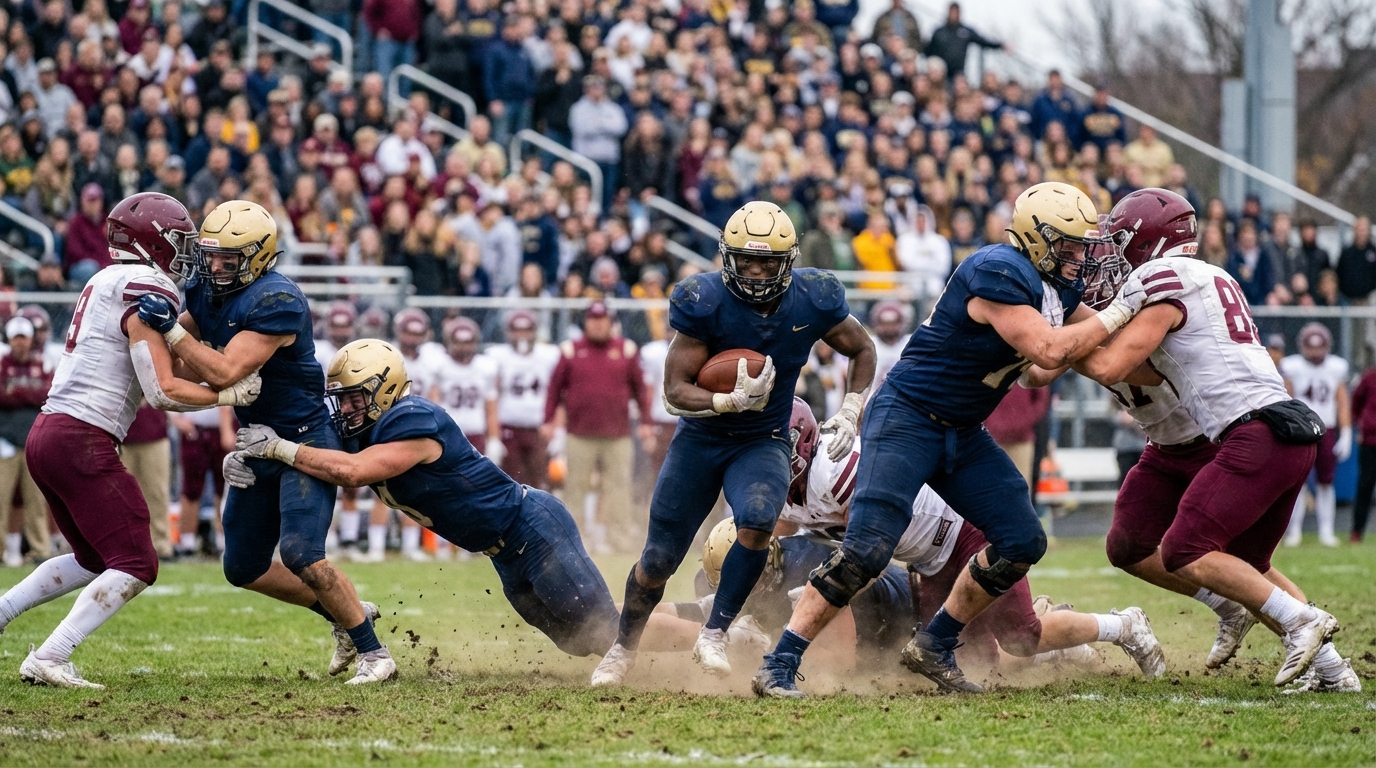
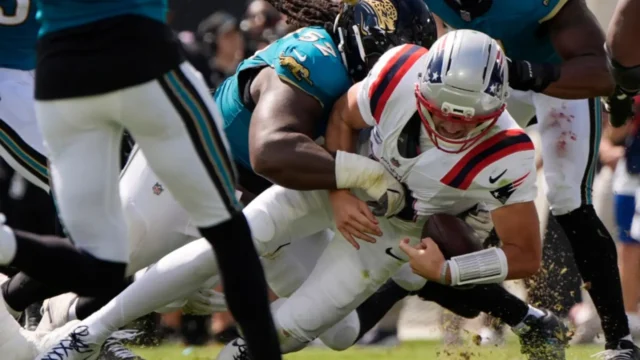
Image shows a dynamic in-game scene where teammates block, chase, and assist to secure a tackle, conveying relentless effort and collective support under strong leadership.
Roles and support: on-field and off-field dynamics
Every play demands clarity about roles on different downs. Vrabel teaches that each snap has a job. Because assignments vary, players accept specialized tasks. As a result, the team trusts each other. That trust grows from on-field/off-field support. Teammates help in blocking, tackling, and ball security. They also check in off the field. The selfless identity becomes daily habit.
Vrabel frames the mindset plainly. “We want to create an environment where you can go out and you can play aggressively,” he said. “Part of playing aggressively is mistakes are going to happen.” He added that you cannot win much by being cautious. Therefore coaches give reps and live examples. He also showed clips to show what it looks like.
Practical examples and outcomes
- Teammates pick up a blocker to free a ball carrier, protecting the runner on contact
- Players sprint downfield to force turnovers and finish plays
- Coaches keep a player like Rhamondre Stevenson on the field to build confidence
- Groups meet off the field to address habits and support recovery
Stevenson’s early fumbling issues improved, because teammates improved protection and support. The Patriots’ 16-3 win over the Chargers reflected that shift. Fans now see players finish longer than the ball carrier. Ultimately, Vrabel’s system ties roles to care. It makes relentless effort and selfless identity the team standard.
Table: Culture-building practices and their effects
| Practice | Description | Impact on Team Performance |
|---|---|---|
| Setting expectations | Vrabel sets clear standards and shows what success looks like. Quote: “I think you just set the expectations,” he said. | Players understand roles faster. As a result, less standing around and more hustle in games. |
| Showing real-world examples | Coaches use clips and reps to teach technique and effort. Therefore, players learn by seeing and doing. | Execution improves. For example, the team executed better in the 16-3 win over the Chargers. |
| Embracing mistakes | Vrabel tolerates errors while teaching. “Part of playing aggressively is mistakes are going to happen,” he said. | Players play with confidence and attack instead of playing cautiously. That raises overall play. |
| Playing aggressively | The staff conditions players to finish plays and chase down ball carriers. “The play is never over defensively,” Vrabel added. | Increased tackles, more forced turnovers, and a reputation for finishing longer than the ball carrier. |
| Valuing every role | Coaches emphasize roles on different downs and off-field support. Teams practice situational reps. | Role clarity boosts trust. Rhamondre Stevenson settled after teammates improved protection and support. |
CONCLUSION
Vrabel culture-building and relentless effort have remade the Patriots identity. Because Mike Vrabel set clear expectations and showed real-world examples, the team moved from individual moments to collective purpose. Players now accept defined roles on different downs, and they back teammates on and off the field. Therefore, the Patriots play with more urgency, and they finish plays more often.
The shift rests on repeated teaching and conditioning, not slogans. Vrabel uses clips, reps, and accountability to turn a message into a habit. As a result, mistakes are tolerated during growth, and aggression is rewarded when it is smart. “Part of playing aggressively is mistakes are going to happen,” Vrabel said, and that acceptance changed how players approach contact and ball security.
Practical outcomes are clear and measurable. Rhamondre Stevenson settled after early fumbling issues, because teammates protected and supported him. The team showed improved execution in a 16-3 win over the Chargers, which reflected the cultural changes. Fans now see a harder-playing Patriots group that values selfless identity and relentless effort.
For readers invested in Patriots culture and performance, this is encouraging news. The rebuild feels cultural and sustainable, not fleeting. For continued coverage and deeper analysis, see Patriots Report LLC and follow their Twitter handle @ZachGatsby for updates and commentary.
Frequently Asked Questions (FAQs)
What does Vrabel mean by a culture of selflessness and relentless effort?
Vrabel wants players to prioritize the team over individual stats. Because he sets clear expectations, teammates help one another on and off the field. He shows clips and runs reps to teach the behavior. Therefore, selflessness becomes a habit. As a result, players chase plays, block for runners, and finish tackles longer.
How does Vrabel teach roles on different downs?
Coaches install situational reps and role clarity in practice. They explain assignments for first, second, and third downs. Then they show examples from games and film. This makes responsibilities clear. Consequently, players trust each other and execute faster during games.
Will playing aggressively increase mistakes, and how does Vrabel handle that?
Yes, mistakes will happen when teams attack. However, Vrabel accepts errors during growth. He told reporters, “Part of playing aggressively is mistakes are going to happen.” Coaches balance freedom with accountability. Therefore players play with confidence while learning from reps.
Did this culture shift affect specific players, like Rhamondre Stevenson?
Stevenson had early fumbling issues, and the team responded. Teammates increased protection and on-field support. As a result, Stevenson settled and regained confidence. The change proved that culture can fix technical and emotional weaknesses.
What measurable effects have we seen from this culture change?
The Patriots reduced standing around and increased pursuit to the ball. For example, they won 16-3 against the Chargers with improved execution. Fans notice a harder-playing team that values roles and finishes plays. Ultimately, the culture aims to produce sustained improvement, not short-term fixes.