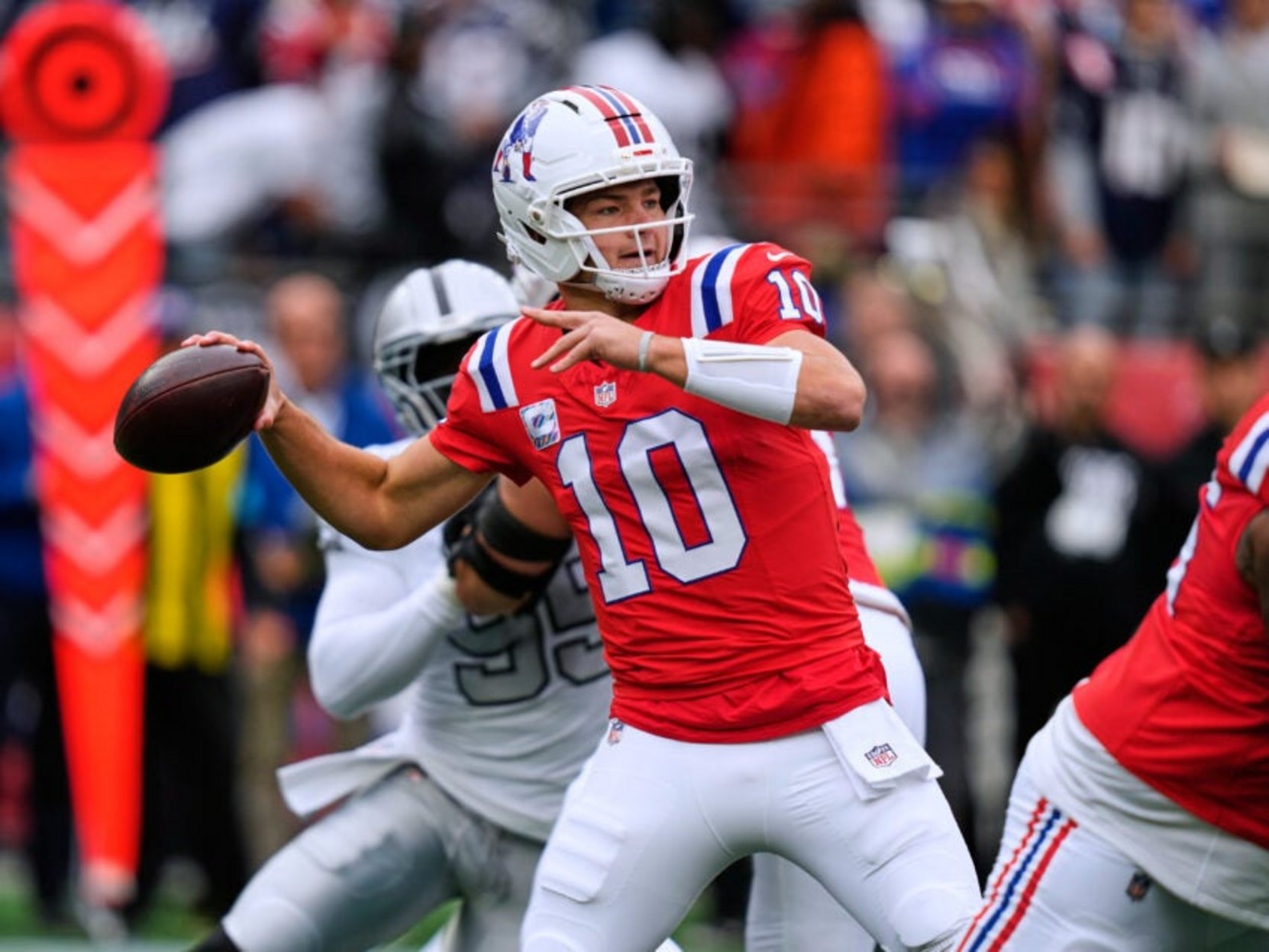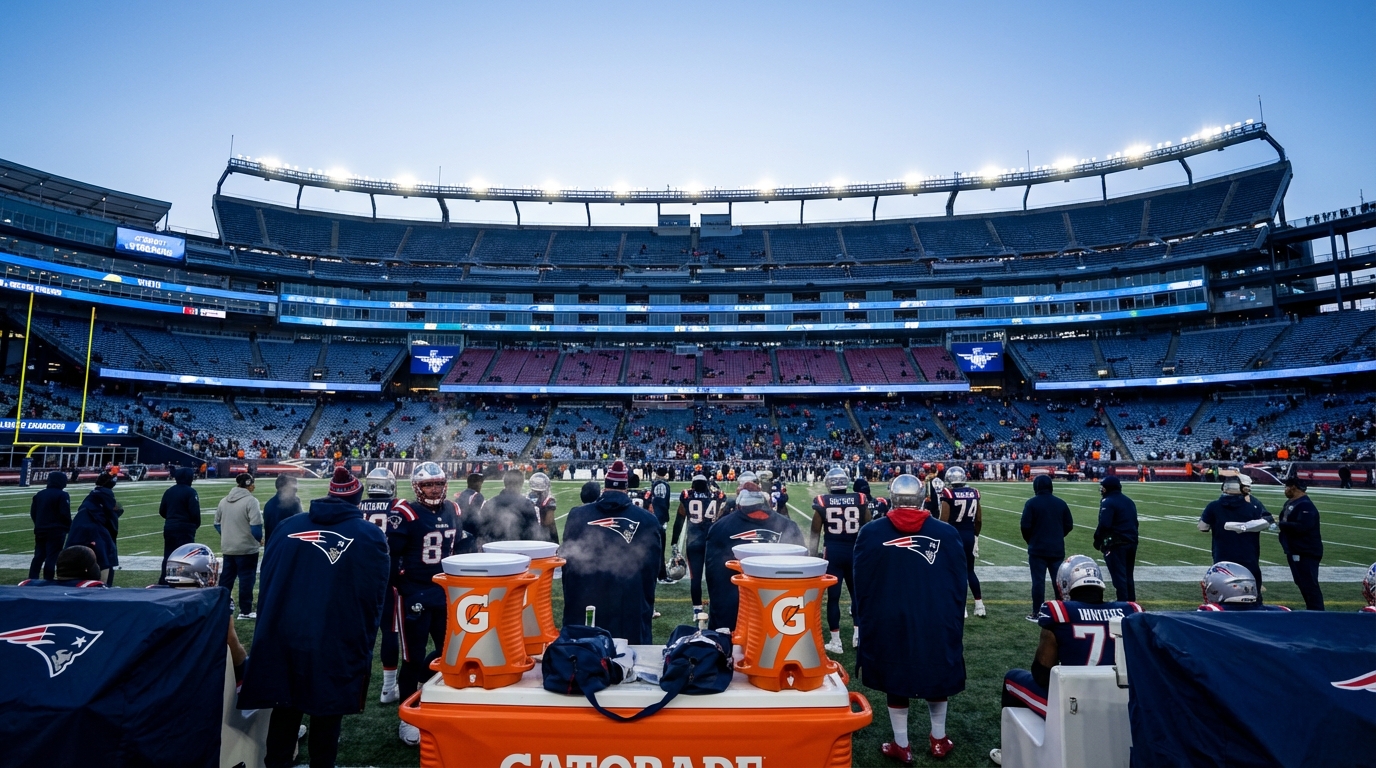
Patriots weather advantage in playoff game vs Chargers is a major storyline as Foxboro prepares for kickoff. The matchup arrives at Gillette Stadium with a daytime high near 42°F and a game-time temperature around 34°F. Because of that chill, New England expects an edge in the trenches and on special teams.
Chargers players come from a warm-weather home with a canopy roof, and they rarely face these conditions. Meanwhile, Justin Herbert enters dealing with a hand injury that could limit his comfort and timing on throws. Therefore the cold amplifies New England’s home-field advantage, especially during fourth-quarter drives and short-yardage plays.
However, high winds are not expected, which means the kicking game and deep passes should stay relatively normal. Still, fan support, heaters by the bench and familiarity with the turf will matter in cold snaps. As a result, this primer asks whether weather, Herbert’s hand and other factors will tip the scales for New England.
Patriots weather advantage in playoff game vs Chargers
The forecast calls for a daytime high of 42°F and a game-time temperature around 34°F. Because of that chill, Gillette Stadium and Foxborough weather give New England a clear home-field advantage. Patriots players practice and play in these conditions all winter. Therefore familiarity with cold snaps should help on short-yardage plays and late-game drives.
The Los Angeles Chargers come from an open-air stadium with a canopy roof and rarely face sustained cold. As a result, their timing and ball handling could suffer in low temperatures. Meanwhile Justin Herbert is managing a hand injury that makes throwing feel different in colder air. Cold weather favors Patriots when opponents must rely on quick throws and clean grips.
Tactically, the cold changes how coaches call plays. Because footing and grip tighten in freezing air, teams lean on running plays and shorter passes. Kickoffs and punts should hold up since high winds are not expected, but ball security and receiver separation still become more valuable. Therefore special teams and the trenches gain outsized importance in this primetime matchup.
Fan support and routine matter at Gillette Stadium. Home fans create noise that disrupts cadence, and heaters by the bench help players reset between series. If Bill Belichick were still in town, he would definitely be asked to his weather machine to make it as cold as possible. Still, the forecast favors New England, and that edge could prove decisive in a tight postseason contest.

Chargers’ game-day challenges and impacts
The Los Angeles Chargers face clear obstacles when they travel to Gillette Stadium. First, Justin Herbert’s hand injury alters his grip and throwing feel. As a result, timing on deep balls could slip. Because colder air and stiffer fingers reduce ball control, quick release and short passes grow more important.
Second, the Chargers play home games in an open-air stadium with a canopy roof. Therefore their roster sees fewer truly cold nights. Foxborough weather can change the feel of routes and catches. Cold weather favors Patriots by rewarding physicality, crisp tackling and ball security.
Coaching choices will shift to match conditions. For example, the Chargers may call more high-percentage throws and screens. However those plays still depend on clean hands and precise timing. Meanwhile New England can lean on running sets, play-action at short ranges and efficient third-down calls.
Special teams and the trenches gain outsized importance in these temperatures. Because footing and grip tighten, field position battles matter more. As a result, a clutch punt or a short-yardage run could swing momentum. Still, there is one mitigating factor for Los Angeles: high winds are not expected. That reduces the risk on longer kicks and deep passes. Therefore kickers and returners face fewer variables than usual.
Finally, Patriots routines and fan support compound the edge. Home-field advantage at Gillette Stadium means players know the turf and pregame rhythms. Heaters by the bench and crowd noise disrupt visiting cadence. In short, the Chargers must manage Justin Herbert hand injury, adapt to colder conditions and limit turnovers. Otherwise, the weather and home-field factors could tip a close playoff game toward New England.
Key game-day advantages: Patriots vs Chargers
| Factor | New England Patriots | Los Angeles Chargers |
|---|---|---|
| Weather acclimation | Practiced in cold; game-time around 34°F and daytime high near 42°F; players used to freezing conditions | Play home in open-air stadium with canopy roof; rarely face sustained cold; may lose timing in 34°F |
| Home-field advantage | Familiar turf, routines, heaters by bench and crowd noise disrupt cadence | Road team travel fatigue and limited cold exposure |
| Player health | No major cold-related injuries reported; benefit from run-heavy plan and shorter passing schemes | Justin Herbert hand injury may limit grip and deep-ball accuracy |
| Fan support | Strong crowd noise and active sidelines can affect cadence and momentum | Smaller away support; travel limits influence |
| Stadium environment | Gillette Stadium cold nights favor physical play, and home team knows sheltered areas | Open-air stadium with canopy roof back home; not acclimated to Foxborough cold |
| Special teams and winds | High winds not expected, which keeps kicking normal; Patriots still benefit from field position knowledge | Benefit from calm winds, but ball handling still riskier in cold |
CONCLUSION
The Patriots enter this playoff game with a clear weather edge and home-field momentum. Because Gillette Stadium will sit near 34°F at kickoff, New England’s players gain practical advantages. Justin Herbert’s hand injury and the Chargers’ lack of cold exposure amplify that edge.
As a result, the Patriots can lean on physical rushing, short passes and disciplined defense. Special teams and ball security gain outsized importance in these conditions. However, the absence of high winds reduces volatility on long kicks and deep shots. Still, cold air worsens grip problems, which may hamper timing and turnovers for Los Angeles.
Fan noise, bench heaters and routine help New England sustain late-game pushes. Therefore, this game-day mix favors the Patriots unless the Chargers adapt quickly. For ongoing coverage, follow Patriots Report LLC at Patriots Report LLC and on Twitter/X @ZachGatsby. They will track injury updates, tactical shifts and weather developments through kickoff. Stay loud in Foxboro and expect the cold to play a decisive role.
Frequently Asked Questions (FAQs)
How much does the Patriots weather advantage matter in this playoff game?
The Patriots weather advantage matters a great deal. Gillette Stadium will sit near 34°F at kickoff, and players practice in similar Foxborough weather all winter. Because of that familiarity, New England gains an edge in footing, tackling and ball security. Moreover, cold conditions favor running plays and shorter passes. Therefore the Patriots can lean on physical drives and efficient third-down offense. In short, the forecast favors New England in this primetime matchup.
Will Justin Herbert’s hand injury affect the Chargers’ passing game?
Yes, Justin Herbert hand injury could influence the Chargers’ passing plans. Cold air stiffens fingers and reduces grip, which makes deep throws harder to execute. As a result, Herbert may rely more on quick reads and high-percentage throws. However, Herbert still has elite arm talent, and the Chargers can adjust with screens and play-action. Still, the injury combined with unfamiliar cold gives New England a potential advantage.
How does Gillette Stadium home-field advantage impact playoff outcomes?
Home-field advantage at Gillette Stadium changes playoff dynamics. Fans create noise that disrupts cadence, and heaters by the bench help players recover between series. Because the Patriots know the turf and pregame rhythms, they execute situational football better. Therefore late-game drives and short-yardage plays often go the home team’s way in cold weather.
What are typical Foxborough weather conditions in January?
Foxborough weather in January ranges from mild cold to single-digit nights. For this game, forecasts call for a daytime high near 42°F and game-time around 34°F. Because temperatures can drop quickly after sunset, teams must prep for stiffer air and slick surfaces. In short, January in Foxborough often favors teams built for physical football.
How does this matchup compare to past Patriots playoff games in cold weather?
This game mirrors classic Patriots cold-weather playoff contests. Historically, New England has used weather as an advantage, focusing on running plays and ball control. Meanwhile visitors from warm climates, such as teams that play in an open-air stadium with a canopy roof, have struggled with timing under freezing conditions. Therefore this matchup feels familiar, and Patriots fans should expect a grind-it-out style of play.