
How Strong Is Patriots red zone defense in Playoffs?
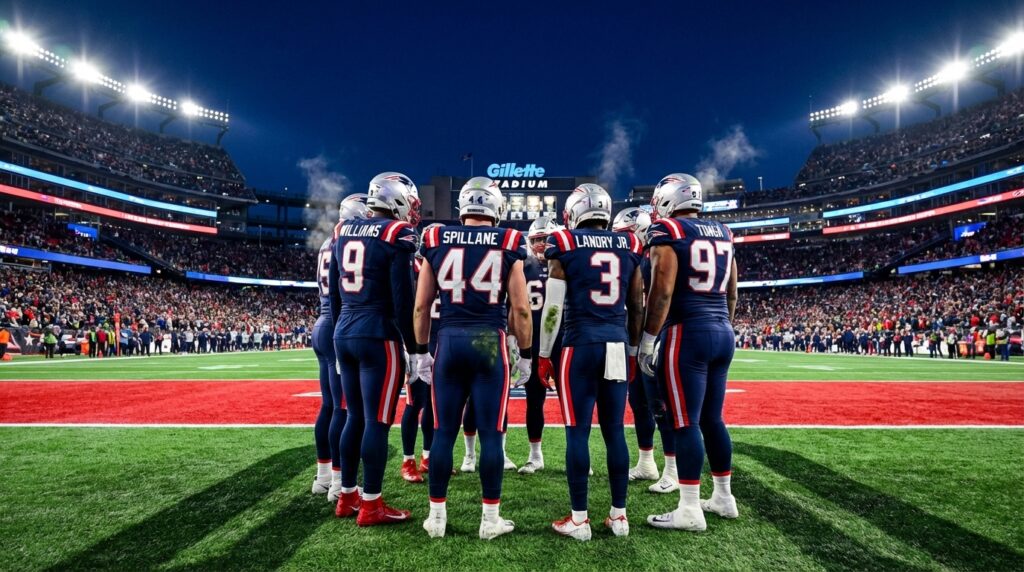
Patriots red zone defense: Why one roster problem could cap a 13-3 season
Patriots red zone defense sits at the center of a troubling paradox for New England. At 13-3, the team looks dominant in the standings. However, red zone failures could limit their playoff ceiling.
Entering Week 18, the Patriots rank dead last in red zone defense. They allow scores on 70.3 percent of opponents’ red zone trips. They surrendered seven red zone scores on nine trips in losses to the Bills and Ravens. Week 15 versus Buffalo produced the worst half of the season, with five straight touchdown drives.
Coach Mike Vrabel still hopes to patch the issue, but injuries have complicated plans. Milton Williams and Robert Spillane missed time, while Harold Landry Jr. and Khyiris Tonga eye returns. Because the offense has improved in the red area, they now score touchdowns at a 73 percent clip. Therefore, the defense must reduce scores or the Patriots will face a lower ceiling in January.
Analytically, this looks like a solvable problem, although the margin for error is small. As a result, New England’s postseason outlook hinges on whether it can stop opponents inside the 20. This article breaks down the roster causes and playoff implications.
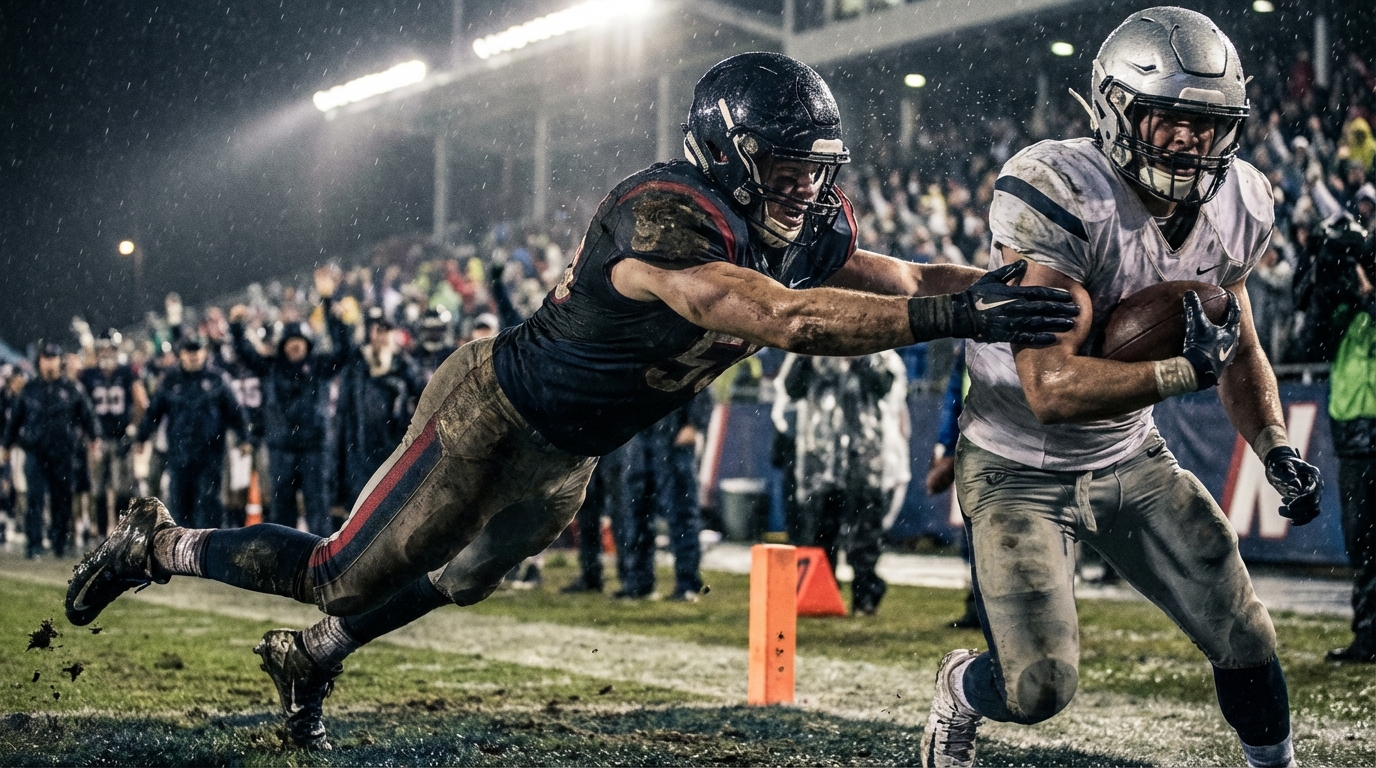
The Patriots rank dead last in red zone defense. Entering Week 18, opponents score on 70.3 percent of trips inside the 20. As a result, New England’s margin for error shrinks in the postseason. Week 15 versus the Bills highlighted the issue. The Patriots surrendered five consecutive touchdown drives in that game. Those failures matter because playoff teams punish soft red zone defense.
More broadly, the trend shows breakdowns in short-field situations. Over two recent games against the Bills and Ravens, the Patriots allowed seven red zone scores on nine trips. However, the unit has forced just three takeaways in bounce-back wins over the Ravens and Jets. That low turnover rate reduces the defense’s ability to flip momentum. Brad Gagnon of Bleacher Report summed it up plainly: “Vrabel’s Patriots have had a brutal time replicating the bend-but-don’t-break defense.” His point matters, because bend-but-don’t-break relies on limiting touchdowns near the goal line.
Injuries compound schematic shortcomings. Milton Williams and Robert Spillane missed snaps, which weakened interior push and linebacker depth. Meanwhile, Harold Landry Jr. and Khyiris Tonga are expected to return when games count in January. Therefore, personnel shifts could alter short-yardage effectiveness. Coach Mike Vrabel faces a clear choice: adjust scheme or hope the personnel returns heal the problem. Either way, the margin for error remains thin.
Tactically, opponents have attacked seams and used jumbo packages inside the 10. As a result, the Patriots struggled to clog running lanes and to pressure efficiently on passing downs. Drake Maye and other fast quarterbacks will test that weak point in the postseason. Consequently, New England’s playoff ceiling depends on rapid improvement in red zone defense. If the team fixes red zone issues, their 13-3 record will mean much more. Otherwise, a deep January run becomes unlikely.
Red zone defense comparison: Patriots versus league averages
| Metric | Patriots (recent) | NFL average (recent) |
|---|---|---|
| Touchdown percentage allowed | 70.3% of opponent trips (entering Week 18) | Around 50% to 55% |
| Red zone trips sample | 9 trips vs Bills and Ravens — 7 TDs | Varies; most teams allow fewer TDs on similar sample |
| Takeaways forced (recent stretch) | 3 total takeaways in bounce-back wins | Generally higher across similar two-game spans |
| Red zone ranking | 32nd overall (dead last) | Middle ranked teams land around 15th to 18th |
Key takeaways
- The Patriots allow scores at a markedly higher rate, and therefore their margin for error shrinks. However, the offense has improved in short field scoring, which complicates the picture.
- Week 15 vs Bills exposed the issue, when New England surrendered five consecutive touchdown drives. As a result, opponents converted at will inside the 10.
- Injuries to Milton Williams and Robert Spillane weakened short-yardage resistance. Harold Landry Jr. and Khyiris Tonga are expected back, which could help.
- For more context on emerging contributors and matchup fallout, see Efton Chism’s breakout and Hunter Henry’s season reviews.
Injuries and schedule impact
Defensive injuries to Milton Williams and Robert Spillane changed New England’s personnel mix. Williams provided interior push and Spillane added tackling and communication. Because both missed time, the Patriots lacked short-yardage muscle. As a result, opponents found seams inside the 10 more often.
Harold Landry Jr. and Khyiris Tonga project to return for January. Their presence should improve pass rush and edge-setting. However, practice reps and game conditioning matter. Therefore smart rotation and clear roles will be required to translate returns into red zone stops.
A favorable 2025 schedule masked early warning signs. New England faced softer offenses in many weeks, which boosted the 13-3 record. However, spike games against the Bills and Ravens exposed the unit. Week 15 versus Buffalo showed how matchups reveal depth issues quickly.
Off-field roster noise further muddies decisions about depth. For example, questions around Christian Barmore complicate interior choices here. Consequently, the front office may need short-term reinforcements before round one.
For the playoff push, this combination matters. If Landry and Tonga return healthy and fast, red zone defense can improve. If not, the favorable schedule will have papered over a real weakness. Therefore New England’s ceiling depends on health, rotation, and quick schematic fixes.
Conclusion
The Patriots red zone defense remains New England’s biggest constraint. They sit at 13-3, but have a clear vulnerability. Entering Week 18, opponents score on 70.3 percent of red zone trips. That rate will hurt in single-elimination games. Week 15 versus Buffalo exposed the problem, with five straight touchdown drives. Injuries and schematic issues produced those failures. Brad Gagnon has noted Vrabel’s unit struggles to recreate a bend-but-don’t-break identity.
Harold Landry Jr. and Khyiris Tonga could help upon return. However, the margin for error is narrow. A favorable 2025 schedule masked warning signs earlier. Therefore the Patriots must fix red zone fundamentals ahead of playoff matchups. If they do, the 13-3 record will better reflect postseason upside. If not, the roster problem will cap how far they advance.
Patriots Report LLC will continue tracking developments and injury updates. Find our coverage at Patriots Report and follow analysis on X at Twitter for ongoing insight.
Frequently Asked Questions (FAQs)
What is the core issue with the Patriots red zone defense?
The core issue is an unusually high touchdown rate allowed inside the 20. Entering Week 18, opponents score on 70.3 percent of red zone trips. Week 15 versus the Bills made the problem glaring because the Patriots surrendered five straight touchdown drives. As a result, that rate reduces margin for error in playoff football.
How much do defensive injuries affect red zone performance?
Defensive injuries matter a great deal. Milton Williams and Robert Spillane missing time weakened interior push and linebacker communication. Meanwhile, Harold Landry Jr. and Khyiris Tonga are expected back in January. Therefore personnel returns could improve short-yardage resistance, but conditioning and rotations must align for gains to appear.
Has the schedule masked the defense’s problems?
Yes, the favorable 2025 schedule hid warning signs. The Patriots finished 13-3 against softer early opponents, which limited exposure. However, tough matchups showed cracks against elite offenses like Buffalo and Baltimore. Because the offense has improved in the red area, the record looks better than the underlying defensive health.
What should Mike Vrabel and the coaching staff prioritize?
The staff must reduce touchdown conversions and create more turnovers. Brad Gagnon has noted Vrabel’s unit struggles to replicate a bend-but-don’t-break identity. Therefore schematic adjustments, short-yardage personnel, and pressure packages matter. Additionally, smart rotation and clear assignments will limit seams and improve results.
How will this affect the Patriots’ playoff push and what should fans watch?
The red zone problem creates a clear ceiling for the playoff push. Single-elimination games punish high touchdown rates allowed. Fans should watch interior defensive snaps, Landry and Tonga’s conditioning, and whether the team increases takeaways. If New England fixes these areas quickly, the 13-3 record will translate to postseason credibility. If not, the roster problem will likely cap how deep the team can go.