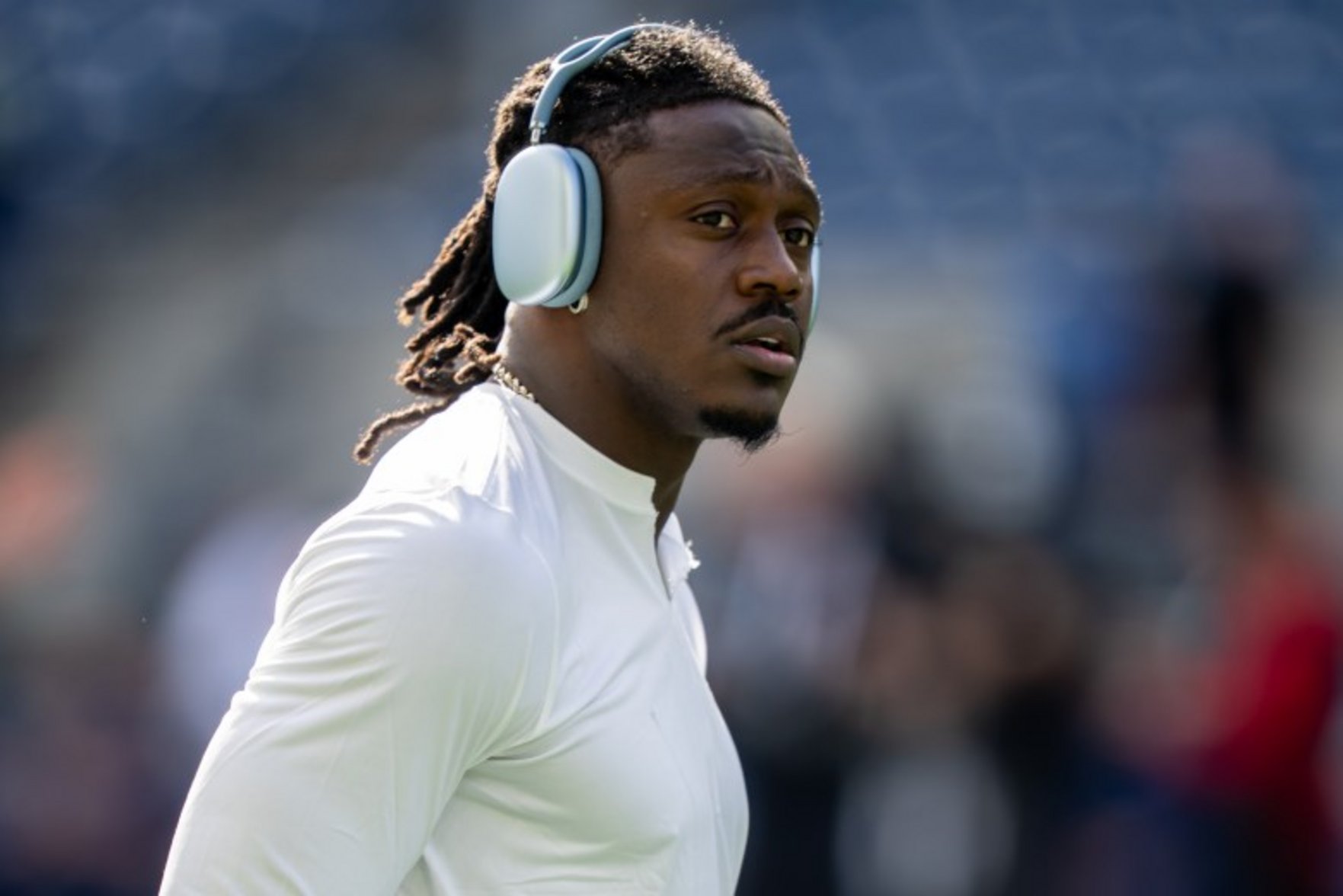
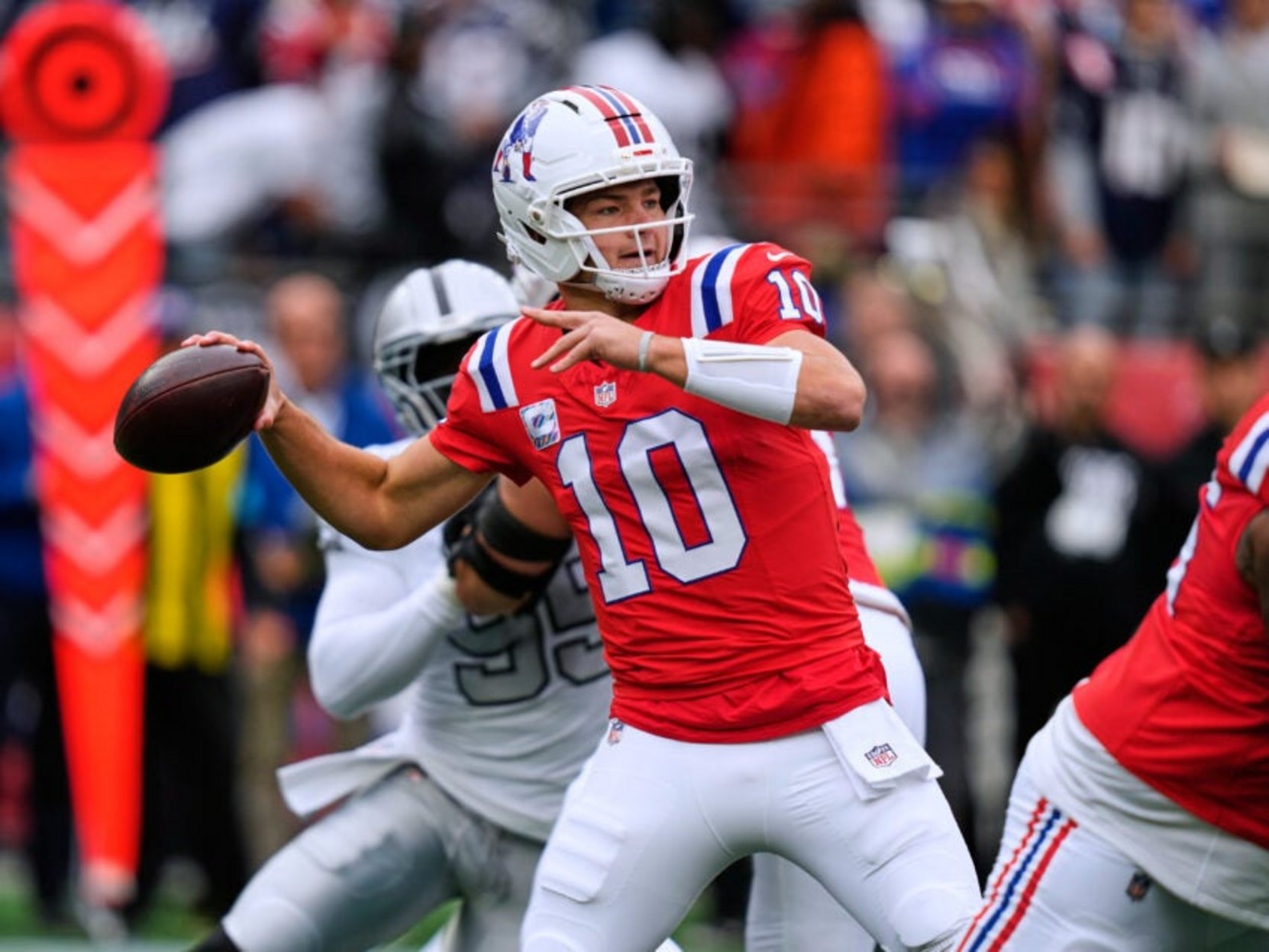
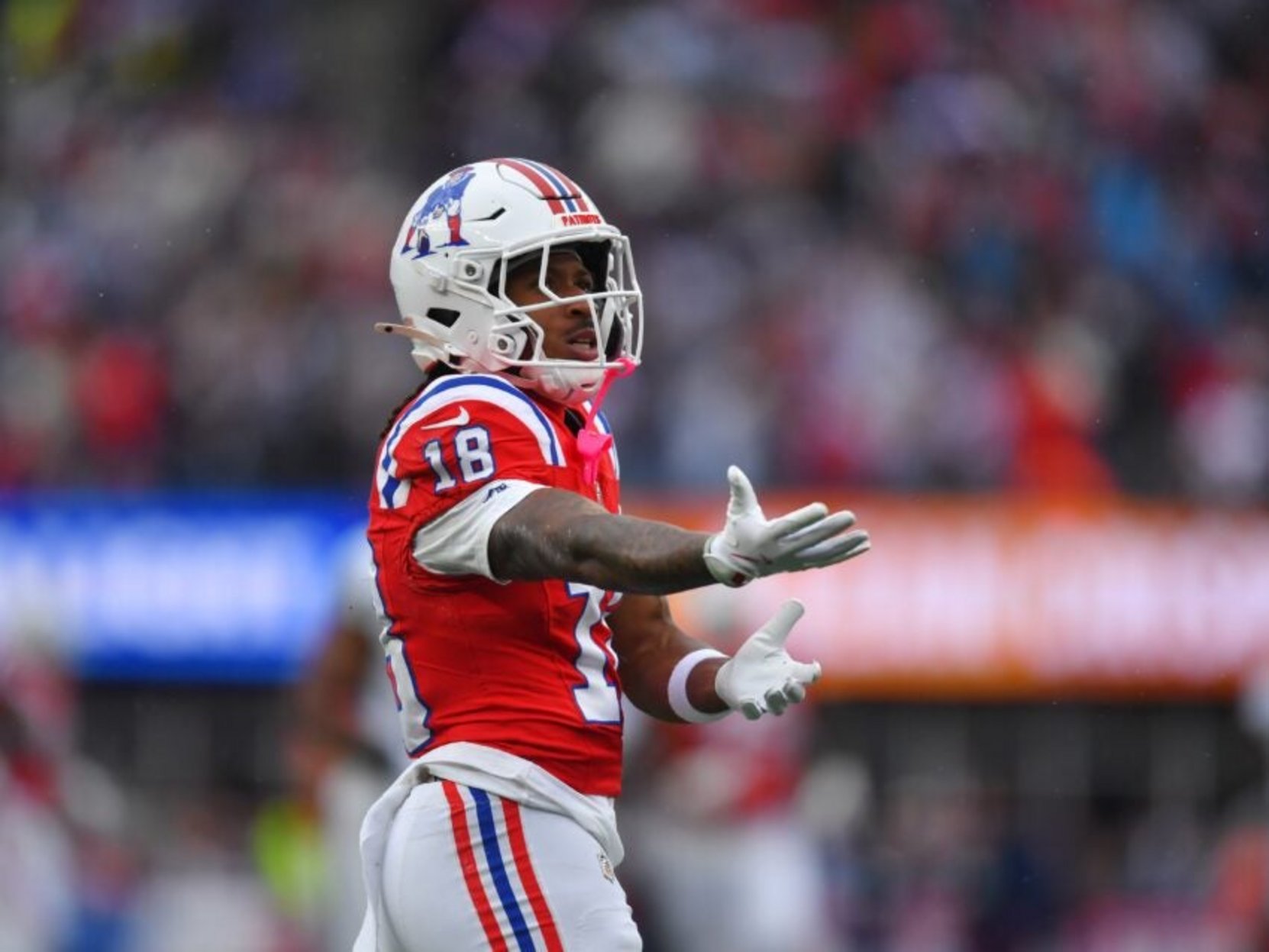
The New England Patriots released Josh Dobbs last week, forcing a recalibration of the Patriots quarterback strategy.
That move created immediate roster and cap questions for a team balancing short term needs with long term planning. Analytically, the decision signals a willingness to prioritize cost controlled options over veteran stopgaps.
Drake Maye’s rookie scale status and a projected $35 million in cap space shape those options. Therefore, New England looks likely to elevate Tommy DeVito into a cheaper second string role. They may then add a low cost third quarterback after the draft.
However, the roster blueprint carries risk because DeVito lacks extensive experience and Maye cannot be extended until 2027. Grier’s familiarity and a vet minimum price make him an obvious candidate. But a splash signing like Jimmy Garoppolo would change the dynamics entirely. This introduction previews a cautious, strategic breakdown of options and tradeoffs that will follow. Read on for a measured look at possible moves and their roster and cap consequences.

Patriots quarterback strategy: DeVito elevated and plans for a No. 3
Josh Dobbs’ release altered the short term depth chart and the financial calculus for New England. Because Dobbs would have counted for meaningful real cash, his exit frees room for a low cost reconfiguration. The team now projects Tommy DeVito into the No. 2 role on a cheaper contract. As ESPN’s Mike Reiss noted, “The team now projects to bump DeVito, on a cheaper contract, to the No. 2 role.” For context, Over The Cap projects about $35 million in current cap space, which shapes feasible moves for the rest of the offseason. See Over The Cap for team projections here and broader cap context here.
What elevating DeVito means
- DeVito’s two year extension gives the Patriots control at low cost. Therefore, the club can allocate dollars elsewhere.
- He lacks starter-level experience. As a result, the move increases the importance of a reliable third quarterback.
- The approach prioritizes cap flexibility and youth-friendly planning. Consequently, it preserves the team’s ability to pursue other roster needs.
Potential No. 3 plans
- Add a veteran on a team friendly deal. However, top veteran names like Aaron Rodgers or Kirk Cousins likely conflict with New England’s financial window.
- Sign a near vet-minimum option such as Will Grier. Grier brings familiarity with Patriots personnel and limited cost risk. For history on roster building and positional priorities, check this piece on offensive line draft targets here.
- Add an inexpensive developmental arm after the draft. Further offseason choices will balance draft capital and immediate need. For a view on how these moves interact with defensive planning, see here.
Risk versus reward
Elevating DeVito saves money and buys flexibility. Yet it adds a performance risk if Maye or DeVito miss time. Therefore, the Patriots must add a credible No. 3. Bill Belichick’s prior interest in players such as Will Grier suggests a path that uses familiarity and low cost. As Reiss summarized elsewhere, a Maye-DeVito-Grier room would be risky but strategic as New England maximizes a financial window through 2027. Finally, for scenarios involving larger in-season or trade gambits, review trade-up considerations here.
| Player | Role projection | Contract details | Experience level | Financial impact |
|---|---|---|---|---|
| Josh Dobbs | No. 2 (before release) | Released; 2026 base $3.2 million (would have been less than $4 million real cash) | Veteran starter/backup with recent NFL starts | Release frees cap space; reduces short-term veteran cost |
| Tommy DeVito | Projected No. 2 | Two-year extension; team-friendly, low-cost veteran backup | Limited regular-season snaps; developmental but rising | Preserves cap flexibility; cheap No. 2 solution |
| Drake Maye | Projected starter | Rookie-scale contract; $4.1 million real cash in 2026; not extension-eligible until 2027 | High-upside rookie; All-Pro upside noted | Rookie scale creates a financial window through 2027 |
| Will Grier | Potential No. 3 | Near vet-minimum or practice-squad deal; low financial risk | Experienced backup with preseason flashes; familiar to Patriots | Minimal cap hit; familiar option to mitigate depth risk |
| Jimmy Garoppolo | Possible veteran addition | Veteran stopgap; historically large deals but recent team-friendly Rams pacts near $3 million | Proven starter with higher cost and age considerations | Would use significant cap or require team-friendly one-year deal |
Patriots quarterback strategy: Financial window and roster implications
The Patriots now face a clear financial window created by Drake Maye’s rookie-scale deal. Because Maye costs roughly $4.1 million in real cash in 2026, the club retains flexibility. Over The Cap projects about $35 million in current cap space, which limits and guides signing choices. See Over The Cap for team projections here.
Rookie-scale contracts buy time. Therefore, New England can avoid expensive veteran quarterbacks this offseason. As a result, the team can allocate cap dollars to offensive line help and skill positions. This approach prioritizes long-term roster construction over short-term splash moves.
Key roster and financial implications
- Cap flexibility: The Maye contract and Dobbs’ release free up room. Thus, the Patriots can pursue targeted upgrades without mortgaging the future.
- Cost controlled depth: Elevating Tommy DeVito as a cheaper No. 2 reduces payroll. Consequently, the team can add a low-cost No. 3 quarterback later.
- Developmental window: Because Maye cannot be extended until 2027, New England preserves a cheap starter for at least one full season. This creates a predictable financial runway.
Why aging veterans may not fit
- Price mismatch: Veterans such as Aaron Rodgers, Kirk Cousins, and Russell Wilson command or hope for larger guarantees. Therefore, their contracts would erode cap flexibility.
- Risk tolerance: Older quarterbacks present decline risk. Consequently, the Patriots prefer lower-cost options that minimize long-term exposure.
Strategic tradeoffs and the QB room
Bill Belichick’s possible Maye-DeVito-Grier trio captures this strategic logic. As one summary put it, the Maye-DeVito-Grier room is risky but strategic because it maximizes a financial window through 2027. Given limited cap space, New England appears willing to accept short-term depth risk. However, they will likely offset that risk with a near vet-minimum No. 3 or a post-draft addition. Ultimately, the strategy balances cost control, roster flexibility, and development timelines.
CONCLUSION
The Patriots chose cost control over veteran stopgaps by releasing Josh Dobbs.
Therefore, the organization has signaled a clear Patriots quarterback strategy centered on fiscal flexibility and development.
That plan elevates Tommy DeVito as a cheap No. 2 and preserves Drake Maye’s rookie window.
As a result, New England can fund offensive line and skill upgrades while limiting long-term QB risk.
However, the approach carries depth risk if injuries hit the quarterback room.
So the team will likely add a low-cost No. 3 such as Will Grier or a draft arm.
Ultimately, this cautious, strategic mix balances present competitiveness with future payroll flexibility.
For ongoing coverage and deeper analysis, follow Patriots Report LLC at Patriots Report and on Twitter X @ZachGatsby.
We will monitor roster moves and cap shifts and report updates as they arrive.
This strategy recognizes both upside and uncertainty.
Therefore, fans should temper expectations while trusting the front office.
Updates will follow.
Frequently Asked Questions (FAQs)
What immediate impact did Josh Dobbs’ release have on the Patriots quarterback room?
Dobbs’ release freed cap space and removed a veteran safety net. Therefore, New England gains financial flexibility. However, the move increases urgency to secure reliable depth behind Drake Maye.
What role will Tommy DeVito likely play this season?
DeVito projects as the No. 2 quarterback on a team-friendly two year deal. He provides cheap depth but has limited starter experience, so game readiness remains a question.
How does Drake Maye’s rookie contract affect roster planning?
Maye’s rookie scale contract creates a financial window through 2027. As a result, the team can prioritize youth and cap flexibility rather than costly veteran signings.
Are aging veteran free agents a realistic target for New England?
Unlikely. Veterans like Aaron Rodgers, Kirk Cousins, or Russell Wilson require guarantees. Thus, their deals would erode cap flexibility and increase long term risk.
How will the Patriots build QB depth after Dobbs’ exit?
Expect a low cost approach. The team may add a near vet minimum No. 3 such as Will Grier. Alternatively, they could draft a developmental arm and use practice squad depth to mitigate risk.