Patriots pass on reunion with Matthew Judon: Fans erupt over the choice
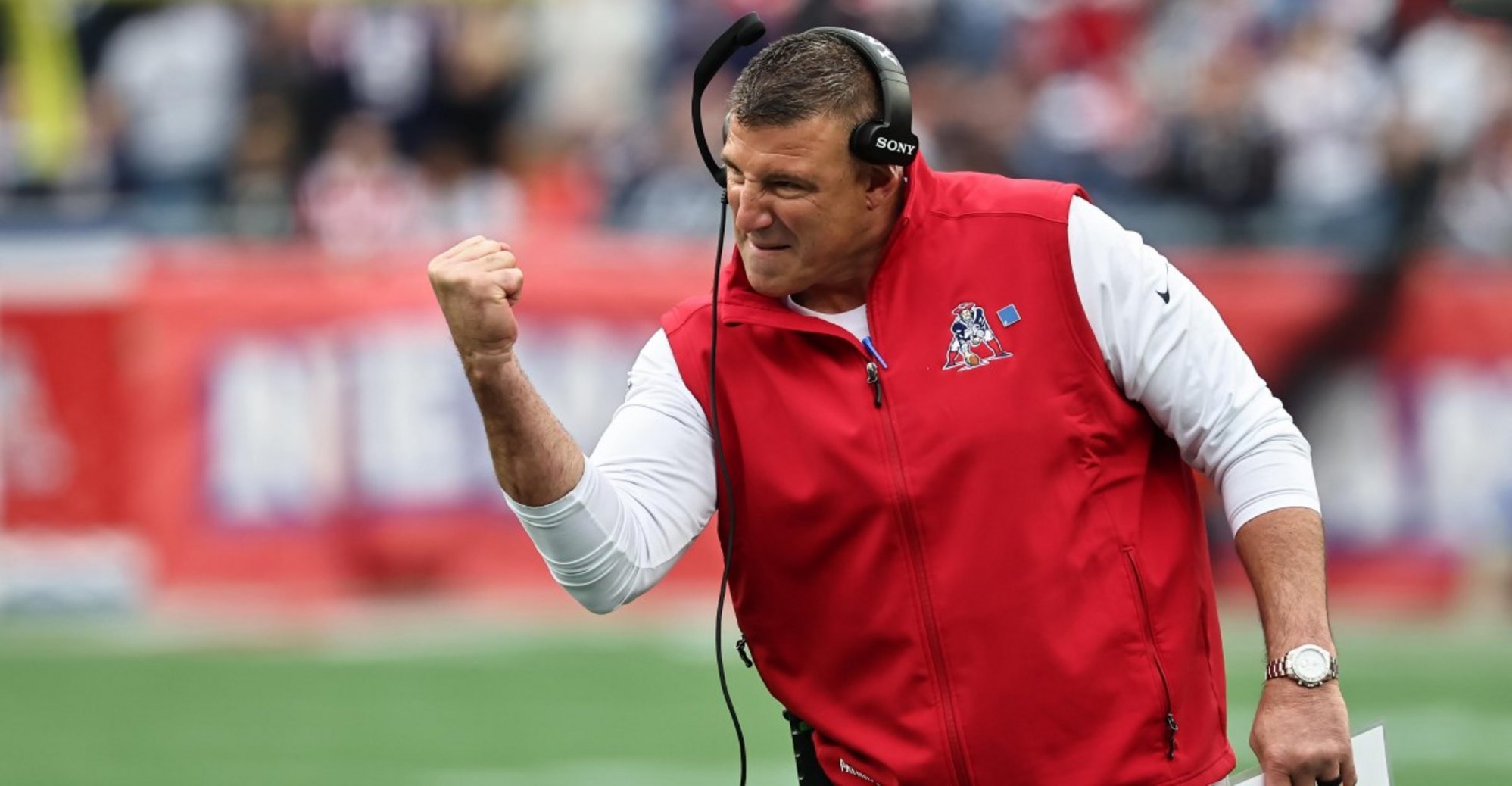
Patriots pass on reunion with Matthew Judon ignited immediate controversy among fans, because many felt New England abandoned a proven edge presence when it mattered most. Supporters criticized Jerod Mayo for the earlier trade and demanded the red sleeves return, arguing Judon’s leadership and sack production would steady a thin pass rush.
Judon spent time with the Falcons and Dolphins before signing with the Bills practice squad, and the Patriots briefly elevated him to the 53-man roster for the season finale against the Jets. He recorded no tackles in that game; however, New England was balancing injuries across the defensive line and pass rushers, which complicated roster decisions late in the year.
As a result, his absence opened chances for K’Lavon Chaisson, Anfernee Jennings, and Elijah Ponder, and the team now leans on internal depth while preparing for playoff matchups and the tough choices of the 2026 offseason.
Patriots pass on reunion with Matthew Judon
New England’s choice to pass on a reunion with Matthew Judon reflects clear roster strategy, not panic. Because the team suffered injuries along the defensive line, the decision looks conservative and forward focused. The Patriots weighed Judon’s experience and leadership against the value of developing younger edge rushers. For context, Judon’s recent stops included the Falcons and Dolphins before a Bills practice squad signing, and his pro profile remains public at Matthew Judon’s Profile for reference. Meanwhile, New England’s official roster and injury updates show the team juggling depth at edge defender spots at Patriots Roster.
Coaches and front office staff favored opportunity cost and chemistry. As a result, the club trusted K’Lavon Chaisson, Anfernee Jennings, and Elijah Ponder to step up. Furthermore, the move preserved cap and roster flexibility heading into playoff matchups and the 2026 offseason planning. The choice also signaled confidence in internal talent and in the scheme coached by Jerod Mayo and staff.
Key strategic reasons
- Short term injuries made a veteran signing less certain to change outcomes, so the team opted for internal depth.
- Younger players offered upside and special teams value, which influenced roster math.
- Cap space and future draft planning mattered, therefore long term flexibility weighed heavily.
Ultimately, the decision shifted locker room dynamics but did not leave New England barren. However, it forces tough evaluations in free agency and draft planning before the 2026 offseason.
Comparative table of key pass rushers
Below is a side by side comparison of the key pass rushers tied to the decision. Because clarity matters, the table shows team history, 2025 role, key strengths, and potential playoff impact.
| Player | Team history | 2025 season role and stats | Key strengths | Potential playoff impact |
|---|---|---|---|---|
| Matthew Judon | Stints with the Falcons and Dolphins; later joined Bills practice squad; brief Patriots elevation | 2025: limited action; elevated to the 53 man roster for the season finale; recorded no tackles in that game | Veteran leadership; proven situational pass rusher; reliable against the rush | Could provide experience and edge rotation depth, however limited snaps lower immediate impact |
| K’Lavon Chaisson | Young edge rusher in New England rotation, gained snaps in relief | 2025: rotational snaps and pass rush opportunities; stepped into larger roles when available | Explosive first step; strong upside on obvious passing downs; special teams value | Offers athletic pass rush options and matchup flexibility, therefore helpful in clear passing situations |
| Anfernee Jennings | Rotational linebacker and edge depth for New England | 2025: rotational defense snaps and special teams contributions | Run fit instincts; competitive motor; reliable tackling in space | Brings stability against the run and helps in short down packages, so he eases workload on others |
| Elijah Ponder | Young developmental edge with practice and game day elevations | 2025: depth chart appearances and situational pass rush reps | Length and developmental traits; productive on early downs in relief roles | Provides youthful energy and situational pass rush value, therefore a useful depth piece |
| Harold Landry | Experienced veteran often mentioned in edge discussions | 2025: veteran starter profile and consistent pressure production in prior seasons | Consistent quarterback pressure; proven starter traits; veteran savvy | Would be an immediate starter level boost, and therefore a high impact player in playoff matchups |
This table clarifies roster choices behind the Patriots pass on reunion with Matthew Judon. As a result, it highlights why New England prioritized internal depth and playoff flexibility.
Locker room impact and fan sentiment
Locker room morale shifted quickly after the decision. Some veterans felt the loss of a familiar leader, and younger players sensed chance. Coaches emphasized depth and role clarity, therefore the message stayed focused. As a result, team chemistry adjusted around competition and opportunity.
Player morale
- Veteran players missed Judon’s vocal leadership and situational know how.
- Young rushers reacted with increased urgency, because they saw clearer paths to snaps.
- Coaches used the moment to stress accountability and development.
- Special teams roles expanded for those on the fringe, which kept competitive edges sharp.
Fan reaction and pressure on Jerod Mayo
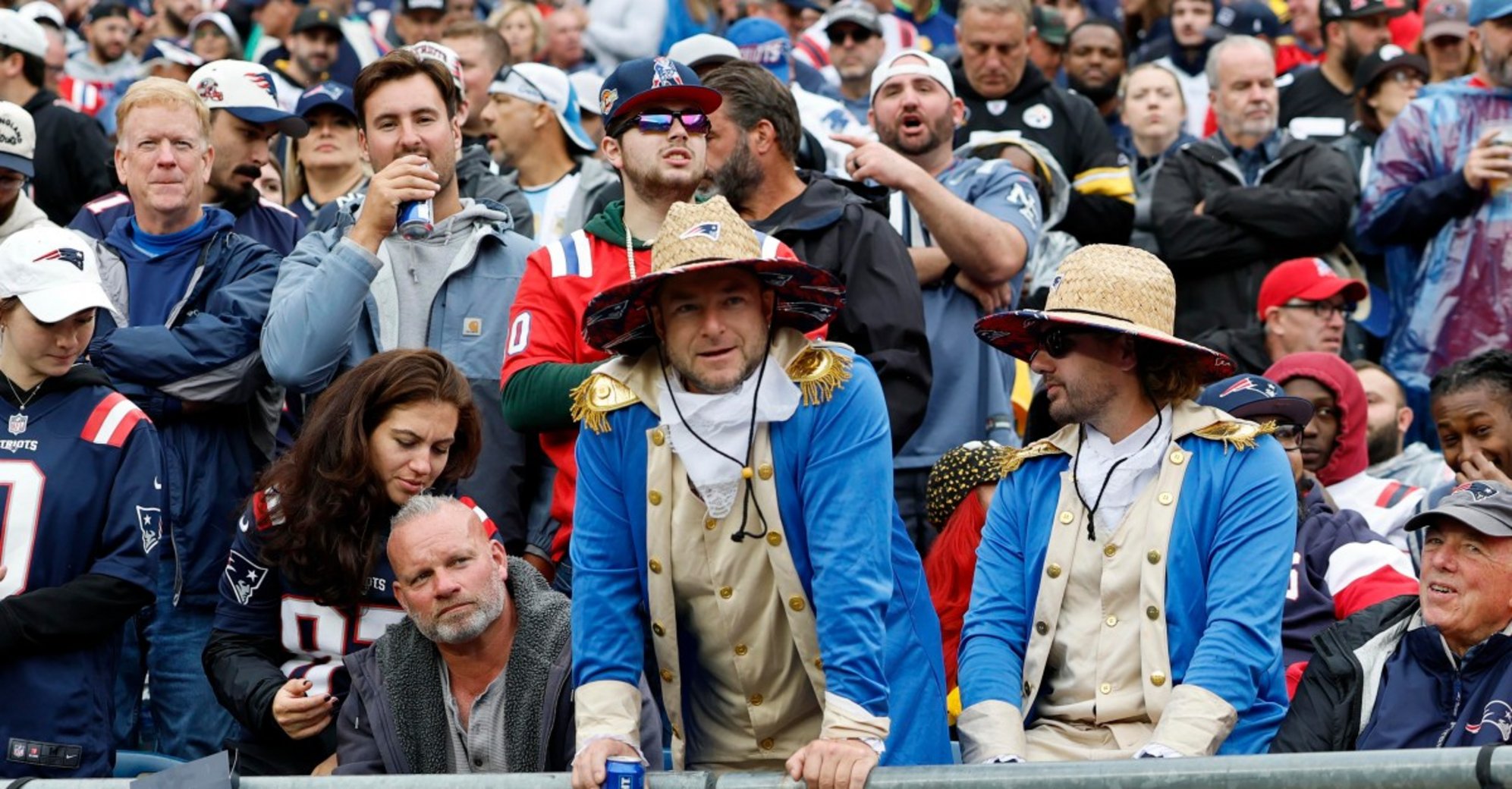
- Fans expressed disappointment and anger, especially about Mayo’s prior trade decisions.
- Social media amplified calls for a reunion, and some supporters questioned front office judgment.
- However, many fans acknowledged the value of developing internal options for long term gain.
- The noise raised expectations for immediate results, therefore the coaching staff faces added scrutiny.
Opportunities created for young players
- K’Lavon Chaisson, Anfernee Jennings, and Elijah Ponder gained clearer paths to reps and roles.
- Increased snaps help young players build confidence and game speed quickly.
- In addition, special teams work offers a steady avenue to contribute immediately.
- If these players progress, the Patriots will enter the playoffs with internal trust and flexibility.
In short, the decision stung emotionally for fans and veterans. yet it accelerated development for emerging pass rushers and kept roster flexibility for the playoffs and the 2026 offseason.
Conclusion
Patriots pass on reunion with Matthew Judon was the right long term move. Because the front office prioritized roster flexibility and youth, the club preserved future options. Judon’s veteran presence offered short term stability, however internal development promised more upside. K’Lavon Chaisson, Anfernee Jennings, and Elijah Ponder now have clearer paths to contribute. As a result, coaches can evaluate true playoff rotation under live conditions. This approach reduces costly midseason adjustments and rewards performance driven promotion. Playoff outlook looks optimistic if the younger rushers progress and the trenches heal. Meanwhile, the front office faces tough choices in free agency and the 2026 draft. Therefore roster construction and cap planning will define New England’s offseason. Fans may grumble, yet this team builds for sustained contention.
For ongoing analysis and sharp Patriots coverage, follow Patriots Report LLC. Visit here and follow Twitter at @ZachGatsby for regular updates. Watch roster moves closely this spring. We expect the team’s strategic patience to pay dividends into and beyond 2026. Analysis will prove this was a calculated risk worth taking.
Frequently Asked Questions (FAQs)
Why did the Patriots pass on reunion with Matthew Judon?
The club prioritized roster flexibility and youth development. Because Judon offered short term help, New England weighed his value against younger, cheaper options. Coaches believed internal players could step up. Therefore the team chose to preserve cap room and future roster control.
What is Matthew Judon’s recent status and performance?
Judon had stops with the Falcons and Dolphins, then joined the Bills practice squad. He returned briefly to New England and was elevated for the season finale. However, he recorded no tackles in that game and saw limited snaps overall.
Did Jerod Mayo’s prior trade decisions drive fan anger?
Yes, many fans blamed the trade and called for Judon to return. At the same time, front office staff defended their plan. As a result, the club faces heightened scrutiny but also keeps faith in its developmental roadmap.
Who benefits most from not signing Judon?
K’Lavon Chaisson, Anfernee Jennings, and Elijah Ponder gained clearer chances. Increased reps boost their experience and special teams roles. In addition, strong play now could lock them into meaningful playoff roles.
How does this choice affect playoffs and the 2026 offseason?
In the short term, depth matters and scheme continuity helps playoff readiness. Meanwhile, the front office will make tough decisions in free agency and the draft. Therefore roster construction this spring will define New England’s path forward.
How will this decision shape the Patriots offseason for 2026 including cap space, draft strategy, and defensive depth?
Short answer: it pushes Patriots offseason planning toward smart cap management and focused additions. Longer answer:
- Cap space and cap planning: Passing on Judon preserves cap space and financial flexibility. Consequently the front office can pursue targeted free agents, execute contract restructures, or carry room into 2026 draft signings without sacrificing future salary cap health.
- Draft strategy and defensive depth: Expect draft boards to emphasize defensive depth, especially edge rushers and hybrid linebackers with pass rush upside. Scouts will value players who offer immediate rotational help, special teams value, and upside. In addition, the Patriots may prioritize early picks for high upside pass rush prospects and use later rounds to build developmental depth.
- Free agency and roster depth: New England retains the option to add a veteran if playoff play reveals gaps. However, the team will balance veteran signings against maintaining youth opportunities to grow in place. Overall roster depth decisions will focus on sustainable contributions rather than short term patchwork.
- Practical implications for coaches and evaluation: Coaches will evaluate Chaisson, Jennings, and Ponder in live reps to determine if they can shoulder playoff roles. If they progress, the Pats preserve cap space and draft flexibility. If not, the available cap space gives the front office latitude to pursue upgrades.
In summary, the choice signals a Patriots offseason centered on cap planning, smart draft strategy, and building defensive depth through a mix of youth development and targeted veteran additions.