Patriots offseason roster moves and quarterback-receiver chemistry: Why this summer matters
The New England Patriots face a pivotal spring. Patriots offseason roster moves and quarterback-receiver chemistry sit at the center of mounting expectations. Because the team added A.J. Brown and Romeo Doubs, questions about fit matter greatly. Drake Maye must build trust with his targets, especially on deep routes.
Meanwhile, rookie signings and UDFA standouts push competition across the roster. As a result, training camp reps will reveal which combinations stick. Coaches and fans will watch timing, route mechanics, and ball placement closely.
This article breaks down offseason moves, practice reports, and chemistry indicators. Therefore, read on for an analytical and cautious look at what matters most. They also signed guard Alijah Vera-Tucker and re-signed fullback Reggie Gilliam. At 23, Maye brings youth and upside to a high-octane offense.
However, his rapport with new receivers remains a work in progress. We will analyze practice tape, target numbers, and anticipated depth chart roles. Fans should expect both bright signs and growing pains this fall.
Ignite Chemistry: Why This Offseason Defines the Patriots' Offense
The Patriots invested in youth and depth this spring. Rookie minicamp clips and OTA reports show competition across offense and special teams. Because the team needs reliable depth, undrafted free agents (UDFA) matter more than usual.
Key takeaways
- Xavier Holmes flashed route polish and hands in rookie minicamp. Therefore, he projects as a special teams contributor if he nails consistency.
- Efton Chism III and Elijah Ponder stood out in positional drills. As a result, they pushed veterans in one-on-one work.
- Several UDFAs earned extra reps with Drake Maye during OTAs. Consequently, reps with the starting quarterback could speed chemistry development.
- Roster context matters: the Patriots’ 90-man roster still has holes at receiver and depth across the offensive line.
Analytical view
- Rookies provide low-cost upside and roster flexibility. For example, a UDFA who masters technique can force a 53-man roster spot.
- Coaches evaluate coachability and consistency, not just raw production. As one staffer said, “X was a productive college player. There’s a lot of reasons guys fall through the draft or maybe don’t sign as a free agent. He came here. You’re just looking for little things. Are they coachable? They make a mistake, and can they correct it? You look at effort, you look at skill set.”
Implications
- If a rookie earns special teams snaps, the front office can preserve cap space. Meanwhile, strong OTT chemistry with Maye reduces early-season growing pains.
- Therefore, track snap counts, target share, and practice reports to separate long shots from likely 53-man roster members.
Early indicators from open practices
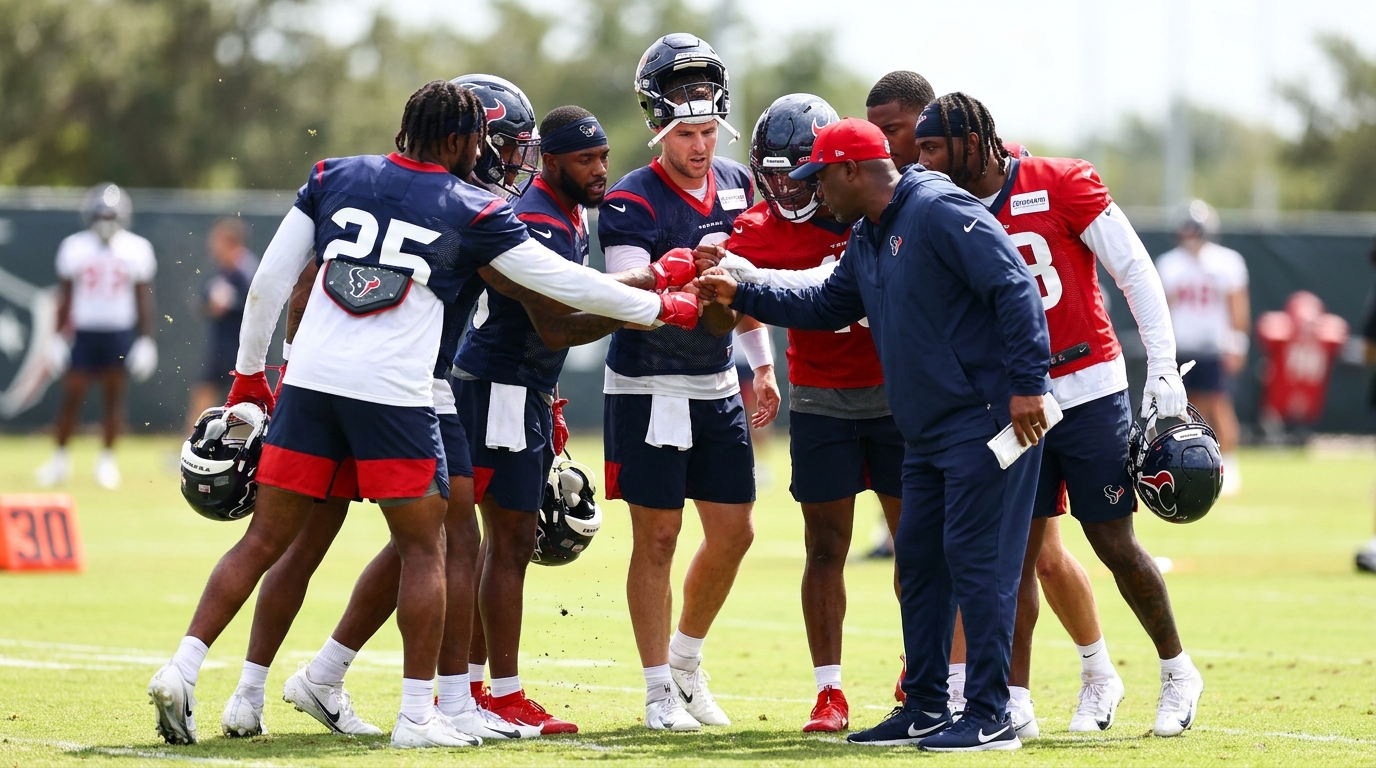
Open practices showed early signs of rhythm. Maye targeted both A.J. Brown and Romeo Doubs. Doubs caught five passes on 10 targets across four competitive open practices. Several deep targets between Maye and Doubs landed incomplete. Brown showed reliable hands and contested catch ability. Brian Hines of Pats Pulpit noted, “But the chemistry between Doubs and quarterback Drake Maye remains a work in progress.” Those comments match what the tape shows.
Patriots offseason roster moves and quarterback-receiver chemistry: Maye with Brown and Doubs
Maye is 23 and still developing as an NFL starter. Therefore, timing and ball placement will determine early results. Brown brings veteran savvy and contested catch skills that aid reads. Doubs projects as WR2 behind Brown and gives the offense depth. However, spring reps exposed timing issues on deep concepts. Coaches will focus on route stems, separation, and release timing during OTAs and training camp. As a result, more reps should improve downfield connections.
What this means for the Patriots offense
If Maye syncs with Brown and Doubs, the passing game opens vertically. Consequently, opposing safeties must respect both speed and contested catch ability. Conversely, slow chemistry will push the offense to shorter, safer throws. That shift would raise the importance of tight ends and the run game. Therefore, preseason targets, contested catch rates, and third down conversion metrics will be key. Fans should expect growing pains, but also upside if connections click by September. Coaches will track practice snaps closely. Expect roster moves before final cuts.
| Player Name | Position | Acquisition Method | Expected Role | Notable Observations |
|---|---|---|---|---|
| A.J. Brown | Wide receiver | Trade | WR1, primary vertical threat | Veteran contested catch specialist. Will be the primary downfield target for Drake Maye. |
| Romeo Doubs | Wide receiver | Free agent (from Green Bay) | WR2, boundary target and deep option | Caught five passes on ten targets in four open practices. Chemistry with Drake Maye remains a work in progress per Brian Hines. |
| Alijah Vera Tucker | Guard | Free agent signing | Starting interior guard | Brings starting experience. Expected to stabilize pass protection and run blocking. |
| Reggie Gilliam | Fullback | Re signed | Lead blocker and special teams contributor | Adds continuity and short yardage toughness. |
| Xavier Holmes | Wide receiver | Rookie signing / UDFA | Special teams and developmental depth | Flashed route polish and reliable hands in rookie minicamp. Could earn snaps on the 90 man roster. |
Related keywords: rookie minicamp, undrafted free agents (UDFA), 90 man roster, Drake Maye, receiver depth, training camp
Conclusion
The Patriots offseason roster moves and quarterback-receiver chemistry are taking shape. The front office added proven playmakers while investing in youth and depth. Drake Maye now has A.J. Brown and Romeo Doubs to target. In addition, rookie signings and UDFA standouts sharpen competition for roster spots.
Cautious optimism is the right stance heading into training camp. Maye showed growth, but timing with new receivers needs more reps. Therefore, OTAs and preseason snaps will prove decisive. Coaches will prioritize timing, route stems, and ball placement to speed chemistry.
Ultimately, the roster moves add upside and flexibility. If connections click, the offense gains a vertical threat and more contested catch options. Conversely, slow chemistry will shift playcalling toward safer concepts and short throws. Either way, fans should expect progress and early growing pains.
For ongoing coverage and practice reports, trust Patriots Report LLC. Follow Patriots Report at patriotsreport.com and on Twitter X @ZachGatsby for updates. Stay tuned with cautious excitement as the preseason unfolds.
Frequently Asked Questions (FAQs)
Will the Patriots offseason roster moves and quarterback-receiver chemistry improve by Week 1?
The moves give the team clearer weapons and more depth. However, chemistry takes time, especially on deep concepts. Because Drake Maye is 23, reps in OTAs and training camp will be crucial. Therefore, expect visible progress but some early-season growing pains.
How do rookie signings and undrafted free agents (UDFA) affect the 90-man roster?
Rookies and UDFAs create competition and roster flexibility. As a result, special teams snaps often determine who sticks early. Coaches focus on coachability, effort, and technique. Meanwhile, a UDFA who masters fundamentals can earn a 53-man spot.
Should fans worry about Romeo Doubs after spring practice stats?
Not yet. Doubs caught five passes on ten targets across open practices, so sample size is small. However, incomplete deep targets point to timing issues. Consequently, more reps with Maye should clarify his role.
What role will A.J. Brown play with Drake Maye leading the offense?
Brown is the primary vertical threat and contested catch option. Therefore, he should help simplify reads for Maye. His presence forces defenses to adjust, which opens intermediate space for others.
What metrics should fans track to monitor chemistry?
Track target share, contested catch rate, and third down conversions. Also watch preseason snap counts and practice reports. These indicators show whether chemistry strengthens before the regular season.