Patriots offseason 2026: Offseason blueprint including combine takeaways, mock drafts & offensive-line fixes
Patriots offseason 2026 begins with clear problems and real opportunities. Right away, New England must confront a porous offensive line that surrendered too much pressure, while also weighing the combine results and draft value at pick No. 31. In short, this offseason will test the front office’s ability to balance free agency, positional surgery, and developmental prospects.
This piece lays out a pragmatic blueprint. First, we review NFL combine takeaways that matter for the Patriots’ board. Next, we present a four-round mock draft that targets OLine help, interior blockers, and a swing piece at tackle. Finally, we tackle five concrete options for fixing the offensive line through veterans, scheme tweaks, and rookie additions. Along the way, we evaluate backup quarterback choices, cap math, and market value for key role players. Because the Patriots need both immediate starters and long-term depth, this analysis mixes scouting, salary context, and strategic opinion. Therefore, expect pointed recommendations and a clear hierarchy of roster moves to present to Patriots decision makers.
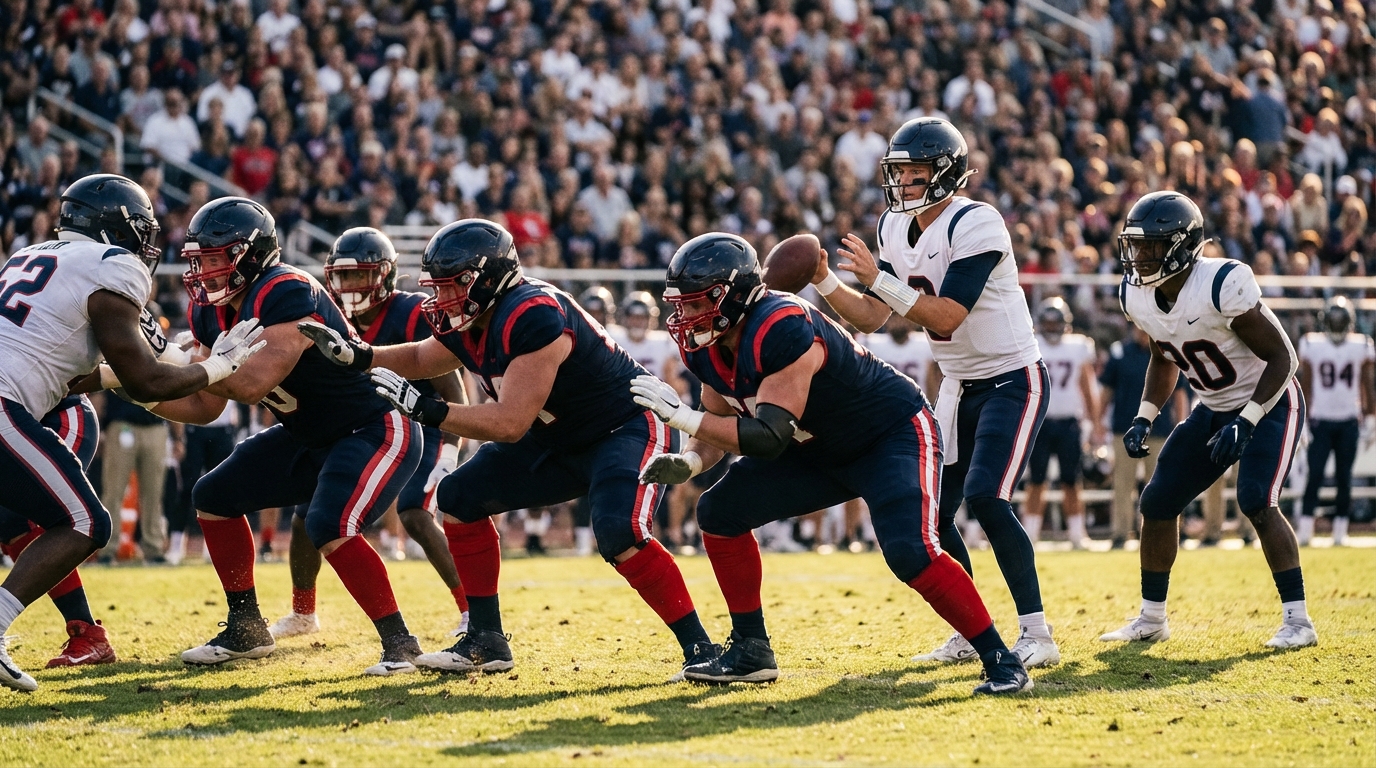
Combine takeaways and impact on Patriots offseason 2026
The NFL combine offered clarity for New England. Because the Patriots must fix a vulnerable offensive line, every measurement mattered. Emmanuel Pregnon turned heads with his film-first profile and positive athletic marks. His quick feet and bend should make him a Day One starter inside or at guard. Consequently he remains a viable target if the Patriots keep pick No. 31.
Blake Miller showed tackle traits that NFL teams covet. He posted length and punch in drills, and he flashed enough lateral movement to project as a swing tackle. Therefore Miller could occupy a tackle role immediately and teach under veterans.
Will Campbell was the most physically ready name in the group. With power at the point of attack, he fits gap-driven schemes. However his bend and recovery speed raised questions in pass sets. Yet given New England’s need for interior push, Campbell deserves late first to early second round consideration.
The combine numbers matter because the Patriots need both starters and depth. For example, Pregnon’s 10-yard split and Miller’s three-cone time change how the board falls. As a result mock drafts shift toward linemen when those drills validate tape. Moreover teams that value durability will trade into a pick if a top OLine athlete slips. This reality shapes our four-round mock draft.
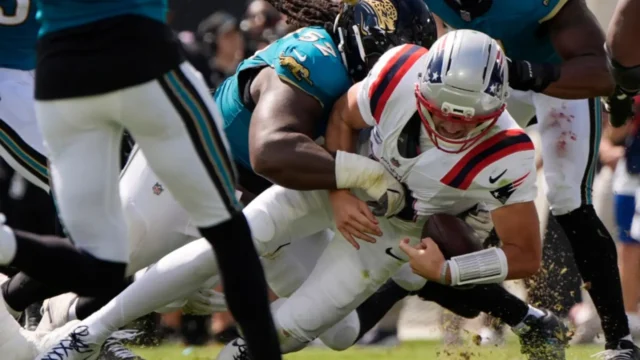
Because the Patriots allowed 21 playoff sacks, line upgrades rise to priority one. As one source put it, “Five options for the Patriots this offseason as they look to solve their offensive line issues.” In short, the combine narrowed choices. It also pushed some prospects into actual starter windows. Therefore New England must balance free agency, veteran signings, and draft capital to rebuild its trenches.
| Player Name | Position | Experience | Pros | Cons | Estimated Salary Cap Impact |
|---|---|---|---|---|---|
| Will Campbell | Interior lineman (guard/center) | High level college starter; draft eligible | Pros: Powerful run anchor; quick at point of attack; fits gap schemes | Cons: Pass set recovery questions; technique needs refinement | Estimated: Rookie scale contract; low cap hit first two years |
| Emmanuel Pregnon | Guard/plugging tackle | College starter with tape and athleticism | Pros: Agile feet; strong bend; projects as day one starter inside | Cons: Needs added mass against power rushers; technical polish required | Estimated: Rookie scale contract; low cap hit early in career |
| Jared Wilson | Interior/versatile lineman | Mid round draftable; rotational starter profile | Pros: Versatility across guard and center; smart blocker; good awareness | Cons: Limited NFL experience; may need coaching to start consistently | Estimated: Low to moderate cap impact if signed; short term deal likely |
| Mike Onwenu | Tackle/guard | Established NFL starter with starting reps | Pros: Powerful run blocker; versatile on line; proven durability | Cons: Higher cap hit; age and technique can be factors in pass sets | Estimated: Moderate to high cap hit, roughly 8 to 12 million annually (estimated) |
| Morgan Moses | Tackle | Veteran starter with multiple seasons starting | Pros: Strong in pass protection; experience; stabilizing veteran presence | Cons: Age related decline; not as explosive in run game | Estimated: Moderate cap hit, roughly 6 to 9 million annually (estimated) |
However, note salary ranges are estimates and will shift with market demand. Because cap pressure matters, veterans may require restructuring or shorter deals.
Four round Patriots mock draft and quarterback strategy
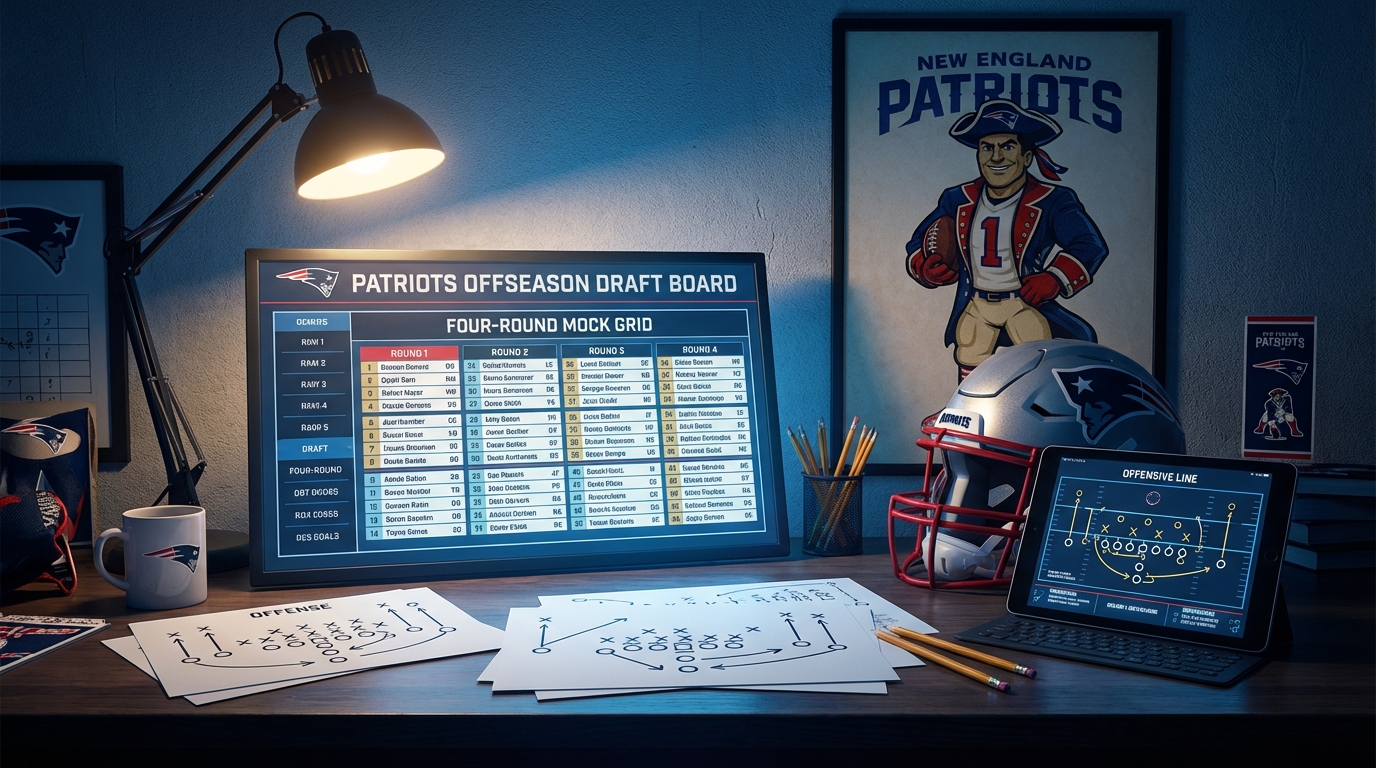
The Patriots enter the draft with a clear trench priority, and pick 31 can deliver an immediate upgrade. Below are concise plans by round and a focused quarterback approach that ties to cap reality.
Round 1
Takeaway: Use the 31st pick on an offensive lineman who can start immediately or serve as a swing tackle to stabilize protection.
If Emmanuel Pregnon falls, he should be the top target for inside quickness and starter readiness. Alternatively selecting Blake Miller provides tackle length and developmental upside. Either option moves the needle on pass protection and run blocking.
Round 2
Takeaway: Add interior depth or a versatile backup who can step into a starting role within the season.
Follow up with Will Campbell or Jared Wilson to bolster manpower and improve toughness at the point of attack. Prioritize players with positional flexibility to protect against injuries and allow schematic adjustments.
Rounds 3 and 4
Takeaway: Fill special teams needs and long term projects while keeping developmental depth on the offensive line.
Use these mid rounds for edge depth, swing linemen, or special teams standouts. Investing in technique coaches and a developmental center can turn mid round picks into reliable starters over time.
Quarterback Strategy
Takeaway: Protecting the quarterback via line investments should outweigh expensive short term quarterback signings.
Josh Dobbs offers continuity and cost savings, while a veteran addition could fast track rookie development at the expense of cap room. Therefore prioritize offensive line spending, then reassess the backup or bridge quarterback market.
Conclusion
The Patriots offseason 2026 centers on one urgent theme: rebuild the trenches. The combine clarified which prospects can start early. Therefore the team can use the No. 31 pick to secure a starter like Emmanuel Pregnon or add tackle depth with Blake Miller. At the same time, free agency and veteran buys remain viable ways to cut pressure quickly.
Offensive line fixes matter more than splash skill moves. Because New England allowed 21 playoff sacks, investing in interior push and tackle stability should lead the plan. Moreover the combine results and our four-round Patriots mock draft show how the board could fall. As a result, the Patriots face five actionable options to improve protection and depth.
Quarterback strategy ties directly to cap math and line upgrades. With limited cap room, the team must balance keeping Josh Dobbs or signing a veteran like Jimmy Garoppolo. However prioritizing the offensive line will give any QB a better chance to succeed.
For ongoing, in-depth Patriots analysis consult Patriots Report LLC. Website patriotsreport.com and Twitter/X @ZachGatsby will carry further updates and reactionary coverage throughout the offseason.
Frequently Asked Questions (FAQs)
What are the Patriots offseason 2026 top priorities?
The primary priority is offensive line improvement. Because New England allowed heavy pressure and 21 playoff sacks, the team must add starters and depth. Therefore the plan includes evaluating combine standouts, pursuing affordable veterans, and using the No. 31 pick wisely. The front office should balance immediate fixes with long-term development.
Will the Patriots use the No. 31 pick on an offensive lineman?
It depends on board value and medical checks. Emmanuel Pregnon and Blake Miller both project as high value for trenches. If one falls, the Patriots should take the lineman and start him right away. However, if the board favors skill positions, they can trade back and still target line help in round two.
How should New England manage the quarterback room and salary cap?
With the salary cap tightening, decisions matter. Josh Dobbs carries a moderate cap number, and releasing him would free money. Therefore, the team must weigh cost versus continuity. Adding a veteran like Jimmy Garoppolo offers short-term steadiness, but it costs cap space. In the end, protecting a quarterback via offensive line upgrades often gives a better return on investment.
Can free agency solve the offensive line issues quickly?
Free agency can buy immediate help by signing veterans such as Mike Onwenu or Morgan Moses. Yet veteran deals usually demand sizable cap commitments. Consequently, the Patriots may prefer a hybrid approach. That route mixes one veteran starter with a first or second round rookie to maintain cap flexibility.
What timeline should fans expect for real improvement?
Expect incremental gains next season if the team prioritizes the trenches. A rookie starter plus a veteran or two could reduce sacks significantly. However, full stability likely takes multiple offseasons because depth and technique development require time. Therefore, patience and smart cap management remain essential.