
Why Patriots offensive line improvement under Doug Marrone matters?
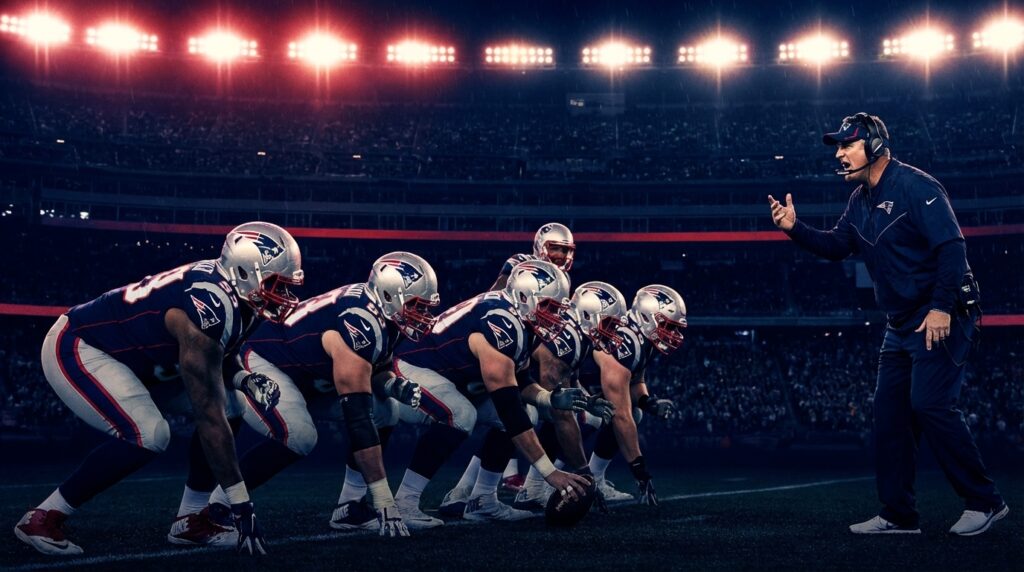
The New England Patriots Offensive Line Transformation
The New England Patriots have seen a remarkable transformation in their offensive line this season, thanks to Doug Marrone. Under his expert guidance, the Patriots offensive line improvement under Doug Marrone has not only bolstered their defensive strategies but also made a significant impact on the team’s overall performance. Marrone’s strategic approach and in-depth knowledge have been instrumental in reshaping a line that was once struggling, positioning the Patriots as formidable contenders in the league.
When Doug Marrone joined the coaching staff, expectations were high, and he has certainly delivered. Through meticulous planning and targeted investments, including a $36 million infusion and key top-100 draft picks, Marrone has orchestrated a turnaround that is winning admiration league-wide. His impact has been pivotal in providing the quarterback with more time to make plays, as evidenced by the improved statistics, including Drake Maye’s increased time to throw, now leading the league.
Marrone’s approach hasn’t just been about immediate fixes; his strategic foresight has ensured that all five starters on the line are secured for the future, promising sustained performance gains. Under his leadership, the Patriots’ offensive line is not just improving; it is setting a benchmark for success in the NFL. As we examine the ongoing improvements with an analytical lens, it’s clear that Marrone is crafting a legacy of resilience and innovation on the field.
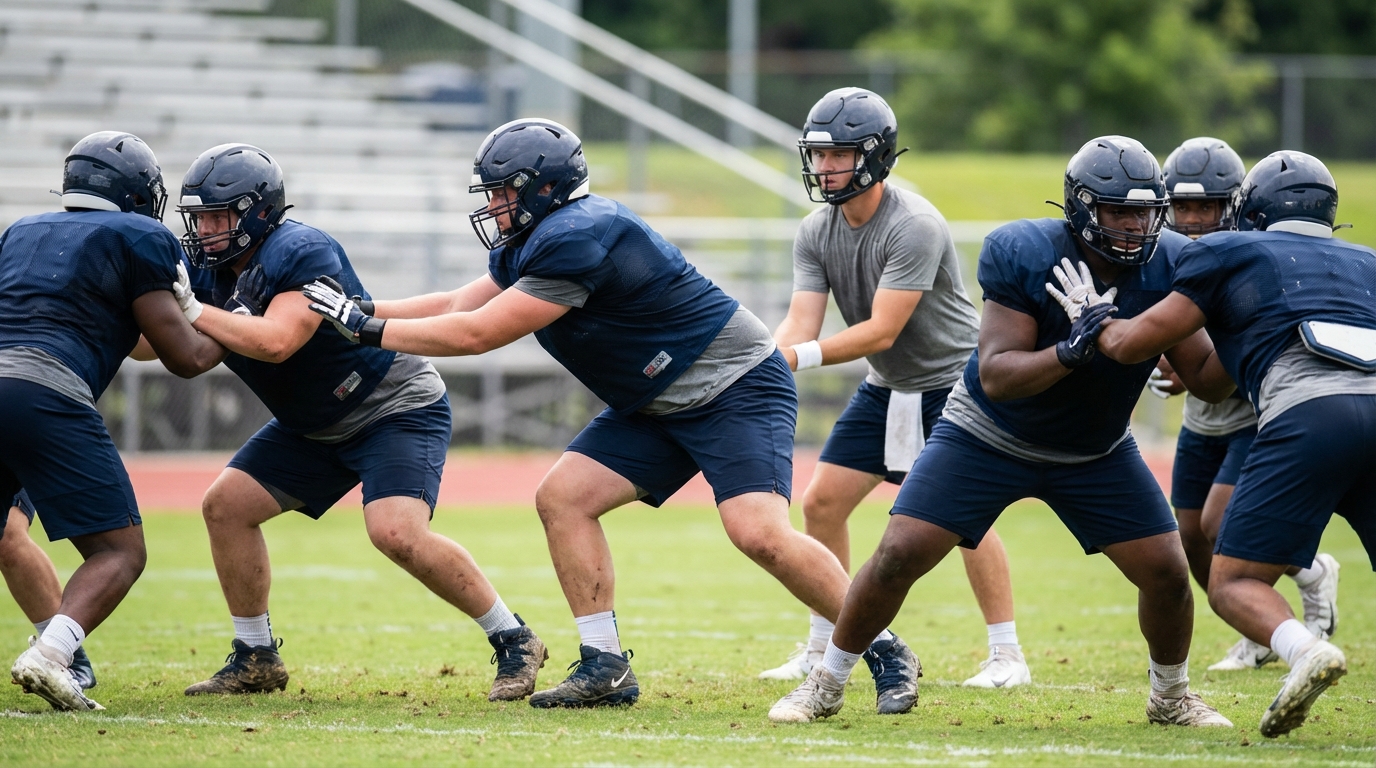
Patriots offensive line improvement under Doug Marrone: Coaching roots
Doug Marrone began his NFL coaching career in 2002 as the Jets offensive line coach. Over the next two decades he climbed the ranks and earned head coaching roles with the Bills and Jaguars. As a result, Marrone developed deep expertise in line play and scheme design. He influenced front office decisions and player development in multiple franchises.
Marrone’s time as a head coach also gave him experience managing entire units. For example, his staffs helped quarterbacks such as Blake Bortles flourish within structured protections. Furthermore, his background on the line means he understands personnel fit. Therefore, he translates technical tweaks into game-ready plans.
Patriots offensive line improvement under Doug Marrone: Strategies and impact
Marrone approached New England’s line with a clear plan. First, he prioritized technique and communication in short, focused drills. Second, he reshaped protections to buy the quarterback more time. Because of those changes, the team’s time to throw improved dramatically from a prior 28th rank.
He paired coaching with roster moves and health management. The front office backed him with a $36 million investment and two top-100 picks, which strengthened depth. As a result, Thayer Munford posted high PFF grades, and all five starters remain under contract for next year. Moreover, Marrone built a system that balances run blocking and pass sets. This blend of coaching, investment, and continuity explains the Patriots offensive line improvement under Doug Marrone.
| Player | Role | PFF Grade | Investment Note | Contract Status |
|---|---|---|---|---|
| Mike Onwenu | Starter | N/A | Veteran anchor stabilized by targeted spending and signings | Under contract next year |
| Will Campbell | Starter | N/A | Interior tackle depth improved through draft and coaching emphasis | Under contract next year |
| Morgan Moses | Starter | N/A | Experienced tackle signing added stability within the 36M rebuild | Under contract next year |
| Garrett Bradbury | Starter/Center | N/A | Center continuity helped by investment in interior line play | Under contract next year |
| Thayer Munford | Starter | 85.5 (48 snaps); 88.4 (32 SNF snaps) | High impact performance showing clear return on investment | Under contract next year |
| Jared Wilson | Depth/Guard | N/A | Young depth piece developed under Marrone’s coaching plans | Team control / depth |
| Marcus Bryant | Depth | N/A | Draft and development addition creating rotational insurance | Team control / depth |
| Gennings Dunker | Depth | N/A | Development player adding competition on the interior | Team control / depth |
| Austin Siereveld | Depth/Rookie | N/A | Roster youth investment to increase long term depth | Team control / depth |
Table 1. Overview of player performance, the effect of the 36M investment on depth, and current contract status. N/A indicates data not available.
Keywords: offensive line, O line improvement, PFF grades, roster investment, depth and continuity.
Tactical gains driving Patriots offensive line improvement under Doug Marrone
Doug Marrone prioritized fundamentals first. He emphasized footwork, hand placement, and communication in every rep. As a result, linemen read blocks faster and worked as a tighter unit.
Marrone simplified protection calls and matched them to the quarterback’s timing. Drake Maye averaged 2.94 seconds to throw, the longest in the league; however, the Patriots ranked 28th in time to throw before Marrone’s changes. Because Marrone adjusted slide protections and quick-release concepts, the quarterback now gets more clean pockets. Consequently, the offense shows fewer pressure plays and more sustained drives.
Depth proved central to Marrone’s tactical plan. The front office backed him with a $36 million investment and two top-100 draft picks, which improved rotation and injury cover. Thayer Munford rewarded that approach with top PFF grades, and all five starters remain under contract for next year. Therefore, continuity and targeted spending reduced midseason line shuffling.
Marrone balanced run and pass concepts deliberately. He installs compact run sets to control the line of scrimmage and uses max-protection looks on key downs. Moreover, he drills blitz pickup and communication against stunts each week. These tactics limit edge pressure and improve pass set depth.
Younger players and rookies also matter. TreVeyon Henderson adds rushing dynamics that shorten third downs, and that changes defensive tendencies. Because defenses respect the run, the line faces fewer all-out pass rushes. As a result, play-action and intermediate passing windows open more often.
In short, Marrone combined technique coaching, schematic tweaks, and roster investment to raise group performance quickly. His approach improved time to throw, strengthened depth, and created sustainable continuity. The Patriots offensive line improvement under Doug Marrone looks both tactical and structural, which bodes well for the team’s long term success.
CONCLUSION
The Patriots offensive line improvement under Doug Marrone is more than incremental; it is structural and tactical. Marrone’s technique-first coaching improved footwork, communication, and protection schemes quickly. Because he paired coaching with roster moves, the unit moved from a weak group to a reliable foundation.
For example, Thayer Munford’s elite PFF marks and Drake Maye’s league-leading 2.94 seconds to throw show measurable gains. The front office backed those changes with a $36 million investment and two top-100 picks. All five starters are under contract next year. Therefore, depth and continuity now support both pass protection and the run game.
Looking ahead, Marrone’s methods should sustain success. Moreover, rookies like TreVeyon Henderson add schematic balance that alters defensive strategy. For deeper Patriots analysis, visit Patriots Report LLC and follow their coverage on Twitter/X @ZachGatsby. Overall, the outlook is optimistic because coaching, investment, and player performance align. Expect steady improvement.
Frequently Asked Questions (FAQs)
What has Doug Marrone changed to improve the offensive line?
Doug Marrone prioritized fundamentals like footwork, hand placement, and communication. He also simplified protection calls and aligned them with quarterback timing. As a result, the unit reacts faster and commits fewer assignment errors.
How measurable are the improvements this season?
The clearest metric is time to throw. Drake Maye averaged 2.94 seconds to throw, the longest in the league. Before Marrone’s changes, the Patriots ranked 28th in time to throw. Therefore, protection and pocket depth show clear gains.
How did the 36 million dollar investment affect depth and performance?
The front office funded targeted signings and top-100 draft picks to fit Marrone’s plan. That spending bought experienced starters and developmental depth. Because of that investment, the line maintained continuity and reduced midseason shuffling.
Which players have benefited most from Marrone’s coaching?
Thayer Munford stands out with elite PFF marks. Veterans such as Mike Onwenu and Morgan Moses helped stabilize the group. Younger pieces like Jared Wilson and Austin Siereveld show quicker technical development after focused coaching.
What is the long term outlook for the offensive line?
Marrone built a sustainable foundation through coaching and roster commitments. All five starters are under contract next year, which secures continuity. Moreover, rookies such as TreVeyon Henderson can alter defensive strategy and ease pressure on the line.