
How would Patriots George Pickens trade reshape WR market?
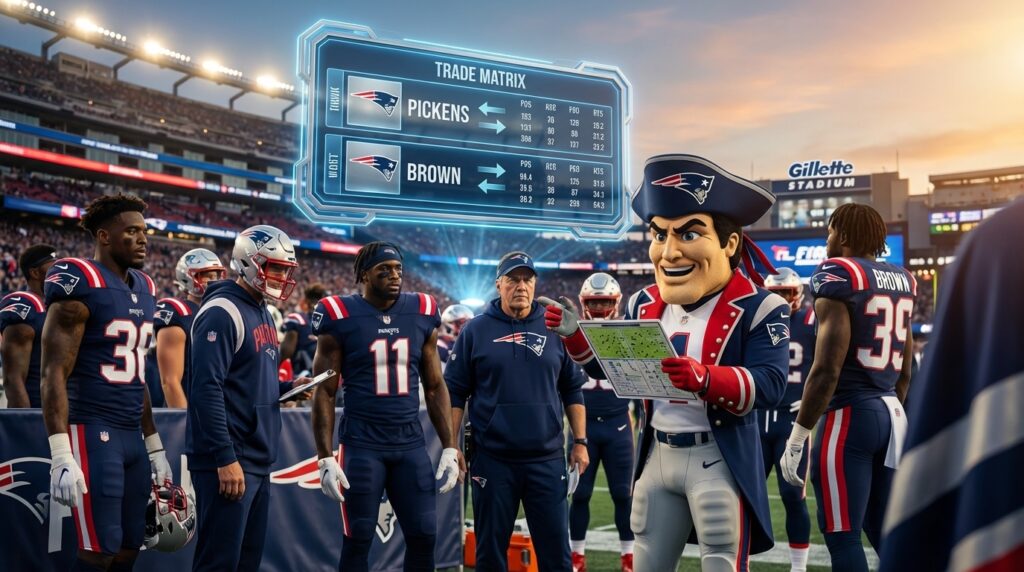
Patriots George Pickens trade: Why New England can profit from other teams’ mistakes
Patriots George Pickens trade is a headline idea that hides a bigger strategic story. New England could profit from other clubs’ contract blunders and misreads. Because teams overpaid or mismanaged, the Patriots might strike opportunistically.
Take the ripple effects of massive receiver deals this offseason. However, one misstep can reorder the market quickly. Therefore, a player like George Pickens could become obtainable on better terms.
At 25, Pickens posted 93 catches, 1,429 yards, and nine touchdowns last year. Scouts value his yards after catch ability and contested-catch skill. Meanwhile, the franchise tag and extension standoff make his situation interesting. Because the tag keeps him from camp, leverage will shape any trade or extension.
Over the next weeks, New England’s front office faces decisions with real upside. Read on to explore scenarios, price points, and how rival miscues could fuel a Patriots upgrade. We will weigh trade costs, cap gymnastics, and roster fit. Also, we will compare Pickens to other looming targets like Brandon Aiyuk. Ultimately, the question is whether New England leverages patience into a difference maker.
Patriots George Pickens trade: contract leverage and the franchise tag
The franchise tag shifts leverage into Pittsburgh’s hands, yet it also creates opportunity for New England. Because Pickens is tagged, he cannot attend training camp until an extension is signed. That raises short term uncertainty. However, it also limits his trade market to teams willing to pay now or negotiate later.
Pickens stands at a career inflection. At 25, he caught 93 passes for 1,429 yards and nine touchdowns last season. He earned his first Pro Bowl nod. Scouts praise his contested catches and yards after contact. Therefore, his on-field profile matches the Patriots’ need for a true WR1.
Patriots George Pickens trade: fit, price and timing
The reported $35 million offer that New England might make frames one plausible scenario. If the Patriots value Pickens like Brandon Aiyuk’s near-offer, they may push into the $30 million range. Yet cap mechanics matter. Because teams like the Eagles and Seahawks reshuffled receiver markets this offseason, value fluctuates fast.
Key timing factors include June 1 roster rules and the extension clock. If Pickens refuses to sign and stays away from training camp, Patriots leverage increases only if Pittsburgh fears lost reps and stalled negotiation. Conversely, an early June deal could drive the price up.
Insights and tactical takeaways
- Pickens’ franchise tag creates both bargaining friction and trade leverage for sellers.
- Patriots can exploit market mistakes by waiting for inflated deals to cool.
- A roughly $35 million market offer makes Pickens comparable to recent top-tier WR contracts.
- At 25 and coming off a 1,400-plus yard season, Pickens would upgrade New England’s receiving corps immediately.
- Because Pitt may prefer guaranteed money, Patriots must craft cap-friendly guarantees and picks in any deal.
Ultimately, the Patriots George Pickens trade hinges on patience, cap creativity and exploiting rivals’ miscues. New England can convert other teams’ mistakes into a high-upside acquisition if it times the move right.
| Player | Age | Receptions (last season) | Yards (last season) | Touchdowns (last season) | Contract length | Guaranteed money or notes |
|---|---|---|---|---|---|---|
| George Pickens | 25 | 93 | 1,429 | 9 | Franchise tag (1 year) | No long term extension public; Patriots reportedly could offer ~ $35M per year |
| AJ Brown | 27 | — | — | — | Under Eagles contract; trade rumour | Trade interest reported; club dead cap implications if moved |
| Jaxon Smith-Njigba | 22 | — | — | — | 4 years ($168.8M) | $120M guaranteed per reported deal |
| Brandon Aiyuk | 27 | — | — | — | Under existing contract | Patriots were reportedly close to a $35M offer in 2024 |
Key takeaways
- Pickens’ tagged status increases seller leverage. However, it also limits his camp attendance and negotiation timing.
- Because Pickens posted 1,400+ yards, he profiles as a WR1 upgrade for New England.
- The $168.8M JSN deal sets a new high-water mark in guaranteed money.
- Therefore a Patriots $35M type offer would place Pickens near top WR market tiers.
Further reading on Patriots targets
How other teams’ mistakes reshape the Patriots George Pickens trade strategy
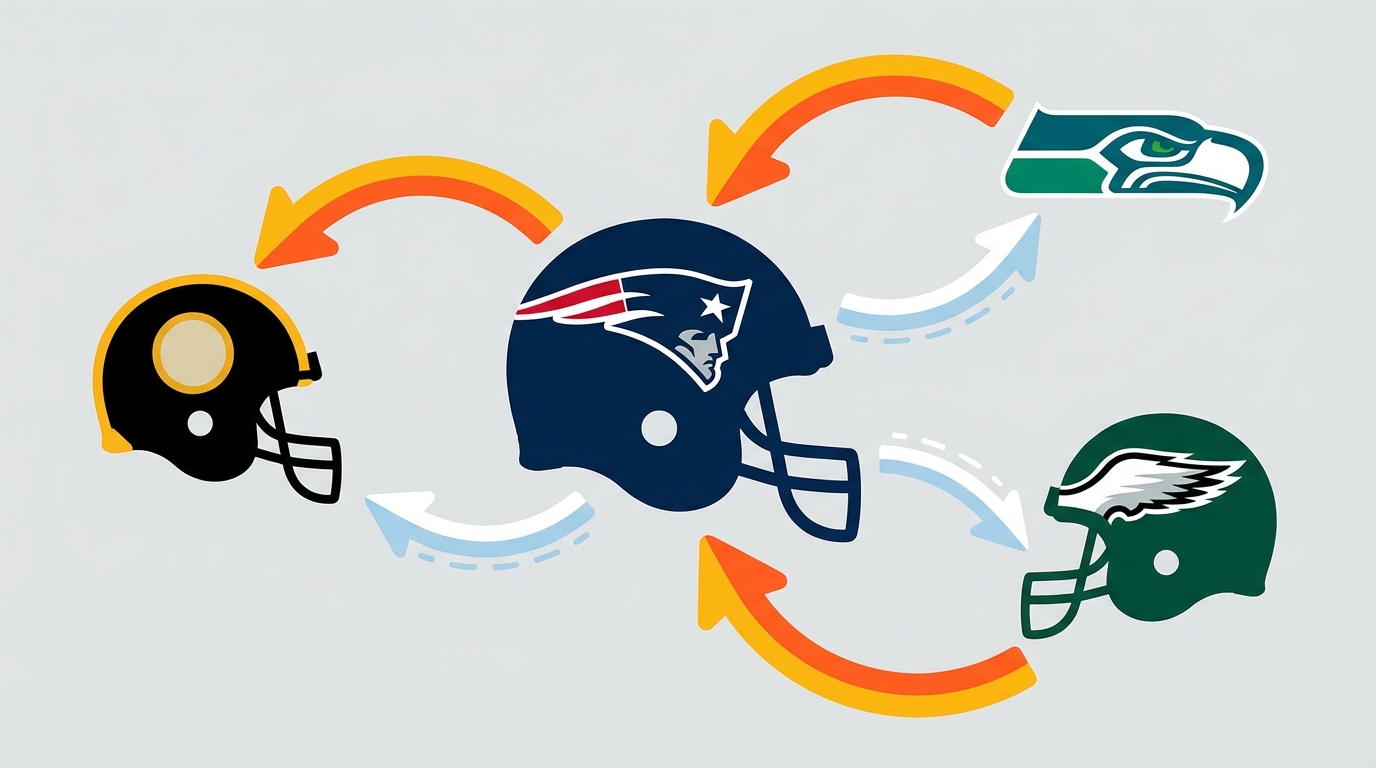
Other clubs’ missteps create windows for New England. Because teams like the Eagles and Seahawks altered receiver markets, the Patriots can exploit price dislocation. For example, if an AJ Brown trade clears more than $20 million in dead cap for Philadelphia, rival teams might chase expensive replacements. As a result, sellers may overpay, and market value can spike.
Meanwhile, the Seahawks set a new salary benchmark. Jaxon Smith-Njigba signed a four-year, $168.8 million deal with $120 million guaranteed. Therefore, teams now face higher guaranteed-money expectations. That dynamic increases risk for buyers and raises the bar for Patriots trade planning.
The Cowboys’ front office behavior also matters. Dallas once weighed moving on from Micah Parsons. Consequently, roster pivots in big markets can trigger cascading moves. New England can wait for those dominoes to fall and then step in when values settle.
Practical impacts for the Patriots
- Dead cap and timing matter. If the Eagles free up over $20 million, competing clubs may act rashly. The Patriots can benefit by staying patient.
- Franchise tag and training camp leverage shape negotiations. Because George Pickens is tagged, his absence from camp raises trade and extension stakes.
- Guaranteed money expectations climbed after the JSN deal. Therefore, a $35 million offer for Pickens must balance annual value with guarantees.
- Draft capital and cap flexibility grow in importance. Consequently, New England should prefer creative structures and conditional picks.
- June 1 timing offers extra maneuverability. If sellers face roster pressure by that date, Patriots leverage improves.
In short, mistakes by rivals create bargaining edges. The Patriots can turn market chaos into a targeted upgrade through patience, cap design, and smart timing.
CONCLUSION
The Patriots George Pickens trade remains a speculative but plausible path to upgrade New England’s offense. Because Pickens carries the franchise tag and a recent Pro Bowl season, he fits the WR1 profile the Patriots covet. However, timing and cap design will decide whether a roughly $35 million-type offer makes sense.
Other teams’ mistakes matter greatly. For example, an AJ Brown move could free more than $20 million in dead cap and shift market behavior. Meanwhile, the Seahawks’ Jaxon Smith-Njigba contract reset guaranteed-money expectations. Therefore, New England can wait and pounce when values distort.
Ultimately, the Patriots need patience, cap creativity, and clear trade structures. If they execute those elements, they can convert rival miscues into a transformational receiver. For more analysis and updates, follow Patriots Report LLC at patriotsreport.com and on Twitter @ZachGatsby.
Frequently Asked Questions (FAQs)
What is the status of a Patriots George Pickens trade?
George Pickens currently sits on the franchise tag, which limits his movement. Because he is tagged, teams must negotiate quickly or wait for an extension. The Patriots could pursue him, and reports suggest a market near a $35 million annual value. However, timing and guarantees will determine whether New England makes a move.
How does the franchise tag and training camp standoff affect trade talks?
The franchise tag gives Pittsburgh short term control, yet it raises bargaining friction. If Pickens skips training camp until an extension, his leverage grows. Conversely, sellers may trade sooner to avoid disruption. Therefore, the tag injects risk and creates windows for opportunistic buyers.
Would the Patriots George Pickens trade improve New England’s receiving corps?
Yes. At 25, Pickens posted 93 catches, 1,429 yards, and nine touchdowns. He profiles as a WR1 who stretches the field and wins contested catches. As a result, he would pair well with the Patriots’ scheme and boost production for young quarterbacks.
How do other teams’ moves shape Patriots trade possibilities?
Big contracts and trades reset market value. For example, the Seahawks set a new benchmark with a large guaranteed deal. Also, an AJ Brown move could free dead cap and prompt rival splurges. Consequently, New England can wait for market distortions and then act.
What would a realistic Patriots offer include?
A pragmatic package blends salary, guarantees, and picks. The Patriots might target a $30 million to $35 million annual figure. They should include cap friendly guarantees and conditional draft compensation. Finally, timing around June 1 could lower trade costs.