Patriots Free Agency 2026 is already reshaping how fans and analysts view New England’s offense. Big-name signings and under-the-radar additions promise real change across the roster. Because these moves target skill positions and the offensive line, they could alter game plans and playcalling. They also touch cap space, the depth chart, and scheme fit.
The Patriots addressed speed, blocking, and matchup versatility, and therefore they now face new schematic choices. However, chemistry and scheme fit will determine immediate impact on drives. As a result, coaches must weigh starter performance against long-term roster flexibility. Depth at receiver and offensive line will matter most.
This analysis breaks down the most consequential signings and their likely roles. We will examine how receivers, blockers, and tight ends change quarterback reads and timing. Additionally, we consider secondary effects on special teams and personnel decisions. By the end, readers should grasp how Patriots Free Agency 2026 might push New England toward a more dynamic, efficient offense.

Key Additions in Patriots Free Agency 2026 and Their Fit
New England targeted players who solve immediate needs. Because the Patriots prioritized offensive balance, the signings blend protection, versatility, and short-yardage power. However, coaches must integrate these pieces quickly. Therefore roster construction will hinge on scheme fit and depth management.
Offensive line and protection
- Alijah Vera-Tucker — Versatile blocker who can slide across the line. He improves pass protection and run-game balance. Because he can play multiple spots, he reduces vulnerability from injuries. As a result, quarterbacks gain more clean pockets and timing improves.
- Morgan Moses — Experienced right tackle depth and veteran leadership. He steadies the line on obvious pass rush downs. Consequently, rookie linemen get time to develop without losing performance.
Interior push and defensive knock-on effects
- Dre’Mont Jones — Interior disruptor who pressures quarterbacks and stops the run. Although a defensive signing, his presence changes game scripts. Because opponents run less, the offense sees more passing downs and clear mismatches.
- Khyiris Tonga — Run-stopper depth that tightens early downs. Therefore third down packages favor pass-friendly formations.
Skill players who reshape playcalling
- Reggie Gilliam — H back and fullback versatility for lead-blocking and pass protection. He boosts short-yardage efficiency and enhances play-action. As a result, the offense can use more two tight end sets to create mismatches.
- Austin Hooper — Reliable catch-and-block tight end who helps in the red zone. Because he draws coverage, other receivers see freer releases.
Depth, special teams, and roster strategy
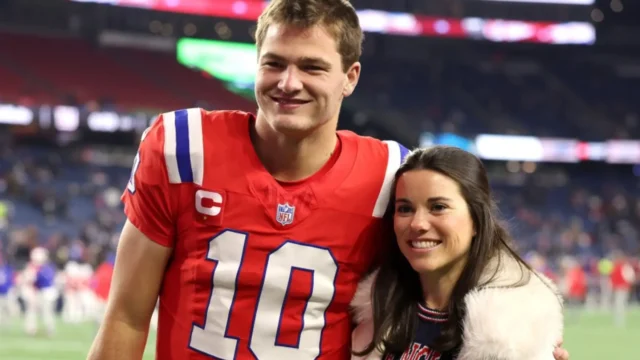
- Jahlani Tavai and Vederian Lowe provide linebacker and tackle depth. They keep snaps from stretching thin. Additionally, Christian Barmore and Jonathan Decoster add interior line options on early downs. Drake Maye remains a developmental name on the roster board.
These additions interact with Patriots cap space and long-term flexibility. Because contracts and guarantees vary, New England must balance immediate upgrades against future needs. However, in the short term, these signings create a more versatile offense and clearer schematic choices.
Patriots Free Agency 2026 at a glance
| Player | Position | Previous team | Key stats and traits | Projected impact for 2026 |
|---|---|---|---|---|
| Alijah Vera-Tucker | Offensive line (OG/OT) | Most recent NFL roster | Multi-year starter; versatile across interior and tackle; strong run-pass balance | Immediate starter flexibility; reduces need for emergency depth and improves pass protection timing |
| Dre’Mont Jones | Defensive line | Most recent NFL roster | Interior pass-rush specialist; disrupts run lanes and pressures interior QB windows | Forces opponents to pass less often; creates more passing-down opportunities for Patriots offense |
| Reggie Gilliam | H back / fullback | Most recent NFL roster | Versatile blocker and pass catcher; special teams contributor | Boosts short-yardage success and play-action setups; adds blocking on 12-personnel plays |
| Austin Hooper | Tight end | Most recent NFL roster | Reliable route runner; proven in catch-and-block role in red zone | Clears space for perimeter targets; improves third-down conversions and red-zone efficiency |
| Morgan Moses | Offensive tackle | Most recent NFL roster | Veteran starter with pass-protection chops; stabilizes tackle spot | Provides veteran depth; supports rookies and keeps pass sets clean on obvious pass plays |
| Khyiris Tonga | Defensive interior | Most recent NFL roster | Run-stopping tackle; strong early-down presence | Tightens first and second down defense, which increases third-and-long situations favorable to Patriots offense |
| Jahlani Tavai | Linebacker | Most recent NFL roster | Special teams ace; rotational defensive player | Adds tackling depth and special teams stability; keeps starters fresh in late-game situations |
These quick comparisons show how signings interact with Patriots cap space and short-term needs. Because contracts differ, New England must balance cap impact against immediate upgrades. Therefore the table highlights role, not exact contract numbers.
Inbound reading on related moves
Patriots Free Agency 2026: strategic roster implications and coaching insights
Head coach Mike Vrabel changes how New England builds its roster. Because he values versatility and physicality, the recent signings fit his preferred style. Therefore the team moved toward players who can play multiple roles and win in the trenches.
Cap management and short term planning
The Patriots must balance immediate upgrades with long-term cap health. Patriots cap space tightened after these deals, and as a result front office choices matter now. However, the structure of contracts can free future space. For example, backloaded deals or roster bonuses create flexibility in the near term.
Coaching philosophy and scheme fit
Vrabel installs straightforward principles in a complex league. Because he favors multiple fronts and adaptable personnel groupings, players like Alijah Vera-Tucker and Reggie Gilliam fit well. They create scheme options in both run and pass packages. Consequently, the offense can use more play-action and two tight end sets without sacrificing protection.
Analytics, expert takes, and decision drivers
Analysts at PFF show how interior pressure and pass protection win rates affect expected points. Therefore adding a proven interior blocker improves quarterback efficiency in clean pockets. Additionally, respected reporting from Ian Rapoport highlights the front office’s intent to prioritize versatile veterans. See Ian Rapoport on Twitter and PFF analysis for broader context.
Depth, development, and roster construction
Because the Patriots added veteran depth, rookie starters gain breathing room. However, development still matters because young players will push for snaps. As a result, New England can stagger playing time to preserve health and evaluate talent.
What this means for 2026 goals
These moves align with Vrabel’s goal to compete now while retaining flexibility. They improve short-yardage offense, protect the passer, and create matchup advantages. Ultimately, Patriots Free Agency 2026 signals a pragmatic, flexibility-driven roster strategy.
Conclusion
Patriots Free Agency 2026 changed New England’s offensive profile. Because the team added multi-role blockers and reliable skill players, playcalling options expanded. These signings improve protection, short-yardage efficiency, and matchup versatility. As a result, the offense can use more play-action and two tight end sets without sacrificing pass protection.
Roster strategy now balances present competitiveness with future flexibility. However, Patriots cap space tightened, so contract structure matters. Vrabel’s emphasis on versatility and physicality fits these moves, and therefore coaching can deploy flexible groupings. Analytics support the value of interior protection and pressure mitigation for scoring rates.
Outlook
Expect a more pragmatic and adaptable offense in 2026. Young players will still compete for snaps, and veterans offer immediate stability. Additionally, special teams and depth choices will shape late-game outcomes.
Follow updates and deeper analysis at Patriots Report LLC. Visit https://patriotsreport.com and follow @ZachGatsby on X for ongoing coverage and notes.
Frequently Asked Questions (FAQs)
What were the biggest impacts of Patriots Free Agency 2026?
The class added versatile blockers and dependable skill players. Because those signings improved protection and short-yardage offense, coaches gained schematic flexibility. Alijah Vera-Tucker stabilizes multiple line spots. Reggie Gilliam and Austin Hooper aid play-action and red-zone work. As a result, quarterback timing and third-down efficiency should improve.
How do these signings affect Patriots cap space and future moves?
New deals reduced immediate cap room. However, contract structure can create future flexibility. The team preferred veteran deals with manageable guarantees. Therefore New England can still pursue targeted upgrades later. Teams must balance present needs with long-term planning.
Which players will alter the offense most in 2026?
Alijah Vera-Tucker likely impacts protection first. Austin Hooper will change red-zone targets. Reggie Gilliam enhances short-yardage packages and play-action. Because Dre’Mont Jones improved interior defense, the offense may face more passing opportunities. Consequently, coaches can dial different pass concepts.
Will these moves hurt roster development for younger players?
Not necessarily. Veterans provide breathing room for rookies. They also mentor younger linemen during practice. However, competition still exists at every position. Therefore the staff can stagger snaps to evaluate talent and protect player health.
What should fans watch during training camp and early season games?
Watch personnel packages and snap counts first. Notice two tight end formations and H back usage. Also monitor pass protection win rates and third-down conversions. If those metrics improve, the signings succeeded. Additionally, follow special teams plays to gauge depth value.
For ongoing cap updates and contract details, watch beat reporters and analytics sites. PFF and Ian Rapoport often provide useful contract context and cap analysis. Additionally, tracking training camp snaps will reveal early winners. Expect depth chart churn before Week One as coaches narrow roles. Stay patient because roster shape will change through preseason. Follow PatriotsReport for updates.