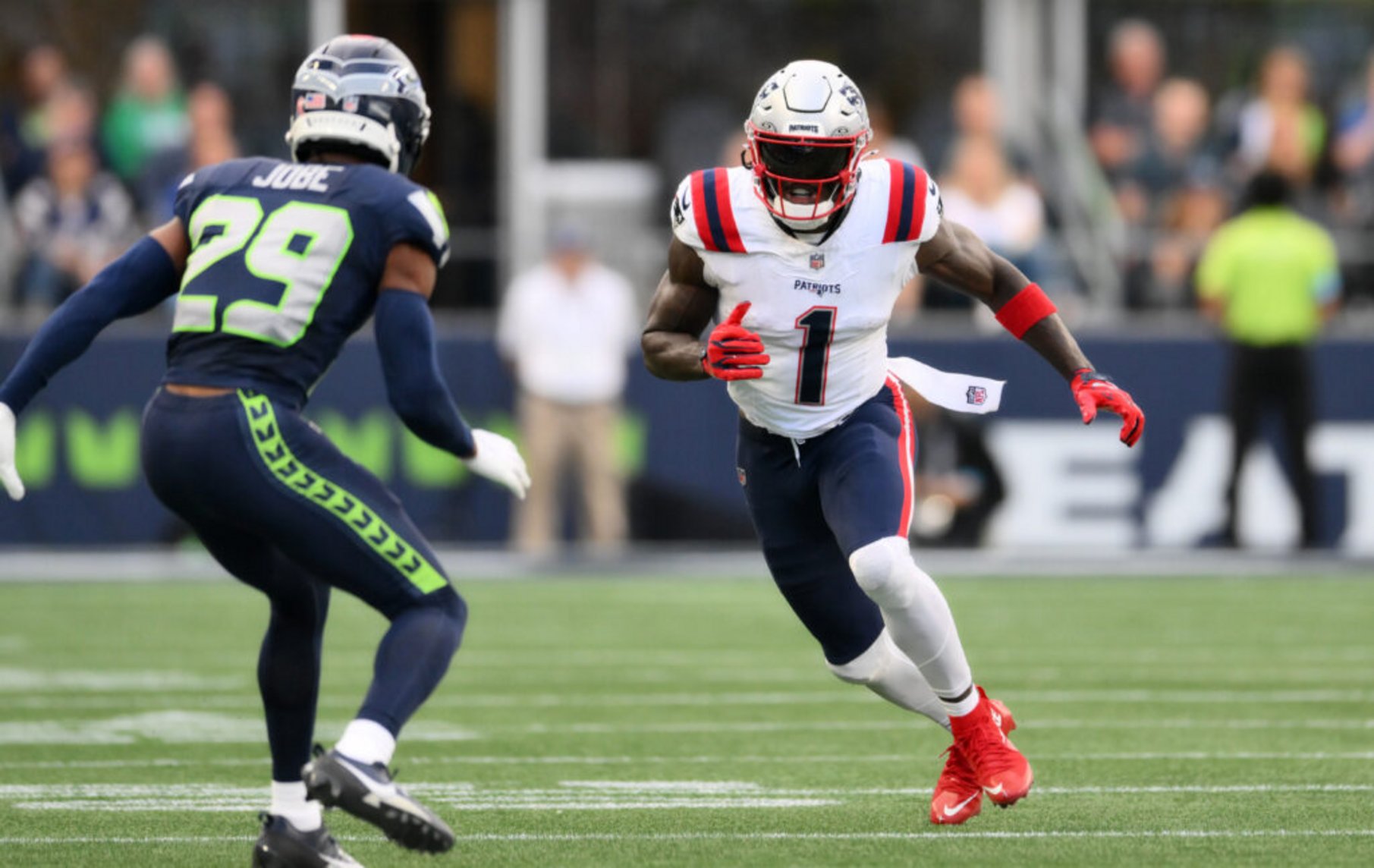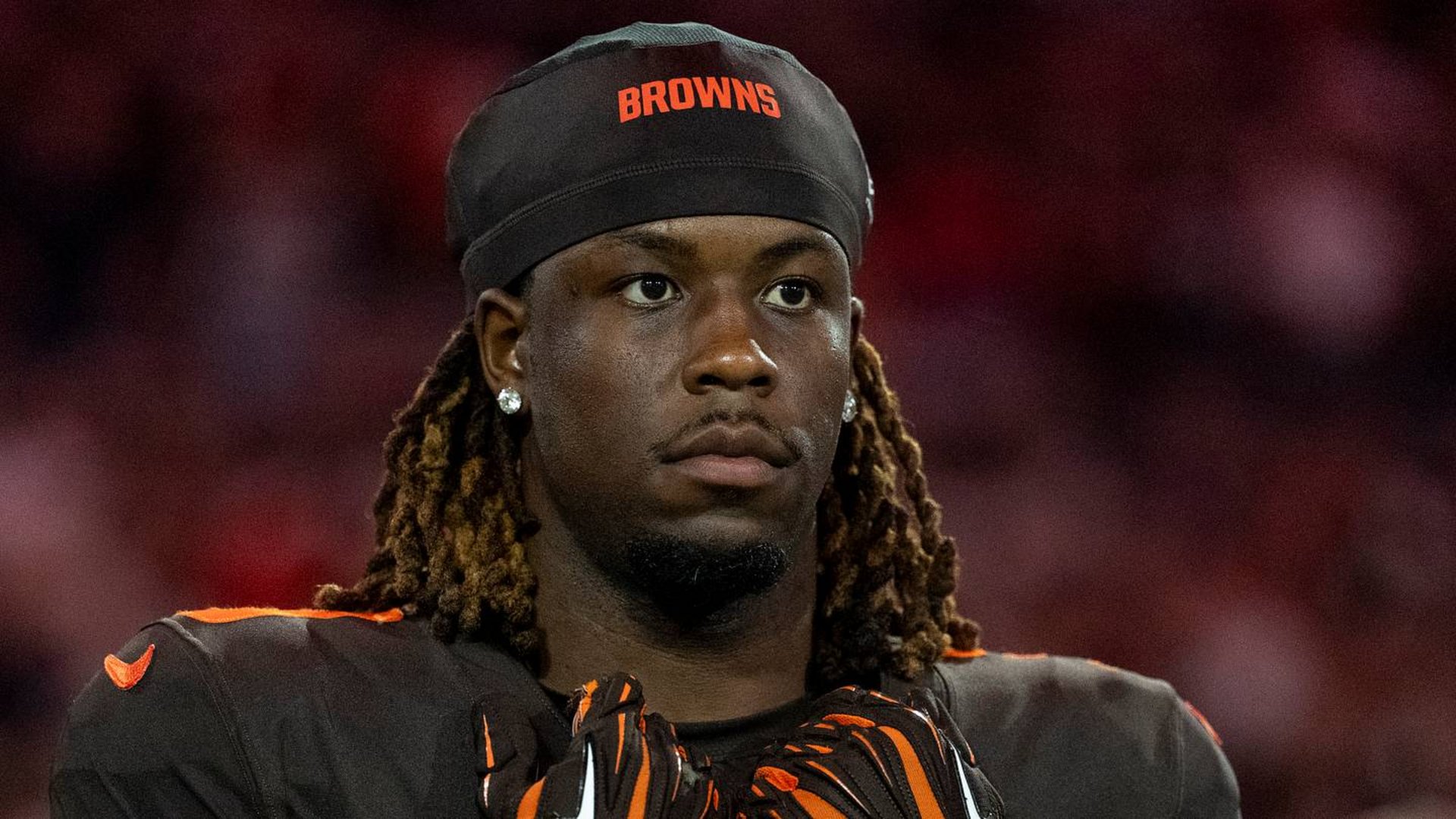
Patriots edge rusher upgrade with Jaelan Phillips: Why New England should be interested in 2026
The 2026 offseason centers on New England improving its defense, and specifically the pass rush. Patriots edge rusher upgrade with Jaelan Phillips is the idea PFF floated, and it demands careful scrutiny. The Patriots finished 18th in PFF pass rush grade and 21st in sack rate last season. Therefore, adding a proven edge rusher would address a clear weakness. However, statistics like pressures get more attention than they deserve, and that should temper our enthusiasm.
Jaelan Phillips brings 73 pressures, five sacks, and a disruptive presence from 2025. He would improve Mike Vrabel’s front immediately, but the price matters. Consequently, we must weigh metrics, injury history, and contract cost before endorsing the move. This piece analyzes the fit, the realistic contract projection, and alternative options like K’Lavon Chaisson. In short, Phillips could be the upgrade New England needs, but do not overread pressure counts.
Patriots edge rusher upgrade with Jaelan Phillips: current edge-rush picture
New England’s pass rush showed clear weaknesses in 2025. The team finished 18th in PFF pass-rush grade at 68.9 and 21st in sack rate at 5.8 percent. The revamped offensive line surrendered 47 sacks in the regular season and 15 more in three playoff games. Therefore, pass-rush production and protection both demand attention. In short, the numbers argue for an upgrade on the edge.
K’Lavon Chaisson: the internal option and his impact
K’Lavon Chaisson emerged as the Patriots’ most consistent threat off the edge. He recorded 7.5 sacks in the regular season and added three sacks in the playoffs. Chaisson paced the team with 58 pressures in the regular season and produced 18 playoff pressures. As PFF noted, “K’Lavon Chaisson has served as the Patriots’ top pass rusher, pacing the team with 58 pressures…” However, Chaisson will test free agency, and that uncertainty raises a clear roster question. If the team loses him, the Patriots must replace both his production and his upside.
Why edge rush improvement must focus on sacks, not just pressures
PFF’s case for Jaelan Phillips leans heavily on pressures. Phillips generated 73 quarterback pressures and five sacks in 2025, and he ranked 22nd among qualifying edge defenders with a 76.2 PFF pass-rush grade. Yet pressures alone do not finish drives. As one critique puts it, “Pressures, as PFF points out, are fine, but they’re not the whole story.” Sacks end plays and change down-and-distance. Consequently, Mike Vrabel’s defense needs players who convert pressures into sacks and turnovers. He also needs offensive-line upgrades to reduce the sacks allowed. In effect, signing a splash pass rusher like Phillips could help, but only if the cost aligns with true sack production and health history. Otherwise, retaining or replacing Chaisson at value remains a viable path.
Tactical implications for 2026 planning
Because Vrabel prioritizes creating negative plays, the Patriots must balance cap dollars between pass rushers and blockers. Therefore, any Patriots edge rusher upgrade with Jaelan Phillips must be weighed against draft and offensive-line investments. Analytics help, but do not replace common sense about sacks and game-changing plays.

Comparative snapshot: Patriots edge rusher upgrade with Jaelan Phillips vs K’Lavon Chaisson
| Player | Team (2025) | Pressures (2025) | Sacks (2025) | PFF Pass-Rush Grade (2025) | Playoff performance | Contextual value to Patriots |
|---|---|---|---|---|---|---|
| Jaelan Phillips | Miami / Philadelphia | 73 pressures | 5 sacks, 1 forced fumble and recovery | 76.2 (22nd of 110 qualifiers) | Contributed in regular season; limited playoff sample | Immediate upgrade in pass-rush grade and disruption. Higher proven pressure totals, but sack conversion needs context and health risk |
| K’Lavon Chaisson | New England | 58 regular-season pressures; 18 playoff pressures | 7.5 regular season sacks; 3 playoff sacks | Team lead in pressures; team grade lower | High-impact playoff showing | Cost-controlled option. Upside as internal solution. Could be re-signed or replaced depending on price |
Key takeaways
- Phillips delivers higher pressure totals and a stronger PFF grade, however he posted fewer sacks than Chaisson in 2025.
- Chaisson produced more sacks and a notable playoff surge. Therefore he remains a viable, lower-cost option.
- The Patriots ranked 18th in team PFF pass-rush grade (68.9) and 21st in sack rate (5.8 percent). Their revamped offensive line allowed 47 sacks in the regular season and 15 in three playoff games.
- Any Patriots edge rusher upgrade with Jaelan Phillips must be balanced against cap cost, injury history, and the need to improve sack production.
Related keywords: edge rusher, sacks, pressures, pass-rush grade, free agency, Patriots, Jaelan Phillips, K’Lavon Chaisson
Why PFF’s emphasis on pressures can mislead Patriots roster choices
Analytics improved football decisions. However, not all metrics carry equal weight. Pressures measure disruption, and they do matter. Yet pressures do not end plays the way sacks do. As one pointed critique notes, “Pressures, as PFF points out, are fine, but they’re not the whole story.” Because of that, New England should be cautious about overreacting to pressure totals alone.
PFF highlights Jaelan Phillips for his 73 pressures in 2025. But Phillips had only five sacks that year. Meanwhile K’Lavon Chaisson delivered 7.5 regular season sacks and three playoff sacks. Therefore sack conversion differentiates these players more than raw pressure counts. Sacks create turnovers and change down-and-distance. Sacks also shorten drives. As a result, they have more direct impact on winning than pressures do.
PFF’s methodology favors activity. It credits players who influence quarterback timing. However, activity can produce few decisive outcomes. A quarterback can escape pressure and still complete a drive. That reality explains the critique that “PFF’s emphasis on pressures is a classic example of overestimating the importance of an ancillary statistic.” In contrast, sacks are definitive. One quote framed it bluntly: “Sacks are a horse of a different color.” They force situations and often swing games.
For Mike Vrabel, the calculus is straightforward. He needs negative plays that change drives. Therefore the Patriots must prioritize players who finish plays. In free agency, that means valuing proven sack producers. In the draft, it means targeting athletes who convert chaos into takedowns. At the same time, cap discipline matters. A high-pressure, low-sack veteran can command big money without delivering commensurate game impact. Consequently, the front office faces a tradeoff. Spend on a splash like Jaelan Phillips only if his sack production justifies the cost and his health profile holds up. Otherwise, retain or replace Chaisson cheaply and invest draft capital or offensive-line dollars.
In short, pressures inform scouting, but sacks should guide strategic resource allocation. For New England, the smarter path balances investment between finishers on the edge and blockers up front. That balance will maximize net sacks, reduce allowed sacks, and better align roster moves with Vrabel’s defensive priorities.
Conclusion: Patriots edge rusher upgrade with Jaelan Phillips
The case for a Patriots edge rusher upgrade with Jaelan Phillips rests on clear needs and cautious upside. New England must improve a pass rush that finished 18th in PFF pass-rush grade and 21st in sack rate. Phillips offers high disruption and a 76.2 pass-rush grade from 2025. However, pressures alone do not equal game-changing sacks. Chaisson produced more sacks last year and flashed in the playoffs, and that production matters.
Therefore the smart path balances splash moves with value decisions. The Patriots should pursue proven finishers who convert pressures into sacks. At the same time, they must preserve cap space for offensive-line upgrades. Consequently, any signing of Phillips must align with his sack output, health profile, and contract cost. If the price proves excessive, retain or re-sign cost-controlled options and invest draft capital where it counts.
In short, New England should target impact players, but not chase ancillary stats. A methodical approach maximizes net sacks and reduces allowed sacks. For continuing coverage, see Patriots Report LLC and follow on Twitter/X @ZachGatsby.
Frequently Asked Questions (FAQs)
Will Jaelan Phillips fit the Patriots scheme and needs?
Phillips profiles as a versatile edge rusher who can set the edge and rush the passer. He brings disruption, measured by 73 pressures in 2025. However, his five sacks show mixed conversion. Therefore fit depends on scheme usage, health, and cost. If New England deploys him on clear pass-rush downs, he should help. Conversely, using him as a two-down run defender limits value.
Which matters more for the Patriots pressures or sacks?
Sacks matter more because they end plays and change down-and-distance. Pressures matter too, because they force quicker throws and mistakes. Yet pressures do not reliably finish drives. As a result, Patriots decision makers should prioritize sack production when allocating resources.
What is K’Lavon Chaisson’s role in the 2026 offseason?
Chaisson emerged as the team’s top pass rusher in 2025. He posted 7.5 regular season sacks and three in the playoffs. Consequently he represents a cost-controlled option or re-sign target. If he leaves, New England must replace his production or acquire a proven finisher.
Should the Patriots spend on Phillips or focus on the draft?
The smarter approach mixes both paths. Free agency buys immediate impact. Conversely the draft yields cheaper, long-term upside. Therefore the team should pursue a high-impact veteran only if the price reflects true sack output. Otherwise invest in the draft and offensive-line upgrades.
How should Mike Vrabel prioritize edge rush versus offensive line investment?
Vrabel needs negative plays and fewer allowed sacks. Consequently the front office must balance spending between finishers on the edge and blockers up front. In short, maximize net sacks by improving both sides of the ball.