
Patriots draft: trade up 1st vs A.J. Brown?
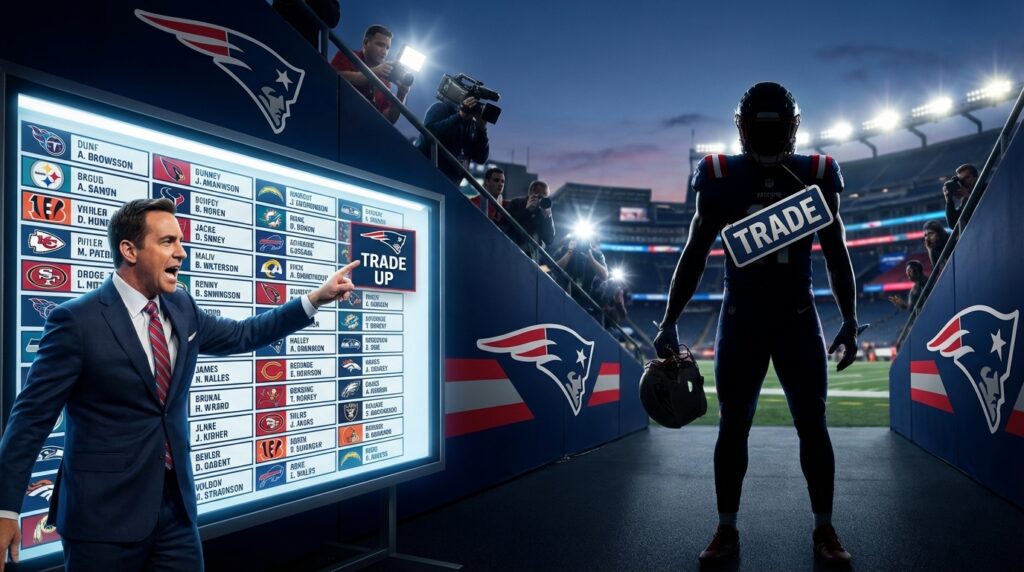
Patriots draft strategy: trade up in 1st round vs trading for A.J. Brown
Patriots draft strategy: trade up in 1st round vs trading for A.J. Brown sparks fierce debate among fans and analysts. Fans and pundits weigh a clear choice: invest draft capital to move up, or pursue A.J. Brown via trade. The stakes are high because New England holds the 31st pick and must choose need or BPA.
However, voices such as Greg Bedard argue moving up in the first round better balances roster construction and long term upside, while others say trading assets for proven elite receiver A.J. Brown would immediately boost scoring and excite a fan base hungry for playoff success, intensifying the conversation across podcasts and social feeds.
As the draft approaches, debate will shape mock drafts, trade rumors, and the Patriots offseason narrative, so fans, analysts, and team decision makers watch every tip and whisper for clues about whether New England will draft its future cornerstone or trade for immediate elite talent.

Patriots draft strategy: trade up in 1st round vs trading for A.J. Brown
Greg Bedard has taken a clear stance. He said, “Greg Bedard would rather trade up in the 1st Round than trade for A.J. Brown.” He favors using draft capital to move into the middle of the first round. Bedard argues that draft picks deliver scale, team control, and cheaper long term value. Therefore, he sees trading up in first round as smarter roster construction than paying a steep price for A.J. Brown.
Fan reaction split across social feeds and podcasts. Some fans cheer Bedard’s logic. They point to the Patriots holding the 31st pick and say the team should target a premium prospect. Others want immediate impact. They argue that A.J. Brown is a proven elite receiver who would boost scoring now.
- Supporters of trade up: prefer best player available and depth. They cite team need versus BPA debates.
- Supporters of trading for Brown: emphasize proven production and quarterback comfort.
Overall, the debate frames how New England uses the 31st pick. As a result, each side weighs risk, cost, and timeline. Patriots fans and pundits will watch every rumor before the team decides. Expect heated debates in the weeks ahead.
| Strategy | Advantages | Disadvantages | Notable Opinions |
|---|---|---|---|
| Trade Up in 1st Round |
|
|
|
| Trade for A.J. Brown |
|
|
|
Additional factors shaping Patriots draft strategy
Team needs versus best player available often drives draft choices for New England. With the 31st pick the Patriots face a classic dilemma. They must weigh immediate roster holes against long term upside.
The cut of quarterback Josh Dobbs changes the equation. Because Dobbs is gone, depth and competition at QB matter more. Therefore the team might prioritize a developmental signal caller or protect a new starter with offensive line help.
Additions such as signing offensive tackle James Hudson III shift focus toward blocking and depth. Meanwhile young prospects like Texas A&M wideout KC Concepcion visited on Top 30 and remain under evaluation. As a result, the Patriots can balance drafting for need and selecting best player available.
Trade rumors linking New England to the Eagles for A.J. Brown raise the stakes. However trading for Brown would consume assets and alter the draft plan. In contrast, trading up in the first round uses draft capital but preserves salary flexibility. Ultimately, context, cap room, and timeline will decide if the Patriots chase instant star power or build via the draft.
Coaches and front office voices like Kyle Williams and Eliot Wolf will weigh scouting, analytics, and public pressure. Fans and local media will push narratives, but decision-makers will focus on sustainable wins.
Conclusion
The Patriots draft strategy debate comes down to timeline, cost, and risk. Some argue trade up in the first round builds long term depth and control. However others favor trading for A.J. Brown to add proven elite production now. Both sides present sound points, and the choice will shape New England’s offense for years.
Front office moves, such as cutting Josh Dobbs and signing James Hudson III, affect priorities. Meanwhile prospects like KC Concepcion offer draftable upside that might sway the 31st pick decision. Therefore decision-makers must weigh salary cap impact, draft capital, and roster balance. Fans and pundits will push narratives, but the coaches and evaluators will focus on sustainable wins.
Ultimately smart roster building requires clarity and patience. As a result, whether the Patriots trade up in the first round or pursue A.J. Brown, the team must choose the move that best fits its plan. For ongoing coverage and deeper takes visit Patriots Report and follow Patriots Report LLC on Twitter/X at @ZachGatsby.
Frequently Asked Questions (FAQs)
Q1 What does trade up versus trade for A.J. Brown mean for the Patriots draft strategy?
Trade up means using draft capital to move into an earlier pick. Trade for A.J. Brown means exchanging picks or players for a proven receiver. The phrase contrasts future value with immediate impact. Fans and analysts debate which path fits New England.
Q2 How would trading up affect the Patriots 31st pick?
Trading up usually requires giving the 31st pick plus assets. Therefore the team sacrifices quantity for a targeted prospect. Conversely staying at 31 preserves more picks and salary flexibility. Teams model trades before committing picks. Ultimately the front office balances need, best player available, and cap factors.
Q3 What would trading for A.J. Brown likely cost and what impact would he provide?
Trading for A.J. Brown would demand significant draft capital and a salary commitment. Consequently New England might part with early picks or multiple selections. He would deliver an immediate boost to the passing game and scoring. However the move limits draft depth and can restrict long term flexibility. Still he would change game plans immediately.
Q4 How do roster moves like cutting Josh Dobbs and signing James Hudson III affect the decision?
Cutting Josh Dobbs reduces veteran quarterback depth. As a result the team may value developmental QB options more highly. Signing James Hudson III adds offensive line depth and affects draft priorities. Additionally a Top 30 visit from KC Concepcion signals receiver interest in the draft. Thus scouts will watch prospect visits closely.
Q5 What should fans expect and who ultimately makes the call?
Expect heavy debate on social media and sports shows. Moreover pundits like Greg Bedard publicly favor trading up in the first round. However final decisions rest with the Patriots front office and coaching staff. They will weigh scouting, analytics, cap space, and roster balance. Patriots Report will update coverage often. Follow local beat writers and team channels for the latest rumors.