The Patriots defensive struggles in Super Bowl LX became the defining storyline of a game few expected. Anticipation ran high because New England entered with momentum and Seattle offered a potent, balanced offense. Analysts predicted a Seattle victory, and stakes felt enormous for both franchises. However, the Patriots defense failed to close running lanes and missed several critical tackles. Christian Gonzalez and Jaylinn Hawkins produced timely pass breakups, yet tackling woes undermined their work.
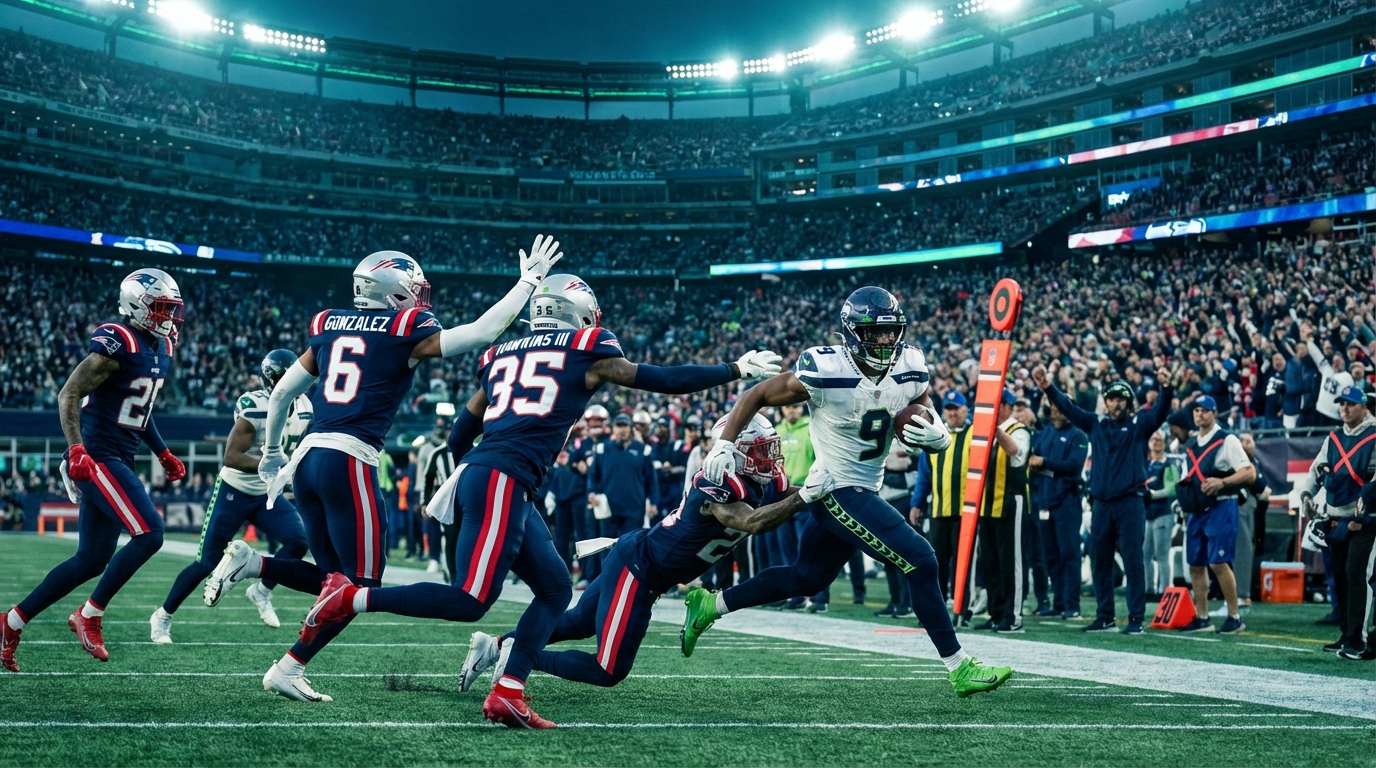
Kenneth Walker ripped off decisive gains, and AJ Barner turned a few plays into breakaways. As a result, field position shifted repeatedly, forcing New England into reactive schemes. The Patriots held Seattle out of the end zone for most of the game, yet it proved insufficient. Patrick Chung offered a blunt assessment after the loss, and his critique cut to the core. Importantly, the defensive tape reveals systemic tackling breakdowns rather than isolated mistakes. Therefore, this analysis focuses on alignment, pursuit angles, and communication failures that shaped the outcome.
In short, New England kept Seattle off the scoreboard early, but defensive inconsistencies decided the Super Bowl.

Patriots defensive struggles in Super Bowl LX: Tackling breakdowns
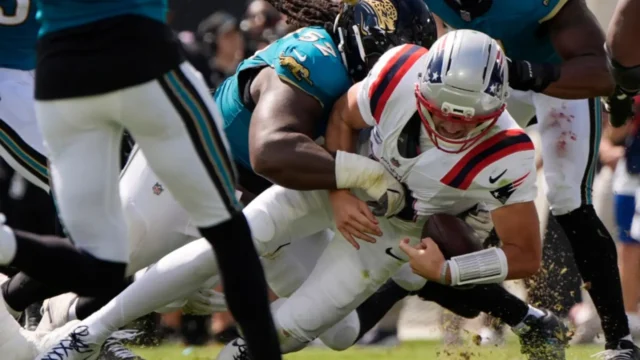
The tape shows systemic defensive tackling woes that framed the Patriots loss. Early in the game New England forced field goals, yet tackling errors surfaced in run fits and open-field pursuit. As a result, Kenneth Walker turned modest gains into game-changing bursts. Patrick Chung summed the issue bluntly when he said, “It’s as simple as that.” Therefore the problem reads less like isolated mistakes and more like recurring technique failures.
Key moments and patterns
- Missed wrap ups: defenders often dove or grabbed ankles, allowing Seahawks runners to extend plays.
- Poor pursuit angles: linebackers and safeties took wrong angles on cutbacks. Consequently, Walker and AJ Barner found creases.
- Tackling under pressure: when Seattle used misdirection, the second-level defense hesitated and missed assignments.
Patriots defensive struggles in Super Bowl LX: Pass defense and timely plays
Christian Gonzalez and Jaylinn Hawkins helped limit Sam Darnold in the passing game. Gonzalez broke up multiple intermediate throws. Hawkins supplied critical pass breakups over the middle. However, pass defense alone could not mask tackling deficiencies on running downs. Because field position repeatedly shifted, New England chased the game late.
How missed tackles produced big plays
- Kenneth Walker gained extra yards after contact, turning short gains into first downs.
- AJ Barner produced breakaway runs when downfield teammates failed to secure wraps.
- Special teams and tackling lapses compounded fatigue, thus worsening late-game coverage.
In short, the Patriots kept the Seahawks out of the end zone most of the night. However, defensive tackling woes and communication lapses dictated the final outcome.
| Team | Defensive Tackling Success Rate (approx.) | Pass Breakups by Gonzalez and Hawkins | Runs by Kenneth Walker (impact) | Impact of Defensive Struggles on Final Score |
|---|---|---|---|---|
| New England Patriots | 65% — repeated missed wraps and poor pursuit | Gonzalez: 3, Hawkins: 2 — timely pass breakups | Multiple long gains after contact; two runs over 20 yards | Missed tackles extended drives. Field position losses led to late deficit |
| Seattle Seahawks | 90% — consistent wraps and gang tackles | N/A — Seahawks defenders forced contested throws | Walker produced decisive gains, converting key third downs | Efficient rushing created scoring chances. Pressure on Patriots defense forced errors |
Impact of defensive struggles on the game outcome and player performance
The Patriots defensive struggles in Super Bowl LX altered the game’s flow and final result. Early defensive resistance limited the Seahawks to field goals. However, missed tackles and poor pursuit repeatedly handed Seattle renewed life. As a result, New England chased the game in the fourth quarter.
Sam Darnold did not light up the box score. New England pressured him into conservative throws and field goals. For context see the PatriotsReport piece on pressure against Darnold: PatriotsReport. Nevertheless, the Patriots could not force enough mistakes. Consequently, the Seahawks converted sustained drives when tackles failed.
Jaxon Smith-Njigba exited briefly with a possible concussion. His absence mattered because Seattle rotated receivers less predictably. Therefore tackling lapses against runners and receivers produced bigger windows for Seahawks gains. Kenneth Walker and AJ Barner benefited directly from those openings.
Patrick Chung summarized the problem bluntly, saying, “It’s as simple as that.” Because this issue was systemic, it weighed on player performance across the board. Linebackers and safeties appeared fatigued late. Moreover, communication errors amplified missed assignments and poor angles.
In short, New England kept the Seahawks out of the end zone for most of the game. Yet defensive tackling woes and fractured in-game communication turned small gains into decisive plays. Consequently, the Patriots lost momentum for the season and faced urgent questions about technique and personnel moving forward.
The Patriots defensive struggles in Super Bowl LX exposed technique and communication flaws that demand immediate attention. Early defensive resistance limited Seattle to field goals, however missed tackles and poor pursuit converted small gains into decisive plays. Christian Gonzalez and Jaylinn Hawkins provided timely pass breakups, yet their work could not erase recurring tackling lapses. Because Kenneth Walker and AJ Barner repeatedly gained yards after contact, New England surrendered critical field position and momentum.
As a result, the loss raises urgent questions about personnel, coaching emphasis, and practice priorities. Moving forward, the Patriots must prioritize tackling technique, pursuit angles, and clearer in-game communication. If those corrections arrive quickly, the defense can recover and become competitive again. Ultimately, the film points to structural fixes rather than quick tweaks.
For ongoing coverage and deeper analysis, see Patriots Report LLC and follow on Twitter/X @ZachGatsby.
Frequently Asked Questions (FAQs)
What were the main defensive struggles for the Patriots in Super Bowl LX?
The Patriots suffered primarily from defensive tackling woes. Their issues included missed tackles and poor pursuit angles. These errors allowed Seattle to extend plays, notably through the runs of Kenneth Walker and AJ Barner.
How did the defense manage to hold Seattle scoreless till late in the game?
New England’s defense initially contained Seattle by keeping them to field goals with strong pass breakups from Christian Gonzalez and Jaylinn Hawkins. However, it couldn’t hold indefinitely due to continued tackling issues that shifted field position.
What impact did these defensive struggles have on key players?
Sam Darnold wasn’t dominant due to the Patriots’ pressure. However, Kenneth Walker and AJ Barner capitalized on the tackling difficulties, leading to impactful plays. Jaxon Smith-Njigba’s brief concussion, while significant, didn’t majorly change the outcome.
Did the Patriots have any notable defensive moments?
Yes, despite overall struggles, Gonzalez and Hawkins were standout performers in pass defense. They prevented bigger scoring issues by breaking up various attempts from Sam Darnold.
What are the implications for the Patriots’ future defenses?
The game highlighted critical areas for improvement: tackling technique, pursuit angles, and communication on defense. Addressing these will be crucial for enhancing competitiveness and avoiding similar pitfalls in future high-stakes games.