
What makes Patriots better today after free agency?
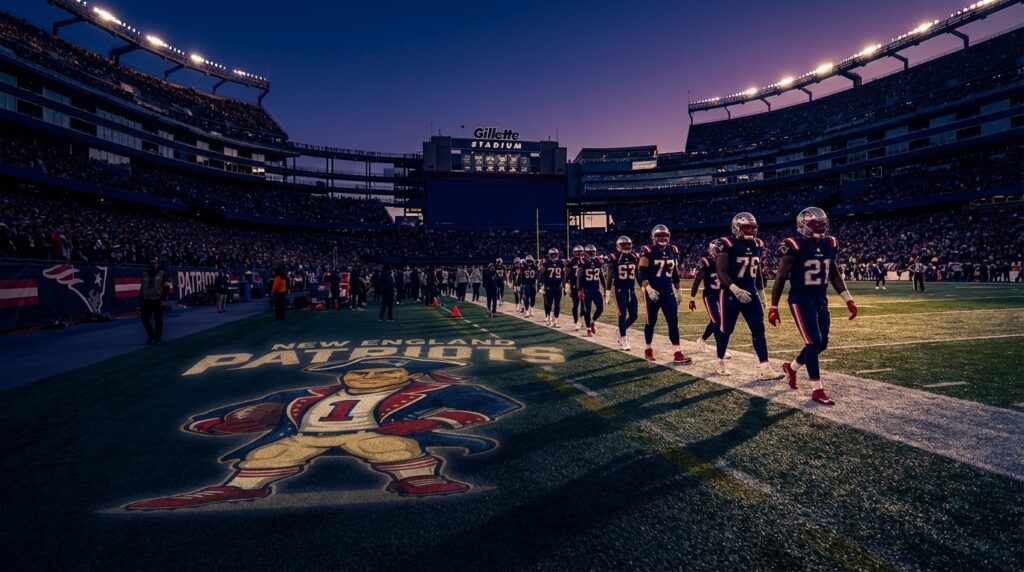
Patriots better today after free agency: Why the Patriots Are Better Today After Free Agency
Bigger, faster, hungrier — this Patriots roster looks playoff-ready.
Patriots better today after free agency is not hype. New signings and smart cap moves improved core weaknesses. Fans should feel optimistic because the team addressed the defensive line and interior offensive line. Moreover, the front office found value on one-year prove-it deals and multi-year bargains.
These additions give immediate depth and strategic flexibility. For example, the Garrett Bradbury trade and Julian Hill signing add interior strength. Dre’Mont Jones brings pass rush power, and K’Lavon Chaisson adds situational edge depth. As a result, injuries should hurt less.
We will break down cap impact, roster construction, and fit with Mike Vrabel’s scheme. Then, we will grade each move and compare it to draft priorities. Finally, we will explain why this group makes the Patriots more competitive now and next season. This analysis stays fan-focused, clear, and realistic. Read on for film context, cap breakdowns, and practical expectations.
Key free agent acquisitions: Patriots better today after free agency
The Patriots entered free agency with about $32M in available cap space, not counting KJ Britt and Julian Hill’s contract. Therefore, the front office used a mix of multi year deals and one year show me contracts. This approach improves depth now, while preserving flexibility for the draft and midseason moves.
Bulleted acquisitions and expected roles
- Julian Hill 3 year, 18M: Interior linebacker depth, downhill thumper, clear roster starter candidate. The contract buys three years of control and fits the team need for inside linebacker.
- Dre’Mont Jones 3 year, backloaded deal: Proven interior pass rusher, adds quickness against tackles. His deal keeps 2026 cap pressure low, with a 2026 cap hit near 4.5M. That structure helps short term planning.
- Garrett Bradbury: Acquired for a 2027 fifth round pick, adds center depth and interior pass protection. He replaces a glaring offensive line hole, and he provides experience for run and pass schemes.
- Khyiris Tonga 1 year show me deal: Rugged nose and rotational interior player. He boosts run defense depth, which is useful against power fronts.
- K’Lavon Chaisson 1 year (reported 12M with guarantees): Edge depth and situational pass rush. He gives the Patriots a low risk, higher reward option for outside pressure.
How these moves match draft priorities and roster needs
The signings address the Patriots priorities, namely edge, linebacker, and offensive line. For example, Jones and Chaisson directly touch the edge and inside rush needs. Julian Hill fills linebacker and run fit needs, while Bradbury stabilizes interior offensive line. Moreover, the one year deals conserve cap space and allow the team to pursue a safety or corner in the draft, because depth remains a priority. Analysts should note the tradeoffs, since backloaded deals reduce early cap cost but raise future obligations.
For more context on the offseason reaction see Patriots Offseason Free Agent Reaction and for wide AFC notes see AFC Notes: Cooks & Maye Updates.
Finally, cap management matters. OverTheCap explains how backloaded structures help teams buy flexibility, while the Patriots keep draft options open for the secondary and edge at draft time. For background on cap mechanics see OverTheCap and for league news see NFL News.

Roster depth and challenges: Patriots better today after free agency
Patriots better today after free agency is partly true, but depth still demands attention. Injuries exposed weak links last season, and the front office responded with targeted signings. However, departures and recovery timelines complicate roster stability.
The loss of Jaylinn Hawkins matters because he signed a two year, ten million dollar deal elsewhere. As a result, the safety room lost experience and immediate starter depth. Moreover, several restricted free agents were not tendered, trimming the internal pool of backups.
Thayer Munford returned on a low risk deal, but he is rehabbing knee surgery. Therefore, his availability is uncertain early in camp. That uncertainty forces the Patriots to plan for competition and contingency linemen.
Key depth challenges and implications
- Safety and nickel depth shrank when Jaylinn Hawkins left. This raises the chance the team targets a safety or corner in the draft.
- Offensive line depth depends on Munford’s recovery. If delayed, the Patriots need short term backup solutions.
- Special teams and rotational spots lost players not tendered. Consequently, younger players must step up quickly.
A pragmatic quote from the offseason captures the mood:
“A fresh start was what I think I needed. When you have three accidents, it sucks … But I really enjoyed my time the past five years.” — a player reflecting on change and opportunity
Looking ahead, the free agency strategy balances immediate help with cap flexibility. Therefore, the Patriots still prioritize drafting two edges, a linebacker, a safety, and a corner. In short, the roster improved, but depth work remains central to turning hope into wins.
| Player Name | Position | Contract Details | Previous Team | Expected Impact on Patriots roster |
|---|---|---|---|---|
| Julian Hill | Linebacker | $18M over 3 years | Signed as free agent | Interior starter candidate. Improves run defense and tackling. |
| Dre’Mont Jones | Defensive tackle | 3-year, backloaded (2026 cap hit ~$4.5M) | Free agent signing | Adds interior pass rush and tackle penetration. Low early cap hit. |
| Garrett Bradbury | Center | Traded for 2027 fifth-round pick | Minnesota Vikings | Stabilizes interior offensive line. Better pass protection and depth. |
| Khyiris Tonga | Defensive tackle | 1-year show-me deal | Free agent signing | Rotational run defender. Boosts depth against power fronts. |
| K’Lavon Chaisson | Edge | 1-year (reported $12M with guarantees) | Free agent signing | Situational edge rush. High upside for outside pressure. |
| Jaylinn Hawkins | Safety | 2-year, $10M (signed elsewhere) | Signed with Baltimore Ravens | Loss of veteran safety and nickel depth. Raises secondary draft priority. |
| Thayer Munford | Offensive line | Low-risk signing; rehabbing knee surgery | Free agent, practice squad background | Potential depth at tackle. Availability uncertain early in camp. |
| Not tendered restricted FAs | Multiple positions | Various | Became free agents | Reduced internal depth at special teams and rotational spots. |
The Patriots are demonstrably better today after free agency because the front office matched needs with smart spending. Shrewd cap management preserved roughly thirty two million dollars in space and allowed targeted, high value signings. As a result, interior defense and the offensive line look stronger.
Moreover, multi year buys and one year show me deals keep the roster flexible. Therefore, the team can still chase a corner or safety in the draft. That draft focus fits the stated priorities of two edges, linebacker, safety, and corner. In short, the team fixed glaring short term issues while protecting future options.
However, depth work must continue. Injuries and departures created gaps that rookies and backups must fill. Even so, the mix of veterans and affordable upside pieces gives fans reason to be optimistic.
For ongoing analysis and roster updates follow Patriots Report LLC. Visit Patriots Report for articles and film breakdowns. Also follow on Twitter X for quick hits. Finally, keep watching the draft and training camp. With patience and smart moves, this roster can compete now and in the near future.
Frequently Asked Questions (FAQs)
Are the Patriots actually better today after free agency?
Yes. The Patriots improved key spots with smart signings at linebacker, interior line, and pass rush. Julian Hill and Garrett Bradbury add immediate value. Dre’Mont Jones brings inside rush power. Therefore, the team is more competitive now while keeping draft flexibility.
Do depth and injury concerns still worry the roster?
Some concerns remain. Jaylinn Hawkins leaving reduced veteran safety depth. Thayer Munford is rehabbing knee surgery, so tackle depth has uncertainty. However, one year deals and younger players give the coaching staff options. As a result, the Patriots still need to prioritize depth in the draft.
How do the contract structures affect cap room and future moves?
The mix of backloaded and short term deals helps now. Dre’Mont Jones’s backloaded contract lowers early cap pressure, with a 2026 hit near $4.5M. Julian Hill’s three year, $18M deal buys control without wrecking space. Therefore, cap management keeps the draft and midseason options open.
What should fans expect from the draft after free agency?
Expect priority picks at edge, linebacker, safety, and corner. The front office still needs two edge rushers and secondary help. Because one year contracts fill immediate holes, the draft will add long term starters.
What is a realistic timeline for team improvement?
Short term gains should show in year one, especially on defense. Real depth and consistency may take a full season of coaching and health. Fans should be optimistic, but patient, as the roster builds toward sustainable contention.