The New England Patriots lost 30-24 to the Chicago Bears on Thursday night, Oct. 29, 2026, with A.J. Brown’s separation emerging as a central offensive concern.
The Patriots ran 54 offensive snaps and held the ball for only 2:39 in the fourth quarter. Pats Pulpit’s Dylan Klayman identified Brown’s lack of separation, Drake Maye‘s red-zone interception and New England’s rushing imbalance as major factors in the defeat, according to Pats Pulpit.
Klayman’s review is fan analysis rather than official Patriots or NFL tracking, but the figures provide a statistical explanation for why the Patriots A.J. Brown connection has not produced consistent results during the 2026 season.
A.J. Brown Separation Becomes a Patriots Concern
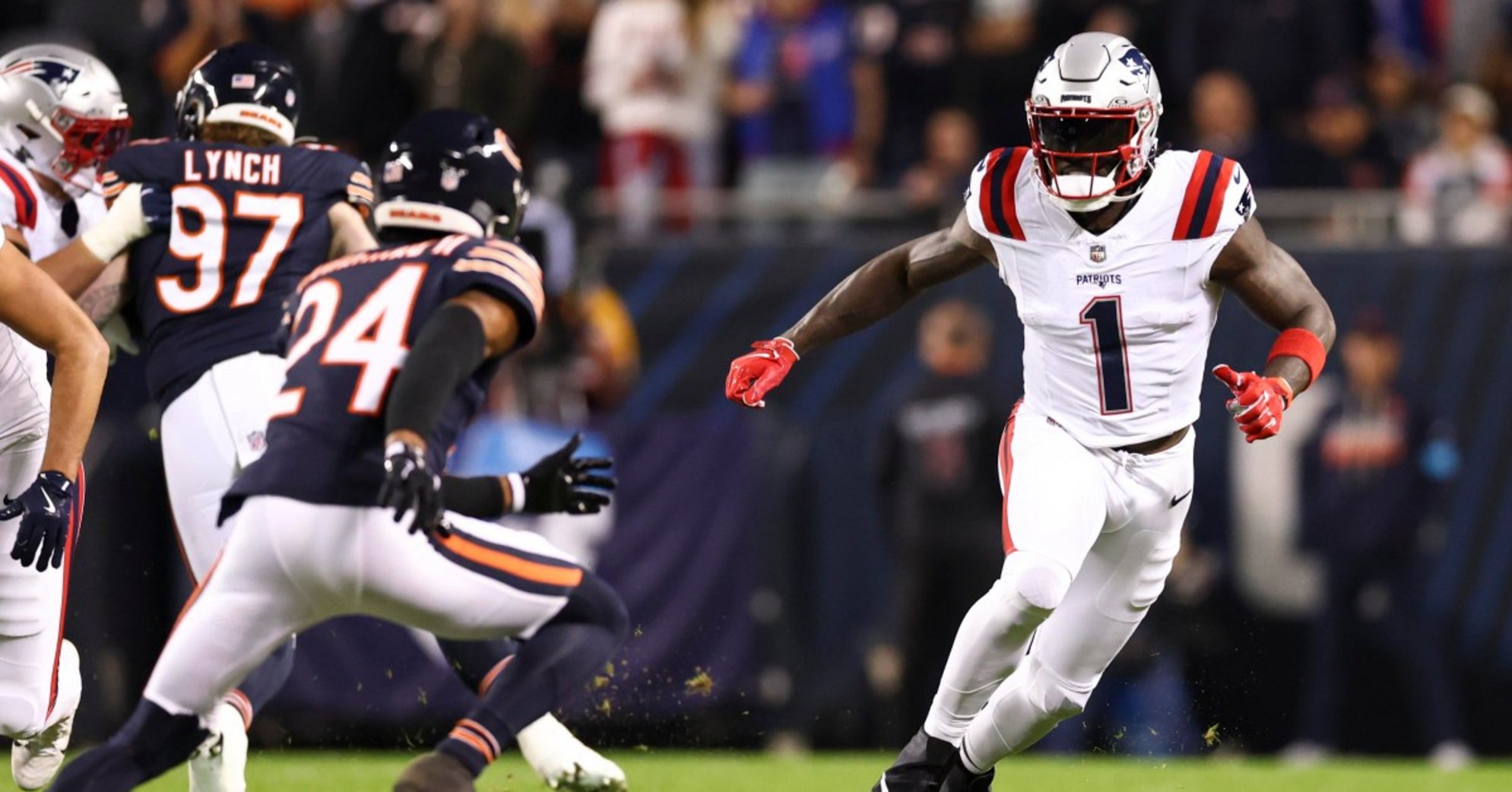
Brown averaged 1.5 yards of separation in Week 7, according to Klayman’s analysis. Among 61 receivers who saw at least five targets that week, Brown ranked fourth-worst in the category.
The five-target minimum matters because it limits the comparison to receivers who had enough involvement to generate a meaningful sample. Even within that group, Brown’s figure placed him near the bottom of the league for getting open.
Klayman also compared Brown’s Week 7 number with his 2025 performance. Using a minimum of 45 targets, Brown ranked seventh-worst in average separation among 120 receivers last season. That comparison frames the issue as a recurring concern in the analysis rather than a one-game statistical dip.
Limited separation can affect how often a receiver becomes an obvious target, particularly when a quarterback must decide quickly against pressure or tight coverage. Klayman connected Brown’s difficulty getting open with a smaller receiving workload than the Patriots expected when they acquired the veteran.
Brown’s Return Has Not Produced a Breakout Yet
Brown returned for his second game after missing four weeks with a high ankle sprain, according to Pats Pulpit’s review. The timing adds context to his current numbers, though it does not establish the injury as the cause of his separation results.
Klayman presented the possibility that the ankle injury is still affecting Brown as speculation and described that explanation as the more hopeful view for New England. The point is relevant to the Patriots’ evaluation of Brown, but it remains an analytical theory rather than a medical conclusion.
Brown has recorded three receptions in each of his first three games this season, Pats Pulpit reported. In 2025, he had only four games in which he finished with fewer than three receptions, making the current pattern stand out against his previous season.
Klayman noted that Brown had not taken this long to reach four or more receptions at the start of a season since his rookie year. The combination of the reception pattern and the separation rankings explains why his early Patriots production has drawn attention without establishing a long-term forecast for his tenure in New England.
Drake Maye’s Red-Zone Interception Was Costly
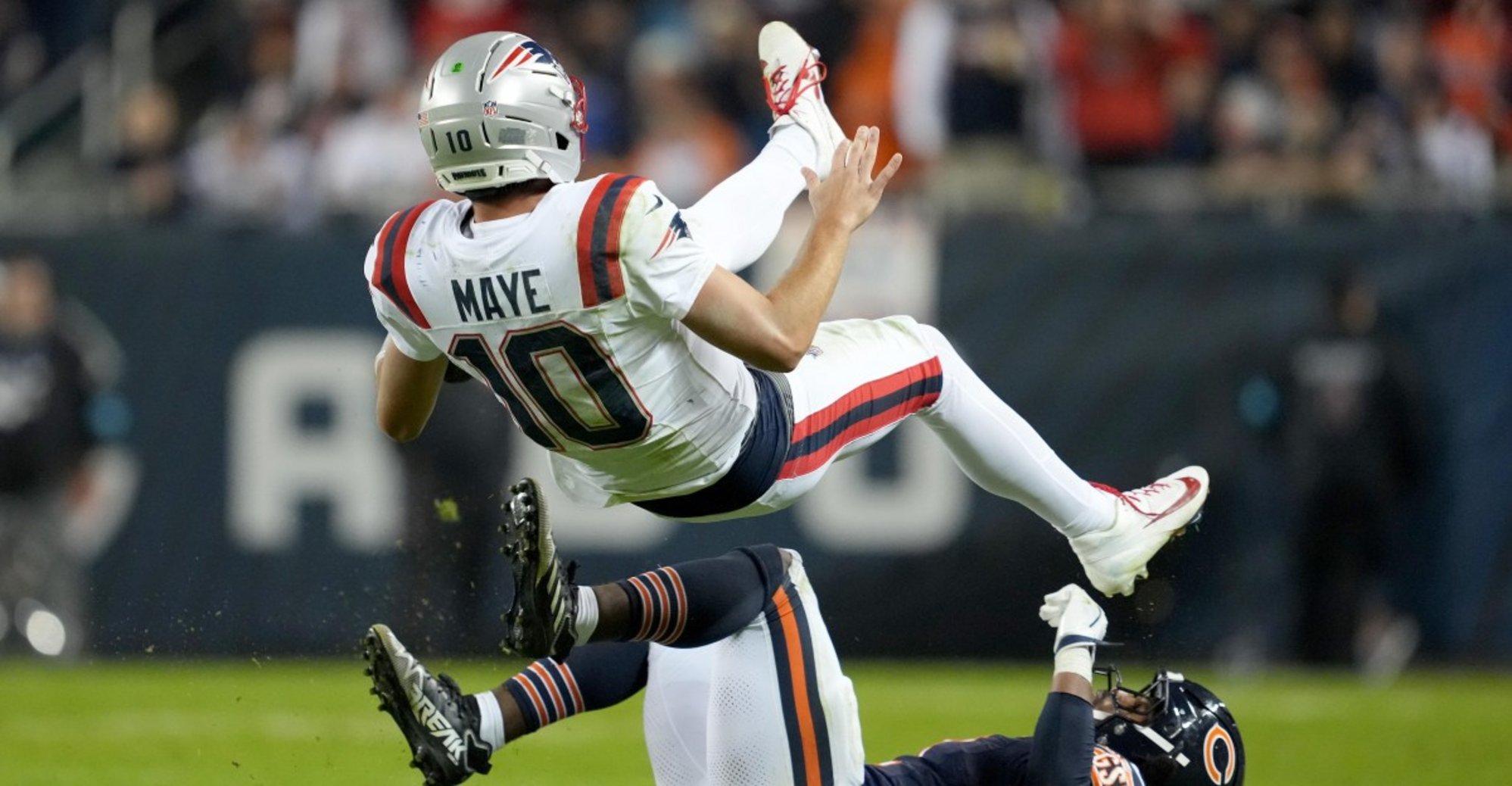
Maye threw his first interception since Week 4 at Buffalo in the Patriots’ loss to Chicago, according to Pats Pulpit. Klayman characterized it as Maye’s third red-zone interception of the season.
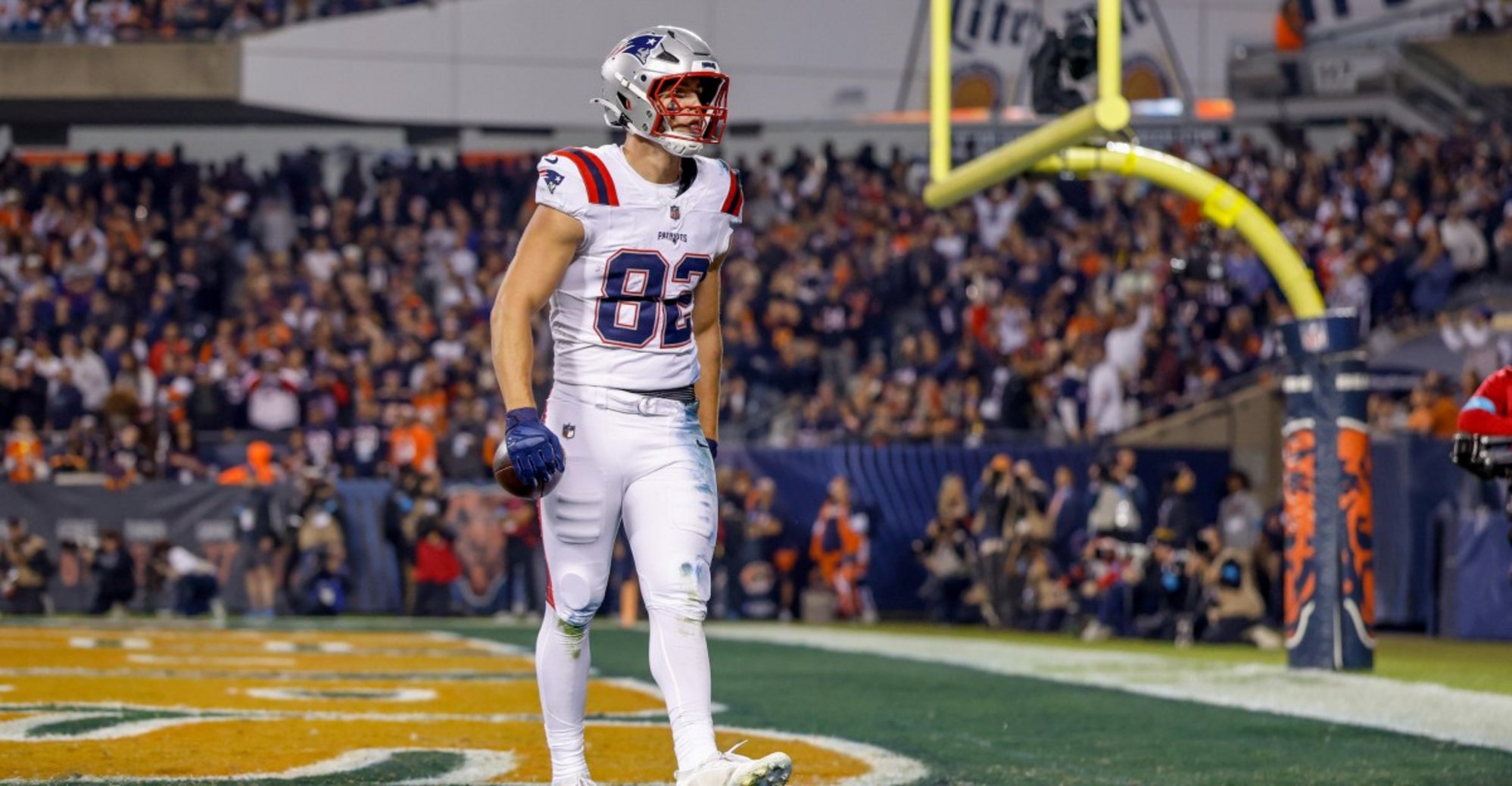
The turnover came after Maye scrambled for a 15-yard gain and then threw an underthrown pass intended for Eli Raridon. Because Chicago won 30-24, the interception came in a one-score game and became one of the clearest turning points identified in Klayman’s analysis.
The turnover also changed the context around an otherwise productive offensive performance. Klayman wrote that New England’s offense mostly did its part, but the red-zone mistake gave Chicago a meaningful advantage in a matchup decided by six points.
The interception was the first Maye had thrown since the Week 4 game at Buffalo. A separate look at his season context is available in this Drake Maye Growth Year Three article.
The Patriots Could Not Control Possession
New England’s 54 offensive snaps were a season low, while its 69 defensive snaps were a season high, Pats Pulpit reported. That workload split left the Patriots’ defense on the field for 15 more plays than the offense ran.
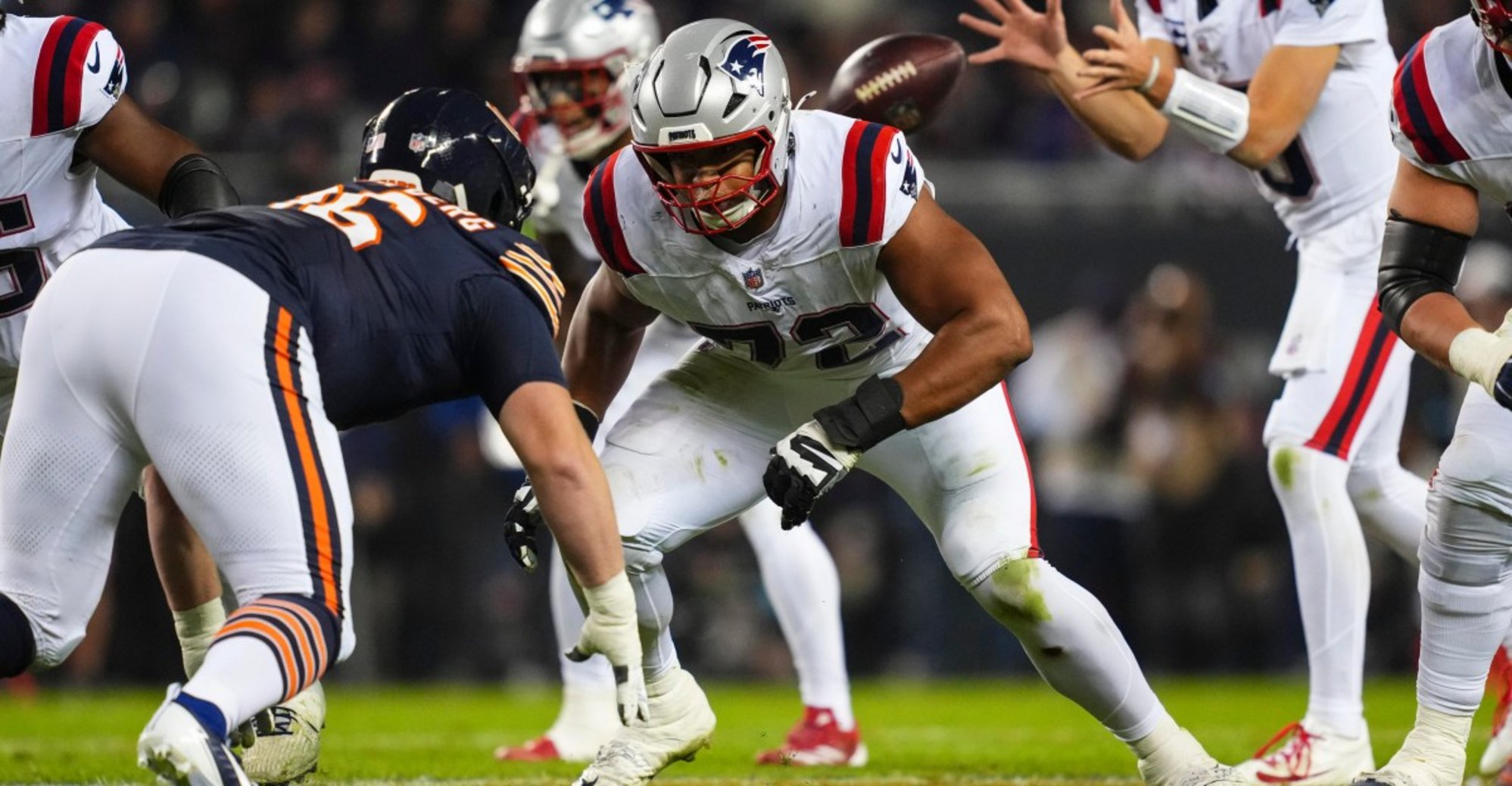
The rushing imbalance contributed to the possession problem. New England attempted 17 rushes, with Maye leading the team with 26 rushing yards, while Chicago ran 30 times.
D’Andre Swift accounted for 22 of the Bears’ carries and finished with 78 rushing yards and a touchdown. His workload helped Chicago sustain drives and limit the number of opportunities available to New England’s offense.
The difference became most pronounced in the fourth quarter. Chicago ran 26 plays to New England’s 13 and possessed the football for 12:21, compared with 2:39 for the Patriots, according to Klayman’s breakdown.
What the Bears Loss Says About the Patriots Offense
The game connected three separate problems in the Patriots’ offensive performance: Brown struggled to create space, Maye committed a costly red-zone turnover and New England could not maintain a rushing attack capable of extending possession.
Chicago also won the turnover margin without forcing New England into repeated mistakes. The Bears committed no turnovers and moved to 2-0 in games without a giveaway, while the Patriots failed to force a turnover for the first time since Week 1.
Pats Pulpit reported that New England is now 0-2 in games when its defense does not force a turnover. That statistic, combined with the fourth-quarter possession gap, meant the Patriots had little time to respond even though their offense was described as mostly productive.
The result was a 30-24 Chicago victory at Soldier Field, with Caleb Williams getting the better of Maye in the primetime matchup. For New England, the immediate game evidence points to a receiver separation problem, one red-zone interception and an inability to keep the Bears’ offense off the field late.