
Can Patriots 2026 offseason strategy win the East?

Patriots 2026 offseason strategy: balancing value signings and draft swings
The Patriots 2026 offseason strategy centers on targeted value signings and smart draft positioning. The aim is to keep New England competitive in the AFC East. After a surprising Super Bowl run in 2025, the front office chose upside over splashy contracts. They signed veteran pieces like Kevin Byard and prioritized affordable options at skill positions. However, the moves raise questions about long term depth and a true difference maker at receiver or pass rush.
This introduction sets the stage for a deeper look at free agency, potential trades, and draft plan. We will analyze how the Byard addition and the Romeo Doubs profile affect scheme. We will also examine how continued use of 13 personnel changes offensive and defensive dynamics. Meanwhile, salary cap discipline gives the Patriots flexibility later in the offseason. Still, the team must convert value plays into reliable starters. Therefore, this article will measure whether these actions give New England a real AFC East edge. It will also outline what else remains to be fixed.
Patriots 2026 offseason strategy: impact on the AFC East
The Patriots 2026 offseason strategy reshaped New England’s depth chart while keeping salary flexibility. The team added an All-Pro level veteran in Kevin Byard III. They also signed Romeo Doubs to provide catching ability and upside. Meanwhile, the front office leaned into low cost, high-upside moves to protect future cap space.
Defense and scheme fit
Byard arrives after a season with seven interceptions. Therefore, he brings playmaking and veteran intelligence. However, age and long term durability remain concerns. The move replaces Jaylinn Hawkins and signals a preference for experienced, smart safeties over younger gambles. In addition, interior defensive upgrades like Dre’mont Jones improve run resistance. Consequently, the Patriots likely trade some speed for consistency.
Offense and personnel usage
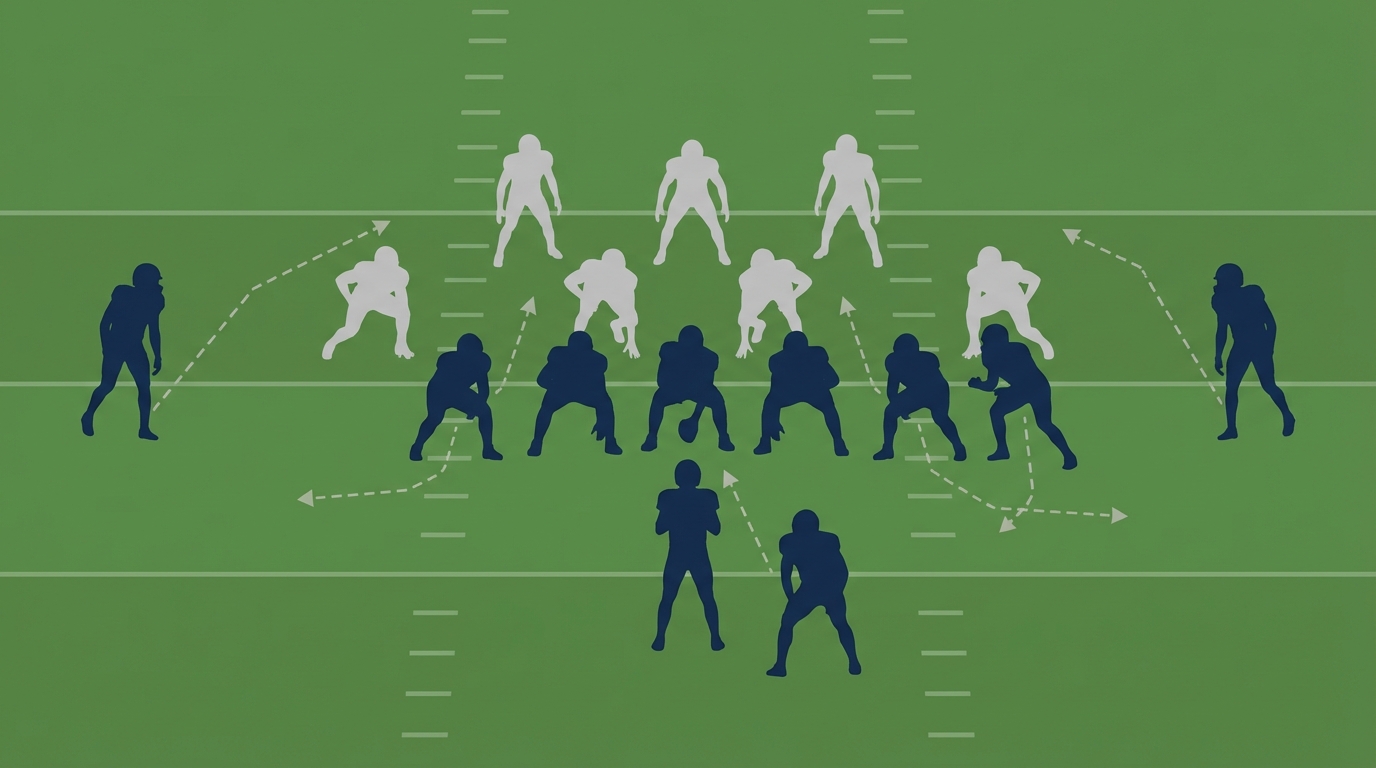
New England continues to favor 13 personnel often. This approach elevates tight ends like Hunter Henry. It also creates favorable matchups for multiple tight end sets. Moreover, Doubs fits into this system as a potential WR2 with WR1 flashes. Still, the roster lacks a clear dominant wideout and a consistent edge rusher.
Expert takes and projections
Ben Solak praised the value focus but warned that value rarely equals elite upgrades. He rated New England’s class as strong but not transformational. As a result, the team improved maybe one notable position via free agency. Analysts Klare and Roush project mid draft windows for key prospects, so the draft will determine much of the outcome.
Key roster shifts, strengths, and weaknesses
Main roster changes
- Kevin Byard III signed to shore up safety play Read more
- Romeo Doubs added as a contested catch option Read more
- Midlevel interior D and veteran depth upgrades Read more
Strengths
- Smart veteran additions improve situational football
- Heavy use of 13 personnel creates offensive identity
Weaknesses
- No clear alpha receiver yet
- Edge speed and consistent pass rush remain questions
Overall, the Patriots gained modest edges in scheme and depth. However, the AFC East remains tight. The real test will arrive in the draft and any late trades. For context on league trends, see ESPN and NFL.
| Team | Solak free agency ranking | Key signings | Overall impact analysis |
|---|---|---|---|
| Patriots | 6 | Kevin Byard III; Romeo Doubs; Vera-Tucker; Julian Hill | Value class; improves safety and contested catch depth while preserving cap for draft swings |
| Jets | 18 | Solak view: middling class without major splashes | Limited upgrade; must rely on draft and trades |
| Bills | 29 | Seen as a weak class in Solak rankings | Minimal impact; depth concerns persist |
| Dolphins | 31 | Low ranking suggests no significant signings | Must chase upgrades via trade or draft |
Draft prospects and Patriots 2026 offseason strategy fits
The draft will decide whether New England turns value signings into a sustained advantage. Klare projects several targets in rounds two to three. Conversely, Roush sees some falling into rounds three to five. Therefore, the Patriots must plan for both upside and depth.
Top prospects linked to New England
- C.J. Dippre — Versatile tight end who blocks and runs reliable intermediate routes. He could boost 13 personnel packages and help replace Austin Hooper snaps.
- Marshall Lang — Athletic receiver with contested catch skills. As a mid-round pick, he could ramp into a WR2 role over time.
- Jack Westover — Ohio State edge who flashes pass rush upside. If he lands in rounds two to three, he addresses the edge speed concern.
Potential impact on roster weaknesses
- Tight end usage: The Patriots run 13 personnel often. As a result, adding Dippre gives Vrabel another multiuse piece. Moreover, he eases pressure on Hunter Henry and increases two tight end formations.
- Wide receiver depth: Lang provides contested catches and separation skills. However, he may need a year to become a true WR1.
- Edge rush and speed: Westover brings length and burst. Still, the team should pair him with veteran coaching and situational snaps.
Strategic notes and outlook
Drafting for fit matters more than pure athleticism. The Patriots prize scheme versatility and smart players. Consequently, targeting mid round, high-floor prospects matches the 2026 offseason strategy. Ultimately, the draft must convert upside into reliable starters to keep New England competitive in the AFC East.
CONCLUSION
The Patriots 2026 offseason strategy produced targeted, value-first moves that preserve cap and push for immediate depth.
Kevin Byard III and Romeo Doubs add experience and contested-catch ability.
The roster still lacks a true alpha receiver and consistent edge speed.
Ben Solak praised the value approach but warned it rarely buys elite upgrades.
Draft projections from Klare and Roush are pivotal.
Rounds two through five must supply starters.
If New England converts mid-round prospects into reliable pieces, these moves could give the Patriots a modest AFC East edge.
However, if value signings age poorly, divisional rivals could overtake them.
If the pass rush fails to develop, trouble follows.
Therefore the outlook is cautiously optimistic and rightly skeptical.
Patriots leadership under Mike Vrabel and Robert Kraft expects playoff consistency.
That raises expectations.
Watch the draft and late-market moves closely.
For ongoing coverage and deeper breakdowns, follow Patriots Report LLC at Twitter.
Frequently Asked Questions (FAQs)
What is the net impact of the Patriots 2026 offseason strategy?
The team added experienced, value signings while preserving cap flexibility. Ben Solak rated New England’s class highly at sixth. However, the upgrades feel incremental rather than transformational.
Which free agent moves matter most?
Kevin Byard III boosts the secondary and adds playmaking. Romeo Doubs supplies contested catches. Vera-Tucker strengthens the interior line. Julian Hill provides affordable depth.
Can the draft supply needed starters?
Yes, but the draft must deliver. Klare projects targets in rounds two to three. Roush sees options in rounds three to five. Prospects like Dippre, Lang, and Westover could fill clear gaps.
Do the Patriots now have an AFC East edge?
Only a modest one. If mid round picks become starters, New England gains an advantage. Otherwise, rivals could surpass them.
How does 13 personnel influence roster building?
It favors tight ends and multiuse pieces. Therefore, adding versatile tight ends helps exploit mismatches and protects Drake Maye’s progression.