
How will Patriots 2026 offseason plan protect Maye?
The Patriots 2026 offseason plan charts a bold path to close roster gaps and protect Drake Maye. Because cap constraints and pressing offensive line needs define this winter, strategy matters more than ever. New England faces limited cap space, tough free agency choices, and looming contract windows. However, management moved proactively in the draft and early signings, prioritizing pass protection and run blocking.
Analytically, this plan balances immediate upgrades with long-term financial flexibility and roster sustainability. The roster blueprint targets offensive tackles, interior guards, edge rushers, and playmakers around the quarterback. As a result, the Patriots can protect Maye while building depth across skill positions. Fans should expect aggressive draft day moves, savvy free agency bargains, and careful salary cap stewardship this spring. Optimistic yet rigorous, this analysis previews where New England still must invest to chase a title.
Entering the 2026 offseason, the Patriots sit with tight cap room and several pressing roster holes. Because the team carries limited parity cap space, every move must weigh short-term gain with long-term flexibility. The front office faces decisions on veterans’ extensions and the allocation of free agency funds. However, the team does retain tools such as restructures, trades, and draft capital to maneuver.
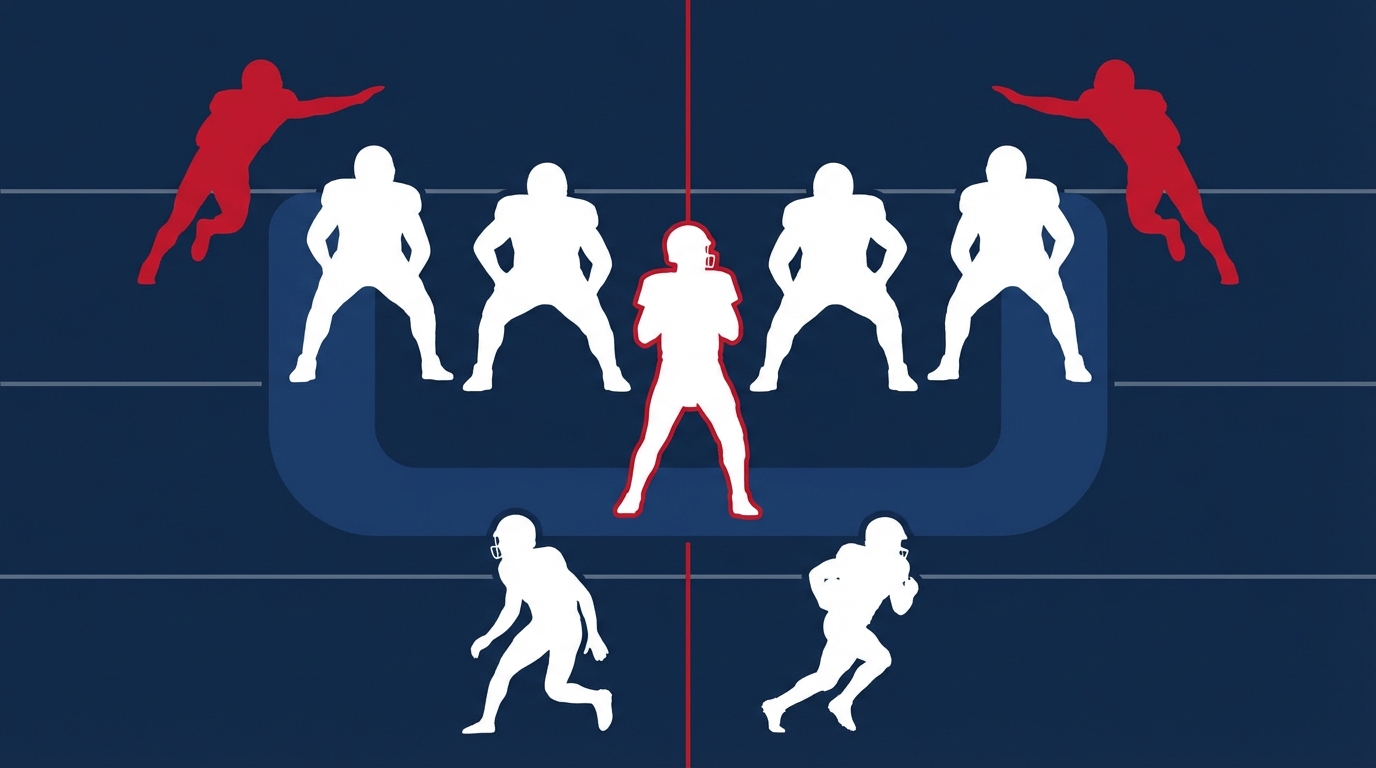
Protection of Drake Maye remains the priority. New England surrendered 47 sacks in 2025 and six in the Super Bowl alone. As a result, the offensive line ranks as the top need heading into March. The mock draft and early signings targeted tackles and guards to reduce pressure and improve run blocking.
- Offensive line depth especially right tackle and interior guard
- Edge rush help to limit opposing pressures and create turnovers
- Complementary skill players for Maye including a speedy wide receiver and reliable tight end
- Running back depth that can sustain a zone and aid pass protection
Cap constraints shape how New England approaches free agency. Therefore, big splashes look unlikely without creative structuring. The team already added Reggie Gilliam on a cost-controlled deal and tendered Jack Westover as an exclusive rights free agent. Moreover, June 1 designations or restructures could free incremental parity cap space later in the offseason.
Because money limits outside help, the draft gains extra value. The Patriots used an 11 pick mock to prioritize five offensive linemen and two edges. As a result, rookies may earn early snaps and help manage the salary cap. However, veteran bargains and strategic cuts will still be necessary to balance the roster for a deep playoff run.
Overall, the cap picture forces a blended approach. Free agency needs will focus on value signings, depth, and move-making that protect Drake Maye. In short, patience with active roster engineering will pay dividends. The plan balances immediate protection with long-term parity cap space management.
Patriots 2026 offseason plan: 11 pick mock and protection priorities
The mock focused on one clear goal protect Drake Maye. Because the Patriots gave up 47 sacks in 2025 the front office prioritized offensive line help and pass rush. As a result five of the eleven picks target the offensive trenches while two add edge rushers to convert pressures into turnovers.
- Blake Miller (Tackle, Clemson) — 6 foot 7 and 317 pounds. Quote: “Ultimate iron man at right tackle with 54 career starts. Miller has unusual lateral quickness and fluidity in space despite playing too upright. If he tightens up in those areas, Miller can become a solid NFL right tackle.” Miller projects as an immediate candidate at right tackle.
- Gennings Dunker (Guard/Tackle) — 6 foot 5 and 319 pounds. Quote: “Gennings Dunker is a rugged, powerful in line blocker built with the right stuff, but will need to kick inside to guard to mitigate his middling movement skills.” He adds run game push and interior depth.
- Tristan Leigh (Versatile O line) — 6 foot 6 and 310 pounds. Quote: “At the next level Tristan Leigh’s potential as an offensive lineman hinges on his physical tools and versatility.” His flexibility helps handle injuries and scheme shifts.
- Edge additions (Derrick Moore, Joshua Josephs) — fast off the snap and lengthy. Their presence reduces one on one pass rush mismatches.
- Roman Hemby (Running back) — 1,120 rushing yards and seven touchdowns in 2025. Hemby brings power and short yardage reliability while aiding pass protection.
- Jeff Caldwell (Receiver) — 32 catches for 478 yards, six touchdowns, and a 4.31 forty. He adds downfield juice and separation for Maye.
This eleven pick blueprint blends rookie cost control with position value. Because cap constraints limit headline signings the draft becomes the primary vehicle to protect Maye. For more on the free agency context see this link and a look at whether free agency can secure a title run here. Also read about center reshaping after the Bradbury trade here.
| Player Name | Position | Height / Weight | College | Key Stats (2025) | Role Impact |
|---|---|---|---|---|---|
| Blake Miller | Tackle | 6’7″ / 317 lb | Clemson | 54 career starts; strong lateral quickness | Immediate right tackle candidate; improves pass protection |
| Gennings Dunker | Guard / Tackle | 6’5″ / 319 lb | N/A | Rugged in-line blocker; strong run-game traits | Interior push and depth; early guard rotation |
| Tristan Leigh | Offensive Line (T/G) | 6’6″ / 310 lb | Tennessee | Versatile blocker with athletic upside | Flexibility across tackle and guard; injury insurance |
| Derrick Moore | Edge Rusher | N/A | N/A | 10 sacks, 3 PD, 2 FF, 1 FR | Power pass rusher to create pressures and sacks |
| Joshua Josephs | Edge Rusher | 6’3″ / 242 lb | Tennessee | 4 sacks, 3 FF, 2 FR, 3 PD | Situational pass rusher; length and turnover production |
| Roman Hemby | Running Back | N/A | Maryland | 1,120 rushing yards, 7 TD, 17 rec, 165 rec yards | Short yardage runner who chips in pass protection |
| Jeff Caldwell | Wide Receiver | N/A | N/A | 32 catches, 478 yards, 6 TD; 4.31 forty | Deep speed and vertical threat for Maye |
| Reggie Gilliam (FA signing) | Fullback / Special Teams | N/A | N/A | PFF run grade 75.1; played 235 offensive snaps in 2025 | Adds run-blocking, special teams value, short-yardage utility |
| Jack Westover (ERFA) | Fullback | N/A | N/A | PFF grade 45.8 (first full season) | Cost-effective depth and special teams contributor |
This table highlights how the mock draft and targeted free agent moves address the Patriots 2026 offseason plan priorities. Offensive line additions boost pass protection while edge pieces hunt sacks. Meanwhile skill acquisitions add protection, speed, and short yardage reliability for Drake Maye.
The Patriots 2026 offseason plan leaves fans optimistic and confident. Because management prioritized offensive line edges and targeted skill help, the roster looks sturdier. Strategic draft selections blend rookie cost control with immediate impact for pass protection.
Free agency signings focus on fit and value rather than headline salary binges. However, cap constraints still require creative structuring and careful personnel moves. As a result, New England can protect Drake Maye while preserving parity cap space.
Coaching continuity and smart rotation further amplify these roster upgrades on game day. Fans should expect a team built to win now and sustain success longer term. Patriots Report LLC provides trusted context and ongoing coverage of these moves.
For verified analysis visit Patriots Report and follow @ZachGatsby on Twitter. This plan balances urgency with patience, and that balance breeds confidence. Ultimately, the blueprint positions New England as a legitimate title contender next season.
Frequently Asked Questions (FAQs) — Patriots 2026 offseason plan
What is the main goal of this offseason?
Protect Drake Maye by improving pass protection, adding edge rushers, and building depth around the quarterback.
How will cap limits affect signings?
Limited parity cap space makes big contracts unlikely. Teams can use June 1 designations to free parity cap space.
Will the draft solve offensive line problems?
The mock prioritized five linemen. Rookies offer cost controlled help and early depth for starters.
Will free agency bring headline signings?
Free agency will target value fits and bargain veterans. Expect exclusive rights free agent tenders and low risk deals.
When will fans see improvement?
With coaching continuity and smarter rotations, expect tangible gains in year one, especially fewer sacks and cleaner pocket time.