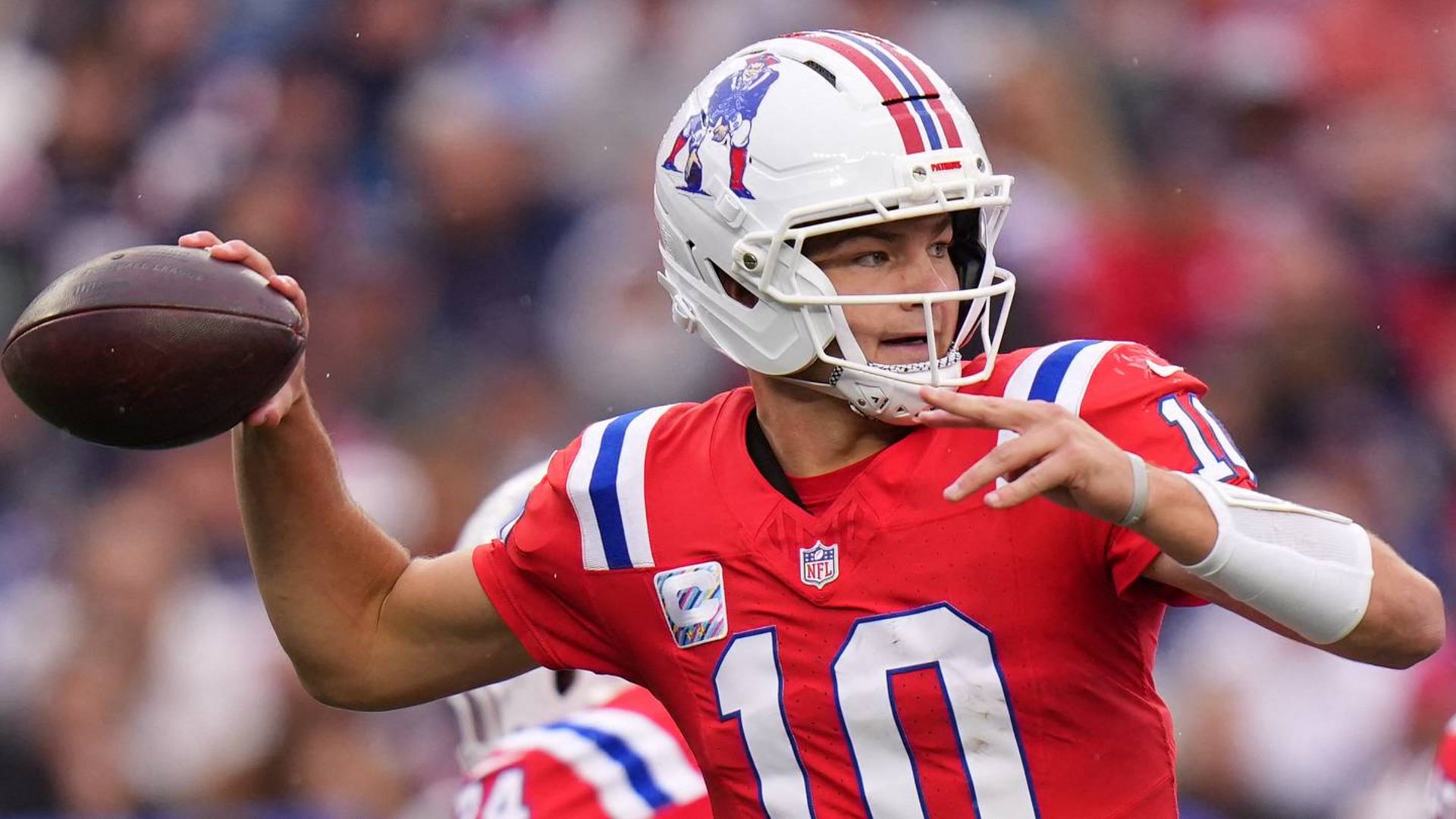
Patriots 2026 offseason draft picks and cap space will shape New England’s roster.
Because the team enters free agency with more than forty two million dollars in projected salary cap room, the front office faces both flexibility and pressure to balance veterans with incoming rookies.
The Patriots now hold eleven picks in the 2026 NFL Draft.
However, drafting well will require clarity on needs, scheme fit, and long term cost control.
In this primer we will break down projected cap space and contract priorities, map how eleven 2026 NFL Draft selections could address needs at quarterback, offensive line, and pass rush, evaluate free agent targets and trade options, and offer a cautiously optimistic road map that respects salary cap constraints while aiming to return the Patriots to contention after the setbacks of Super Bowl LX, and we will examine rookie profiles, cap friendly signings, and potential trade targets in detail.
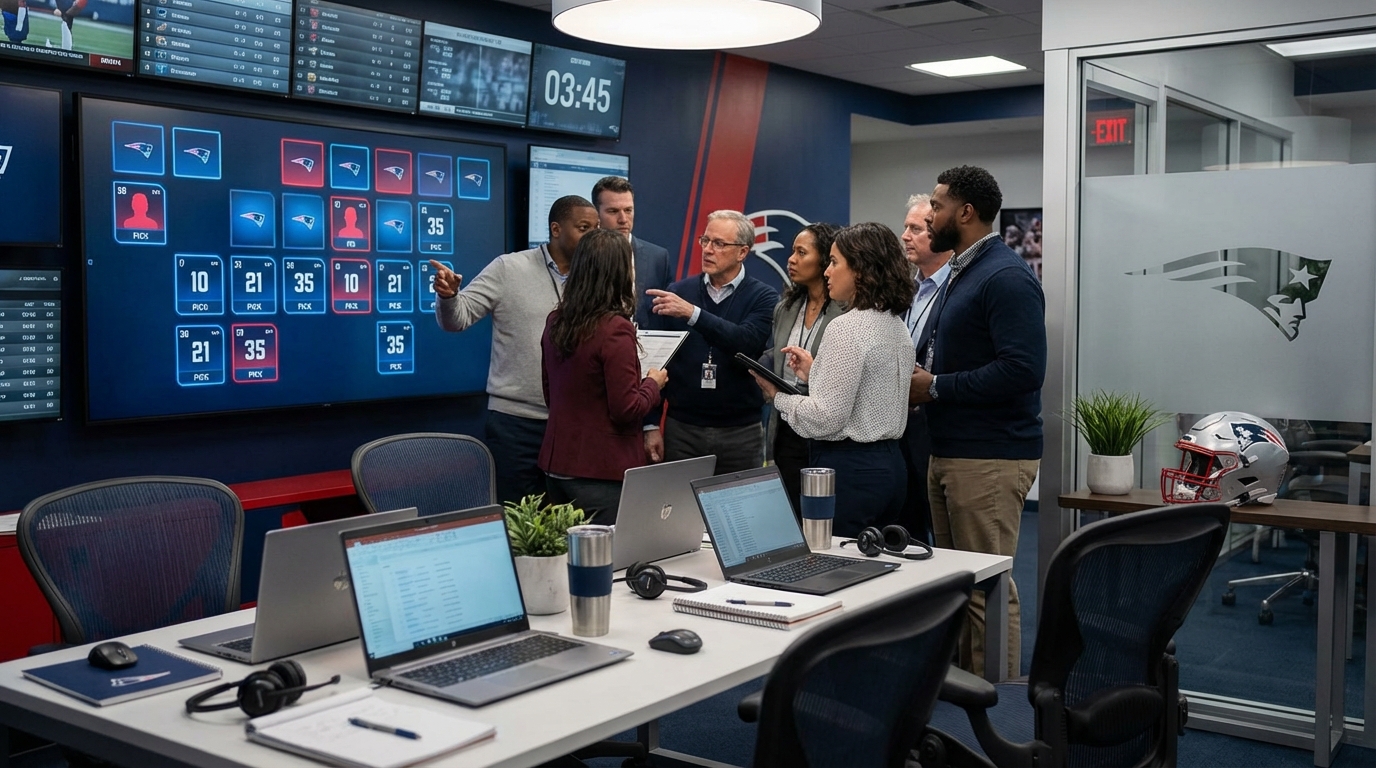
Patriots 2026 offseason draft picks and cap space: overview
The Patriots enter this offseason with real flexibility because they hold 11 picks in the 2026 NFL Draft and project to have cap space over $42 million. This combination gives New England options on multiple fronts. They can add cost controlled rookies, pursue a veteran in free agency, or use assets to trade up for a difference maker. However, flexibility brings tough decisions on roster balance and long term cost control.
Because the Patriots have 11 picks, they can address depth and priority positions quickly. Early rounds can target immediate starters, while mid and late selections can develop behind veterans. As a result, the draft haul allows the team to replenish the roster after losses and build competition at quarterback, offensive line, and pass rush.
Patriots 2026 offseason draft picks and cap space: strategic options and priorities
With cap space over $42 million, New England can sign a mid tier free agent or restructure veteran deals to buy more room. Therefore, the front office should weigh signing a starter now versus letting an extra rookie grow. Short term signings could shore up weak spots exposed in Super Bowl LX, while rookie contracts keep future payroll manageable.
Because the 2026 NFL Draft takes place in Pittsburgh from April 23-25, teams will finalize their boards after the NFL Scouting Combine from February 23 through March 2. Patriots decision makers must evaluate combine results, pro day performances, and medical reports before committing to selections or trades. This process matters because it reduces risk when investing limited cap dollars and draft capital.
Finally, the mix of 11 picks and cap space over $42 million positions the Patriots to be proactive and creative. They can trade down to accumulate more picks, trade up to secure a blue chip prospect, or sign a veteran to mentor rookies. However, prudent cap management remains essential because expensive free agent binges can cripple future flexibility. As a result, this offseason should focus on efficiency, draft value, and strategic spending that supports sustained contention.
| Round | Pick number (current/proj.) | Potential impact / Strategic value |
|---|---|---|
| Round 1 | TBD — projected late first round | Chance to add a difference maker at receiver or edge. Starter in year one possible. |
| Round 2 | TBD — projected mid second round | High floor starter candidate or high upside developmental player. Immediate help likely. |
| Round 3 A | TBD — projected late second to early third | Depth for offensive line or secondary. Cost controlled rotational play. |
| Round 3 B | TBD — projected mid third round | Best available developmental receiver or pass rusher project. Special teams value. |
| Round 4 A | TBD — projected early fourth round | Special teams contributor with upside to start later. Good value pick. |
| Round 4 B | TBD — projected mid fourth round | Depth at linebacker or interior offensive line. Cheap roster competition. |
| Round 5 A | TBD — projected early fifth round | High ceiling developmental prospect. Practice squad candidate if needed. |
| Round 5 B | TBD — projected mid fifth round | Day three upside player. Low cost depth and special teams value. |
| Round 6 A | TBD — projected early sixth round | Special teams ace candidate. Tackle and depth insurance. |
| Round 6 B | TBD — projected mid sixth round | Late-round swing at pass rusher or tight end. Development focus. |
| Round 7 | TBD — compensatory or late pick | Lottery ticket pick. Practice squad depth and long term upside. |
Free agent targets and upcoming NFL events
The Patriots enter the offseason with several pending free agents to evaluate. Because the team projects to have cap space over $42 million, decision makers can pursue upgrades in free agency. Pending free agents may include role players and veterans who command market value. Therefore, New England must prioritize which positions warrant paid continuity and which can be replenished through rookie contracts.
Free agency formally begins when the League Year March 11 kicks off at 4 p.m. ET. As a result, teams will race to sign targets immediately, and Patriots staff must be prepared to move quickly. For context on how roster decisions reshape cap planning, see this PatriotsReport primer: How will Patriots 2026 offseason roster decisions reshape cap?
The NFL Scouting Combine runs Feb 23 through March 2, and it will affect draft boards and free agency alike. Because combine measurements, medical checks, and interviews provide fresh information, the Patriots will adjust their evaluations accordingly. For more on the offseason outlook series, see Why the 2026 NFL Offseason Outlook Series Matters?
Free agency and the Combine lead to the 2026 NFL Draft in Pittsburgh, April 23 through April 25. With 11 picks available, New England can draft immediate contributors or stash developmental talent. However, the team must balance signing a veteran with spending draft capital. For a deeper look at potential trade targets and how picks can be used, consult What are Patriots 2026 trade targets worth?
Finally, analytics and cap tracking from Over The Cap will guide practical moves during this window. For salary cap detail, review the Patriots page at Over The Cap. As a result, the Patriots can align pending free agents, cap space, and draft strategy to build sustainable depth and contention.
Patriots 2026 offseason outlook hangs on two main assets: eleven draft picks and cap space over $42 million.
Because those resources provide flexibility, the front office can pursue several paths. They can draft starters and developmental players, sign a mid tier free agent, or trade picks to move up. However, each choice carries long term cap implications that require careful weighing.
Therefore, the smartest approach mixes fiscal discipline with targeted aggression. Prioritize cost controlled rookie contracts and use veteran signings sparingly to plug urgent holes. Also, leverage the Combine and pre draft visits to reduce risk and confirm medicals. As a result, the Patriots can improve the roster while preserving future flexibility.
The calendar matters too because the League Year March 11 opens free agency and the 2026 NFL Draft follows in Pittsburgh on April 23 to 25. For context and continued coverage visit Patriots Report LLC and follow @ZachGatsby on Twitter for updates. In short, cautious optimism fits this offseason because the team has assets and a clear path forward.
Frequently Asked Questions (FAQs)
How many draft picks do the Patriots have and how much cap space do they project to have?
The Patriots hold 11 picks in the 2026 NFL Draft. Over The Cap projects more than $42 million in cap space. That cap projection stems from Over The Cap’s estimates. It affects how many veterans they can afford. As a result, the team has clear roster flexibility.
How will the cap space affect free agency choices?
With cap space over $42 million, they can pursue a mid tier starter or several depth signings. However, they should avoid large long term deals that limit future moves. Instead, prioritize short term, cap friendly contracts and veteran bargains. Cap allocation should balance present wins and future flexibility. Teams often use restructures to create extra short term room.
What should the Patriots prioritize when using eleven picks?
Draft for starters early and depth later. Because the roster needs quarterback protection, offensive line and pass rush rank high. Also seek special teams contributors and high upside developmental players. Priority should match clear roster holes from Super Bowl LX. And target players who fit the scheme and culture.
How do the Combine and League Year dates affect Patriots decision making?
The Combine runs Feb 23 to March 2. The League Year March 11 opens free agency at 4 p.m. ET. As a result, evaluations and medicals influence draft boards and free agent targets. Pre draft visits and pro days follow the Combine. Those events finalize boards before the draft in Pittsburgh.
Can the Patriots trade picks or use them to acquire free agents?
Yes. They can trade up or trade down to change value. Therefore, picks are currency for trades and to acquire veterans. Trading requires careful valuation against immediate roster upgrades. Any veteran signing still counts against the cap. But the front office must weigh immediate need versus long term cap health.