
Patriots 2026 mock draft: can Maye’s line protect him?
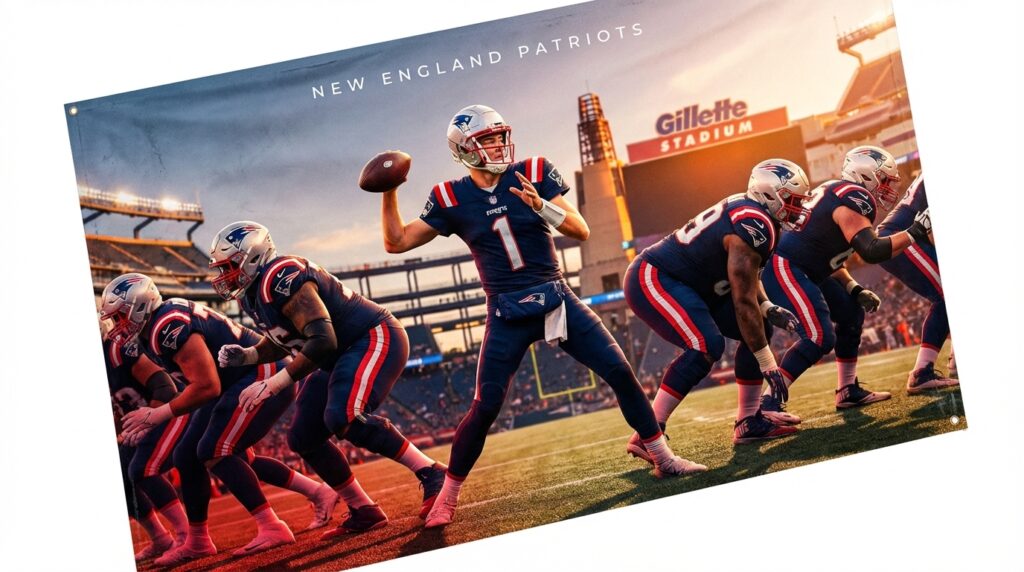
Patriots 2026 mock draft: upgrading the offensive line to protect Drake Maye
Patriots 2026 mock draft: upgrading the offensive line to protect Drake Maye captures the buzz around New England’s offseason plans. Fans and analysts are excited because the right draft choices could accelerate Maye’s MVP trajectory. Therefore this mock emphasizes protection, youth, and positional flexibility on the line.
As a result we focus on tackles and interior blockers who can start quickly. Upgrading the offensive line matters because it shields Maye and unlocks a bigger passing game. With optimism the Patriots can pair athletic bookends with powerful run blocking to boost the offense.
Ultimately the challenge is urgent: keep Drake Maye upright so his talent can flourish. However veteran transitions and salary cap realities will shape who lands in New England. Expect a promotional but measured approach that prioritizes day-one starters and long term development for Maye and the Patriots.
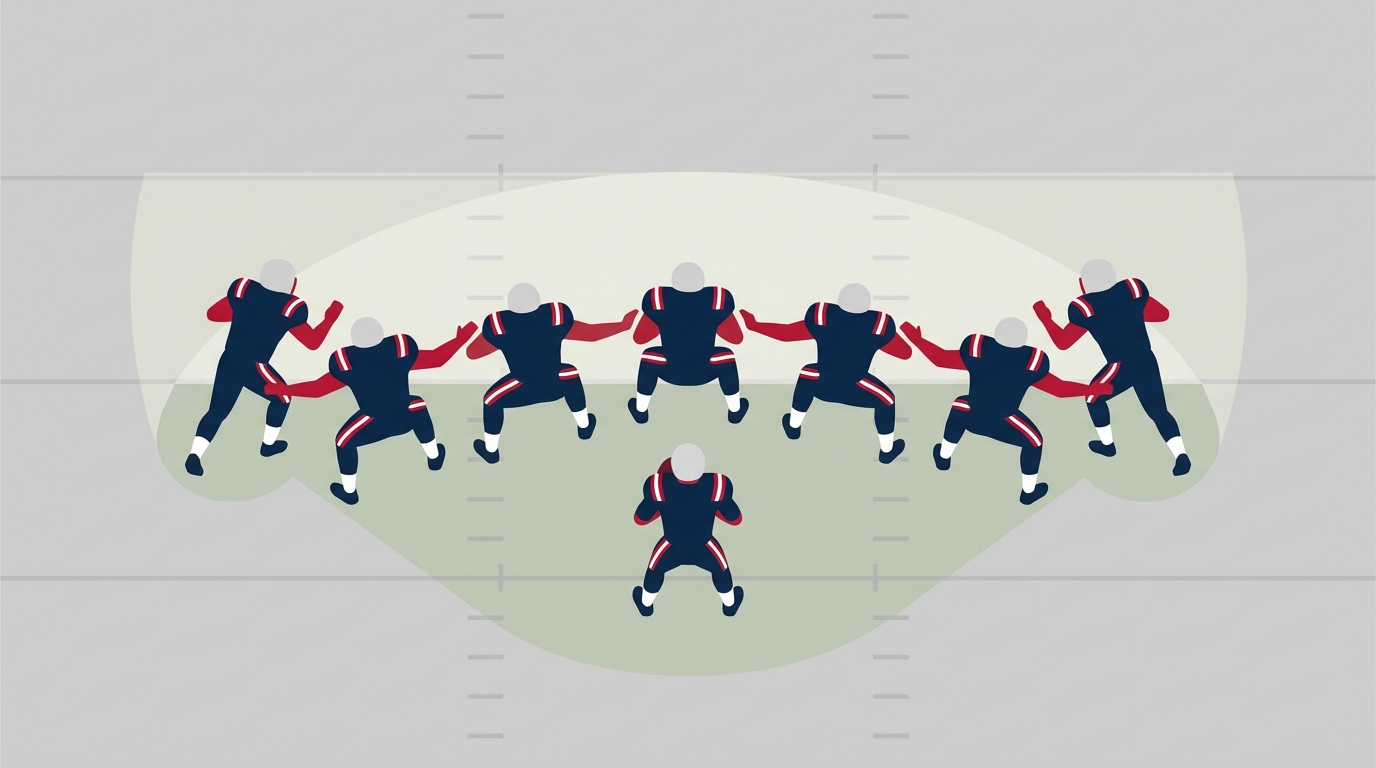
Patriots 2026 mock draft: upgrading the offensive line to protect Drake Maye
This mock centers on practical upgrades that can keep Drake Maye upright. At pick No. 30 Blake Miller brings tackle length and flexibility. Therefore he could slide in as a right tackle or emergency left tackle, reducing pressure on the blind side. Miller’s frame and tape suggest NFL readiness and positional versatility, which helps the Patriots form stable bookends.
At No. 57 Cashius Howell offers edge disruption and pass-rush experience. As a result Howell can pressure opposing defenses and free up the interior for Maye to work. In the middle, a later pick like Gennings Dunker or a prospect with guard experience would add anchor strength. Dunker’s run blocking and 90.2 PFF grade this season show immediate starting upside, and adding interior power improves both pass protection and the ground game PFF.
Wide receiver and running back additions such as Chris Brazell and Nicholas Singleton boost Maye’s weaponry. Consequently the offense gains quick reads and safer throws. For more scouting depth, see The Draft Network and ESPN draft coverage. Overall this slate balances athletic tackles, interior grit, and skill‑position help to accelerate Maye’s MVP trajectory.
Offensive line comparison: draft prospects versus veterans
| Player | Role | Age | PFF Grade | Experience | Run Blocking | Pass Protection | Notes |
|---|---|---|---|---|---|---|---|
| Blake Miller | Draft pick (No. 30) | Prospect | N/A | College right tackle; emergency left tackle | Strong anchor potential and athleticism | Good length and adaptability | Versatile tackle who can start quickly |
| Gennings Dunker | Draft prospect | Prospect | 90.2 | Has guard experience | Elite run blocker | Solid pass blocker; only two sacks allowed in 2024 | Could be a young bookend with Campbell |
| Morgan Moses | Veteran | 34 | N/A | Longtime NFL starter | Reliable in the run game | Experienced pass protector | Veteran leadership and starting experience |
| Will Campbell | Veteran/Starter | — | N/A | Established starter on Patriots | Powerful presence inside | Can operate as a left or right bookend | Campbell pairs well with interior youth |
| Ben Brown | Depth piece | — | N/A | Played 49+ snaps in three games | Serviceable run blocker | Has not allowed a sack in those snaps | Trustworthy rotational option |
Evidence that the 2026 targets can move the needle for Drake Maye rests on scouting tape, analytics, and situational performance. In our Patriots 2026 mock draft: upgrading the offensive line to protect Drake Maye, the metrics back the picks. Therefore we focus on measurable traits like PFF grades, sack rates allowed, and positional versatility.
Gennings Dunker offers the cleanest statistical case. His 90.2 PFF grade in 2024 highlights consistent dominance. He allowed two sacks and one penalty all season, and he has guard experience. As a result Dunker projects as an immediate day one anchor who improves run blocking and pocket integrity.
Blake Miller’s tape shows tackle length and suddenness off the edge. Consequently coaches view him as a flexible bookend who can start at right tackle. Cashius Howell’s pass rush instincts matter too. Moreover his ability to win with speed can reduce pressure on Maye by forcing offenses to account for edge threats.
Veteran data supports the outlook. Ben Brown has not allowed a sack across several 49 plus snap games, and Vederian Lowe’s low sack rate shows depth stability. Together these upgrades cut sacks, increase time to throw, and open play action. Ultimately this combination accelerates Maye’s development and boosts the offense.
Conclusion
Patriots 2026 mock draft: upgrading the offensive line to protect Drake Maye paints an optimistic plan for New England. This mock prioritizes tackle length, interior nastiness, and skill position help to speed Maye’s growth. Therefore the projected additions aim to reduce sacks and increase time to throw.
Moreover scouting grades, low sack rates, and reliable veteran snaps back up that optimism. Gennings Dunker’s 90.2 PFF grade and minimal sacks illustrate immediate interior impact. Blake Miller’s tackle versatility and Cashius Howell’s edge burst add depth and long term upside.
As a result Maye gains cleaner pockets and faster progression toward MVP level play. Fans should expect a balanced approach that blends youth and veteran leadership. For ongoing Patriots analysis follow Patriots Report LLC at @ZachGatsby. Subscribe and follow for draft updates, film breakdowns, and roster moves. Stay tuned for more Patriots 2026 mock draft analysis and roster tracking.
Frequently Asked Questions (FAQs)
Why is upgrading the offensive line crucial for the Patriots in 2026?
Upgrading the offensive line matters because elite pass protection helps protect Maye from pressure and reduces sacks. Better pocket integrity increases time to throw and opens bigger passing concepts. In short, improving the offensive line accelerates development and gives the offense more consistent production.
Who are the key draft picks expected to enhance New England offensive line protection?
Targets include athletic tackles who can mirror speed rushers and powerful interior blockers who anchor the pocket. Prospects with positional versatility and proven run blocking project to start early. These draft 2026 additions increase OL depth and improve both pass protection and run support.
How do draft analytics and scouting reports support these offensive line choices?
Analytics like PFF grades and sack rates allowed highlight readiness. Scouts also value length, footwork, and film showing consistent pass sets. Together data and tape predict which prospects will reduce pressures, lower sack totals, and give Maye more time to throw.
What are some challenges the Patriots might face integrating rookies into the line?
Rookies can have a learning curve in NFL schemes. Early inconsistencies may lead to missed assignments and occasional sacks. Nevertheless, strong coaching, depth pieces, and veteran leadership can smooth the transition and limit negative impact on Maye and the offense.
How will offensive line upgrades specifically affect Drake Maye’s MVP trajectory?
Cleaner pockets and fewer sacks let Maye make quicker, more confident reads. Increased time to throw boosts deep passing accuracy and play action efficiency. Overall better protection directly supports Maye’s statistical growth and makes an MVP run more realistic.
Which traits should Patriots prioritize in the 2026 draft to protect Maye?
Prioritize length, lateral quickness, ability to sustain blocks, and versatility to play multiple OL spots. Also assess pass rush winning traits and consistency against speed and power. Those traits translate to fewer pressures and more stable pocket time.
How can fans stay updated on Patriots draft coverage and protection plans?
Follow team beat writers and trusted Patriots analysis outlets. Look for roster breakdowns, OL film study, and mock draft updates from local beat reporters and national draft analysts. Also watch for official team announcements and beat accounts such as Patriots Report LLC and the @ZachGatsby handle for ongoing coverage.