Patriots 2026 draft class: Why Lomu, Jacas, and Raridon Matter
The Patriots 2026 draft class offers a clear window into New England roster building and immediate needs. This introduction focuses on Caleb Lomu, Gabe Jacas, and Eli Raridon. Because the picks split opinion, we set up a head to head between skeptics and optimistic evaluators. Therefore this piece will combine scouting, wiring analysis, and realistic development timelines.
First we present concise scouting reports on each prospect. For Lomu we analyze his tackle technique and athletic profile. For Jacas we study pass rush traits and effort. For Raridon we assess route running and blocking upside. However we will also call out concerns about length, burst, and consistency.
Next we examine wiring and mental makeup. We consider coach ability to teach effort because athletic traits may be harder to add. We also compare expected timelines against veterans like Morgan Moses and Hunter Henry, because context matters.
Finally we outline development paths and roster impact. We will test the need versus best player available debate. Yet we will remain cautiously optimistic about upside and injury contingencies. As a result readers will find film breakdowns, positional fit notes, and a clear conclusion about whether this draft class moves the needle.
Caleb Lomu Scouting Report and Development Path — Patriots 2026 draft class
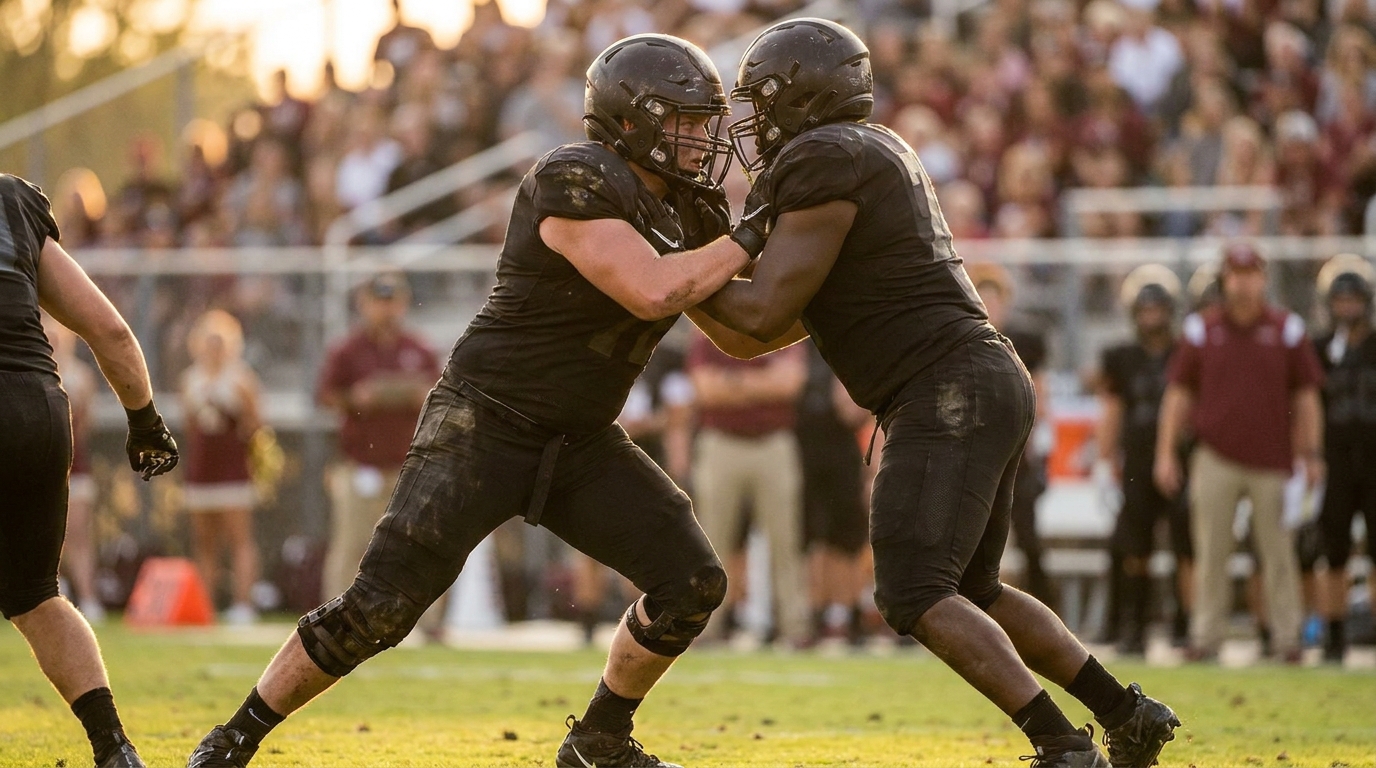
Caleb Lomu arrives as a developmental offensive tackle with clear upside and measurable questions. Because the Patriots 2026 draft class centered on need, Lomu’s profile matters for both short and long term plans. CLNS Media’s Patriots Daily highlighted his tape and physical traits. Meanwhile analysts like Greg Bedard expressed skepticism about immediate contribution.
On film Lomu shows sound hand placement and dependable anchor on early contact. However he lacks twitch and suddenness against elite speed rushers. An unnamed NFL offensive coordinator put it bluntly: “We can coach effort and finish — we can’t coach athleticism.” Therefore Lomu’s ceiling depends on coaching and scheme fit.
Wiring and mental makeup grade out better than raw burst. He plays with effort and has positional instincts. Because he listens and responds to coaching, his technical polish can improve quickly. Yet his athletic limits suggest a longer timeline to start consistently.
Projected development path
- Year one: rotational work and heavy coaching on footwork and kick slide. Expect situational reps and practice growth.
- Year two to three: potential swing tackle or spot starter if strength and quickness advance. Progress depends on training and in-game reps.
- Upside scenario: becomes a reliable starting right tackle in two years with steady coaching.
- Risk scenario: remains a depth piece if speed-to-power matchups expose athletic gaps.
Key strengths and concerns
- Strength quick hands and anchor in straight-line power.
- Strength high football IQ with coachable wiring and technique.
- Concern limited lateral quickness versus speedy edge rushers.
- Concern ceiling tied to natural athleticism rather than teachable traits.
In short, Lomu fits a patient, development-first blueprint. Yet the pick carries clear risk. With disciplined coaching he can become a starter. Otherwise he may provide depth and insurance for veterans like Morgan Moses.
Need vs BPA: Patriots 2026 draft class strategy
The Patriots 2026 draft class shows a clear tilt toward roster need. Analysts argued New England picked for immediate positional gaps rather than strictly the Best Player Available. Greg Bedard framed the picks as needy, saying the team went “chalk” and filled holes for Morgan Moses, the edge, and Hunter Henry. However, Bedard also allowed that injuries could change the dynamic.
Those criticisms rest on a sound principle. Choosing need risks reaching when higher-upside players remained available. Yet counterarguments emphasize context. New England entered the draft with roster gaps at tackle, edge, and tight end. Therefore front office leaders pursued a hybrid approach that mixes value with fit.
Practically speaking, the debate breaks into three threads. First, short term contribution. If everything goes right, the top three could barely contribute in 2026. Second, development timelines. Some picks need time to grow into starting roles. Third, upside versus reliability. Reaching is risky, but plugging clear holes can stabilize the roster now.
PatriotsDaily coverage and other scouts highlighted wiring and teachability. For example, an unnamed NFL offensive coordinator argued, “We can coach effort and finish — we can’t coach athleticism.” That comment underscores why certain picks, like Caleb Lomu, carry measurable athleticism risk. Yet scouts also praised coachability and positional instincts.
For further reading on how this draft affects pass rush balance and roster fit, see related coverage: Patriots Draft Plans and analysis of team needs: Patriots Draft Strategy. For a targeted look at which picks “move the needle,” read 2026 NFL Draft Analysis.
Table comparison of top three picks
| Player | Position | Projected contribution in 2026 | Strengths | Concerns |
|---|---|---|---|---|
| Caleb Lomu | Offensive tackle | Depth and rotational snaps; spot starting possible | Strong hands; anchor; coachable wiring | Limited lateral quickness; athleticism ceiling |
| Gabe Jacas | Defensive edge | Situational pass rush role; special teams help | Bend and burst traits; motor | Consistency; hand usage against tackles |
| Eli Raridon | Tight end | Blocking depth; developmental receiving role | Inline blocking; route framework | Athletic upside limited; tighter development curve |
In sum, the Need vs BPA argument matters. Yet the Patriots pursued a pragmatic, hybrid route. Therefore their draft reflects immediate roster repair and measured upside potential.
Gabe Jacas and Eli Raridon: Roles in the Patriots 2026 draft class
The Patriots added two functional pieces with immediate depth value. Below is a short projected timeline followed by player specific role notes and contingencies.
Projected 2026 Contributions
- Year 1
- Gabe Jacas: situational pass rusher, rotational defensive snaps, special teams contributor.
- Eli Raridon: blocking first tight end, inline snaps, limited receiving targets and special teams.
- Years 2–3
- Gabe Jacas: increased snap share if hand technique and counter moves improve; potential rotational starter in sub packages.
- Eli Raridon: expanded receiving role with refined route running; possible regular two tight end sets starter if receiving develops.
Gabe Jacas
- Expected roles: edge situational pass rusher, third down snap specialist, core special teams player.
- Injury contingencies: steps into larger role quickly if starters miss time due to high motor and bend.
- Upside: with improved hand usage could become a consistent pressure creator and 6–10 sack contributor.
- Development focus: refine handwork and counter moves to convert burst into consistent pass rush production.
Eli Raridon
- Expected roles: blocking tight end on early downs, in-line H backing, short yardage target.
- Injury contingencies: accelerated snaps and more targets if veteran tight ends are unavailable.
- Upside: tight end with strong blocking base who can become a reliable intermediate target after route polish.
- Development focus: improve separation, catching consistency and versatility in route tree.
CONCLUSION
This analysis weighed tape, wiring, and roster needs across the Patriots 2026 draft class. We examined Caleb Lomu, Gabe Jacas, and Eli Raridon. We found clear upside and measurable risks. Therefore conclusions must be cautious and evidence driven.
Cautious optimism fits the evidence because coaching and scheme can unlock traits. However athletic limitations and the reach concern temper immediate expectations. As a result, significant contributions in 2026 are possible but not guaranteed.
The Need versus Best Player Available debate matters, yet context drove decisions. A hybrid approach can stabilize weaknesses now and still chase upside later. Nonetheless patience will determine which draftees develop into reliable starters. Injuries can also accelerate or delay that timeline.
This analysis is presented by Patriots Report LLC, a New England focused analytics and coverage outfit. For the original reporting and ongoing updates visit Patriots Report and follow our coverage on Twitter X at @ZachGatsby. We respect differing views and will revise conclusions as new evidence appears.
Frequently Asked Questions (FAQs)
Will the Patriots 2026 draft class contribute in 2026?
Short answer: Possibly, but contributions are likely limited.
Explanation: Injuries and quick development can accelerate playing time. However most top picks need coaching and reps before starting. Therefore expect spot snaps, special teams, and situational roles.
What are Caleb Lomu’s biggest strengths and risks?
Strengths: reliable hand placement, anchor, and high football IQ.
Risks: limited lateral quickness and an athleticism ceiling that may cap upside.
How quickly could Gabe Jacas impact the Patriots’ pass rush?
Projected role: situational pass rusher and special teams contributor.
Upside: with improved hand technique he can win more one-on-one matchups.
Is Eli Raridon a reach and what does that mean?
Short answer: Scouts flagged a reach for Raridon, which raises uncertainty.
Implication: he likely starts as a blocking tight end and develops receiving skills slowly.
Did New England draft for need or Best Player Available?
Verdict: the front office used a hybrid approach.
Reason: New England addressed gaps at tackle, edge, and tight end while balancing value and fit.