
Mike Vrabel fake punt fourth-down risk to Patriots plan?

Mike Vrabel fake punt fourth-down risk to Patriots plan
In Week 16, Mike Vrabel made a bold decision that shifted the game’s tone. The move — a Mike Vrabel fake punt fourth-down risk to Patriots plan — came on 4th-and-10. It failed, and it injected doubt into New England’s late-season strategy. The Patriots still won, but the play raised questions about timing and judgment.
The game mattered because playoff positioning hung in the balance. Drake Maye engineered a fourth-quarter comeback that preserved the team’s edge in the AFC East. However, the fake punt defied the Patriots’ usual fourth-down conservatism. Before Sunday, the team converted fourth downs at about a 70 percent rate, so the attempt looked uncharacteristic.
This article analyzes the call and its consequences. We will examine situational factors, fourth-down math, and roster confidence. Ultimately, the tone is cautionary because one high-risk choice can alter postseason plans. Therefore this piece will weigh risk versus reward.
Mike Vrabel fake punt fourth-down risk to Patriots plan
The call on 4th-and-10 to run a fake punt forced a hard look at risk and reward. Most analysts saw it as bold because it tried to flip momentum. However, it also looked risky because it came in a tight game late in the season. The Patriots converted fourth downs about 70 percent of the time before this game, which made sticking to conventional options seem wiser.
Why the play felt uncharacteristic and fraught
A fake punt on 4th-and-10 departs from standard fourth-down math. Teams convert fourth-and-10 plays at a far lower rate than short fourth downs. Consequently, the expected value favored a punt or conservative play. Moreover, the Patriots rarely run this trick, so the element of surprise offered limited upside. Prior success on fourth downs made this uncharacteristic decision stand out.
Coach Vrabel defended the choice. He said, “It’s something that we had practiced, something that I felt confident in it. I wouldn’t have called it if we didn’t feel confident in it. Unfortunately it didn’t work.” His words show preparation, but preparation does not equal higher odds. Because the attempt failed, it exposed a thin margin for error.
In a season where playoff positioning matters, one failed gambit can change momentum. The Patriots still won, but the fake punt could have swung field position and scoring chances. Therefore, the decision raised questions about play-calling in the final two weeks and playoffs. Coaches should weigh fourth-down success rates, situational field position, and the team’s depth. As a result, many argue that this particular gamble should not become a recurring strategy.
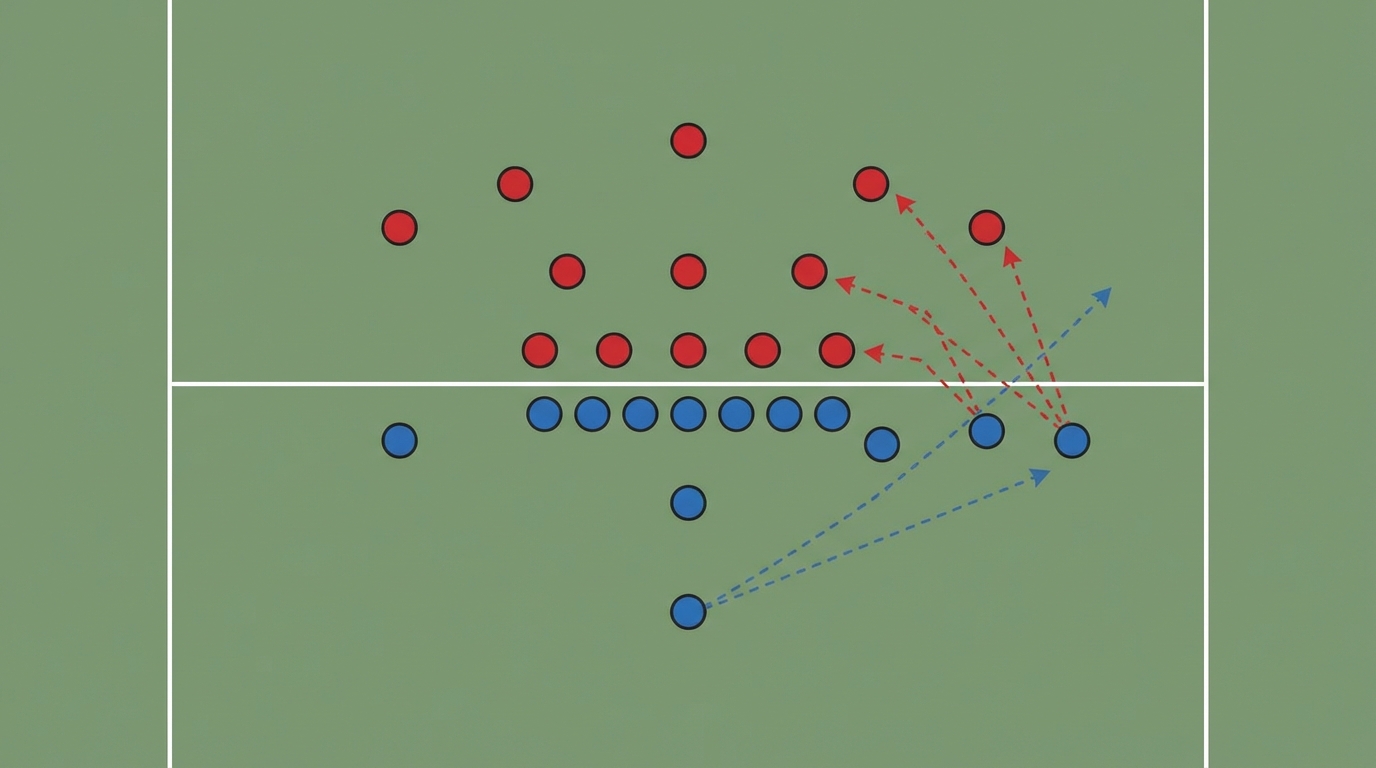
Game facts and outcomes that shape the Patriots plan
- Patriots won the Week 16 matchup, but the win did not erase the implications of the failed trick play. Because field position and momentum matter, the fake punt outcome demands scrutiny.
- The Patriots went for it on 4th-and-10 with a fake punt and failed. Consequently, the turnover of possession gave the opponent better scoring chances. The play stood apart because teams rarely attempt fake punts in long-yardage situations.
- Before this game, New England converted fourth downs at roughly a 70 percent rate. Therefore, conventional fourth-down decisions usually favored going for it in short-yardage spots. However, a 4th-and-10 success rate is far lower, which made the fake punt an aggressive deviation from expected value.
- Drake Maye led a fourth-quarter comeback that helped preserve the Patriots’ standing. As a result, the team maintained a one-game edge over the Bills in the AFC East and tied the Broncos for the best league record in that moment. That comeback amplified the stakes for every later decision, including special teams gambits.
- Coach Mike Vrabel defended the call, saying it had been practiced and that he felt confident in it. Still, the play did not work, and thus it exposed a thin margin for error late in the season.
- Media voices urged caution after the game. For example, outlets like the Boston Herald argued the move looked uncharacteristic and warned against repeating it in the final two weeks or the playoffs. See the Boston Herald home page for coverage and the Patriots’ news feed for official responses.
- For broader game context, postgame recaps and box scores help quantify impact. Review league coverage at ESPN and NFL to track field position swings and win probability changes.
These facts combine to form a cautionary picture. Because the Patriots still won, the mistake did not cost them the game. However, the failed fake punt added risk to New England’s late-season plan and it invites a stricter cost-benefit approach to fourth-down strategy moving forward.
Comparative table: fourth-down strategy risks and rewards
| Strategy Type | Risk Level | Reward Potential | Frequency of Use | Recent Outcomes |
|---|---|---|---|---|
| Conventional fourth-down approach (go for it on short yardage; punt on long yardage) | Low to Moderate | Reliable possession and field-position management | High | Patriots converted ~70% of fourth downs before Week 16; generally steady results |
| Conservative punt on long distances | Low | Reduces opponent scoring chances; controls field position | High | Standard choice on 4th-and-10; preserves win probability |
| Fake punt (trick play) | High | Potential momentum swing and surprise first down | Very Low | Failed on 4th-and-10 in Week 16; increased media and analytical scrutiny |
| Aggressive long-yardage go-for-it or special teams gambit | High | Keeps possession; can shift game momentum | Low | High variance outcomes depending on execution; not a regular strategy |
Conclusion: Caution over flash
Mike Vrabel fake punt fourth-down risk to Patriots plan stands as a clear cautionary example. The call looked bold, but it also looked unnecessary given the context. The Patriots entered Week 16 with a roughly 70 percent fourth-down conversion rate, but that success came mainly on short-yardage plays. Therefore, a 4th-and-10 fake punt carried outsized downside.
Vrabel said the play had been practiced and that he felt confident in it. However, preparation could not overcome the low expected value of that situation. Because the attempt failed, it handed the opponent better field position and invited media criticism. As a result, outlets urged restraint and called the move uncharacteristic of the staff.
Looking ahead, the takeaway is simple. The Patriots can afford occasional creativity, but not at the cost of predictable risk management in the playoff push. Coaches must weigh probability, field position, and game state. Otherwise, one high-variance call can alter a postseason path.
For coverage and analysis from Patriots Report LLC, visit patriotsreport.com and follow @ZachGatsby on Twitter for updates and commentary.
Frequently Asked Questions (FAQs)
What motivated Mike Vrabel to call a fake punt on 4th-and-10?
The coaching staff aimed to seize momentum and catch the opponent off guard. Vrabel said the play had been practiced and that he felt confident in it. However, 4th-and-10 is a long-yardage situation with low conversion odds. Because the attempt failed, critics said the decision risked more than it gained.
Was the call supported by fourth-down data and analytics?
Not really. The Patriots converted fourth downs at roughly 70 percent before Week 16, but that rate skewed toward short-yardage attempts. Therefore, the expected value for a fake punt on 4th-and-10 was low. Analytics generally favor punting or conservative choices in long-yardage spots unless the game state forces risk.
Did the failed fake punt change the game outcome?
No, the Patriots still won the Week 16 game. Drake Maye led a late comeback that preserved the team’s standing. Still, the failed trick play gave the opponent better field position and a momentum lift. As a result, the call increased scrutiny of in-game decision-making during a tight playoff race.
Should the Patriots repeat trick plays late in the season or in the playoffs?
Most analysts say no. The call was described as uncharacteristic and risky by media outlets. Because playoff games amplify risk, repeating high-variance plays like a 4th-and-10 fake punt would be ill-advised unless matchup factors strongly favor it.
How should coaches weigh fourth-down decisions going forward?
Coaches must balance probability, field position, roster depth, and game state. Use analytics and scouting together. Also consider wind, opponent tendencies, and available personnel. In short, favor probability-driven choices late in the season, and reserve high-risk gambits for truly favorable windows.