
Could Kirk Cousins Fix the Jets’ Offseason?

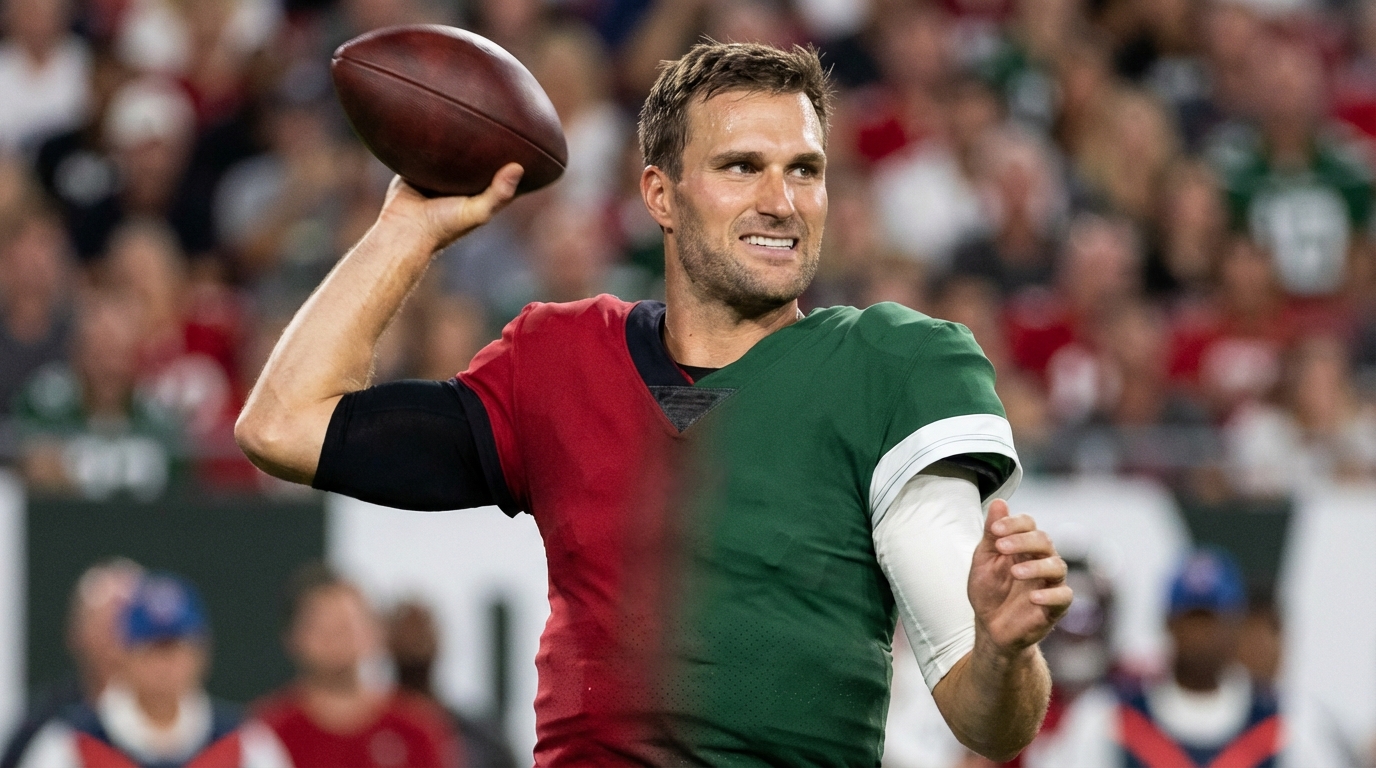
Could Kirk Cousins Be the Jets’ 2026 Stopgap? A Realistic AFC Offseason Target
Kirk Cousins has suddenly become a prominent name in 2026 offseason chatter. As the free agent and trade window opens, AFC rivals ask whether he could be a realistic target. The New York Jets sit near the center of that speculation. They have roster needs and high draft capital, so the idea deserves a hard look.
In this piece, we map the cap math, roster fits, and quarterback plan. We will weigh Cousins’ 57.5 million cap hit against Atlanta’s situation and possible savings. Moreover, we examine how a stopgap solution could bridge the Jets to a rookie like Dante Moore. Could a veteran of four Pro Bowls buy the team time while they develop a long term answer? Read on to see the trade scenarios, scouting implications, and likely outcomes.
Because the Jets have started three quarterbacks this season, the urgency is clear. However, age and performance trends make this a high stakes gamble.
Kirk Cousins Recent Performance
Kirk Cousins has shown steady production in limited action this season. In seven starts he has averaged 209.1 passing yards per game. He has 10 total touchdowns and four interceptions. The Falcons sit 4-3 with Cousins under center. Their offense averages 21.3 points per game in those contests. By contrast, Michael Penix is 3-5 in eight starts and the offense averaged 20.6 points per game with him. Cousins will turn 38 before next season, so age factors into any offseason plan.
Because the sample size is small, scouts weigh both tape and context. Cousins still makes clean reads and limits turnovers. However, he no longer offers the same long-term upside he once did. Therefore teams must decide if his veteran steadiness outweighs the age and durability concerns.
Kirk Cousins and the 57.5 million Cap Hit
Cousins carries a 57.5 million dollar cap hit for 2026. That figure shapes every trade discussion. Falcons payroll flexibility looks tight. They only project about 5.2 million dollars in cap space for 2026.
Trading Cousins would provide immediate relief. According to projections, Atlanta would save roughly 32.5 million dollars in cap space if they move him. As a result, the Falcons could clear money to address multiple needs. Those savings could help retool the offensive line, add depth on defense, or sign a younger quarterback.
Key Stats and Cap Takeaways
- Passing yards per game 209.1 in seven starts
- Total touchdowns 10 and interceptions four
- Falcons record 4-3 with Cousins; offense 21.3 points per game
- Cousins will be 38 before 2026 season
- 2026 cap hit 57.5 million dollars
- Atlanta cap space about 5.2 million dollars before a trade
- Estimated cap savings on trade about 32.5 million dollars
Overall, Cousins offers short term competence. However, his salary and age make him a costly stopgap. Teams like the Jets must weigh immediate impact against long term quarterback building blocks.
Kirk Cousins Versus 2026 Quarterback Options
Below is a compact comparison to help visualize why Kirk Cousins is a realistic offseason target for the New York Jets. The table contrasts veteran stability with rookie upside and the current group of Jets starters. Short notes follow the table to highlight cap and performance implications.
| Option | Age | NFL Experience | Passing Yards per Game | Touchdowns | Interceptions | 2026 Cap Hit or Contract Note |
|---|---|---|---|---|---|---|
| Kirk Cousins | 37 (turns 38 before 2026) | Veteran starter | 209.1 (7 starts) | 10 (season) | 4 (season) | $57.5 million cap hit in 2026 |
| Dante Moore (Oregon) | Rookie prospect | College prospect | N/A (college) | N/A | N/A | Rookie scale contract; far lower than veteran market |
| Ty Simpson (Alabama) | Rookie prospect | College prospect | N/A (college) | N/A | N/A | Rookie scale contract; lower cap burden |
| Jets current starters (2025) | Mixed ages | Mixed experience; three starters | 145.8 (team average) | Varies by starter | Varies by starter | Existing contracts vary; lower than Cousins on average |
| Veteran stopgap candidate | 30s (typical) | Journeyman | Varies | Varies | Varies | Generally modest cap hit; cheaper than Cousins |
Key takeaways
- Cousins delivers higher per game production than the Jets’ team average. However, he carries a massive 2026 cap hit. Therefore a trade costs cap space but buys experience.
- By contrast, rookies offer low cap hits and long term upside, but not immediate certainty.
- Finally, a cheaper veteran stopgap would cost less, but likely provide lower ceiling than Cousins.
Kirk Cousins and the Jets’ Quarterback Instability
The New York Jets entered 2025 with glaring quarterback instability. They started three different quarterbacks. As a result, their passing game never found consistent traction. The team now faces a choice: chase a veteran now or draft a future starter.
Because the offense lagged, metrics paint a clear picture. The Jets averaged just 145.8 passing yards per game. That total falls short of league average, and therefore it pressures the front office to act. Moreover, inconsistent play has hindered offensive rhythm and scoring.
Bleacher Report columnist Kristopher Knox recently floated Kirk Cousins as a stopgap target for the Jets. For context, see Bleacher Report at this link because Knox’s piece frames why a veteran could buy time while a rookie develops.
Why Draft Capital Matters for Cousins Talks
The Jets enter the 2026 offseason with valuable draft weapons. They hold two picks in the top 18. Therefore they can pursue a quarterback of the future, such as Dante Moore from Oregon. However, because rookies take time to develop, the club might still want experienced help.
Key team stats
- Passing yards per game 145.8 (team average in 2025)
- Jets started three quarterbacks in 2025 season
- Two picks in the top 18 of the 2026 draft
- Potential rookie target Dante Moore from Oregon
In short, the Jets have draft capital and clear need. However, because the roster struggles to protect offensive continuity, adding a veteran like Cousins could stabilize the unit. Therefore the decision will hinge on balancing immediate wins with long term development.
Conclusion
Kirk Cousins remains a realistic offseason target for AFC rivals in 2026. He brings proven, short term stability. However, the price is steep and the cap math matters.
Strategically, Cousins can stabilize a shaky Jets offense while a rookie develops. The Jets have two top 18 picks and can draft a future starter like Dante Moore. Therefore a trade would be a bridge solution, not a rebuild. Financially, Cousins carries a $57.5 million cap hit for 2026. Trading him would save Atlanta about $32.5 million. As a result, the Falcons could free space to address other needs. The Jets must weigh immediate gains against long term flexibility.
In short, Cousins fits the stopgap profile. He buys time, leadership, and higher per game production. Yet age and cost limit his long term value. Ultimately, New York should pursue Cousins only if the roster and cap plan align.
For ongoing analysis and breaking updates, follow Patriots Report LLC online. Visit Patriots Report and follow Twitter at Zach Gatsby for more news and insight.
Frequently Asked Questions (FAQs)
Could the New York Jets realistically trade for Kirk Cousins this offseason?
Yes, a trade is realistic but complex. Cousins offers veteran stability and higher per game production. However, teams must solve heavy cap numbers and swap draft value. Because the Jets hold two top-18 picks, they can pair draft capital with a short term plan. Therefore a trade could act as a bridge while they develop a rookie.
What are the key salary cap implications of acquiring Kirk Cousins?
Cousins carries a $57.5 million cap hit in 2026. If Atlanta trades him, the Falcons would save about $32.5 million. Falcons project roughly $5.2 million in cap space now, so moving Cousins would free crucial room. For the Jets, absorbing Cousins would require cap maneuvering or a structure that reduces immediate burden. As a result, the cap fit will dictate whether a deal ever happens.
How does Cousins’ 2025 performance affect trade value?
Cousins has shown effective play in limited starts. He averaged 209.1 passing yards per game in seven starts. He has totaled 10 touchdowns and four interceptions. The Falcons went 4-3 with him and averaged 21.3 points per game. Thus his recent play boosts his short term value, even though age and sample size temper long term projections.
Would drafting a rookie like Dante Moore make Cousins unnecessary?
Not necessarily. Rookies often need time to adapt. The Jets have two picks in the top 18, so they can draft a future starter. However, because development takes time, a veteran stopgap still makes sense. Therefore teams might pair a rookie selection with an experienced starter to smooth the transition.
What trade scenarios could make sense for both teams?
Practical scenarios include Atlanta retaining salary to lower the Jets’ cap hit. Alternatively, the Jets could offer mid first round picks plus a later pick. Another path uses a cheaper veteran stopgap instead of Cousins. Ultimately the best deal balances immediate QB stability with long term cap and draft flexibility.