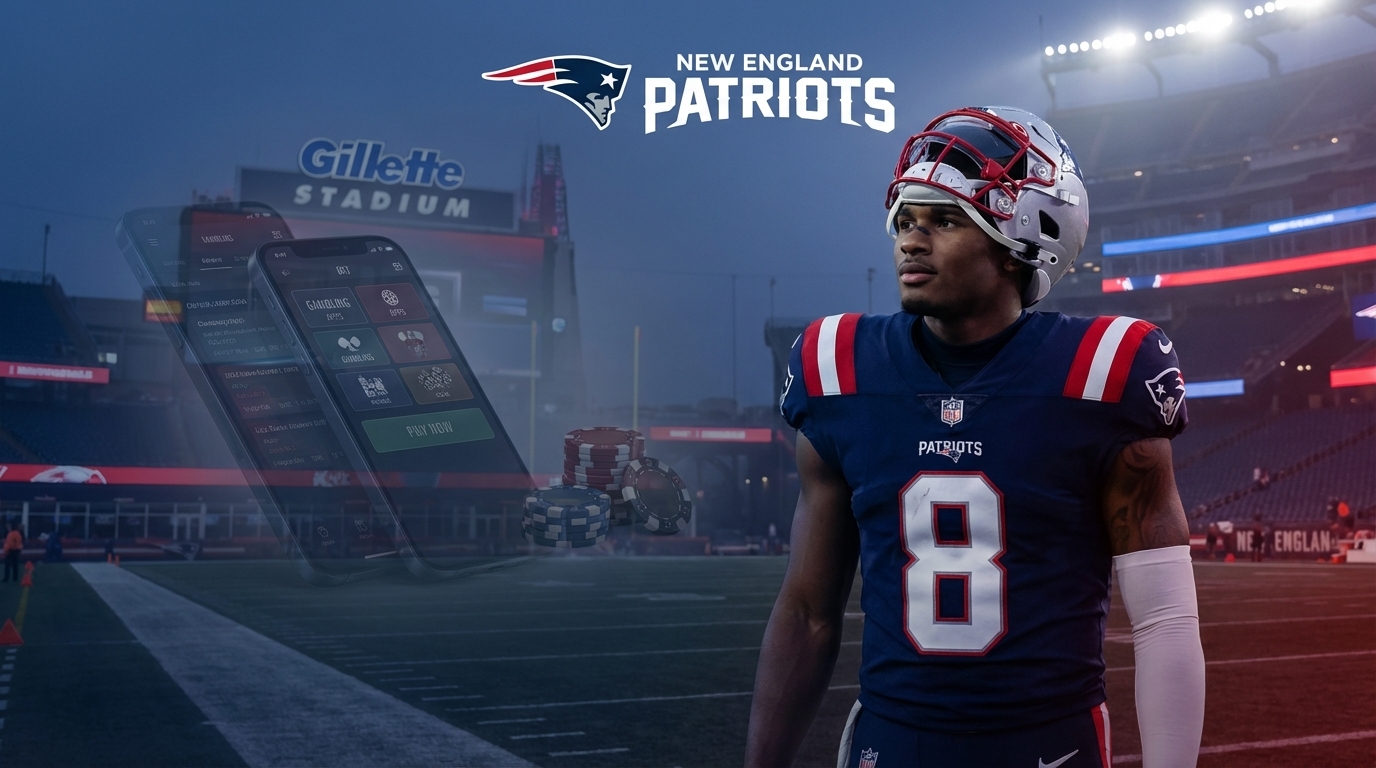
Kayshon Boutte’s story of gambling addiction is a poignant reminder of the human side of athletic stardom. Once a promising player drafted by the New England Patriots, Boutte faced incredible challenges off the field that have now come to light. His journey into the depths of gambling addiction sheds light on a struggle that many may not recognize in the glitz and glamour of professional sports. With empathy and caution, this narrative introduces Boutte’s personal turmoil and the pivotal role teams can play in such circumstances.
At LSU, Boutte broke records and showcased talent that soon caught the attention of NFL scouts. However, an ankle injury sidelined him, leading to a darker chapter. It was during his rehabilitation that Boutte began gambling—a habit that spiraled into a $90,000 pit of financial loss and personal reflection. Arrested in 2024 for underage gambling and fraud, his charges were dropped only after completing a gambling awareness program.
Through the lens of Kayshon’s experiences, we explore how addiction doesn’t just affect performance on the field but also resonates deeply with the lives of these athletes. As Kayshon Boutte navigates his return to football, we are invited to witness not only his redemptive rise but also understand the broader context of support that teams can offer those grappling with similar struggles.
Kayshon Boutte gambling addiction: Background and impact
Kayshon Boutte’s struggle with gambling began during a vulnerable time in his life. While rehabbing an ankle injury at LSU, he turned to wagering as a way to cope. Soon after, the habit escalated and he lost roughly $90,000 of his own money. “I gambled until I was completely broke,” Boutte said, adding clear regret and pain. As a result, his off field life became as newsworthy as his on field talent.
Legal trouble followed in January 2024 when authorities charged him with underage gambling and fraud. However, investigators later determined he never bet against himself or his team. By July 2024, prosecutors dropped the charges. This outcome followed Boutte’s completion of a gambling awareness program and his agreements to self-exclude from wagering platforms. Meanwhile, the personal toll remained heavy, and he described a moment of hitting rock bottom. “At a certain point, when you hit rock bottom… you layin’ in bed just seeing $0.00 on the app,” he said.
Key incidents at a glance
- Began gambling during rehab after an LSU ankle injury
- Wagered about $90,000 of his own money during the period
- Arrested in January 2024 on underage gambling and fraud charges
- Investigators found no evidence he bet against LSU or himself
- Charges dropped in July 2024 after a gambling awareness program and self-ban agreements
Boutte’s story shows how addiction can start quietly. Therefore teams must recognize warning signs and offer support. In short, this case blends personal pain with real policy implications for pro sports.

Kayshon Boutte gambling addiction: Team-based support and interventions
Teams can play a decisive role when players struggle with gambling. Kayshon Boutte began wagering while rehabbing an ankle injury at LSU. As a result, he reportedly lost about $90,000. He later faced underage gambling and fraud charges in January 2024. However, prosecutors dropped those charges in July 2024 after he completed a gambling awareness program and agreed to self-ban from wagering platforms. “I gambled until I was completely broke,” Boutte said, which highlights the severity of the problem and the need for early intervention.
Because addiction often starts in isolation, proactive team policies matter. To help players, organizations should provide education and confidential access to help. Below are concrete steps teams can take immediately:
- Implement mandatory gambling awareness programs for all players, coaches, and staff
- Offer confidential counseling and routine mental health screenings to detect early signs
- Facilitate voluntary self-ban agreements and help players navigate exclusions from betting platforms
- Create clear reporting channels so teammates can raise concerns without fear of retribution
- Provide financial counseling and supervised budgeting support after large losses
Boutte’s pathway back to football shows the value of structured support. After his legal case resolved, he returned on-field and posted a strong 2025 season with 33 receptions, 551 yards, and six touchdowns. Therefore teams benefit when they prioritize rehabilitation over punishment. Moreover, personal milestones like becoming a father helped Boutte step away from constant wagering. As he put it, “The next time you see a headline about a gambling story… just remember that there’s a person behind that headline.”
In short, clubs should pair education with empathetic care. By doing so, they protect player welfare and safeguard the integrity of the sport.
| Career Phase | Football Achievements | Gambling Addiction Events | Outcome / Impact |
|---|---|---|---|
| LSU years (sophomore) | Set LSU single game record: 14 catches, 308 yards, 3 TD vs Ole Miss; rehab after ankle injury | Began gambling during rehab; wagering escalated; reported losses around $90,000 | Started cycle of addiction; increased vulnerability; prompted need for team support and awareness |
| NFL Draft 2023 | Drafted by the New England Patriots, sixth round | Gambling activity continued into transition to the pros | New professional pressures that can worsen addictive behaviors |
| Rookie season 2023 | Two catches in five games | Issues remained largely off field but were present | Limited early on field impact; team monitoring and resources important |
| Legal issues timeline 2024 | N/A | Arrested January 2024 on underage gambling and fraud charges; investigators found no evidence he bet against LSU or himself; completed gambling awareness program and self-ban agreements; charges dropped July 2024 | Legal resolution tied to rehabilitation; emphasis on education and self-exclusion |
| 2025 season and recovery | 33 receptions, 551 yards, six touchdowns; 16.7 yards per reception (fourth in NFL among qualifiers) | Stepped away from constant wagering; becoming a father provided a reality check | Career rebound and personal recovery; model for pairing rehabilitation with team support |
Kayshon Boutte’s story reminds us that addiction happens to real people, not just headlines. Because his struggle unfolded alongside a rising football career, the stakes felt especially high. He lost money, faced charges, and then took steps toward help and recovery. After completing a gambling awareness program and self-exclusion agreements, the charges were dropped.
Patriots Report LLC has shared Boutte’s journey to highlight the human side of these cases. For more reporting, visit Patriots Report and follow Zach Gatsby on Twitter for updates. Boutte’s return and fatherhood show that recovery can align with career growth. Hope remains when communities choose compassion and practical help.
However, recovery is not a straight line. Teams, fans, and media can help by offering empathy, resources, and second chances. Therefore we should meet stories like Boutte’s with care, not only criticism. In the end, understanding and support give injured players the best chance to heal. We should hold them accountable while also helping them rebuild their lives.
Frequently Asked Questions
What exactly was Kayshon Boutte gambling addiction and what happened?
Kayshon Boutte gambling addiction began during rehab after an ankle injury at LSU. He later wagered about $90,000 of his own money. In January 2024 he faced underage gambling and fraud charges. Investigators found no evidence he bet against LSU or himself. Therefore prosecutors dropped the charges in July 2024 after he completed a gambling awareness program and agreed to self exclusion from wagering platforms.
How did gambling affect Boutte’s career and personal life?
The addiction created significant stress off the field. As a result he hit financial rock bottom and faced legal scrutiny. However he returned to football and posted a strong 2025 season with 33 catches, 551 yards, and six touchdowns. Meanwhile becoming a father gave him perspective and helped reduce wagering.
What steps did teams and legal authorities take in his case?
Authorities pursued charges then paused after rehabilitation milestones. The case resolved once Boutte completed an awareness program and self ban agreements. For teams the lesson is clear. They should pair accountability with support, including counseling and financial guidance.
What do NFL rules and team policies do about gambling?
The NFL maintains strict gambling rules to protect game integrity. Moreover teams run education and prevention programs for staff and players. In practice clubs can offer confidential mental health services, mandatory awareness classes, and voluntary self exclusion support.
How can teams better help players who struggle with betting and addiction?
First, implement mandatory gambling awareness programs early in careers. Second, provide confidential counseling and routine mental health screenings. Third, offer financial counseling and supervised budgeting after losses. Fourth, create safe reporting channels so teammates can voice concerns without fear. In short, combining education, empathy, and clear policy reduces harm and supports recovery.