Josh McDaniels brain-dead gameplan: Did Josh McDaniels’ playcalling cost the Patriots the Super Bowl?
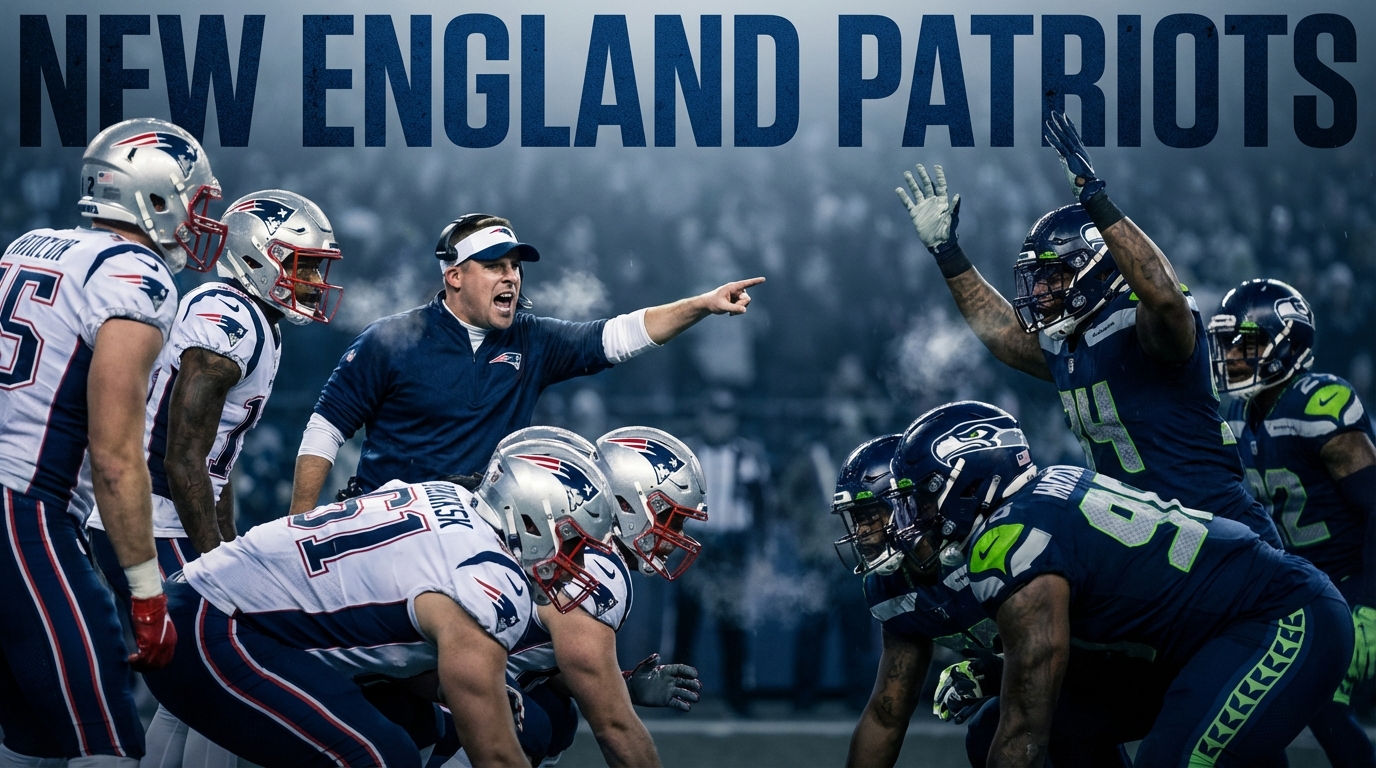
Josh McDaniels brain-dead gameplan dominated the early headlines after Super Bowl 60. Was his playcalling the decisive factor in New England’s loss to the Seattle Seahawks? This tactical review argues yes, or at least that his calls played a major role. We will examine personnel use, formation choices, and situational decisions to separate scheme from execution.
First, the Patriots leaned heavily on 11 personnel. They ran nearly 80 percent of snaps in that grouping, yet never used empty looks. As a result, their offense stayed compact and predictable. Meanwhile, Seattle deployed versatile defenders like Leonard Williams and DeMarcus Lawrence. Rookie safety Nick Emmanwori often functioned as an extra linebacker, and that helped stop the run.
Because McDaniels seemed worried about pass protection, he called conservative concepts early. However, he did not adjust until late. Therefore this review will show how those choices opened the door to Seattle’s pass rush. Finally, we will break down key plays and moments. We will decide whether the scheme, execution, or both sealed the Patriots’ fate.
Josh McDaniels brain-dead gameplan and Patriots personnel usage
The Patriots leaned into one idea early and often. New England ran just under 80 percent of their snaps in 11 personnel. Before this game, they had never topped 70 percent in any matchup that season. Therefore the offense became compact and easier for Seattle to anticipate.
Key personnel facts
- Nearly 80 percent of snaps came in 11 personnel, one running back and one tight end
- Zero empty formation snaps across the game
- Only one jumbo play with six offensive linemen
- 21 personnel snapped at a season-low rate with two running backs
Why this mattered
Because Seattle’s defense thrives on versatility, the Patriots’ heavy 11 usage reduced offensive complexity. Seattle often placed five or six defensive backs on the field, and rookie Nick Emmanwori functioned like an extra linebacker. As a result, New England faced light boxes without exploiting them with multiple back sets.
Formation consequences
- Without empty looks, the quarterback faced more traffic and more blitz disguises
- With few two back sets, the Patriots lost a tool to threaten run-pass balance
- The lone jumbo call signaled occasional concern about short-yardage, but it did not change the game
How the gameplan influenced choices
McDaniels appeared to limit personnel variety because he worried about pass protection. However, this conservative tilt made the offense predictable. Seattle’s Leonard Williams and DeMarcus Lawrence could attack gaps with fewer worries. Meanwhile, New England rarely forced Seattle to reveal coverage or rotate personnel. Consequently, the Hawks could defend the run and rush the passer with confidence.
In short, personnel rigidity amplified matchup issues. Later sections will show how play design and situational playcalling compounded these limits.

How Seattle’s defense forced Josh McDaniels brain-dead gameplan
Seattle’s defensive identity shaped the Patriots’ plan from the opening kick. Because Leonard Williams and DeMarcus Lawrence commanded the line, New England worried about interior pressure and edge rush. As a result, McDaniels prioritized personnel that could help in pass protection. However, that choice played right into Seattle’s strengths.
The real secret ingredient behind Seattle’s “Dark Side” defense is how effectively they can stop the run with five or six defensive backs on the field. Meanwhile rookie safety Nick Emmanwori often operated like an extra linebacker. Therefore Seattle defended the line of scrimmage without sacrificing coverage downfield. That balance forced New England into predictable looks.
Defensive impact at a glance
- Versatility on the line: Williams and Lawrence created pressure lanes and occupied blockers
- Extra run support: Emmanwori acted as a hybrid linebacker for downhill stops
- Personnel flexibility: Seattle rotated nickel and dime packages while still protecting gaps
- Psychological effect: Patriots schemed conservatively because of pass rush concerns
Because New England ran just under 80 percent of snaps in 11 personnel, Seattle often faced a narrow offensive set. Without empty formations, the quarterback had fewer clean lane reads. Therefore blitzes and disguised pressures became more effective. Seattle very clearly smelled blood in the water, and they attacked accordingly.
The Hawks’ strategy did more than generate sacks. It removed New England’s ability to create mismatches. Partly, that explained why the Patriots ran 21 personnel at a season-low rate. However, execution also mattered; poor offensive line play weakened any chance to expand the plan. In short, Seattle’s scheme and personnel forced a conservative, compact offense. Then McDaniels had to chase adjustments late, which never fully materialized.
| Aspect | Patriots Approach | Seahawks Approach |
|---|---|---|
| Personnel usage | Ran just under 80 percent of snaps in 11 personnel, minimal 21 personnel, one jumbo play | Used versatile packages with nickel and dime, deployed five or six defensive backs to stop the run |
| Formation variety | Compact offense, no empty sets, predictable looks | High variety, rotated personnel, disguised looks to confuse protection |
| Run versus pass balance | Conservative, leaned on short concepts and run checks, low two back usage | Prioritized run stop, forced light boxes to be ineffective, then rushed passer |
| Pass protection focus | Schemed to protect against pressure, limited formations to help line | Attacked protection with Leonard Williams and DeMarcus Lawrence, created interior and edge pressure |
| Key player roles | Relied on tight end and running back for balance, offensive line struggled | Emmanwori acted like an extra linebacker, Williams and Lawrence set the tone on the line |
| Situational adjustments | Slow to adapt, only added variety late in game | Adjusted tempo and personnel, exploited predictability and mistakes |
| Tactical result | Predictable offense, less mismatch creation, struggled to move the ball | Neutralized run game, generated pressure, dictated tempo and outcome |
Conclusion
Josh McDaniels’ playcalling and strategic frame shaped how the Patriots performed in Super Bowl 60. Early conservatism pushed New England into a narrow identity. Because the team ran just under 80 percent of snaps in 11 personnel and used no empty sets, the offense became predictable. As a result, Seattle could defend with light boxes and still stop the run.
Seattle’s defensive plan amplified those flaws. Leonard Williams and DeMarcus Lawrence set constant pressure, and Nick Emmanwori functioned like an extra linebacker. Therefore New England faced both interior and edge threats on most plays. Consequently McDaniels leaned on protection-friendly looks instead of forcing mismatches. However, those late adjustments arrived too slowly to change momentum.
In short, the loss was a product of scheme and execution. McDaniels’ gameplan limited variety and invited the Seahawks’ strengths. Yet execution, especially along the offensive line, compounded the problem. For deeper breakdowns, visit Patriots Report LLC, and follow analysis on Twitter for more in-depth Patriots coverage.
Frequently Asked Questions (FAQs)
Did Josh McDaniels’ playcalling cost the Patriots the Super Bowl?
The short answer is yes, in part. Josh McDaniels brain-dead gameplan narrowed the offense in Super Bowl 60. He leaned on 11 personnel and avoided empty looks. Therefore Seattle could plan and attack. However, execution and line play also mattered. Both scheme and execution produced the result.
Why did the Patriots use so much 11 personnel in Super Bowl 60?
McDaniels prioritized protection and matchup control. He feared the Seahawks pass rush, so he kept one running back and one tight end on the field. As a result the offense stayed compact. However, that predictability reduced variance and created light boxes for Seattle.
How did Seattle’s ‘Dark Side’ defense affect New England?
The Seahawks used Leonard Williams and DeMarcus Lawrence to pressure the line. Rookie Nick Emmanwori played like an extra linebacker. Therefore Seattle stopped the run without sacrificing coverage. The defense rotated nickel and dime packages to force mistakes.
Were there execution issues separate from McDaniels’ gameplan?
Yes. Poor offensive line play and missed blocks amplified problems. Will Campbell and Jared Wilson struggled at times. As a result adjustments that might have helped never had full chance to work.
What tactical lessons should teams learn from Super Bowl 60?
Balance personnel more and mix looks. Add empty formations and two back sets to create conflicts. Also adjust early when pressure dictates change. Because if you do not, elite defenses will exploit predictability.